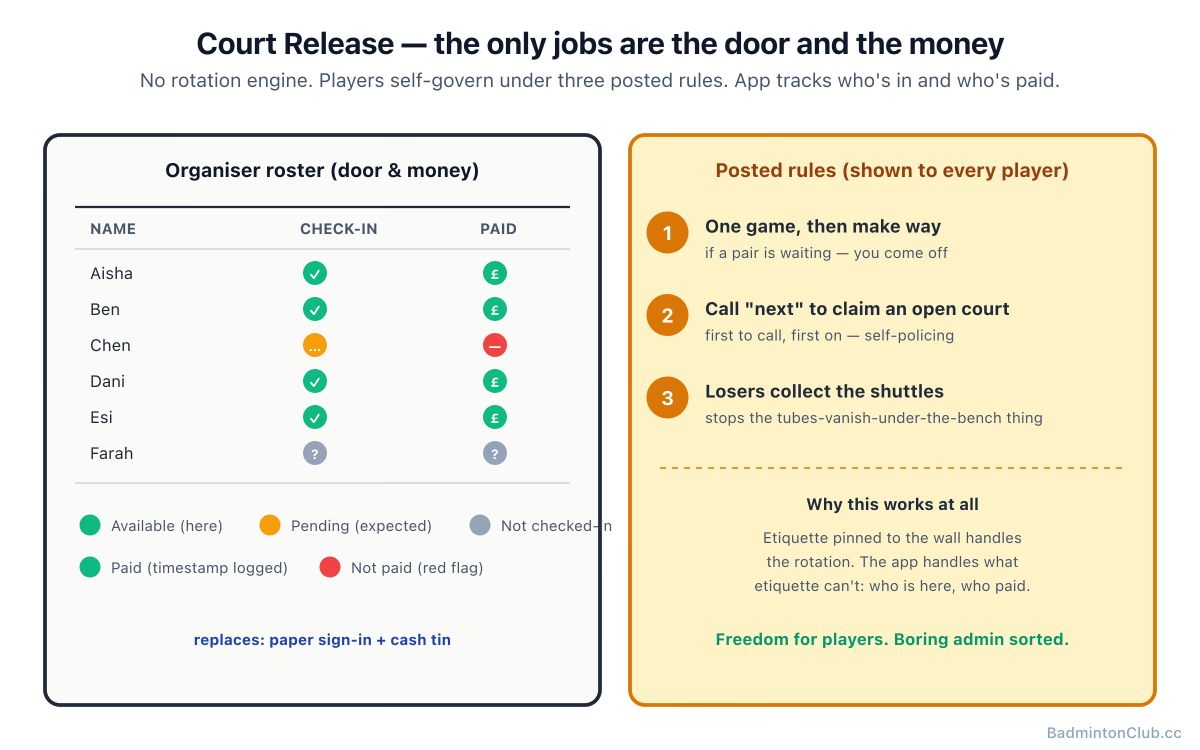
Open play badminton lets players run their own courts while the club only tracks check-in and payment — there's no fixed rotation. This guide explains how drop-in sessions actually work, the three etiquette rules every good club pins to the wall, and how Court Release keeps attendance and pay-at-door straight without a paper list or a cash tin.
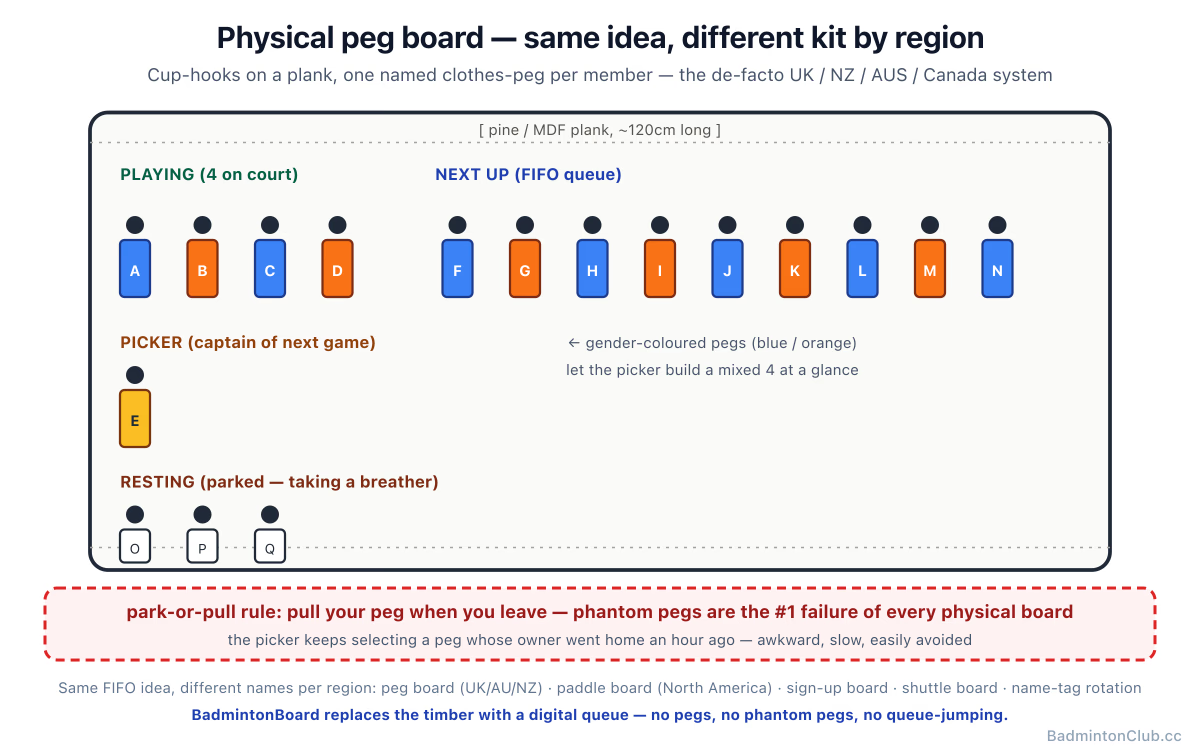
A badminton peg board is the fairest FIFO queue rotation used by clubs across the UK, New Zealand, Australia and Canada. Learn how the physical board works, what the captain role does in a digital peg board, and why clubs are moving their pegs onto a phone screen. Covers setup tips, the winners-first variant, phantom-peg problems, and how the digital version keeps the queue race-safe.
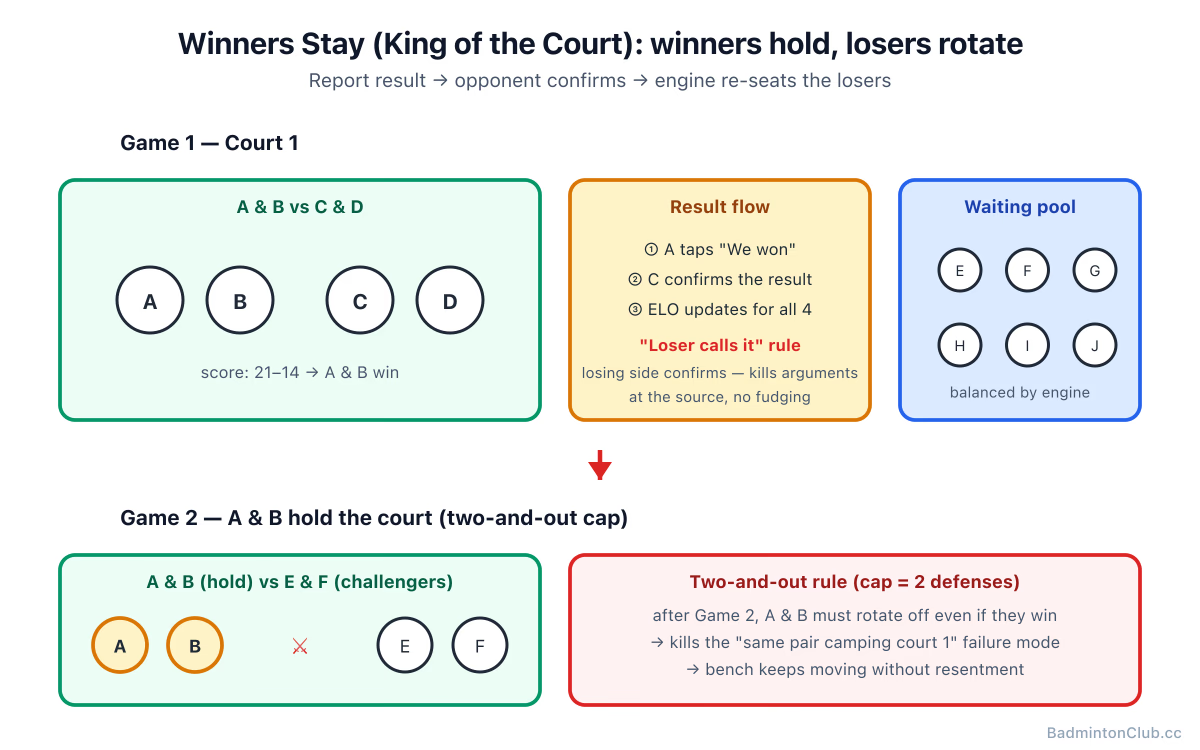
Winner Stays On — also known as King of the Court — is the competitive badminton rotation where the winning pair holds the court and losers rotate off. Learn the core rules, the two-and-out win cap, how to keep it fair for mixed-level groups, and when to use it over other formats.
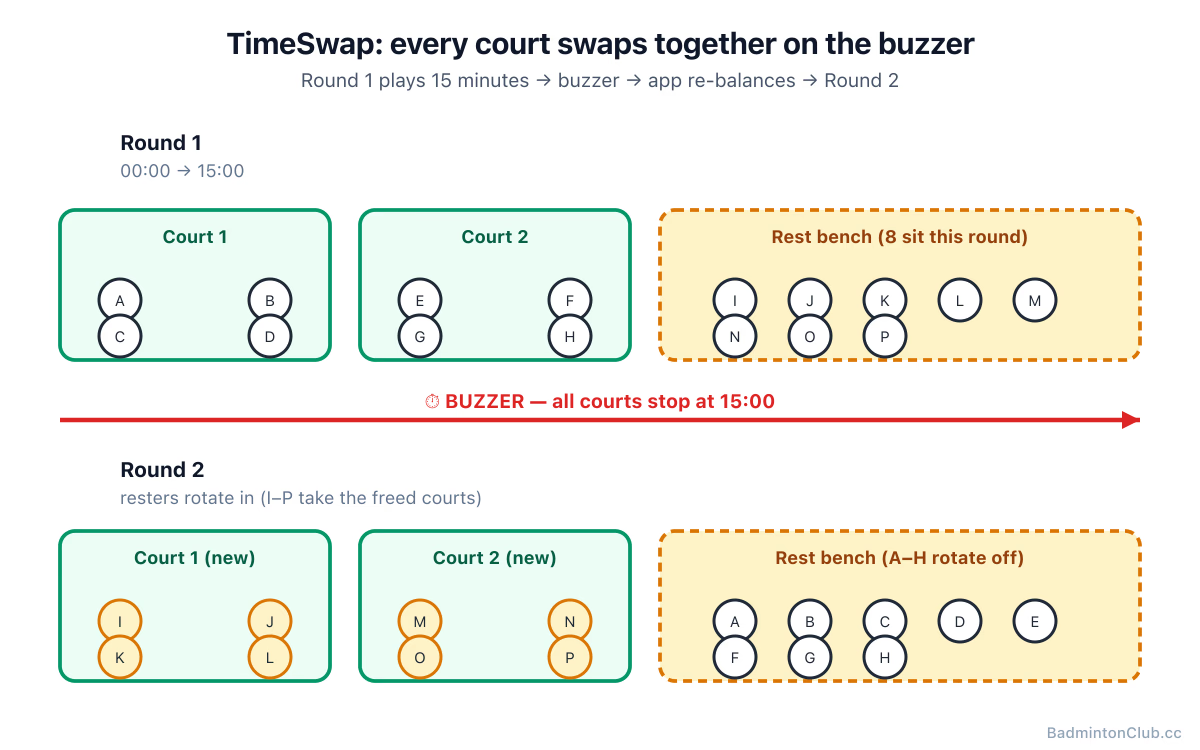
TimeSwap is a timed badminton rotation that ends every court simultaneously on a buzzer and auto-balances the next round by skill, rest fairness, and partner variety — no peg board needed. This guide covers how the engine works, field-tested tips on shuttle budgets and golden-point rules, a court-time maths breakdown for 24-player sessions, and full pros, cons, and FAQ.
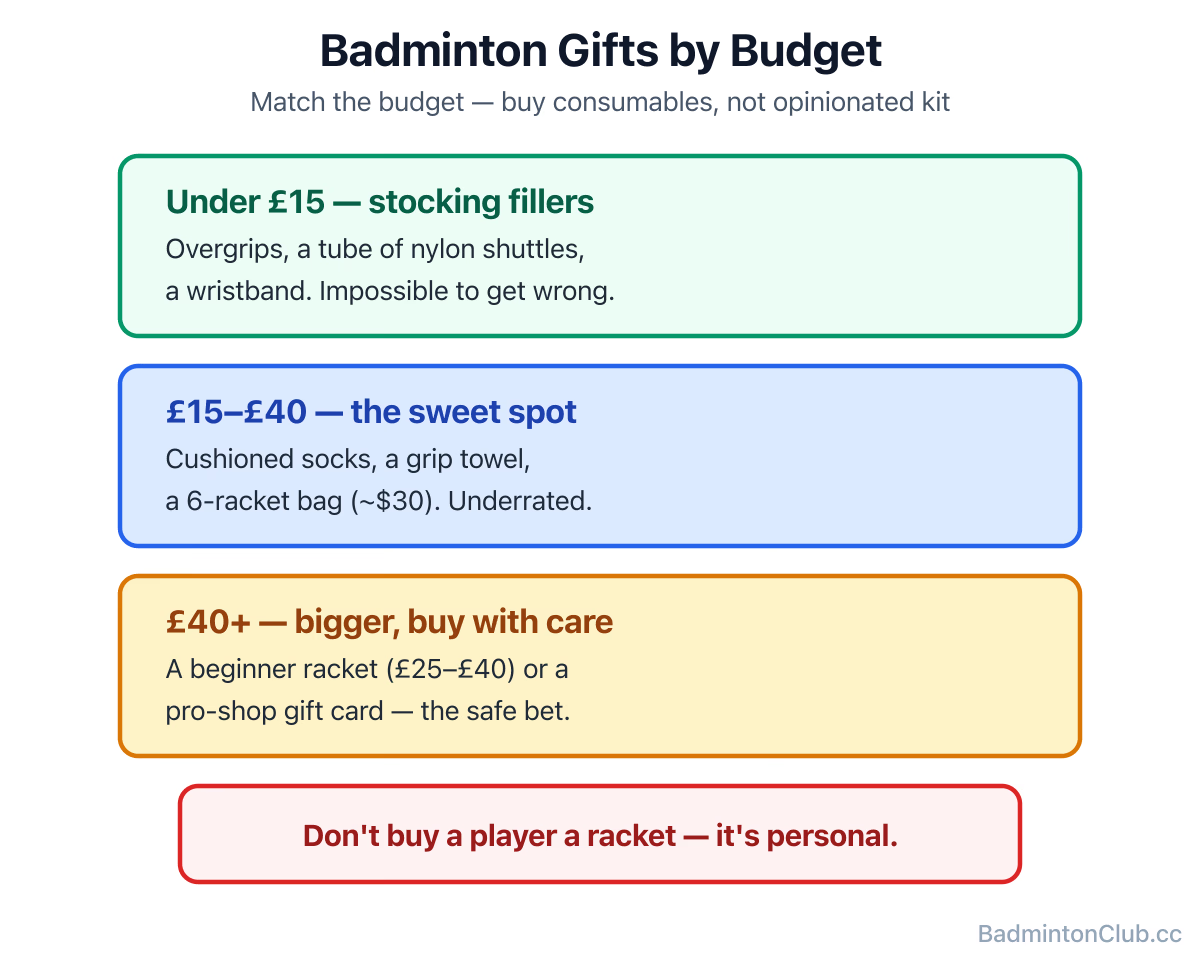
Stuck for badminton gift ideas? This is a by-budget guide from someone who actually plays: under-£15 stocking fillers like grips and nylon shuttles, the £15–£40 sweet spot of socks, towels and racket bags, and bigger gifts like a beginner racket or a pro-shop voucher. It also flags the well-meant gifts players quietly never use, so you buy something that gets taken to the next club night instead of the back of a drawer.
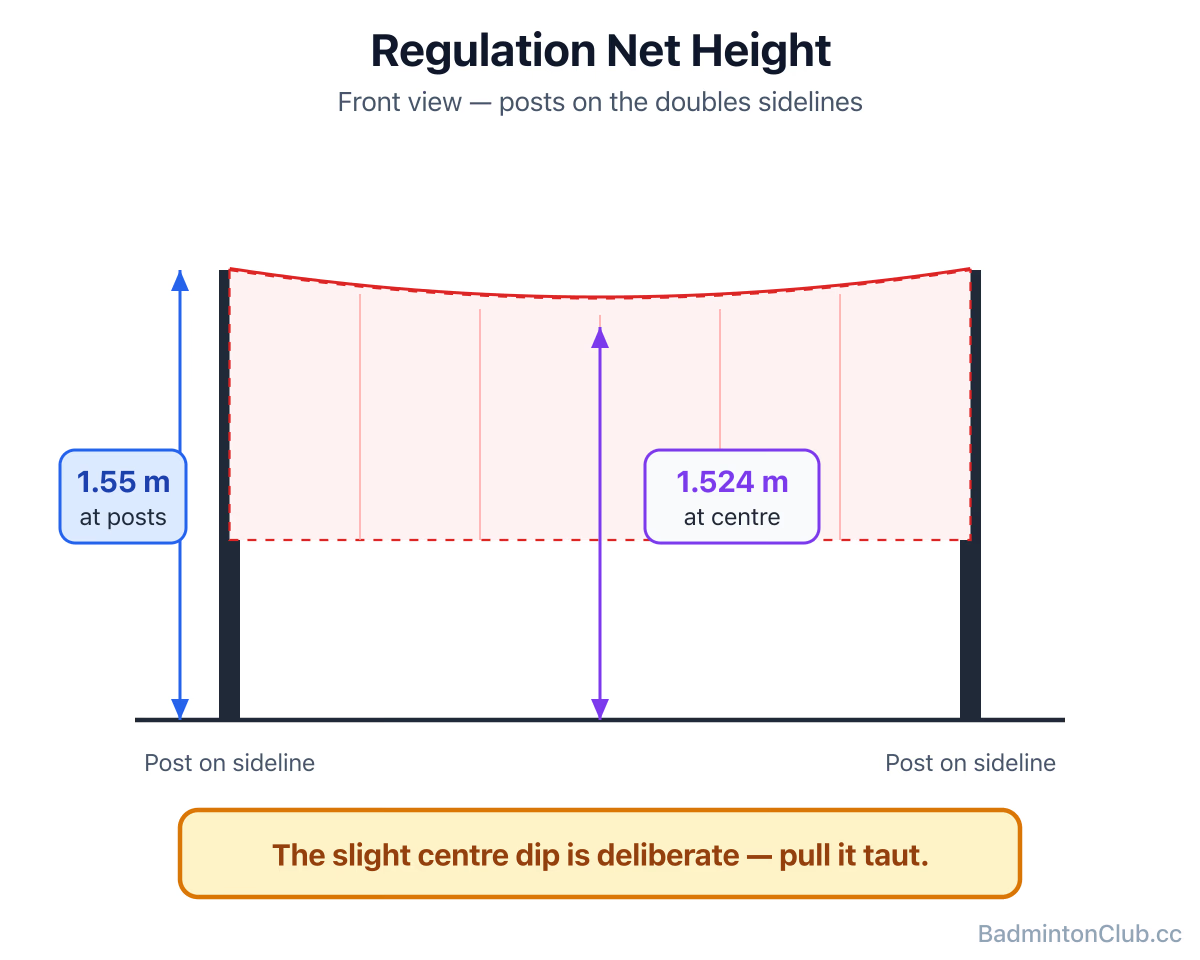
The regulation badminton net is 1.55 m high at the posts and 1.524 m at the centre — and setting up a court at home is mostly about space, not just the net. This guide gives you the exact net heights, the full court dimensions, how much clearance you really need around it, what surface works, and a realistic take on whether a proper home court fits your garden or whether a casual setup is the smarter call.
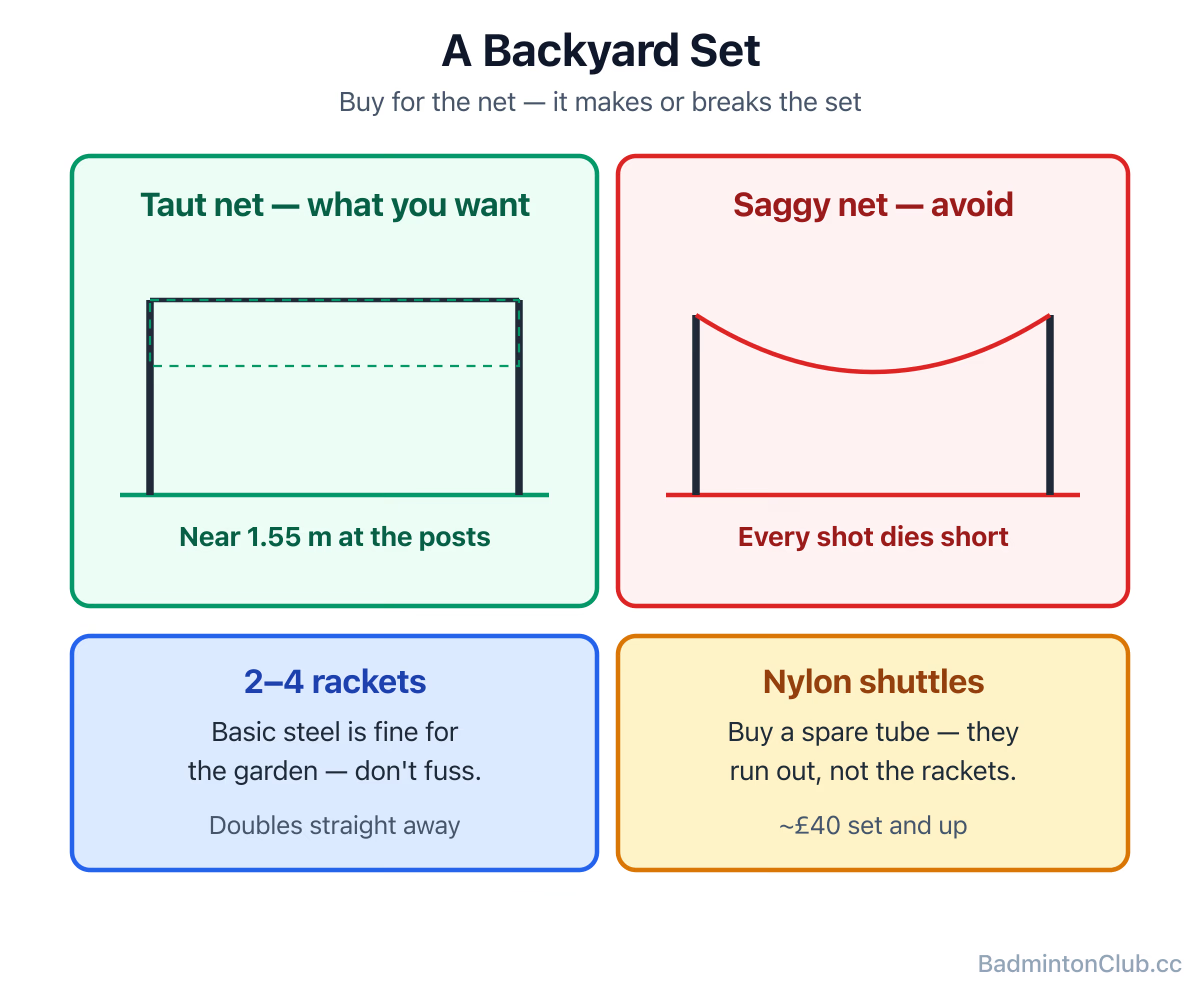
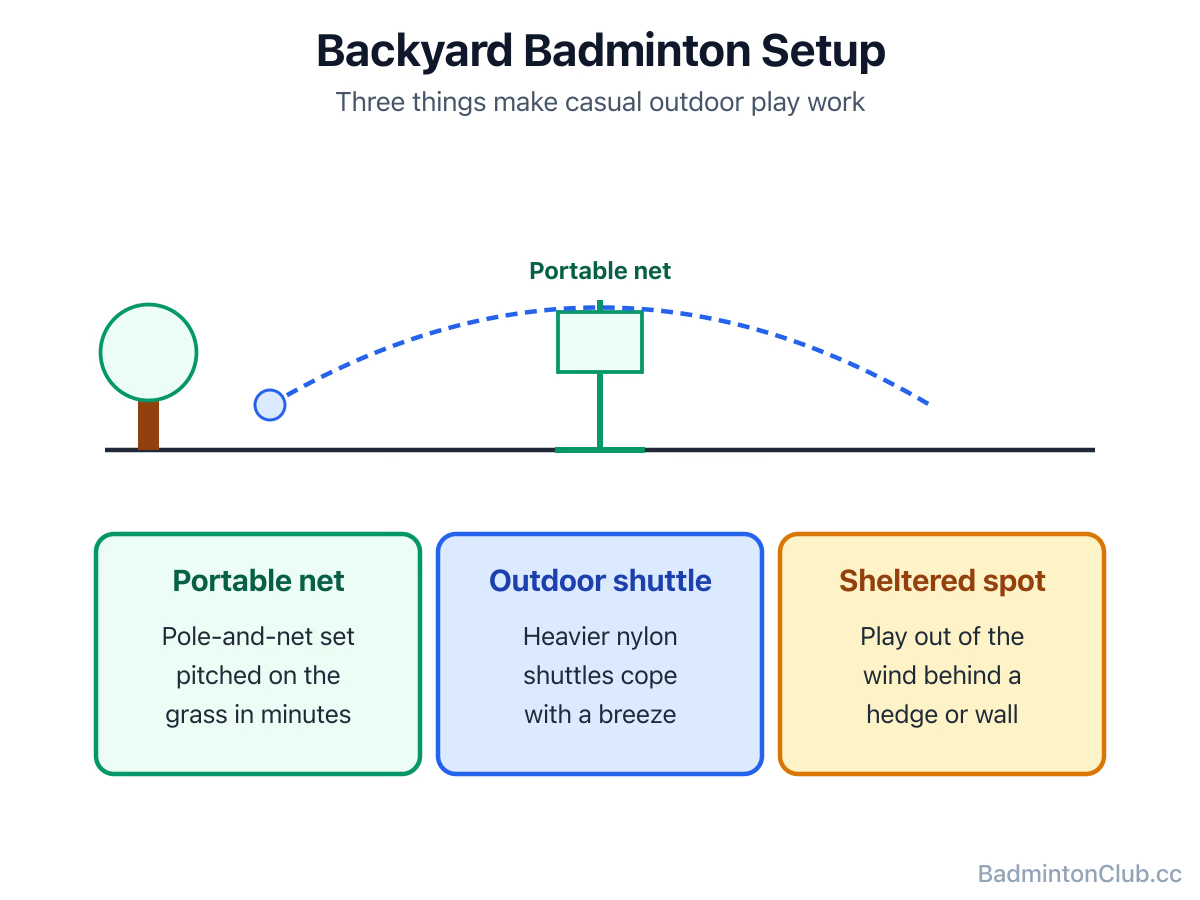
A backyard badminton set should get you playing in ten minutes — but the cheap ones sag, blow over and frustrate everyone by shot three. This guide explains what actually matters in a garden set: a net that holds a proper 1.55 m height under tension, staked versus freestanding posts, why nylon shuttles are the only sensible choice outdoors, and the realistic price bands, so you buy a set the family still uses next summer.
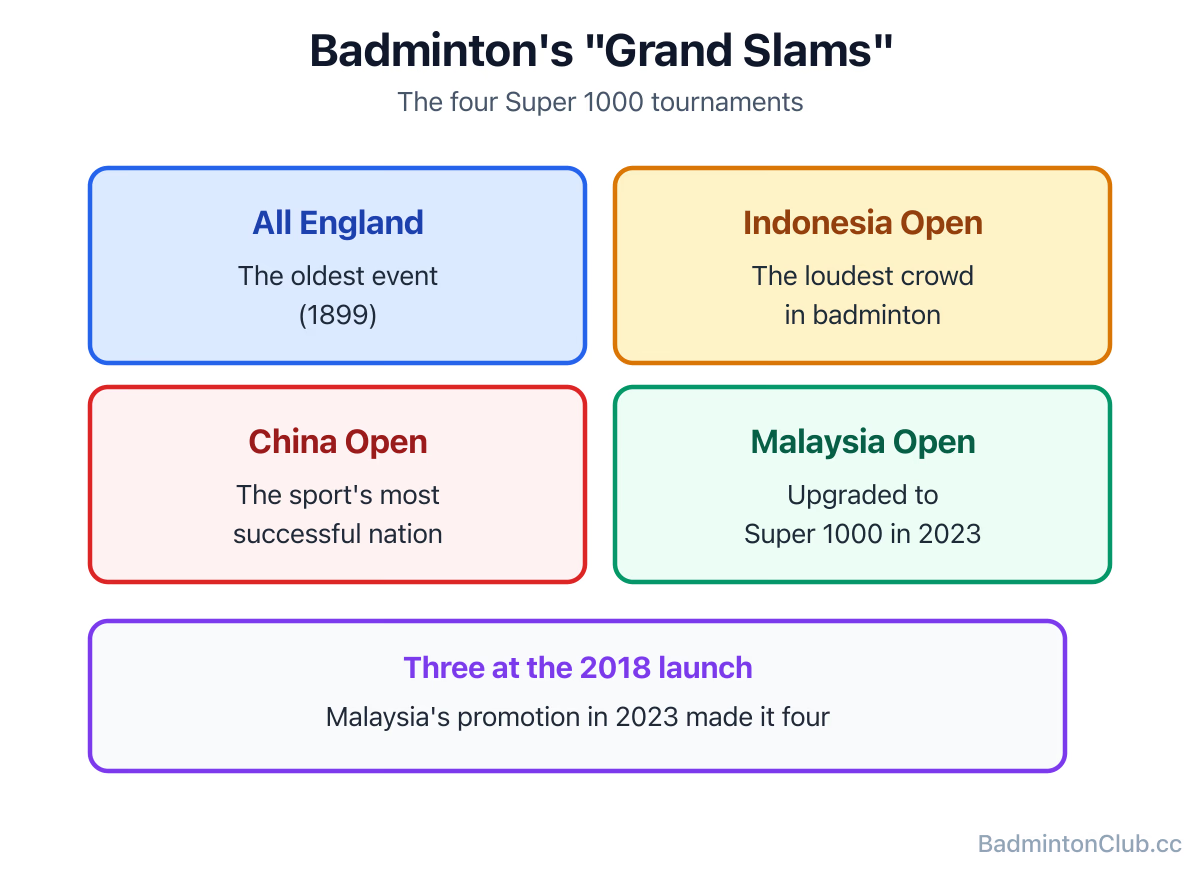
Badminton doesn't have official 'grand slams' like tennis — but the Super 1000 tournaments are widely treated as them: the All England, Indonesia Open, China Open and Malaysia Open. This guide explains what makes these four events the sport's biggest, how 'grand slam' is also used for a player winning every major title (Lin Dan's feat), and how the Super 1000s sit at the top of the BWF World Tour, with prestige and points to match.
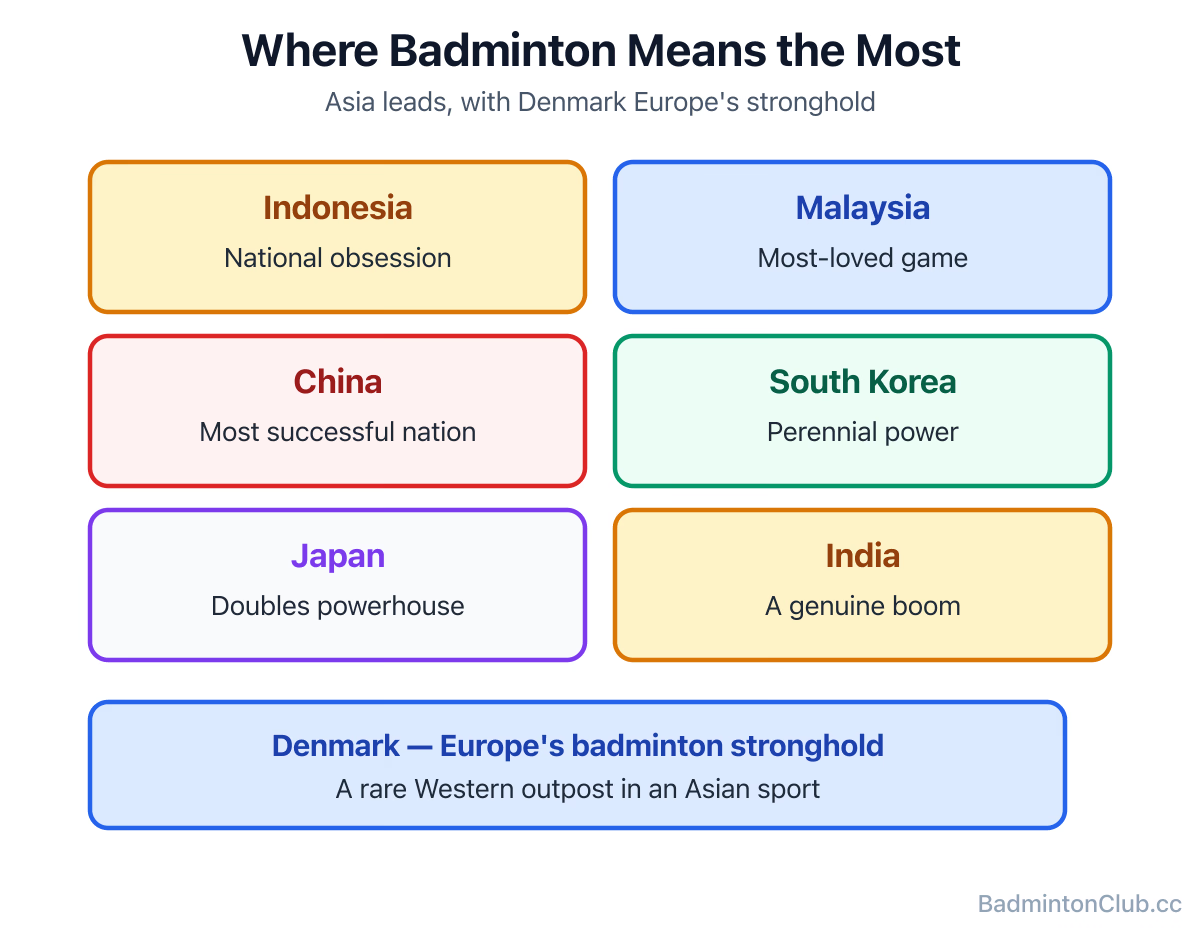
In some countries badminton isn't a hobby — it's a national obsession. This guide explains where badminton is the national or most-loved sport: Indonesia (where it's woven into the national identity), Malaysia, China, and its huge followings across Asia and northern Europe. It covers why the sport took such deep root in these places, how it became a source of national pride, and the players and team cups that turned badminton into more than a game.
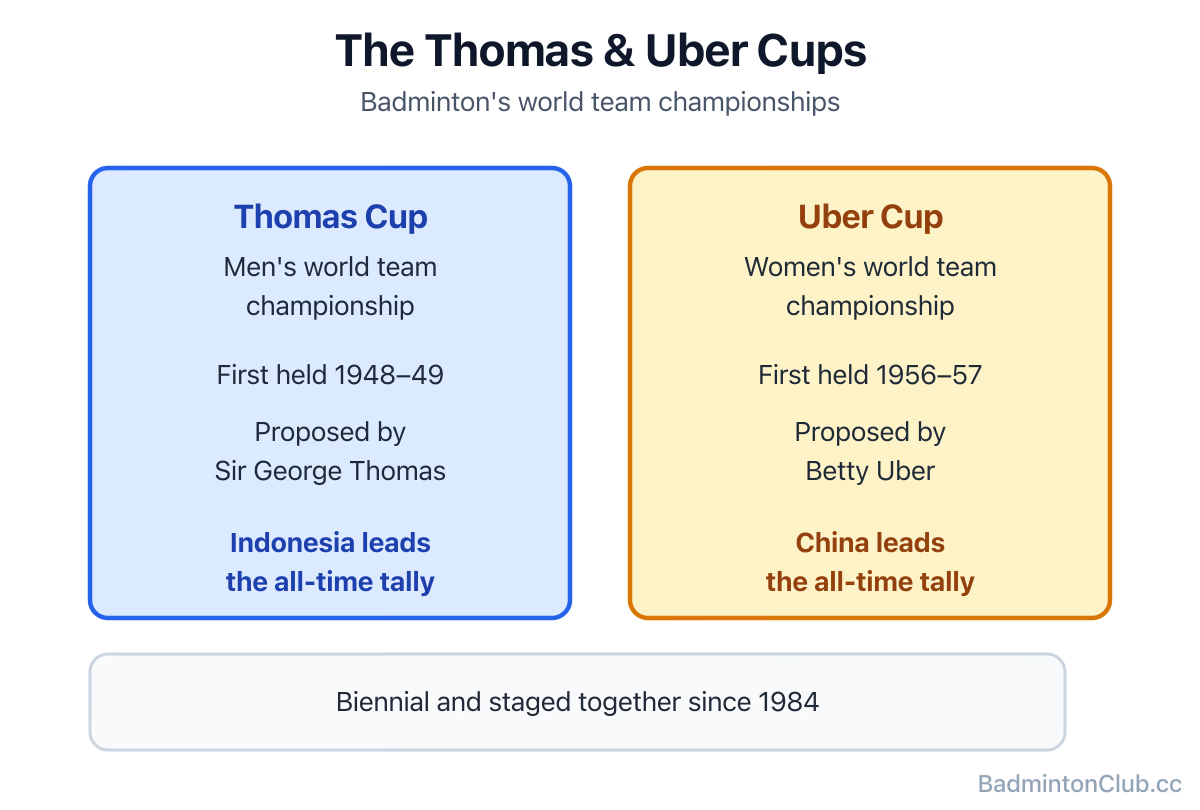
The Thomas Cup (men) and Uber Cup (women) are badminton's world team championships, where nations — not individuals — compete for the sport's most coveted team trophies. This guide explains their history (the Thomas Cup from 1948–49, the Uber Cup from 1956–57), how the tie format works, why Indonesia and China dominate the honours, and how these cups differ from the mixed-team Sudirman Cup — with the dates checked against the BWF.
First held in 1899, the All England Open is the oldest badminton tournament in the world and one of its most prestigious — a title every great player wants on their record. This guide covers its history from a Victorian church hall to a modern Super 1000 event, why winning it carries such weight, the legends who've dominated it (Lin Dan's six titles, the Danish and Indonesian eras), and how it fits into today's BWF World Tour.
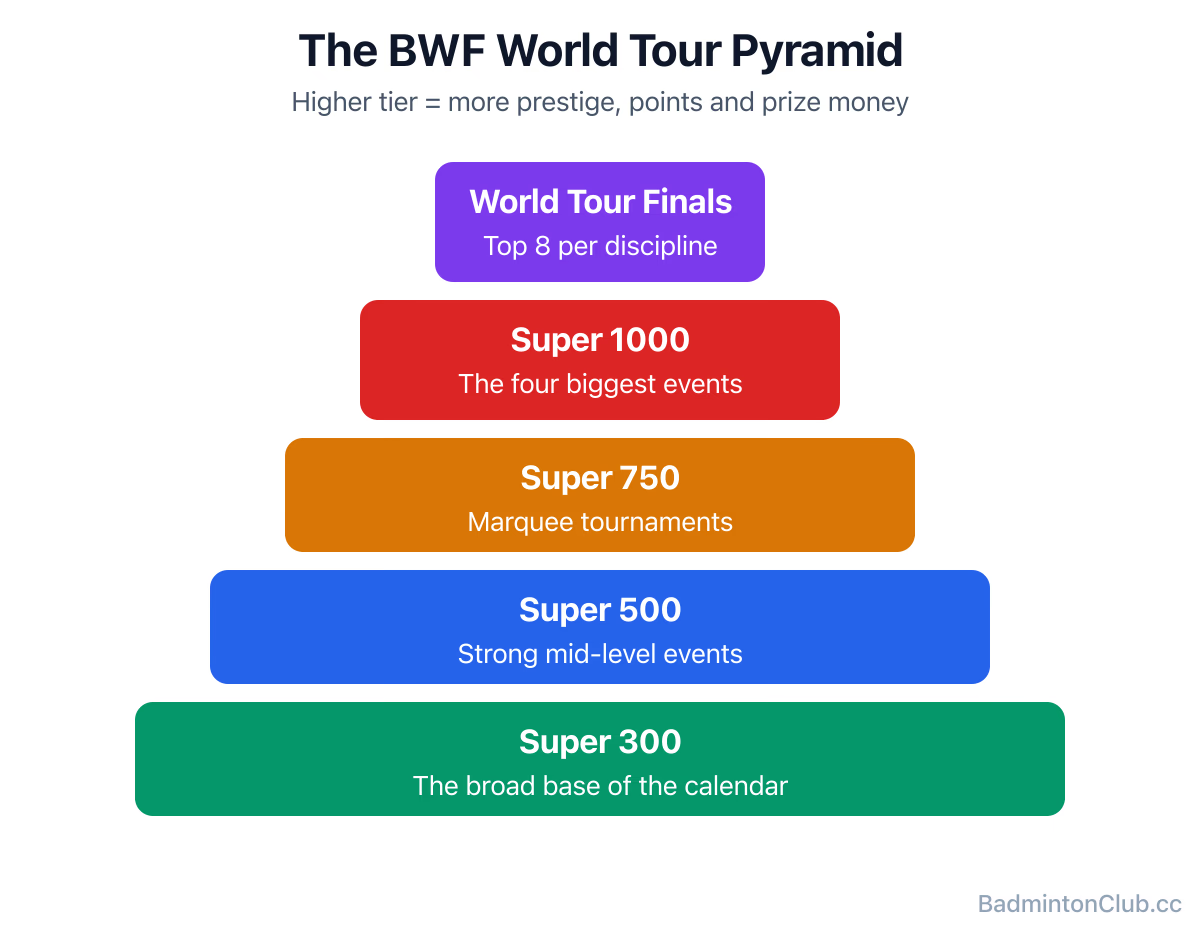
The BWF World Tour is professional badminton's main circuit: a season-long series of tournaments graded from Super 1000 down to Super 300, climaxing in the season-ending World Tour Finals. This guide explains the levels, how many events there are, how prize money and ranking points scale with prestige, how players qualify for the Finals, and how the Tour fits alongside the Olympics and the big team cups — with the structure checked against the BWF.
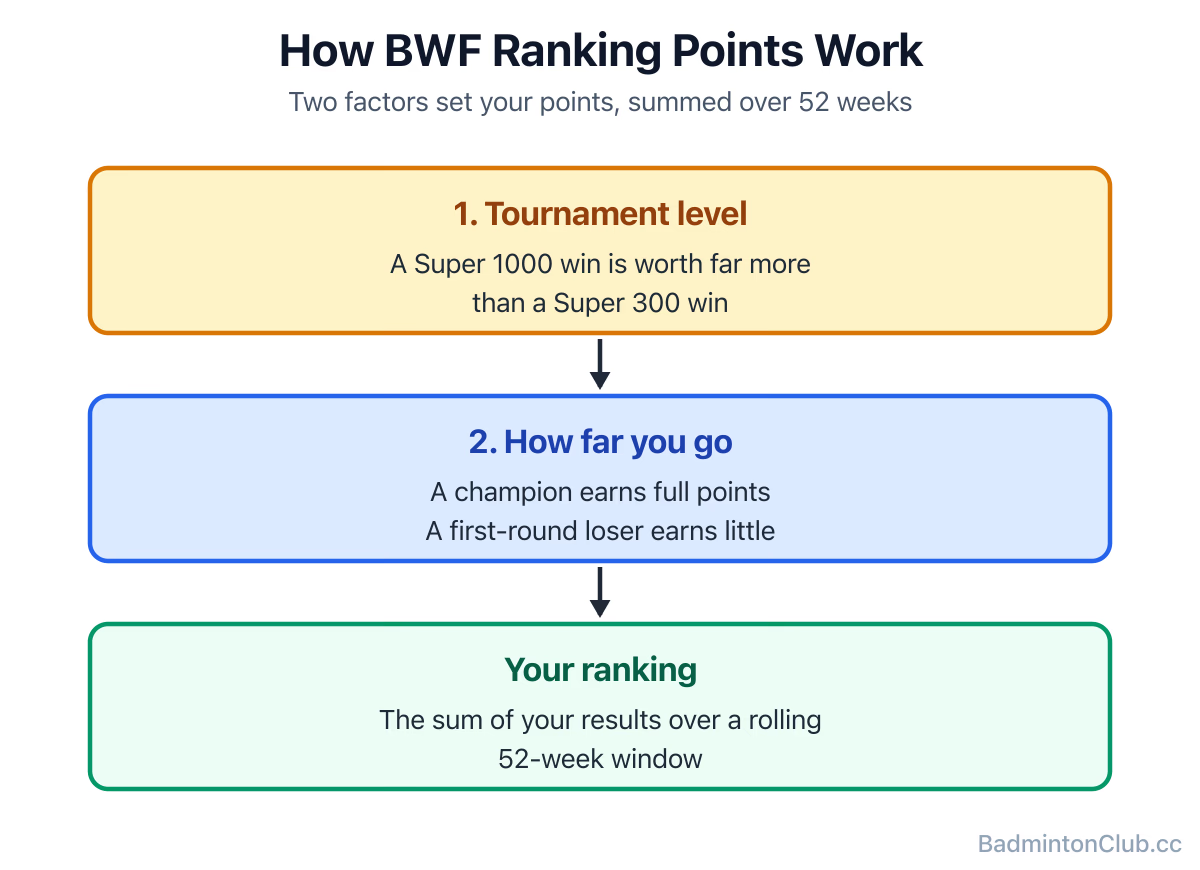
How do badminton world rankings actually work? The BWF World Ranking is a rolling 52-week points system: you earn points by how far you go at sanctioned tournaments, bigger events pay more, and only your best results count once you've played enough. This guide explains the points, the 'best 10' rule, why rankings decide tournament seeding and Olympic qualification, and the quirks that make a player's number jump or drop — checked against the BWF's own statutes.
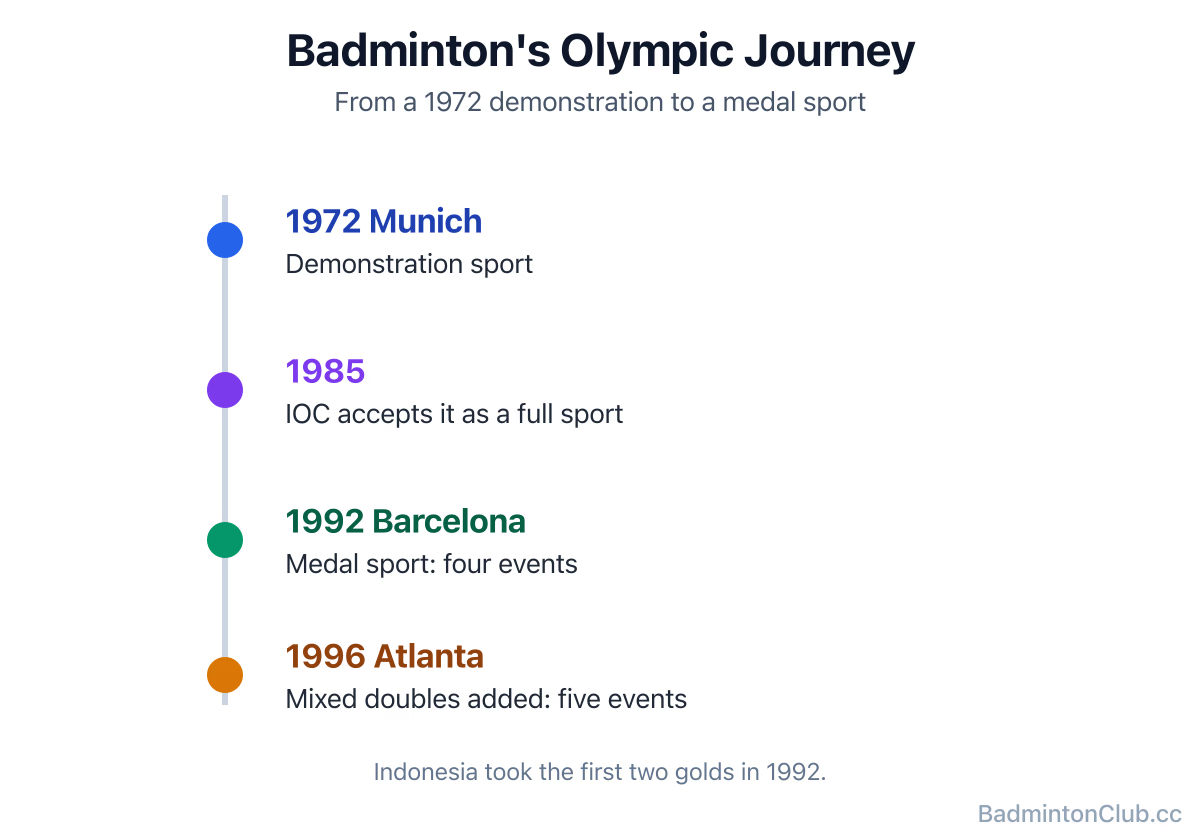
Is badminton an Olympic sport? Yes — it's been a full Summer Olympic medal sport since Barcelona 1992, with five events today and a roll of champions dominated by Asian and European nations. This guide covers when badminton joined the Games, the road from demonstration sport to medal sport, every Olympic event, and the countries that rule it. A concise, fully-sourced answer to a question a surprising number of people still ask.
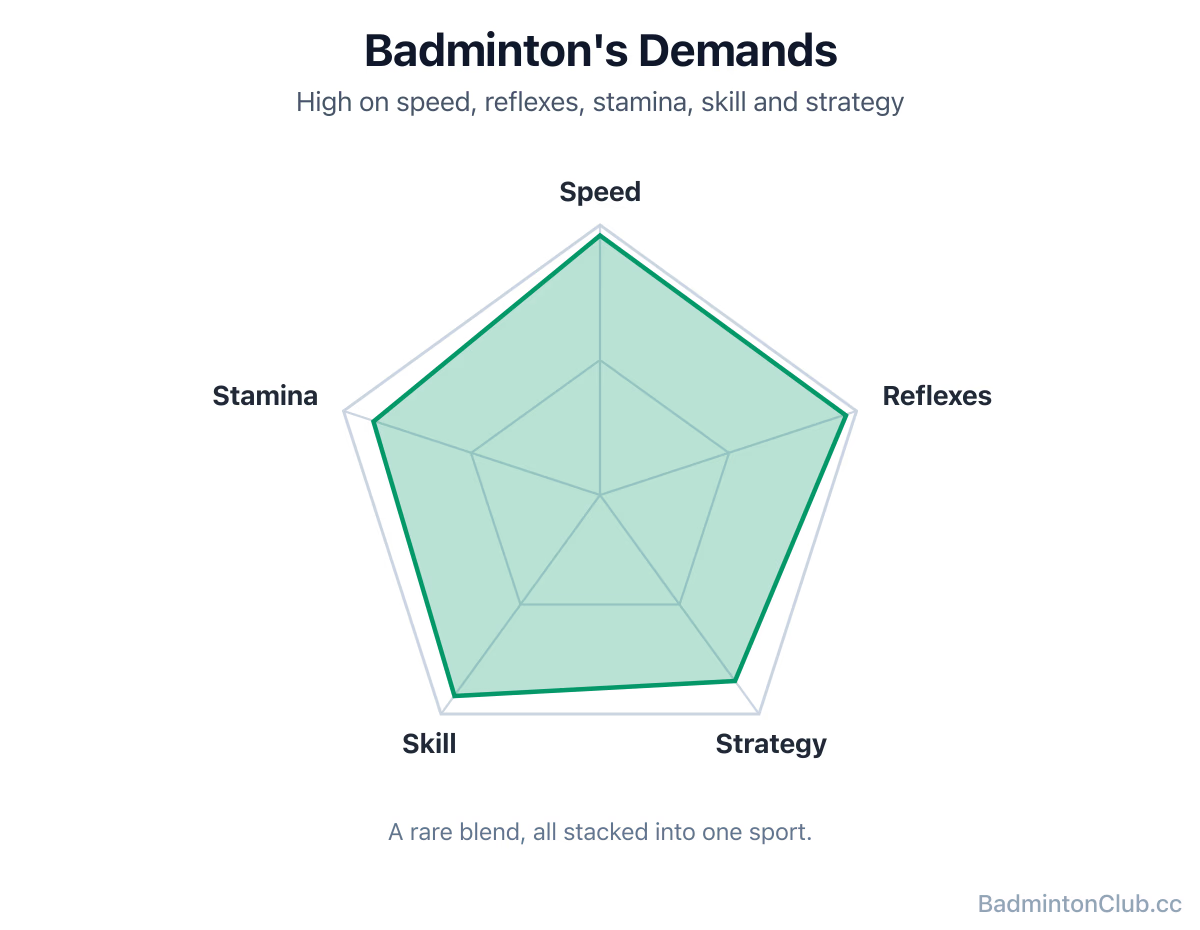
Is badminton the hardest sport? It has a serious claim: the fastest projectile of any racket sport, reaction windows under 0.4 seconds, 6+ km of explosive movement a match, and a skill ceiling that takes years. This piece weighs badminton's genuine difficulty honestly — where it truly is among the hardest, and where 'hardest sport' is marketing. A clear-eyed, sourced argument rather than a fan claim, so you can judge for yourself.
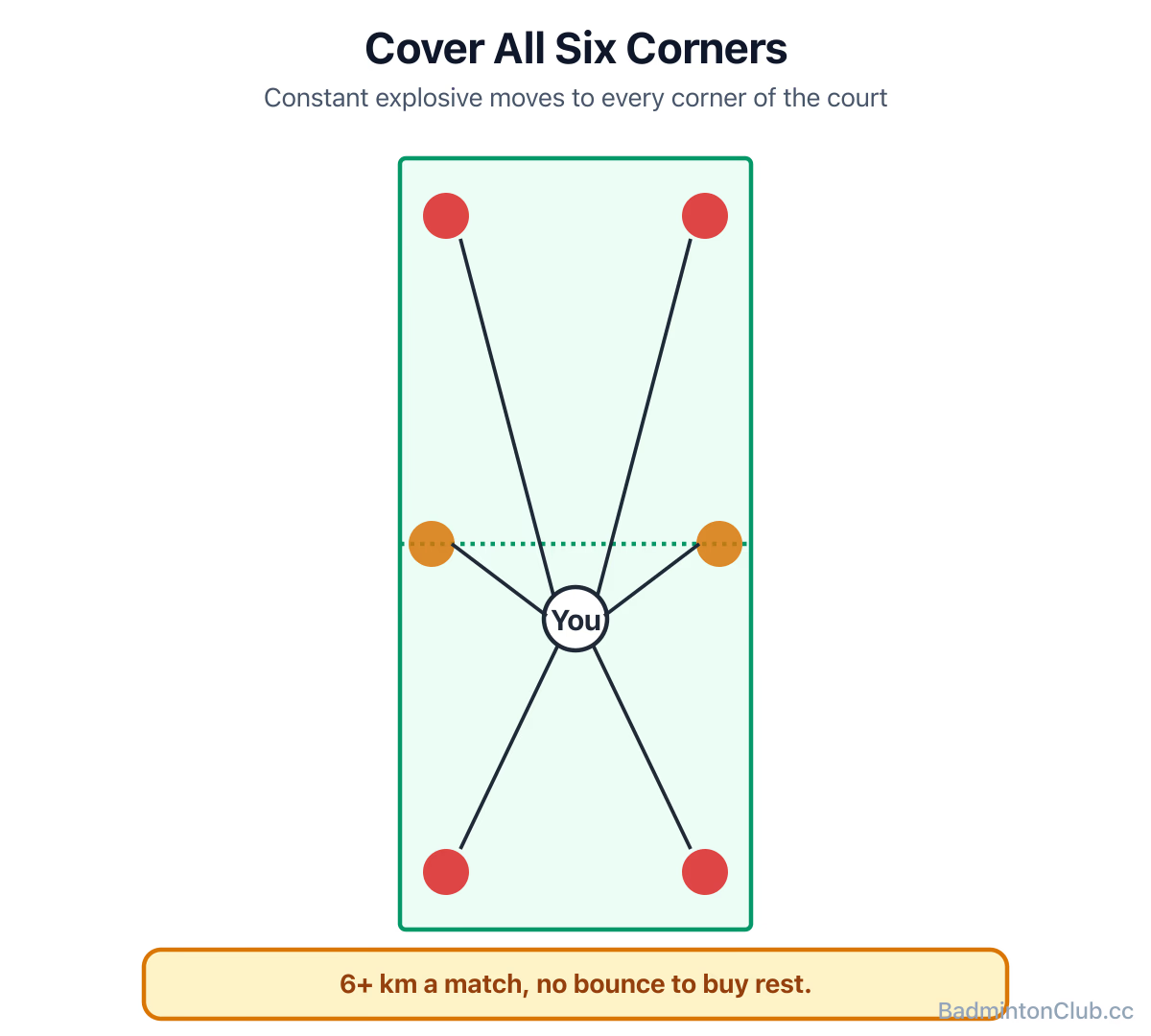
Why is badminton so tiring? Because the shuttle never bounces, so every shot is taken on the full with explosive lunges, jumps and constant direction changes — a singles player can cover 6+ km in a match. This guide explains exactly why badminton drains you so fast: the stop-start anaerobic bursts, the overhead and lunge load, and the grip-too-tight beginner trap. Then it covers how to build the stamina to stop fading in the third game.
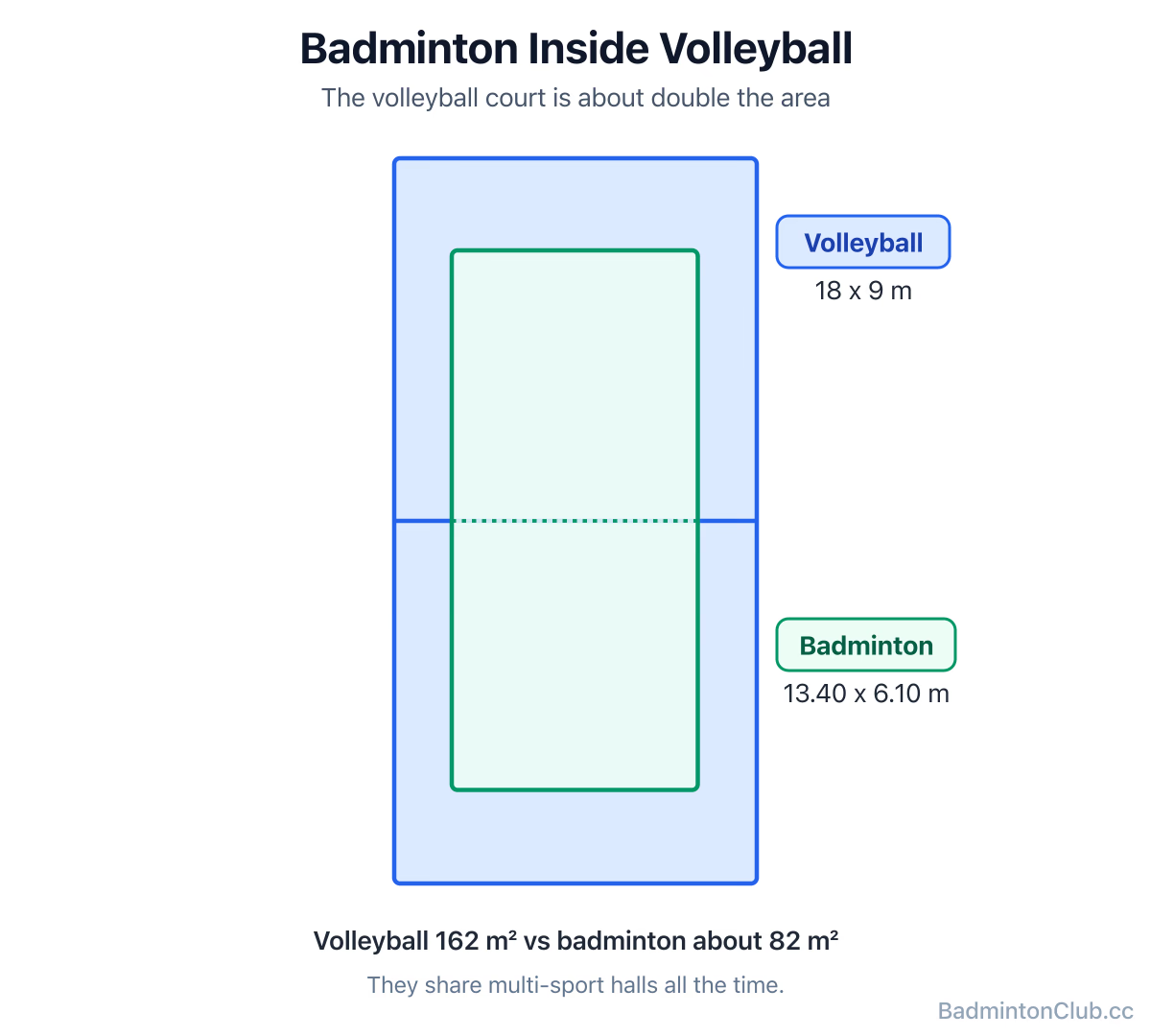
Badminton vs volleyball court is the comparison every sports-hall manager and curious player asks: both are indoor net sports, but the volleyball court is far larger and its net far higher. We lay out exact court dimensions, net heights for men and women, the shared sports-hall reality, and why two net sports of such different scale often live on the same floor. Clear numbers, side-by-side, with the practical detail behind the figures.
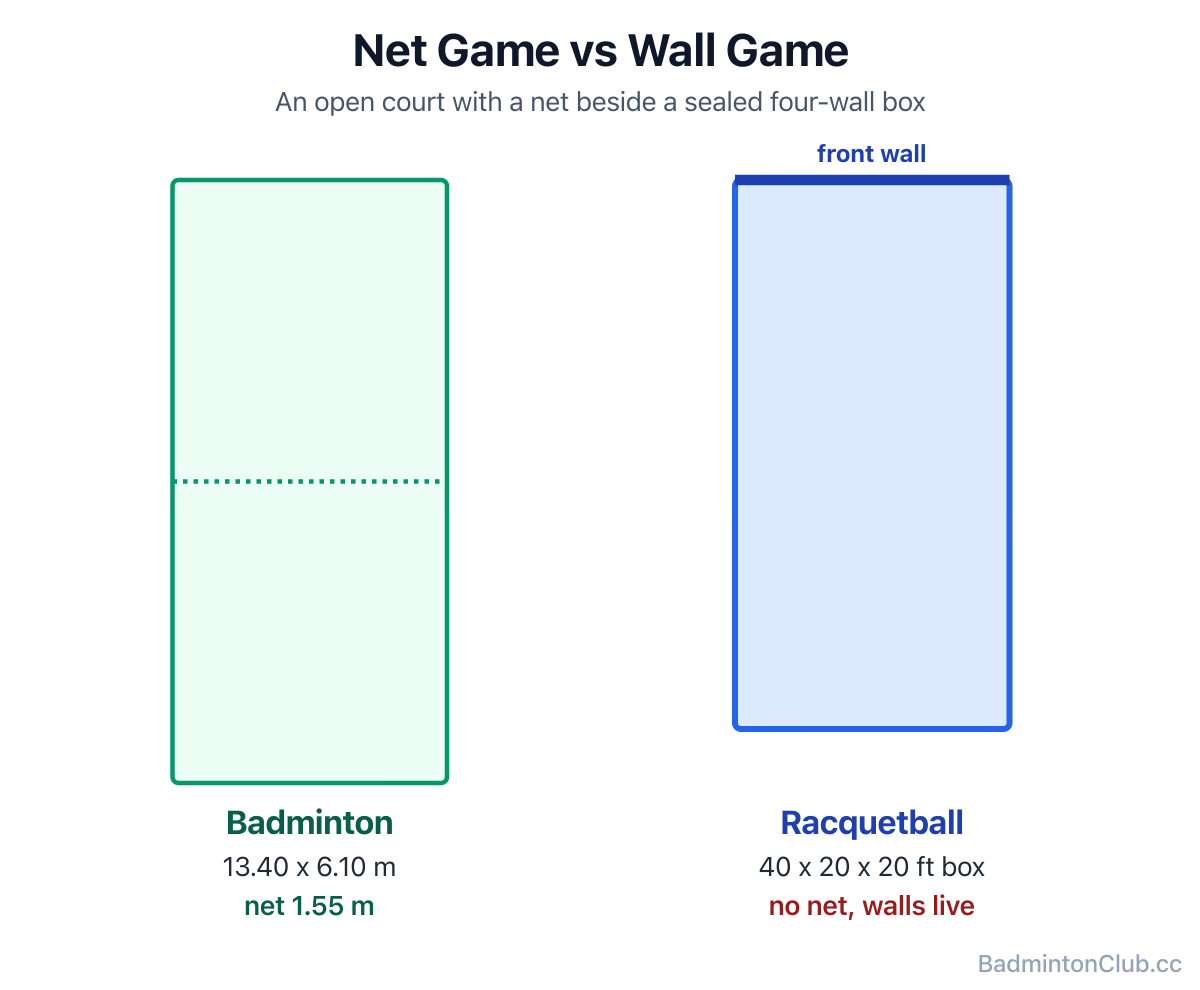
Badminton vs racquetball sets a high-net court sport against an enclosed four-wall game where every surface is in play. We compare court dimensions, how the shuttle and the rubber ball behave, rally style, ball speed, scoring and fitness demands — and explain why a sport with no net at all feels so different from one defined by a 1.55 m net. If you've played one and are curious about the other, this is the clear, numbers-led comparison.
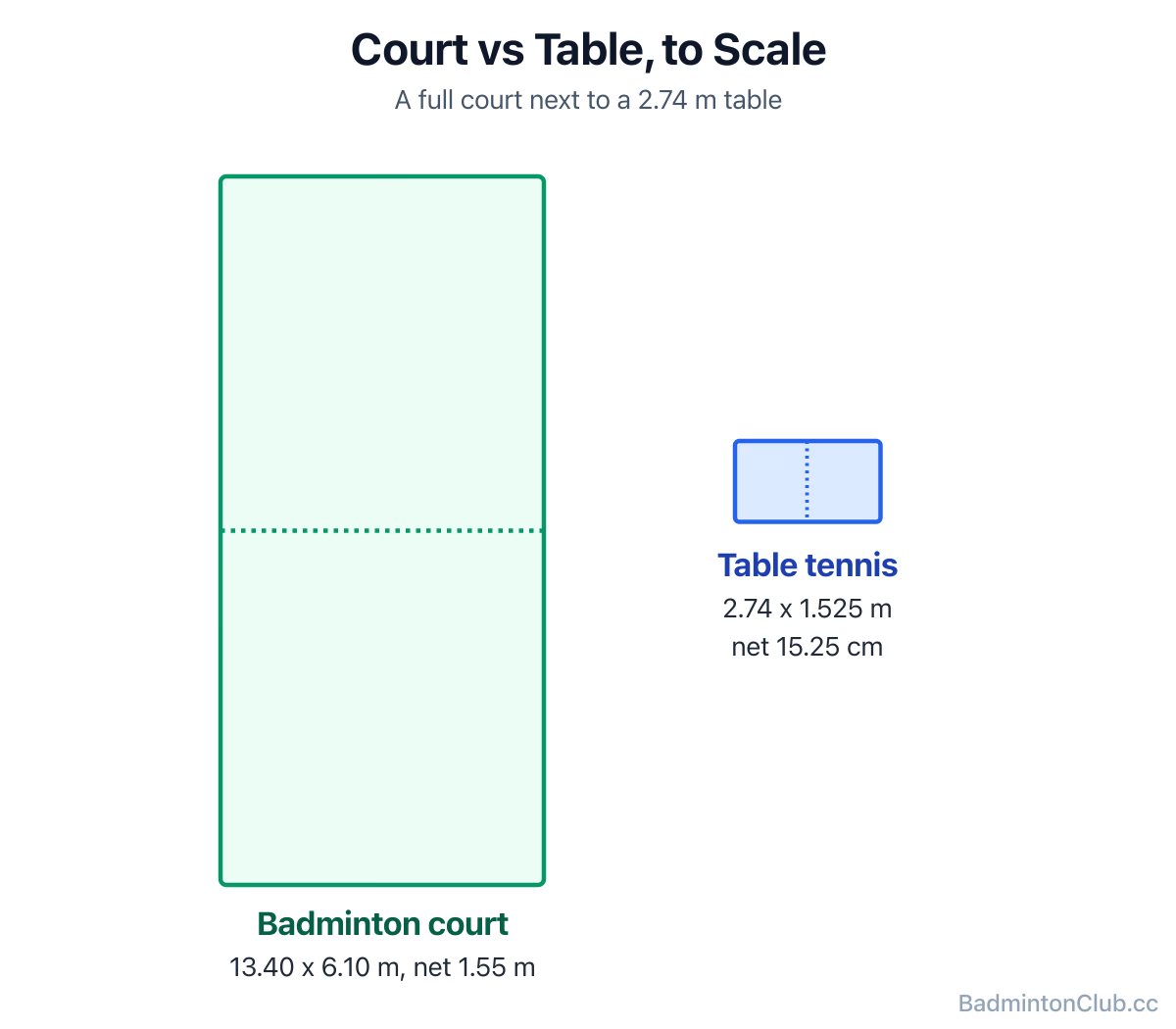
Badminton vs table tennis compares the two fastest-reflex racket sports — one played over a high net on a full court, the other across a 2.74 m table. We break down the playing surface, equipment, how spin and shuttle aerodynamics work, scoring, and the very different fitness demands. Both demand lightning hands, but one is a whole-body running game and the other a stationary battle of spin and reaction. Here's how they really compare.
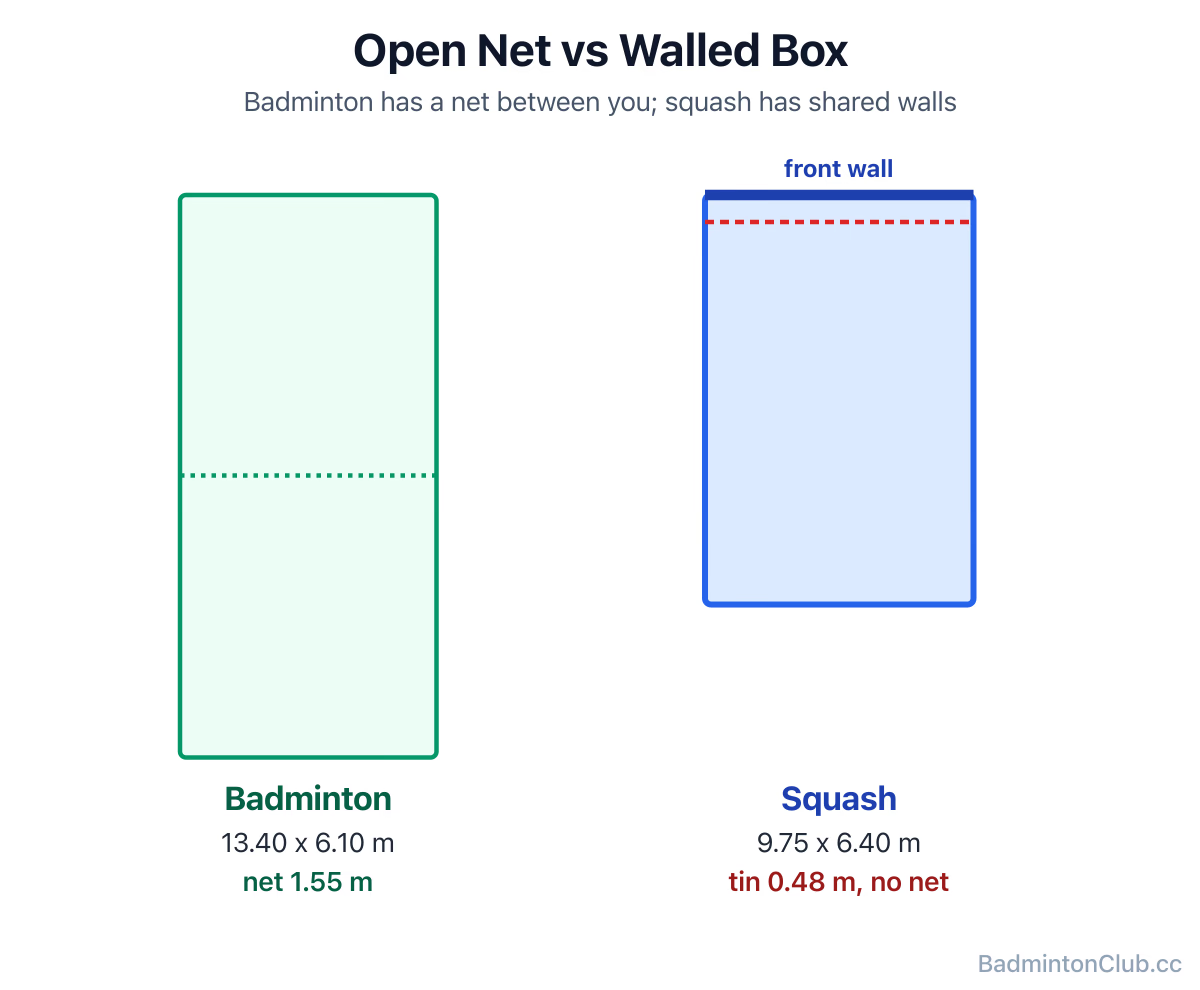
Badminton vs squash pits two of the most physically punishing indoor racket sports against each other: one played over a high net, the other off four walls. We compare court dimensions, how the ball or shuttle behaves, rally style, calorie burn and injury risk — and give a straight answer on which is the harder workout. Both will wreck your legs; the reasons they do are completely different, and that's what this breakdown is really about.
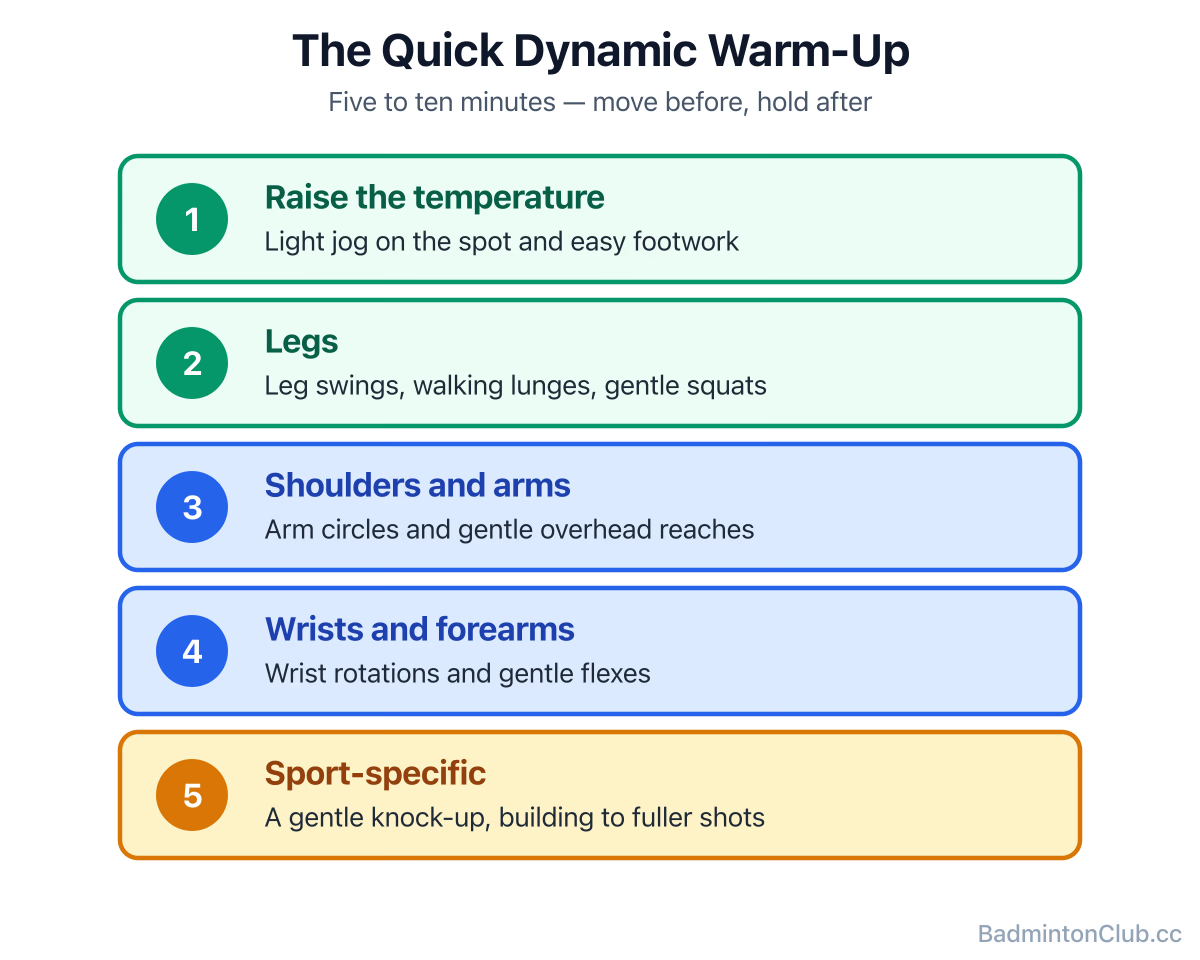
The right stretches before badminton are dynamic, not static: leg swings, lunges, arm circles and gentle shuttle rallies that warm the muscles you're about to load, rather than holding long stretches that can leave you flat. This guide gives a quick pre-game routine targeting the calves, hamstrings, hips, shoulders and forearms that badminton hammers, explains why static stretching belongs after you play, and helps you skip the strains that sideline players.
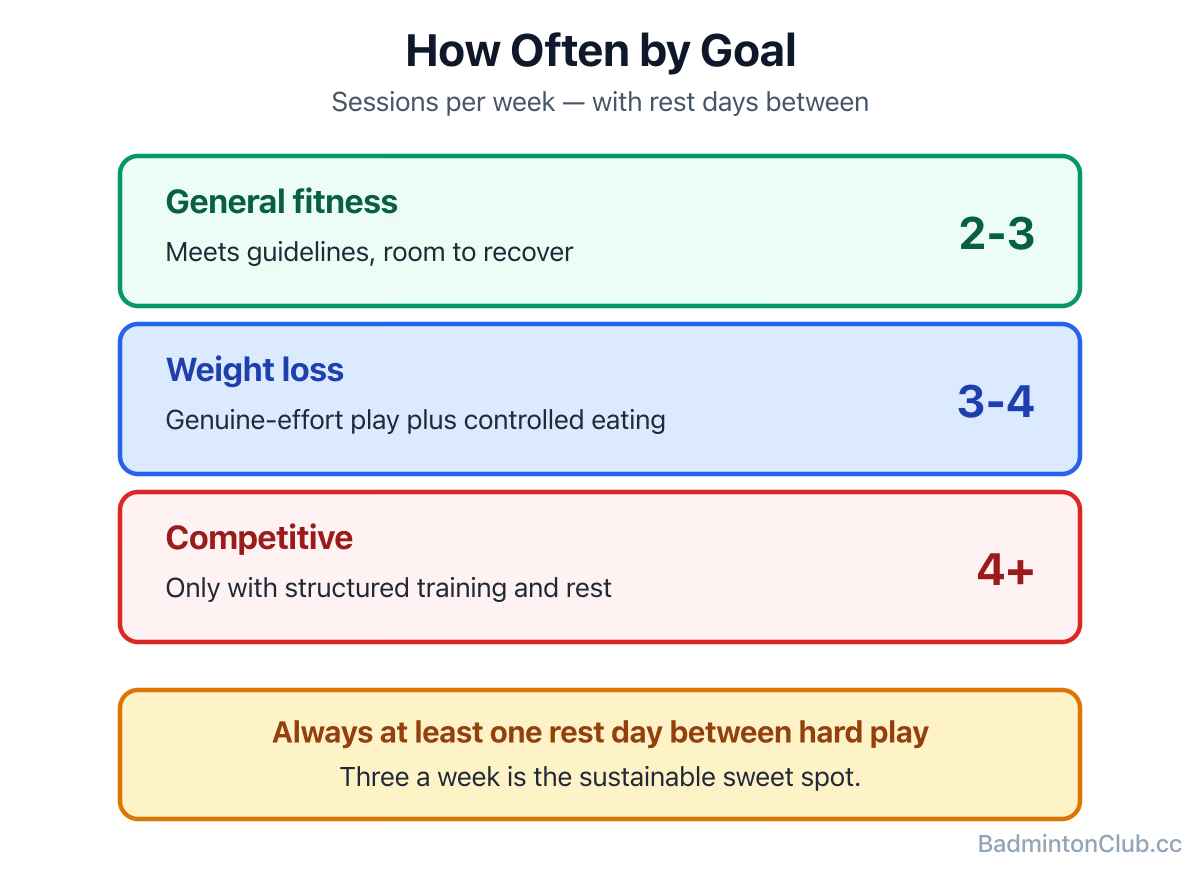
How often you should play badminton depends on your goal: two to three sessions a week suits general fitness and improvement, three to four helps weight loss, and serious players train more — but recovery is the limit nobody respects. This guide gives clear weekly targets by goal, explains why rest days matter as much as court time, how to tell if you're overdoing it, and how beginners should ramp up without burning out or picking up an overuse injury.
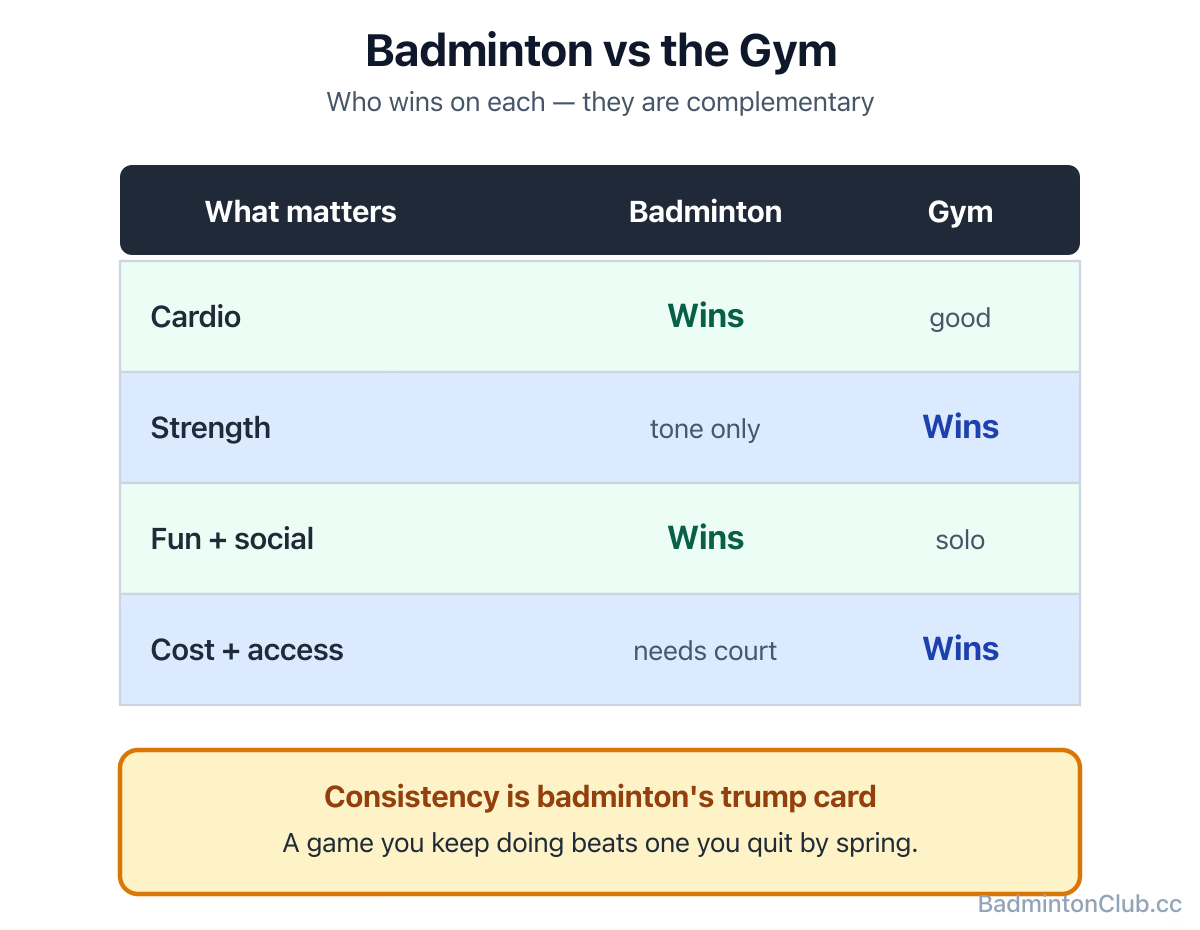
Badminton vs the gym isn't really a fair fight — they're good at different things. Badminton wins on cardio, agility, fun and the social glue that keeps you exercising for years; the gym wins on building raw strength, muscle size and targeted training you fully control. This guide compares them honestly on calorie burn, fitness type, injury risk, cost and — the one that decides everything — which you'll actually keep doing, then explains why the smart answer is usually both.
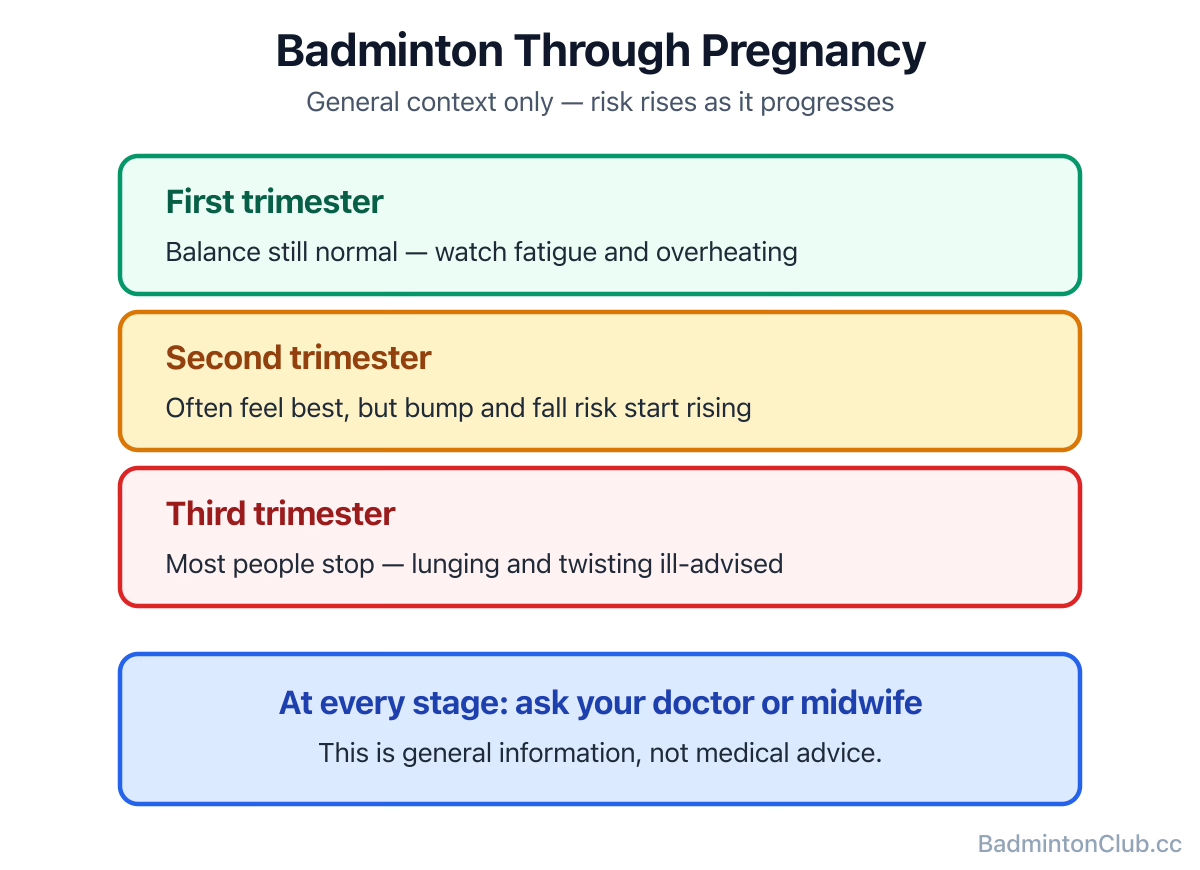
Can you play badminton while pregnant? This is general information, not medical advice — always ask your doctor or midwife — but health guidance (ACOG, NHS) recommends staying active in healthy pregnancy while avoiding sports with fall, balance or abdominal-impact risk. Badminton's lunging, twisting, overhead reaching and overheating raise specific concerns, especially as your bump grows and your balance shifts. Here's an evidence-based look at the risks, what changes trimester by trimester, and the safer alternatives.
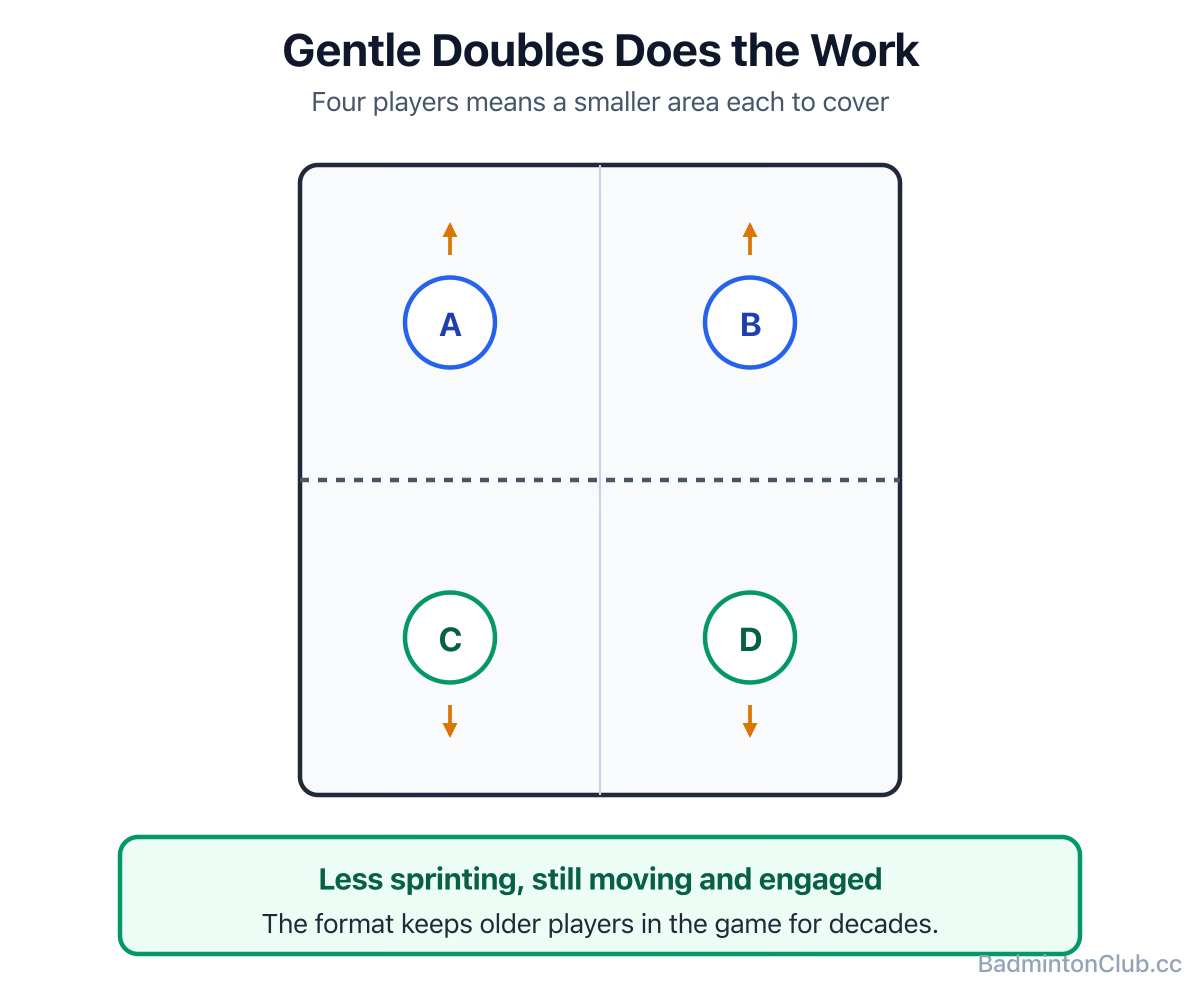
Badminton is one of the best sports for older adults: it protects the heart, sharpens balance to prevent falls, keeps the mind quick, and is intensely social — and it can be scaled to almost any fitness level. This guide covers the real benefits for seniors, the genuine risks to manage (joints, falls, sudden sprints), how to start or return safely later in life, and why gentle doubles is the format that keeps people playing well into their seventies and beyond.
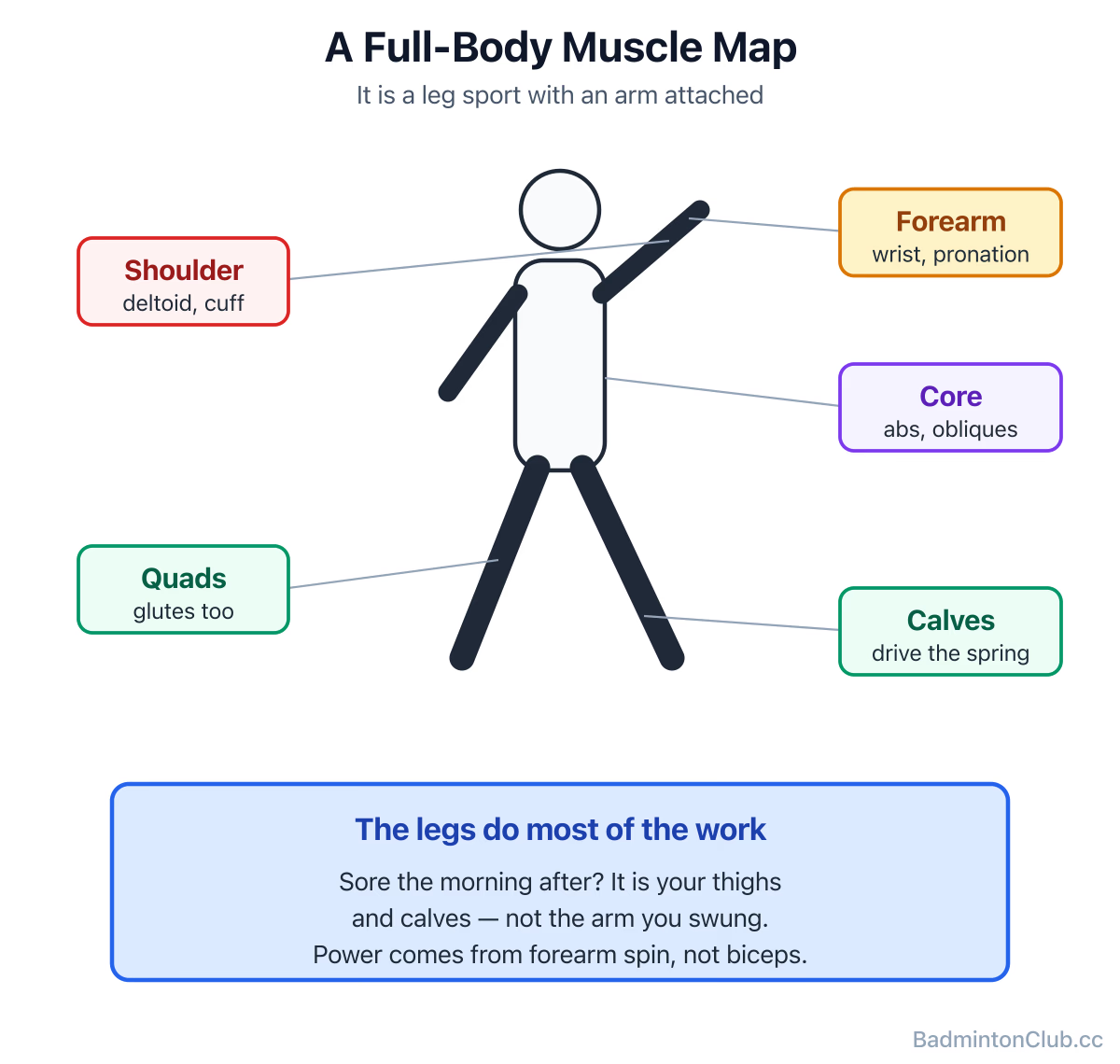
Badminton is a full-body sport, and this maps exactly which muscles do the work: the quads, glutes and calves that power your lunges and jumps, the core that drives every rotation, and the shoulder and forearm muscles behind the smash. You'll learn which muscle group does what on court, why the forearm matters more than the biceps for power, and which muscles to strengthen and stretch to hit harder and avoid the sport's classic injuries.
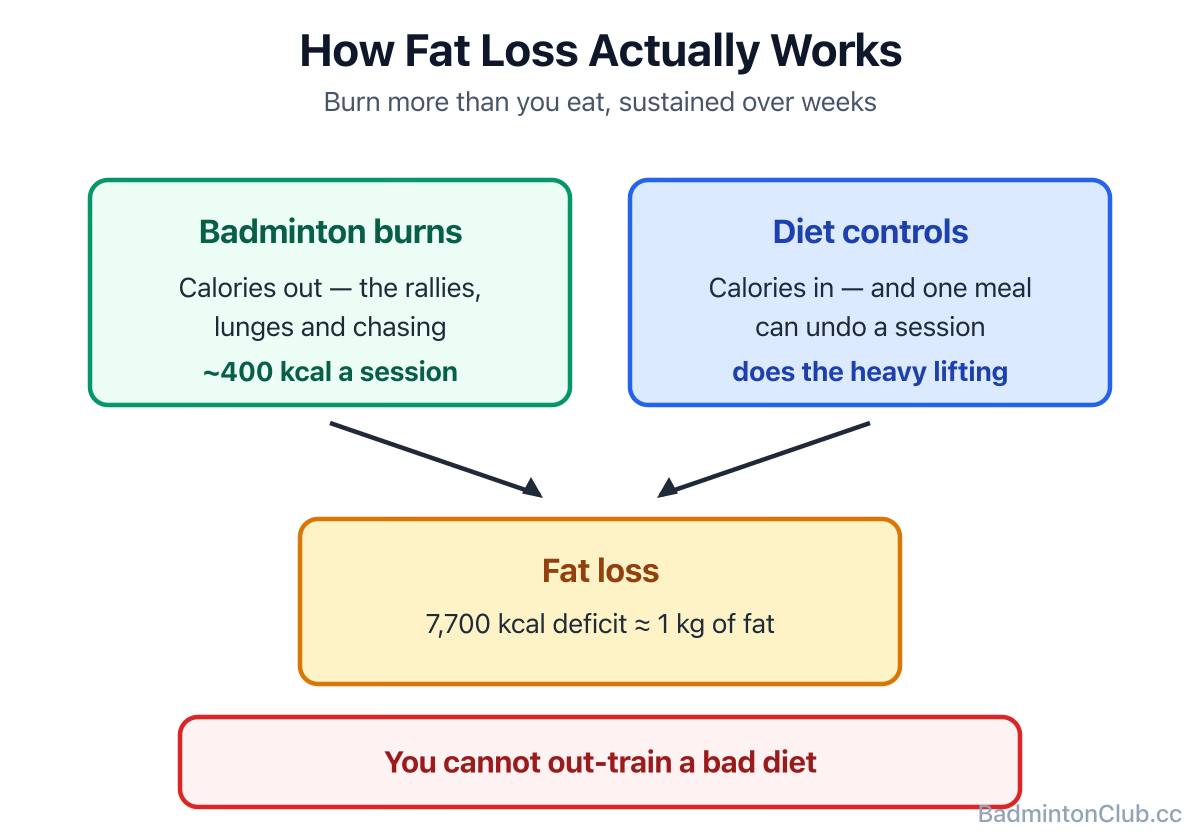
Badminton can absolutely help you lose weight — it burns 300–450+ calories an hour and is fun enough to keep doing — but the honest truth is that diet does the heavy lifting and you can't out-play a bad one. This guide explains how to use badminton for fat loss: how much to play, how to make sessions burn more, why intensity beats duration, and how to combine it with eating habits so the scale actually moves and stays moved.
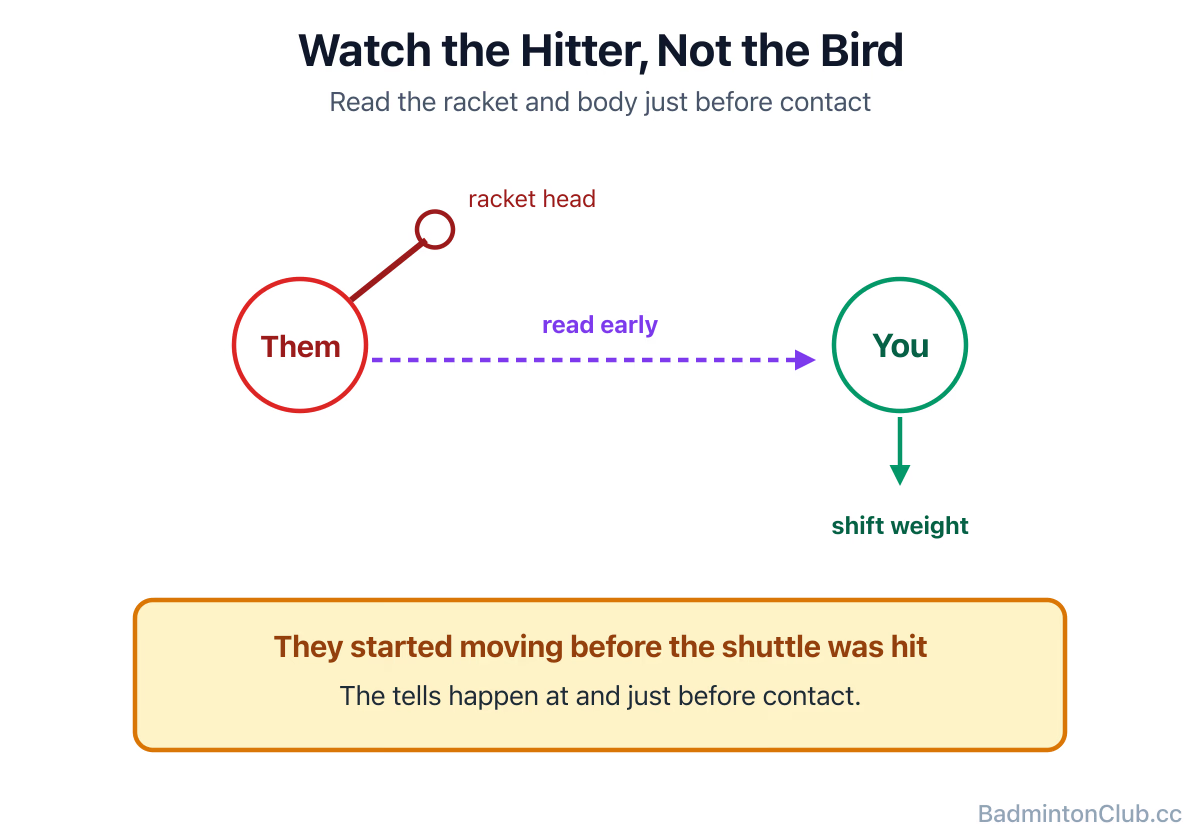
The best badminton players seem to reach everything — not because they're faster, but because they read the shot before it's hit. This guide explains how to read your opponent in badminton: the body and racket tells that give away a smash or a drop, how to anticipate from court position and patterns, why you watch the racket head not the shuttle, and how to disguise your own shots so you can't be read. Anticipation is a trainable skill that makes a slow player quick.
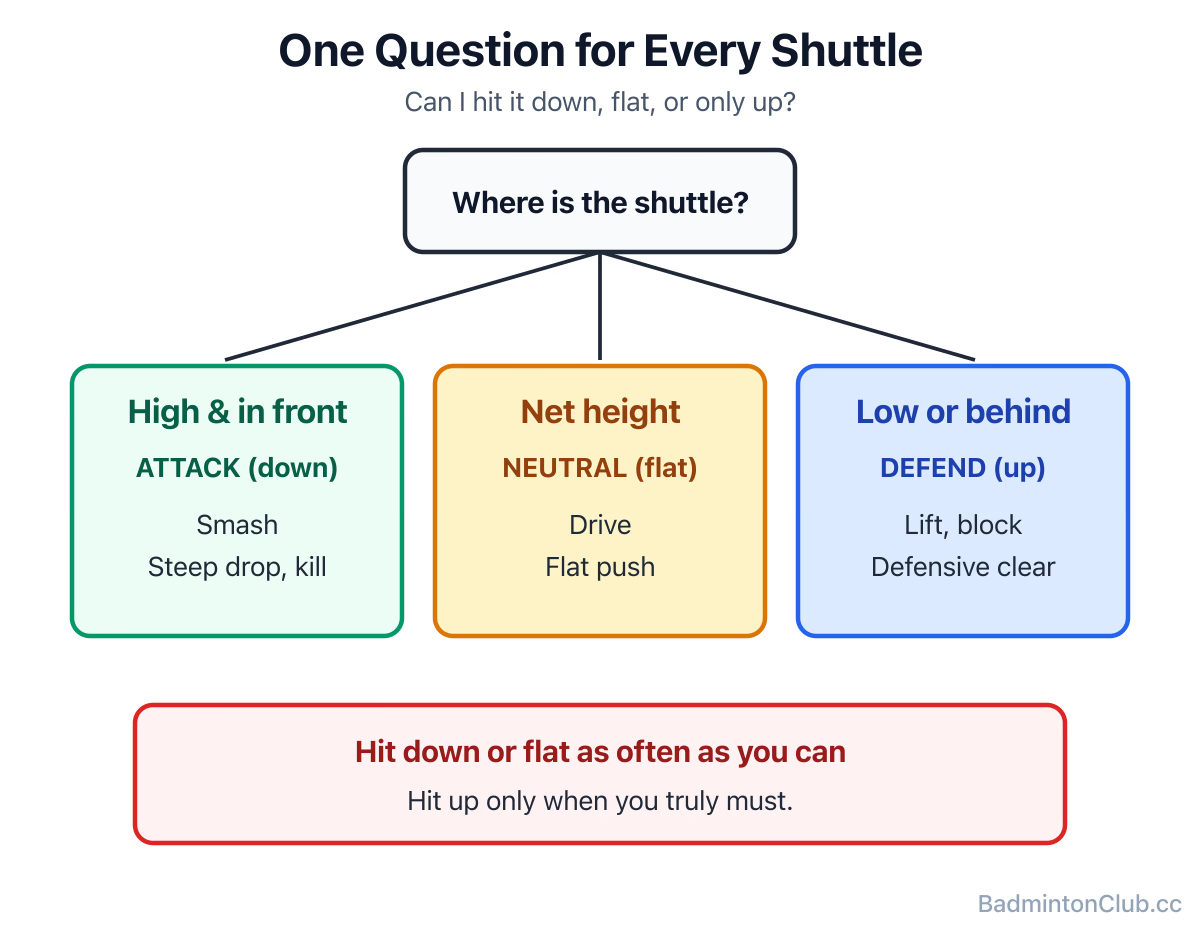
Knowing every shot is useless if you pick the wrong one — shot selection is the strategy skill that ties technique to tactics. This guide gives you a simple framework for badminton shot selection: read whether you're attacking, defending or neutral, hit down when you can and up only when you must, pick shots you can recover from, and stop trying to hit winners from defensive positions. Practical decision-making that instantly raises your game without a single new stroke.
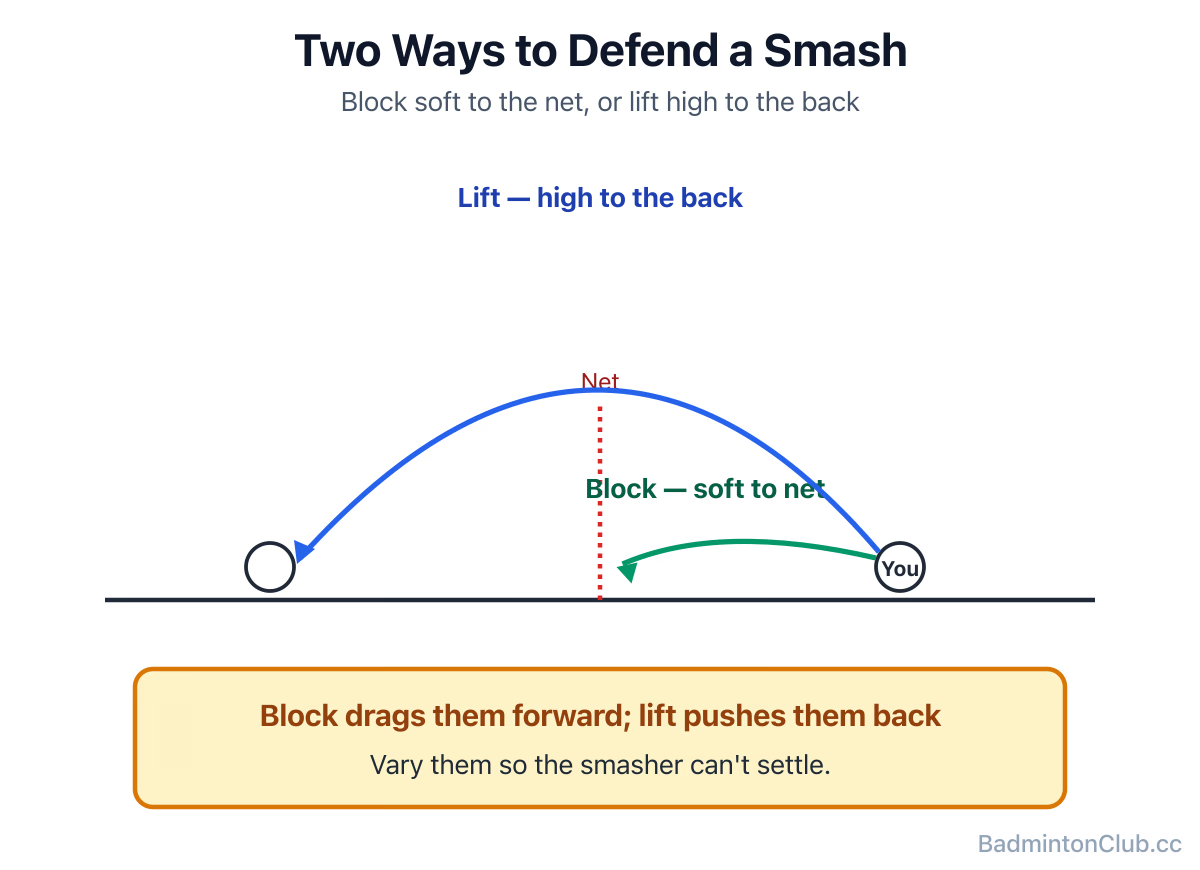
Defending a smash, you have two main replies: lift it high to the back, or block it soft to the net — and choosing right is what separates good defence from desperate defence. This guide explains when to lift vs block in badminton, what each shot does to your opponent, where to place them, and why varying the two keeps a smasher guessing. Practical defensive decision-making for club players who currently just panic and hope the shuttle goes back.
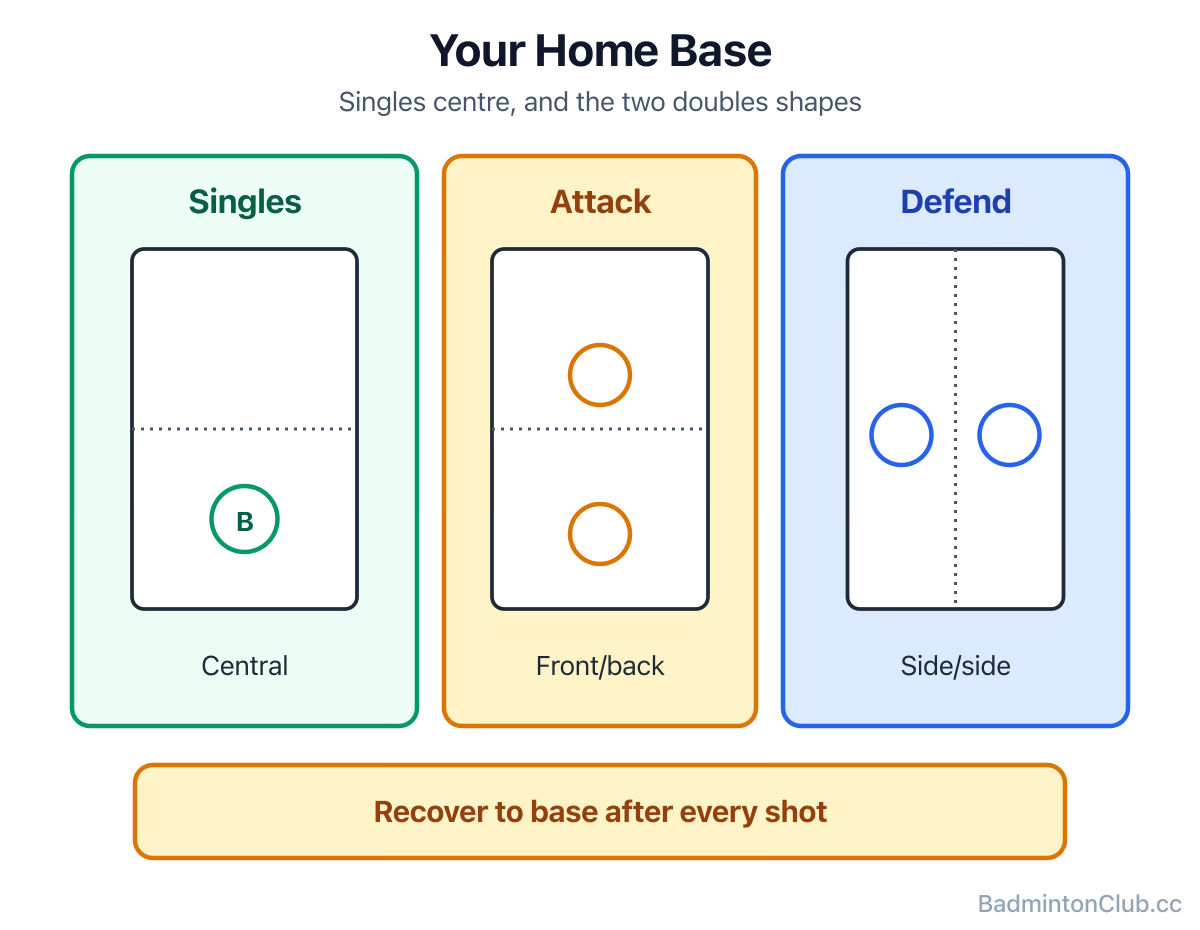
Good positioning is the quiet skill that makes everything else easier: stand in the right base, recover to it after every shot, and you reach replies you'd otherwise miss. This guide covers badminton positioning basics for singles and doubles — the central singles base, the front-and-back and side-by-side doubles positions, why you recover diagonally not straight back, and how good positioning turns a slow player into a player who always seems to be in the right place.
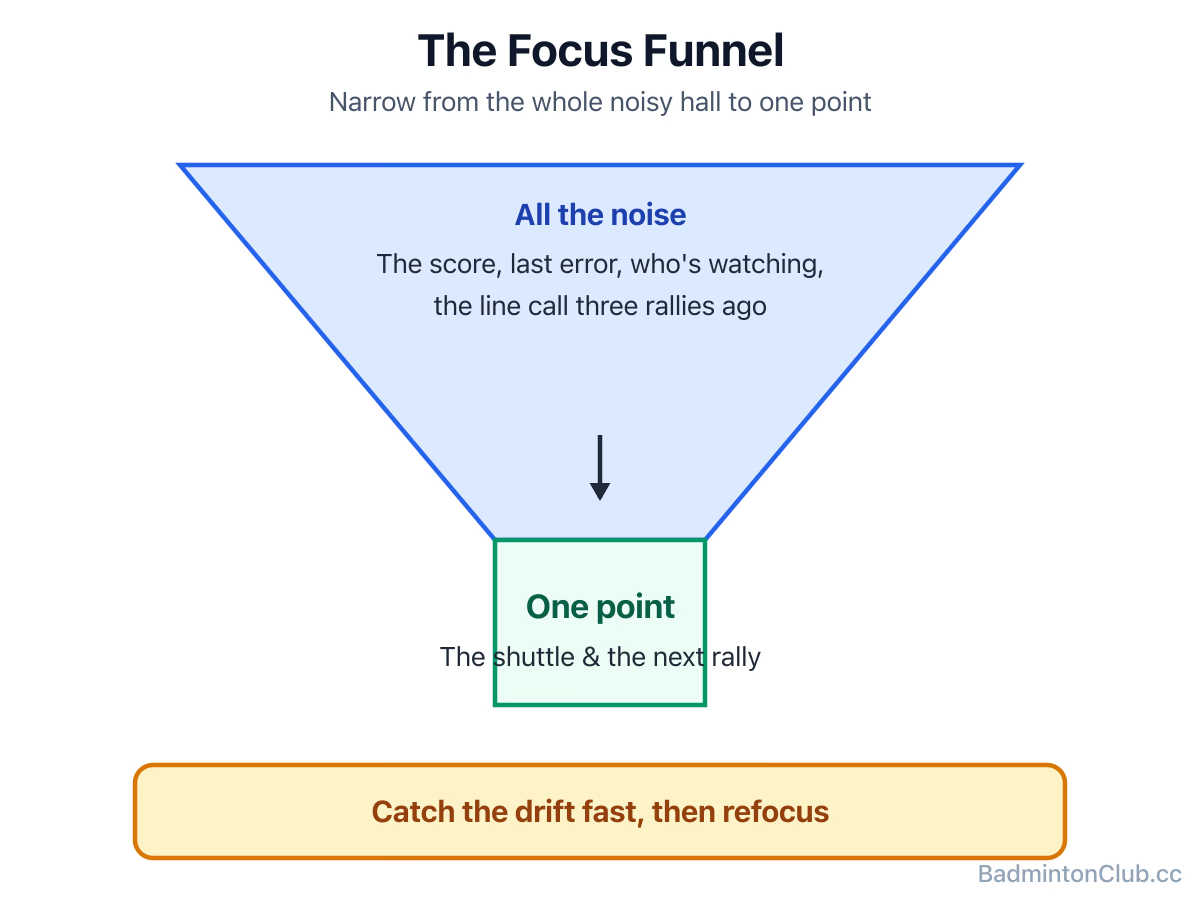
Focus and confidence are the two mental skills that hold up under pressure — and both can be trained. This guide shows how to stay focused in badminton on the only thing that matters (the next point), how to stop dwelling on errors and the scoreboard, and how to build real badminton confidence from small process goals rather than fragile hope. Practical, on-court methods for club players whose concentration drifts and whose belief evaporates the moment they fall behind.
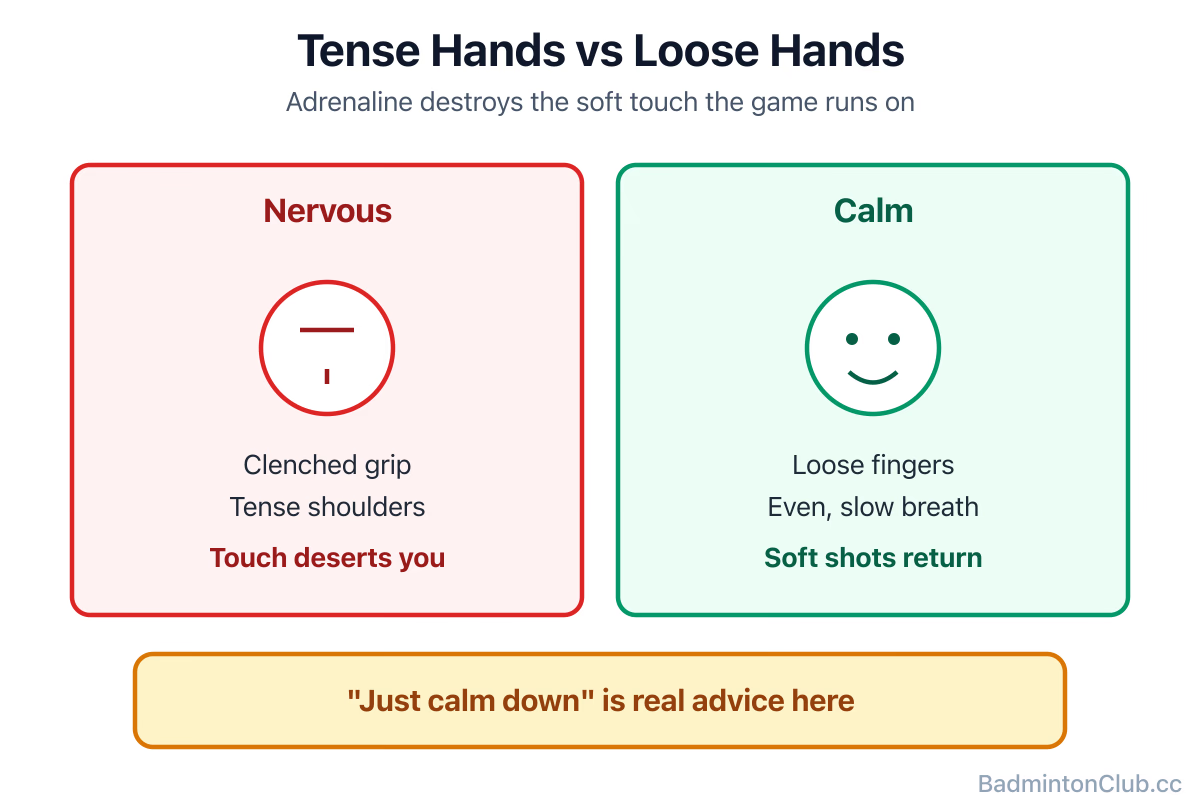
Match nerves make your grip tighten, your breathing go shallow and your soft shots fall apart — exactly when you need them most. This guide explains why badminton match nerves hit so hard, the box-breathing and pre-serve routines that genuinely calm you down, how to reframe nerves as readiness, and the practical between-point habits that keep one anxious moment from sinking a whole game. Written for club players who freeze up the moment a match means something.
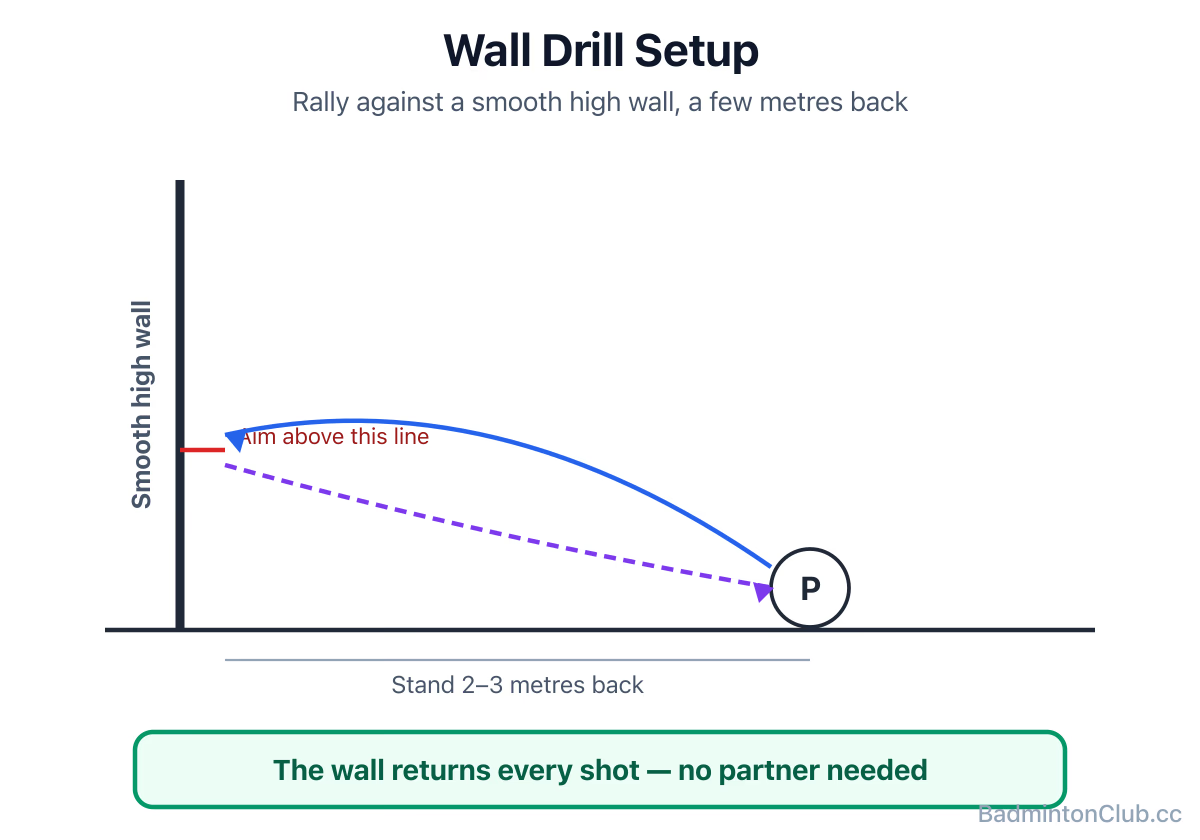
Badminton wall drills turn any smooth high wall into a tireless hitting partner. This guide covers how to set up, how far to stand, and the specific wall drills that build reactions, consistent contact and grip changes — from steady continuous rallies to close-up reflex taps and serve-and-control work. Wall practice is the most accessible solo training there is, and done right it sharpens the fast hands and consistency that no amount of casual play seems to fix.
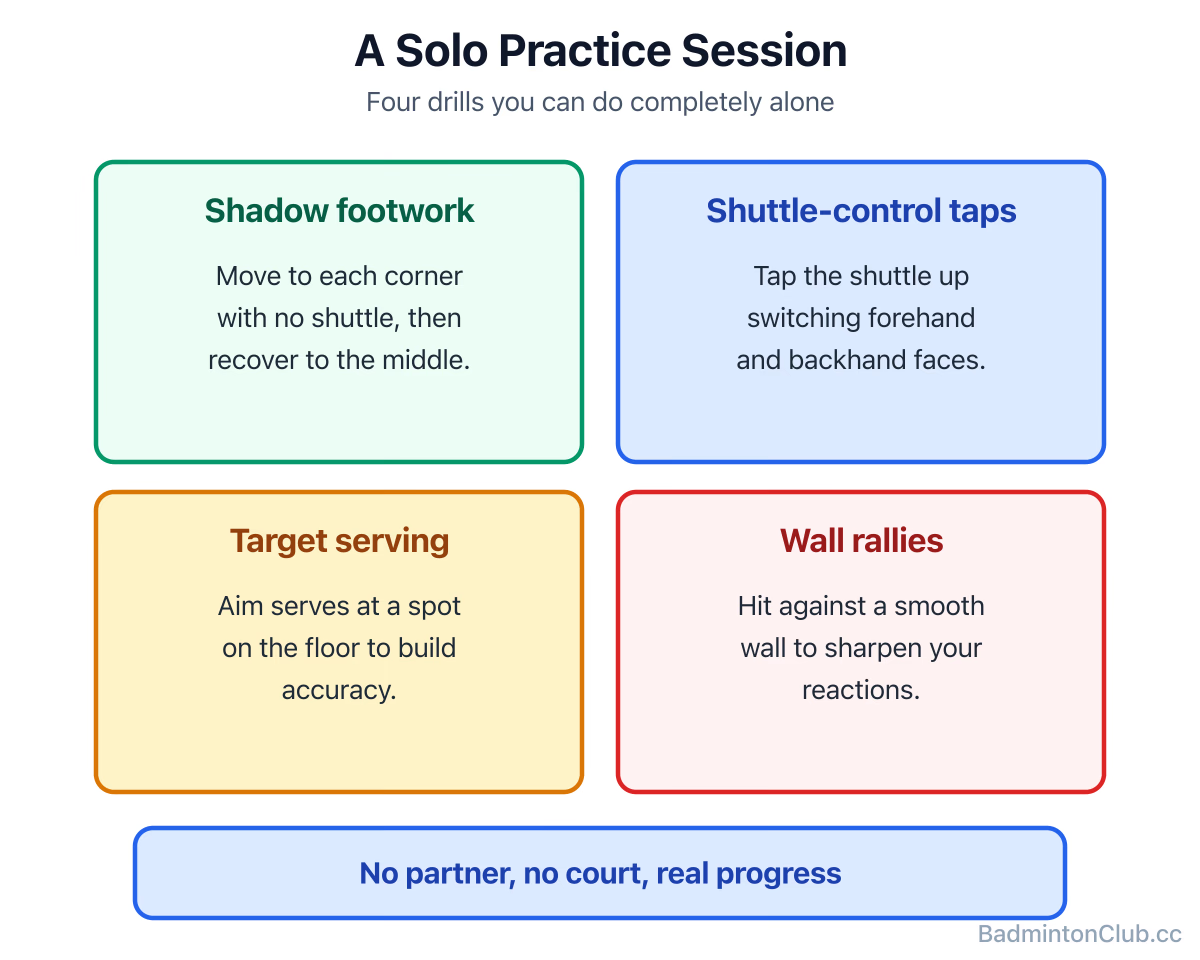
No partner? You can still get meaningfully better with badminton drills for one person. This covers the solo work that genuinely transfers — shadow footwork, shuttle-control taps, serving practice against a target, and wall rallies — plus how to structure a focused solo session so you build the footwork and consistency that hold most players back. Practising alone won't replace match play, but done right it improves the exact skills that need reps, not an opponent.
Can you play badminton at home? Yes — in the backyard, the garden, even indoors without a proper net — as long as you manage the one thing that ruins it: wind, and a low ceiling. This guide covers realistic backyard badminton setups, how to play without a net using a line or string, the right shuttles for outdoors, and how home play differs from the real indoor game, so your garden games are fun rather than frustrating.
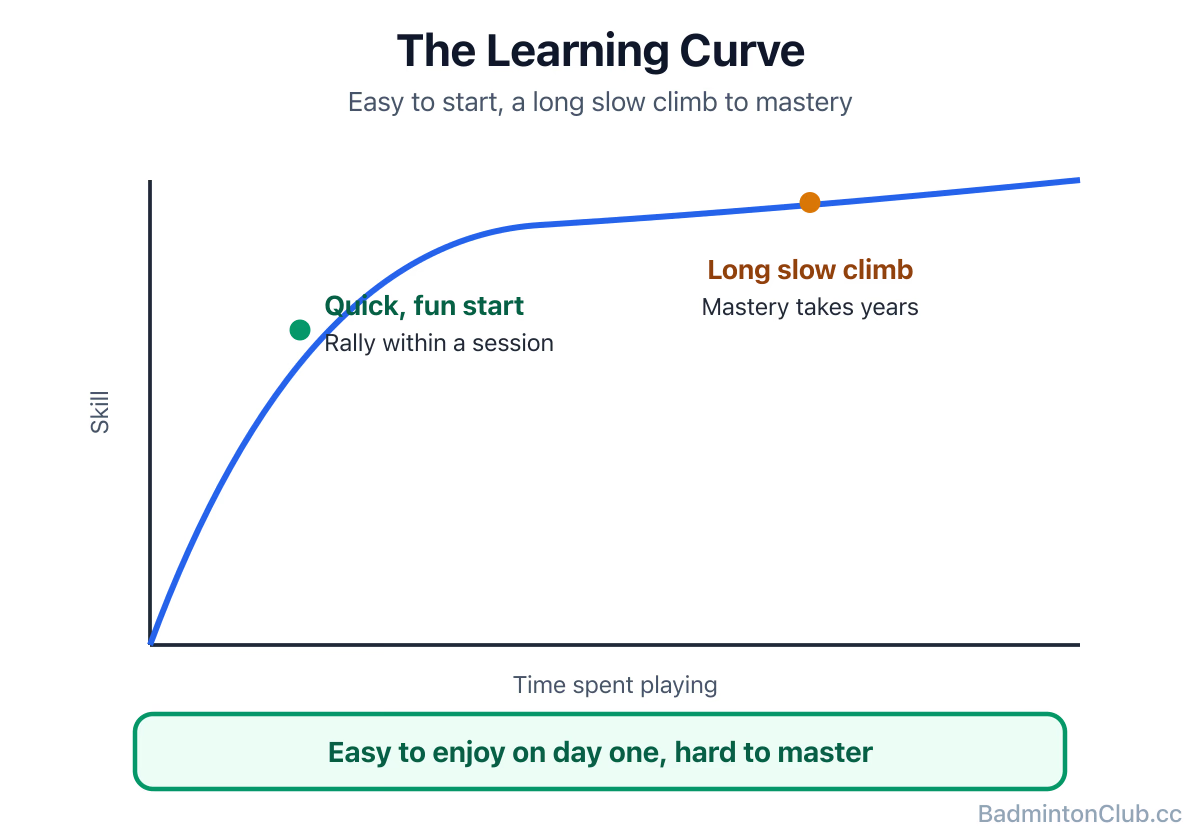
Is badminton hard to learn? The honest answer: it's one of the easiest sports to start — most people can rally within an hour — but one of the hardest to truly master. This explains exactly what's easy on day one, what takes weeks (footwork, a legal serve, the overhead swing) and what takes years (deception, stamina, anticipation), so you know what to expect and why the gentle learning curve is what makes badminton so addictive.
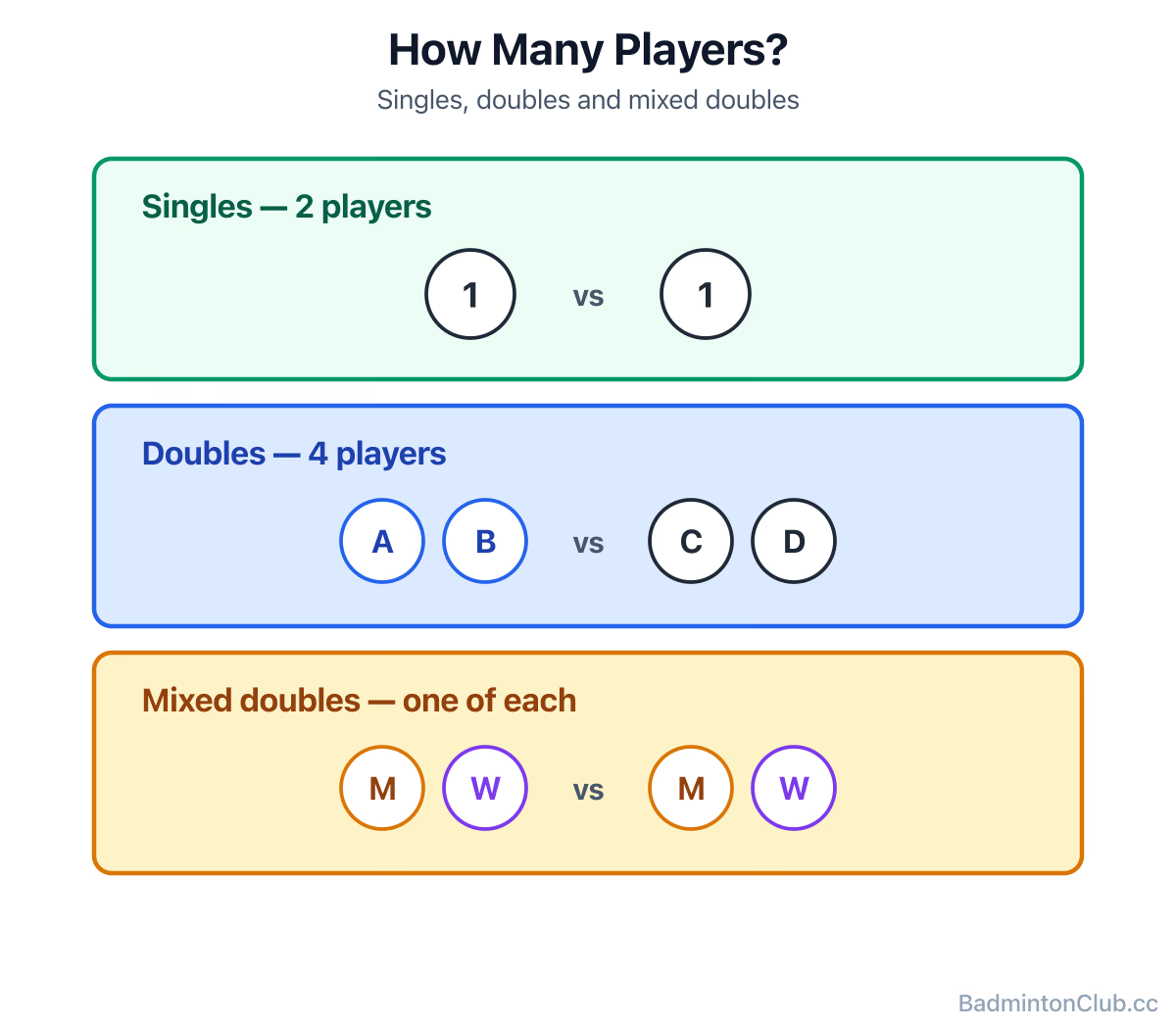
Badminton is played by two players in singles (one each side) or four in doubles (two pairs) — but the simple answer hides why it matters: the format changes the court width, the serving rules, the tactics and even how clubs organise a busy night. This guide covers every format including mixed doubles, how many people you need to actually play, and how a hall of dozens shares a handful of courts fairly.
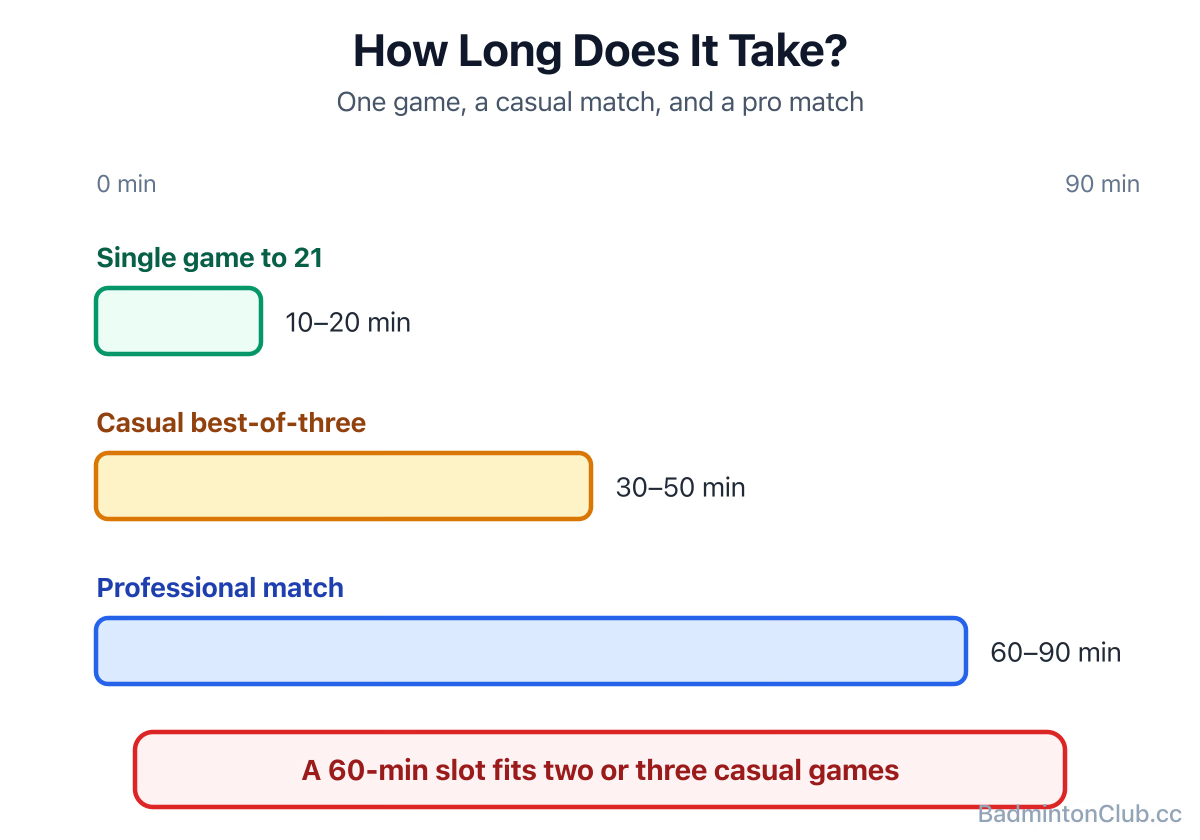
How long is a badminton match? A recreational game to 21 takes about 15–25 minutes, a full casual best-of-three runs roughly 30–45 minutes, and a professional match averages 40–50 minutes — with tight singles sometimes passing an hour. This explains what actually drives the time (scoring, rally length, rest breaks), how many games fit a typical court booking, and where the record longest match of 161 minutes came from.
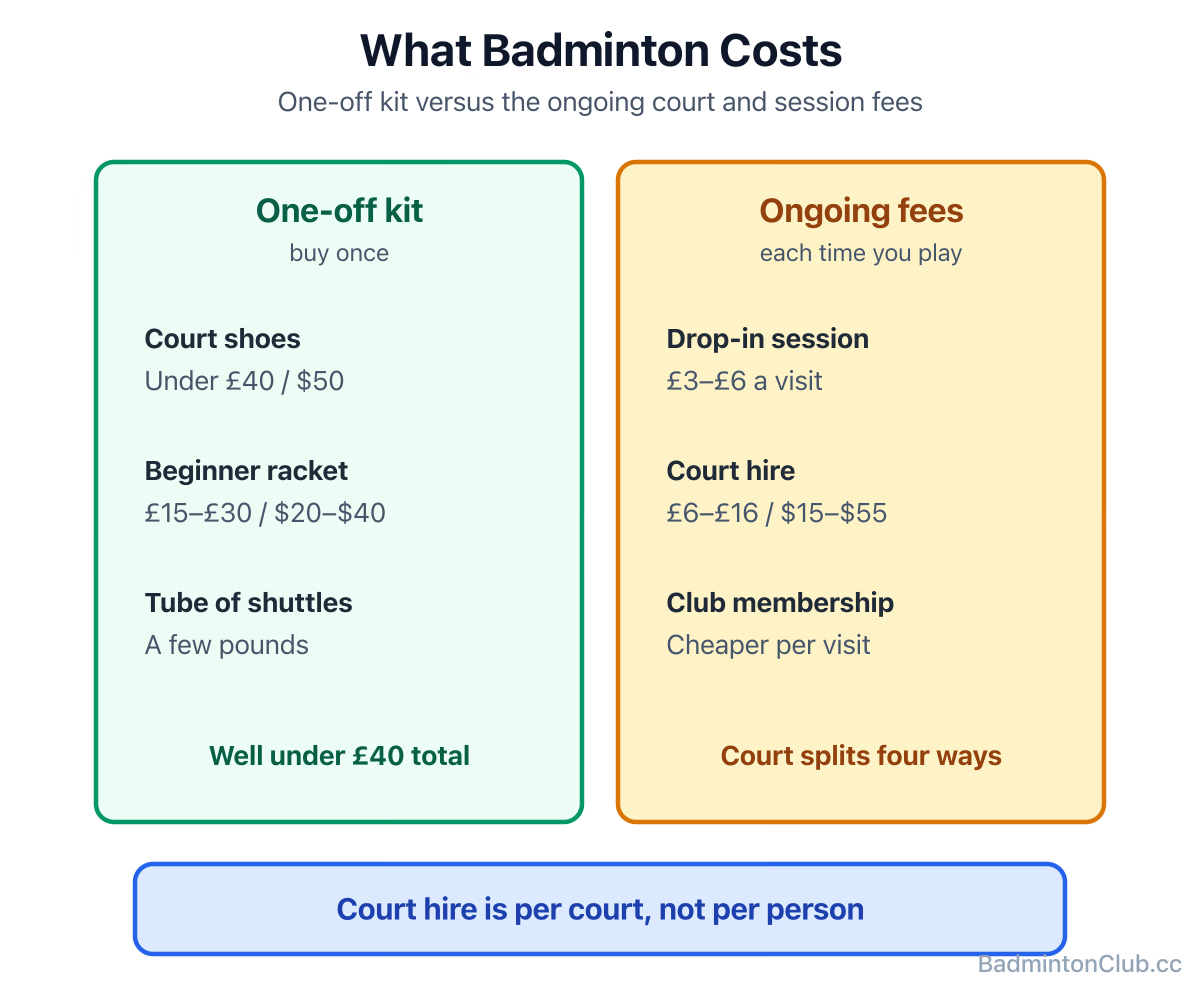
How much does badminton actually cost to play? This breaks down every expense — court hire, club membership, drop-in sessions, rackets, shoes and shuttles — with real UK and US prices, then builds a realistic monthly budget for a casual player and a regular club player. Badminton is one of the cheapest racket sports to start, and this shows you exactly where the money goes and how to play well for very little.
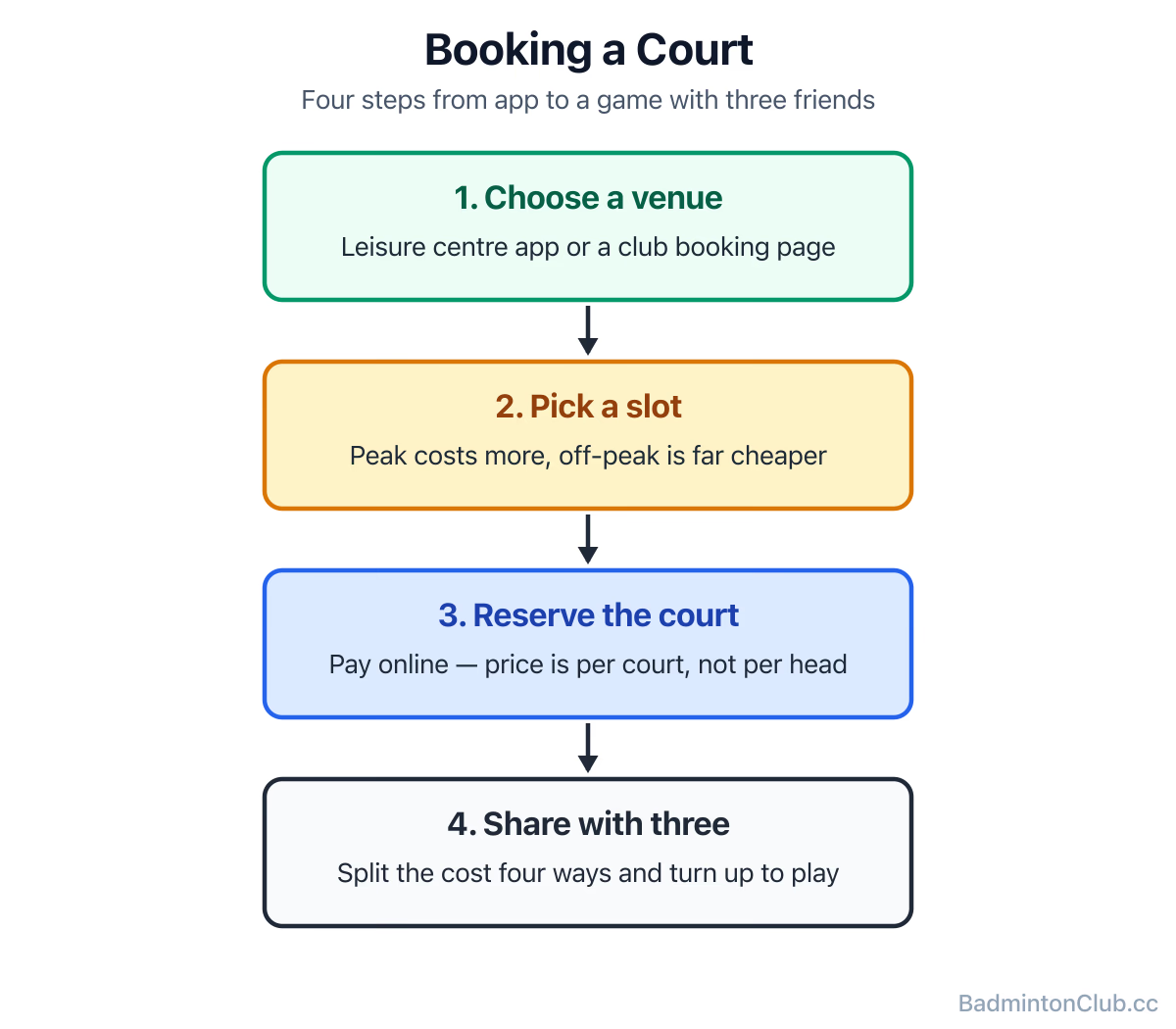
A simple guide to badminton court booking: how to reserve a court at a leisure centre or badminton club, how far ahead to book, how peak and off-peak pricing works, and the booking mistakes that cost you money or a wasted trip. Whether you're organising a weekly game for four or running a club night across several courts, here's how to lock in court time reliably — and the tricks regulars use to get the cheap slots.
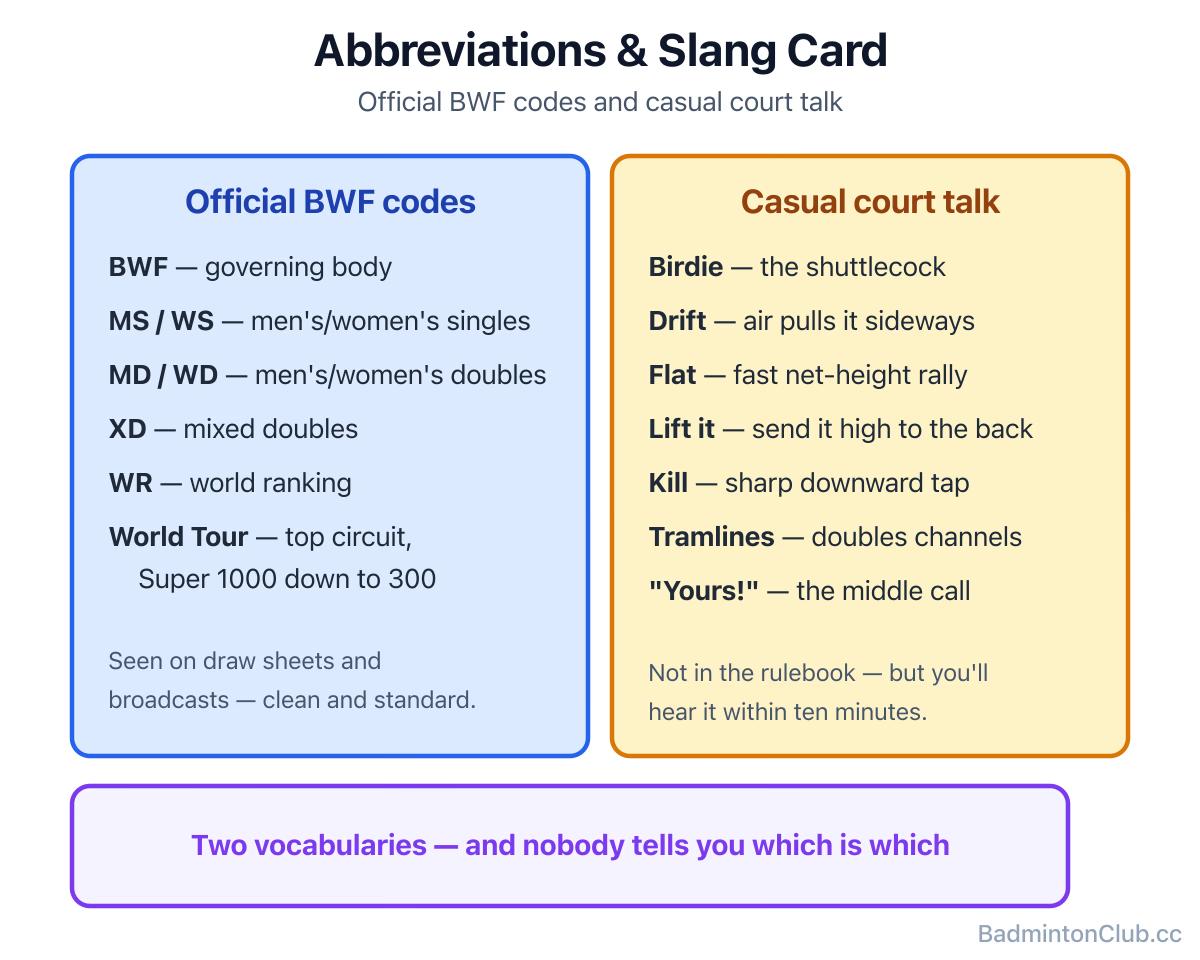
Badminton has its own slang and a thicket of abbreviations — BWF, MS, WD, XD, the rankings, plus club-night court talk like 'birdie,' 'drift,' 'flat' and 'yours!' This decodes the official BWF event codes you'll see on a draw sheet, the casual on-court slang nobody explains to newcomers, and the shorthand that makes a busy hall sound like a foreign language at first.
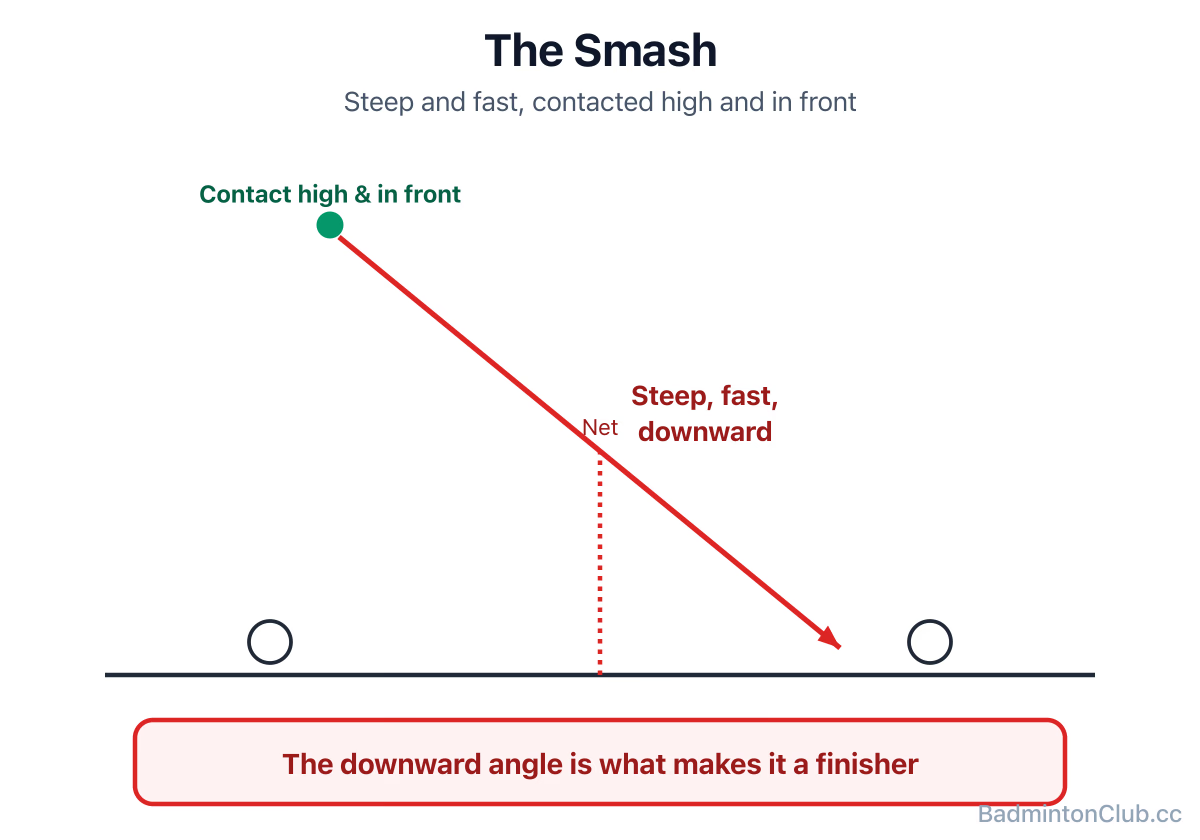
A smash in badminton is a steep, powerful overhead shot hit sharply downward to end a rally — the sport's knockout punch and its fastest shot. This explains what a smash is, where the power really comes from (forearm rotation, not arm muscle), the record speeds versus what's normal in a match, when a smash is the right shot, and why beginners lose more points to it than they win.
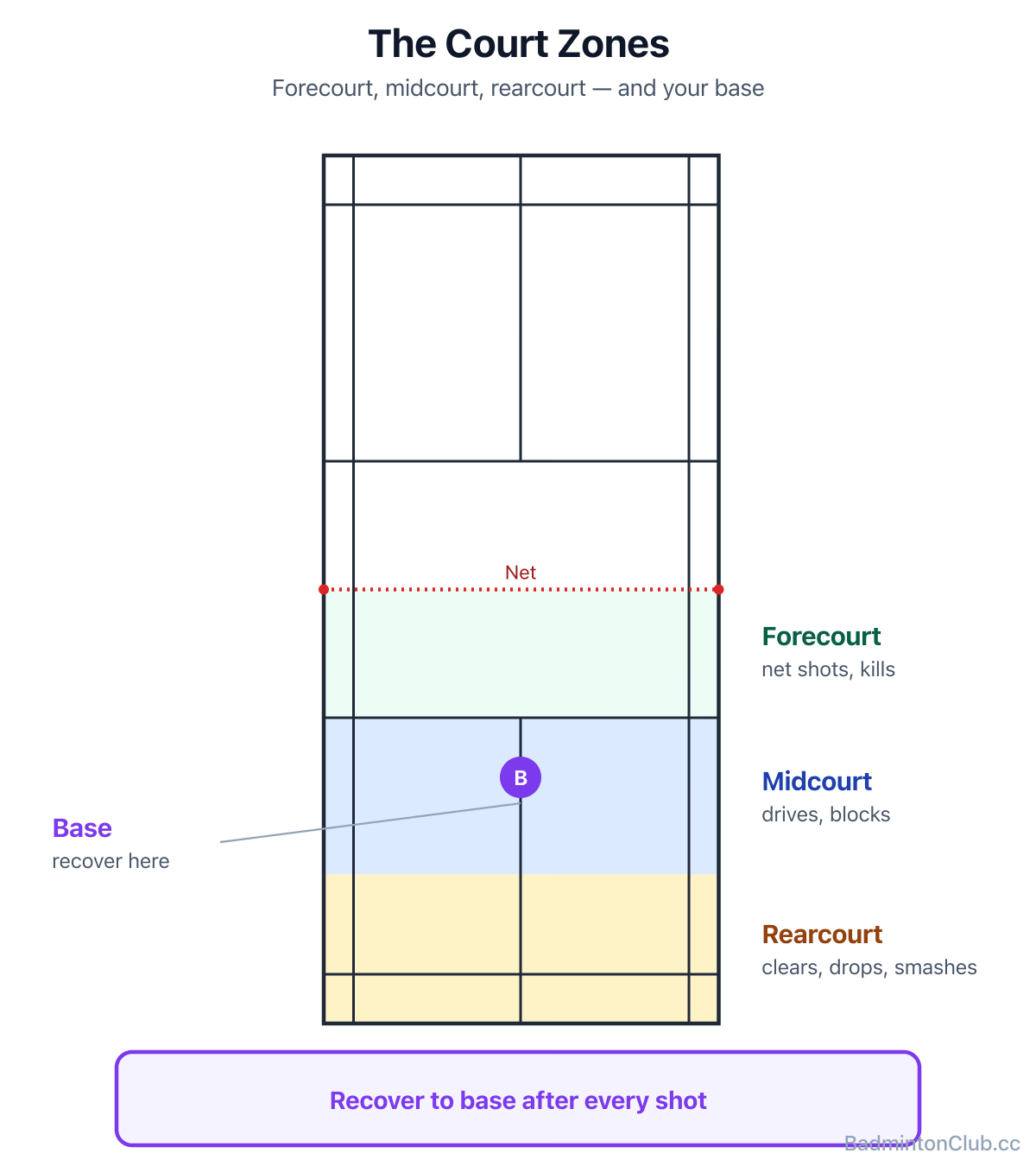
Badminton positions cover two things: the areas of the court (forecourt, midcourt, rearcourt and your base) and where players stand in doubles — front-and-back to attack, side-by-side to defend. This explains the named court zones, the single base position in singles, the two doubles formations and the rotation between them, and the positioning habit that quietly wins more rallies than any shot.
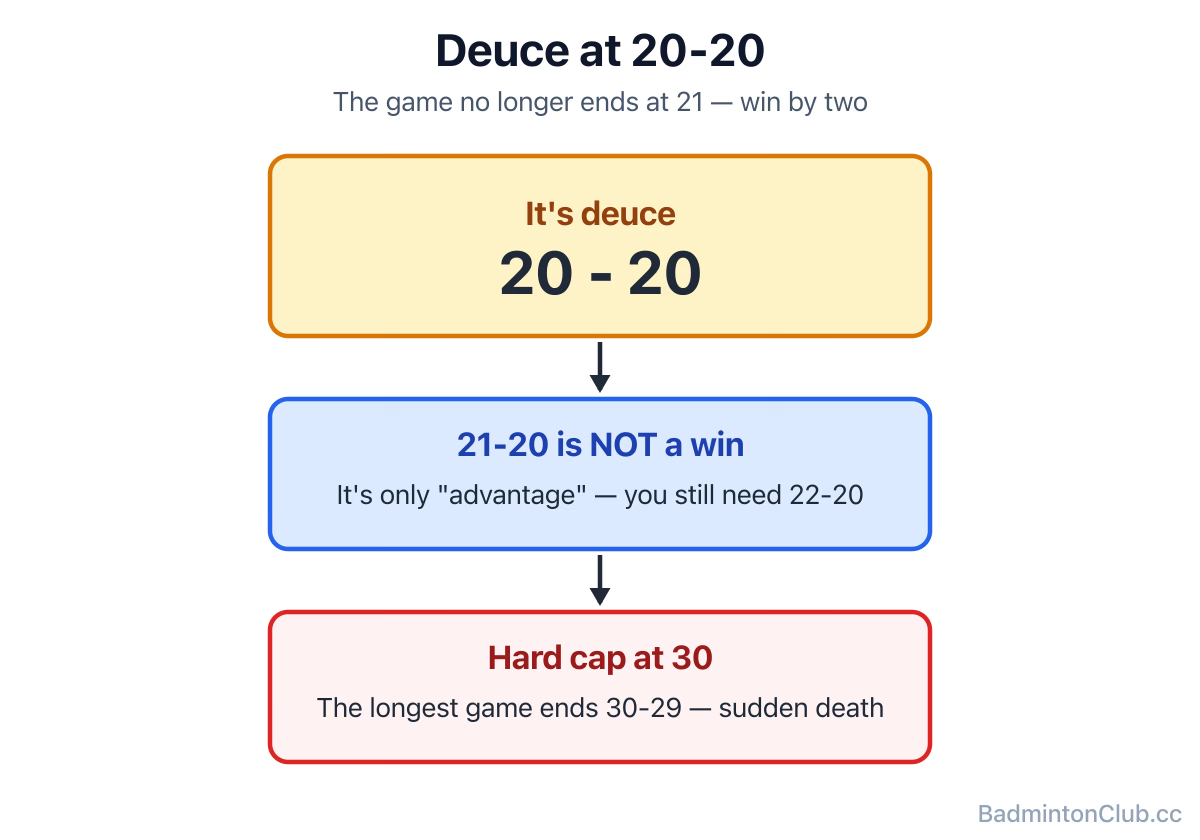
Deuce in badminton is the score at 20-20, where the game no longer ends at 21 — you have to win by two points, up to a hard cap of 30. This explains exactly how deuce works, why 21-20 isn't a win, how a game can stretch to 24-22 or 29-29, and the golden-point rule at 29-29 where the very next rally wins it 30-29.
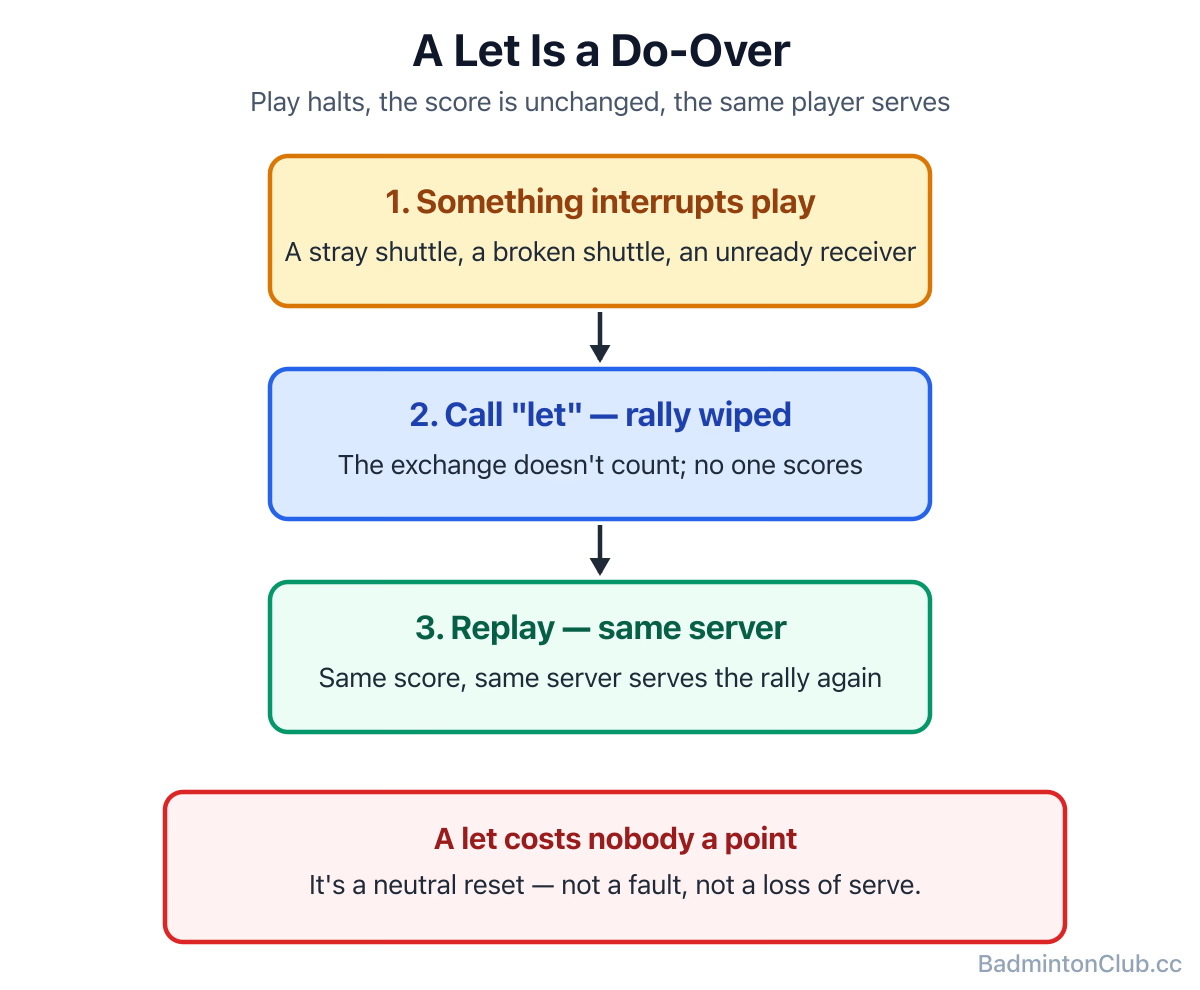
A let in badminton is a replay: play stops, the rally doesn't count, no point is scored, and the same player serves again. This explains the situations that cause a let — serving before the receiver is ready, a shuttle disintegrating mid-rally, outside interference — and the key distinction beginners miss: a let costs nobody a point, while a fault always gives the point away.
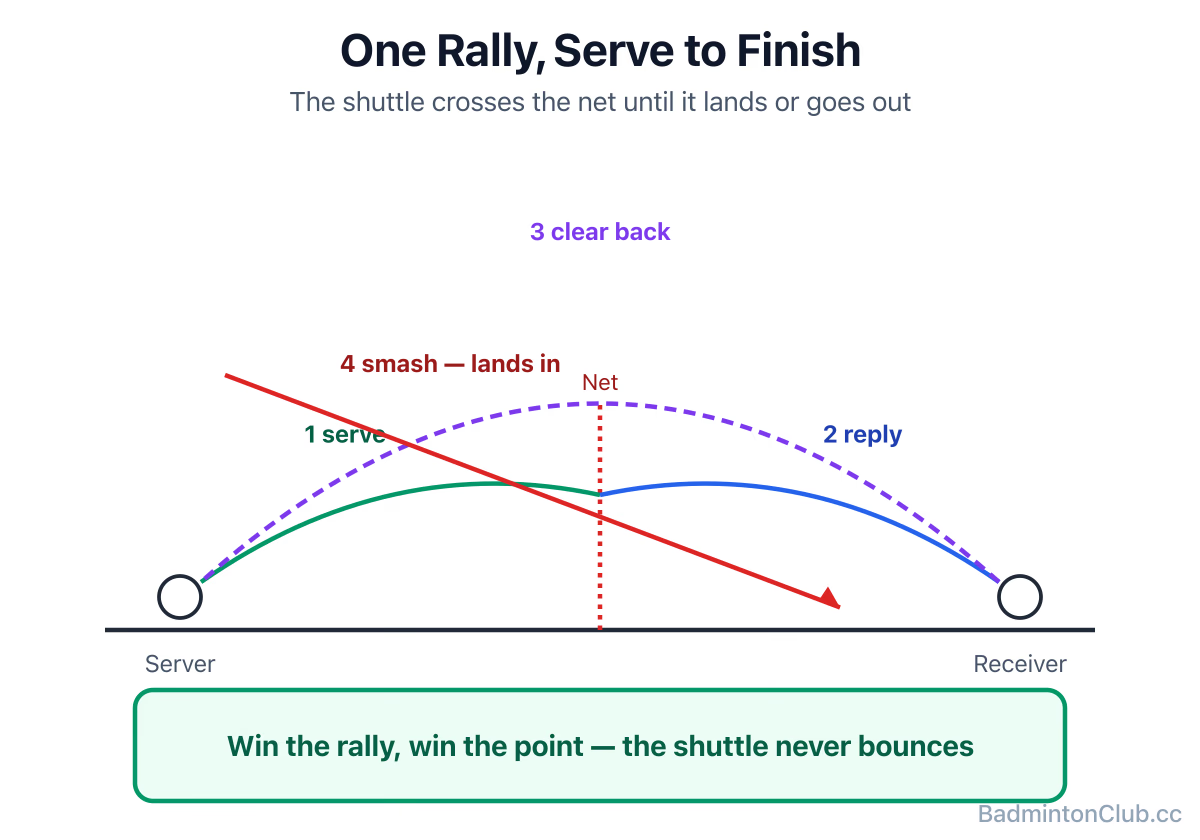
A rally in badminton is one continuous exchange of shots — from the serve until the shuttle hits the floor or goes out — and under rally scoring, whoever wins it scores the point. This explains exactly when a rally starts and ends, why the shuttle can never bounce, how rally scoring replaced the old serve-only system in 2006, and what a typical rally actually looks like on court.
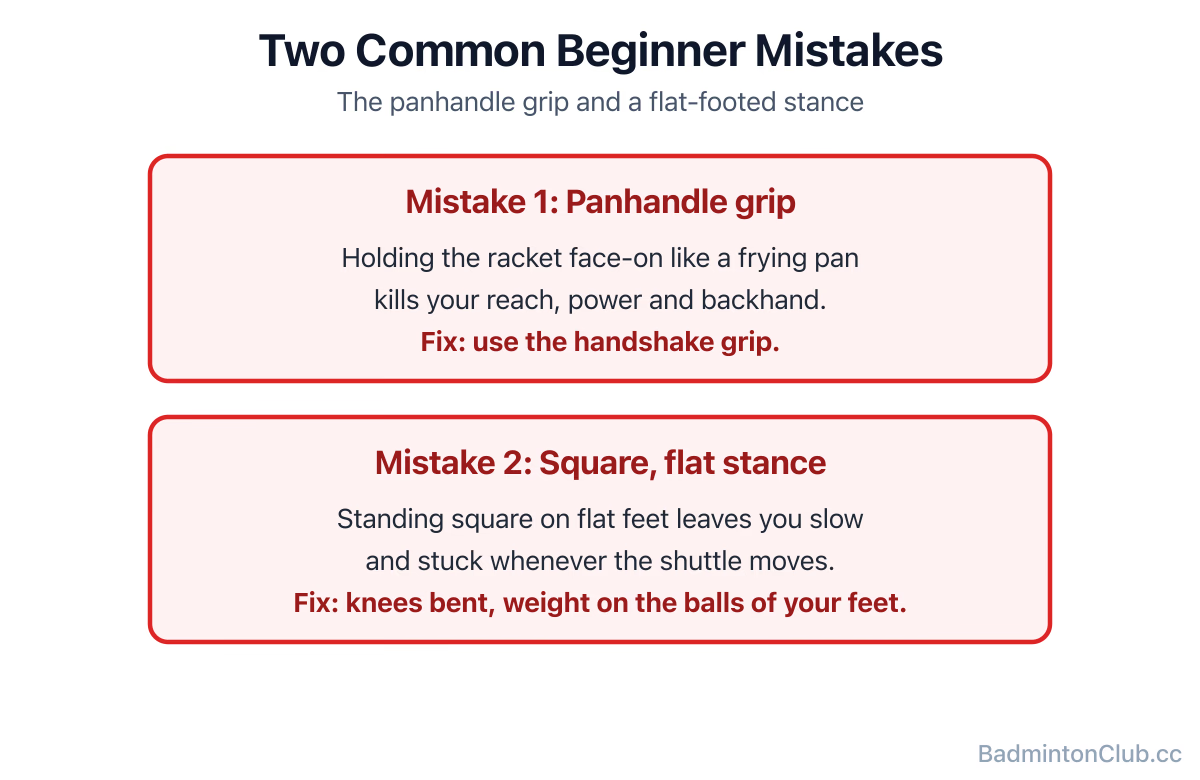
Most beginners lose points to the same handful of fixable mistakes: a panhandle grip, gripping too tight, standing flat-footed, never recovering to the middle, lifting when they should attack, and smashing from bad positions. This guide names each common badminton mistake, explains why it hurts you, and gives the specific fix — so you can skip months of frustration and the bad habits that are hardest to unlearn later.
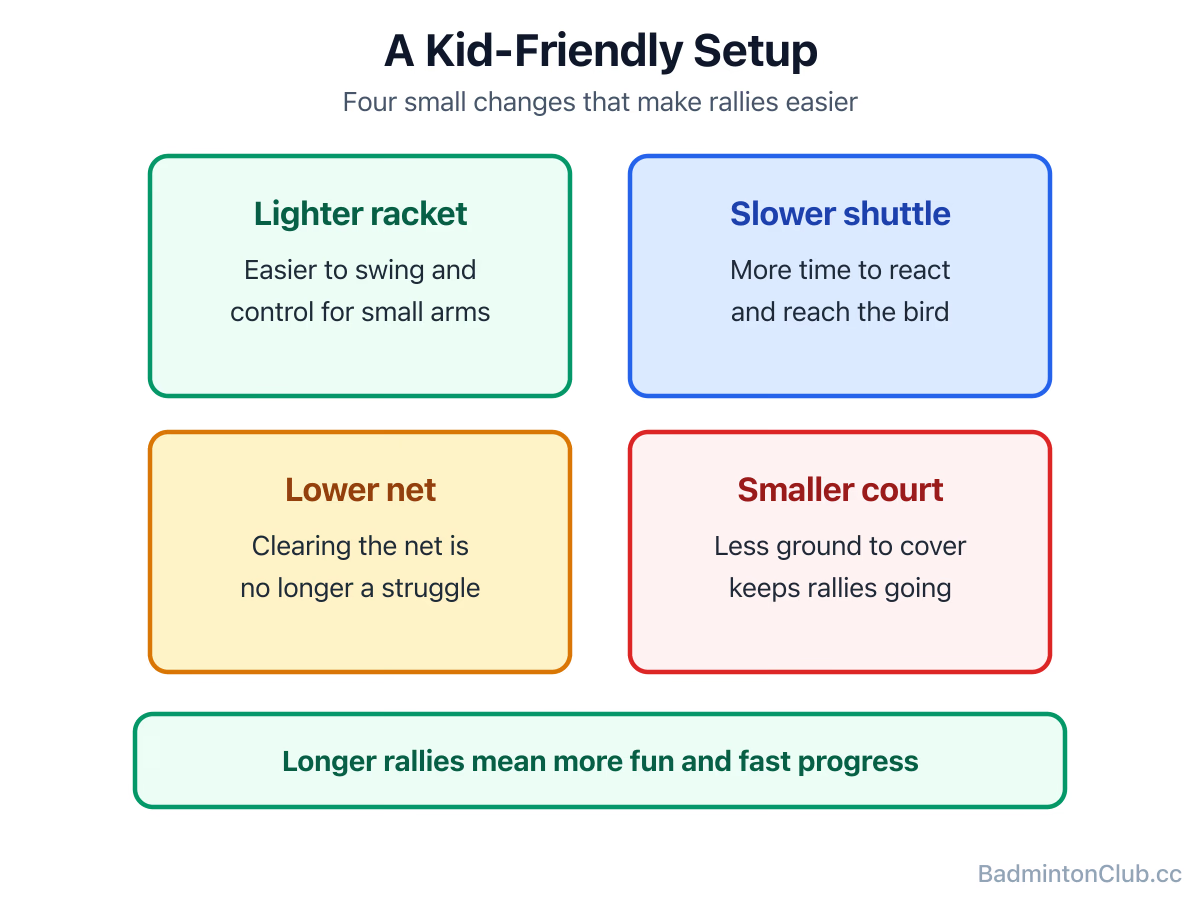
Badminton is one of the best sports for kids — cheap, safe, sociable and playable indoors or in the garden from age five or six. This guide covers the right kid-sized rackets and lighter shuttles, how to set up a lower net and smaller court, simple games that teach skills without feeling like drills, and how to keep it fun so children actually want to come back. Practical, parent-tested advice, not theory.
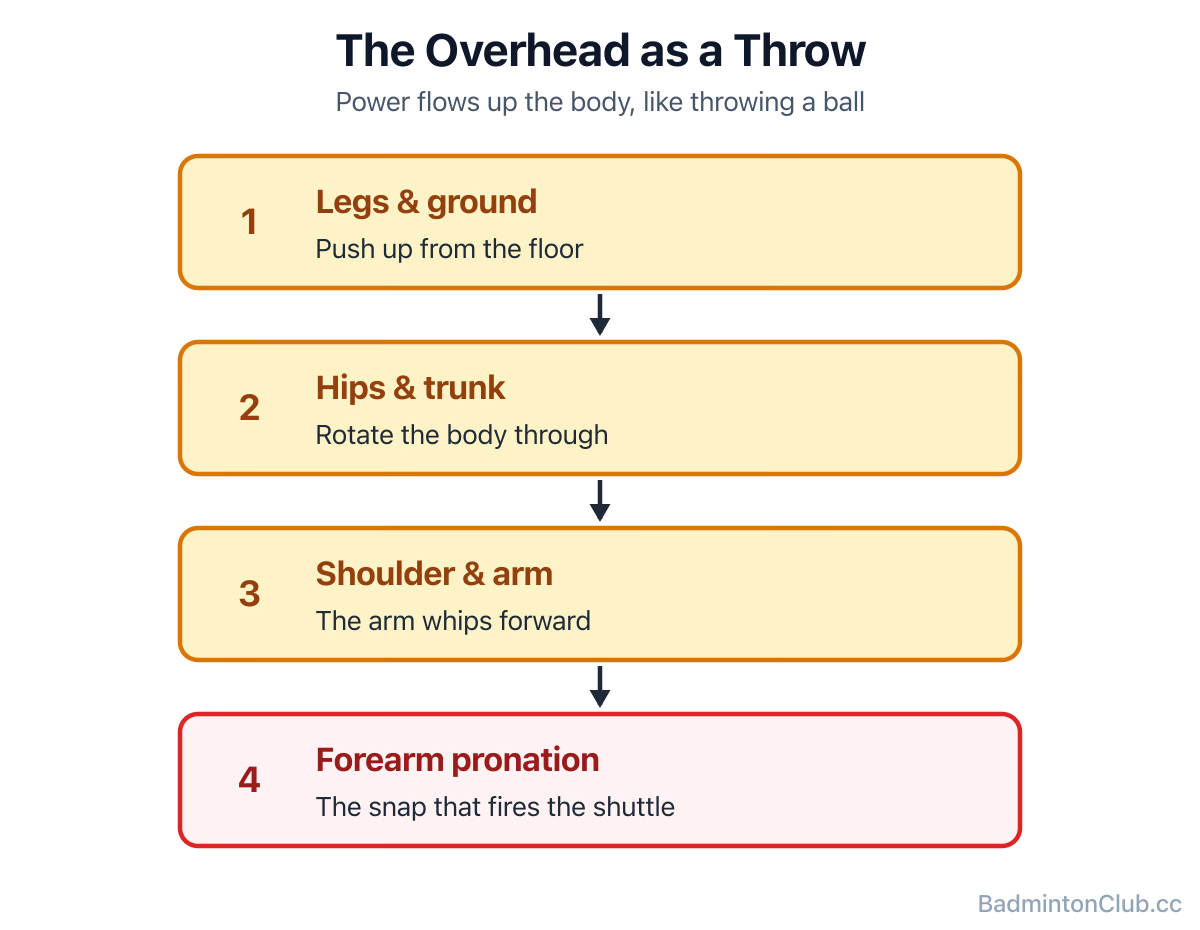
Good badminton swing technique is the difference between effortless power and a tired, weak arm. This guide breaks down the overhead 'throwing' motion, the forearm pronation that actually generates racket-head speed, the role of a relaxed wrist snap, and why beginners who muscle the shuttle with a stiff arm get it exactly backwards. Learn the swing once and your clear, drop and smash all improve together.