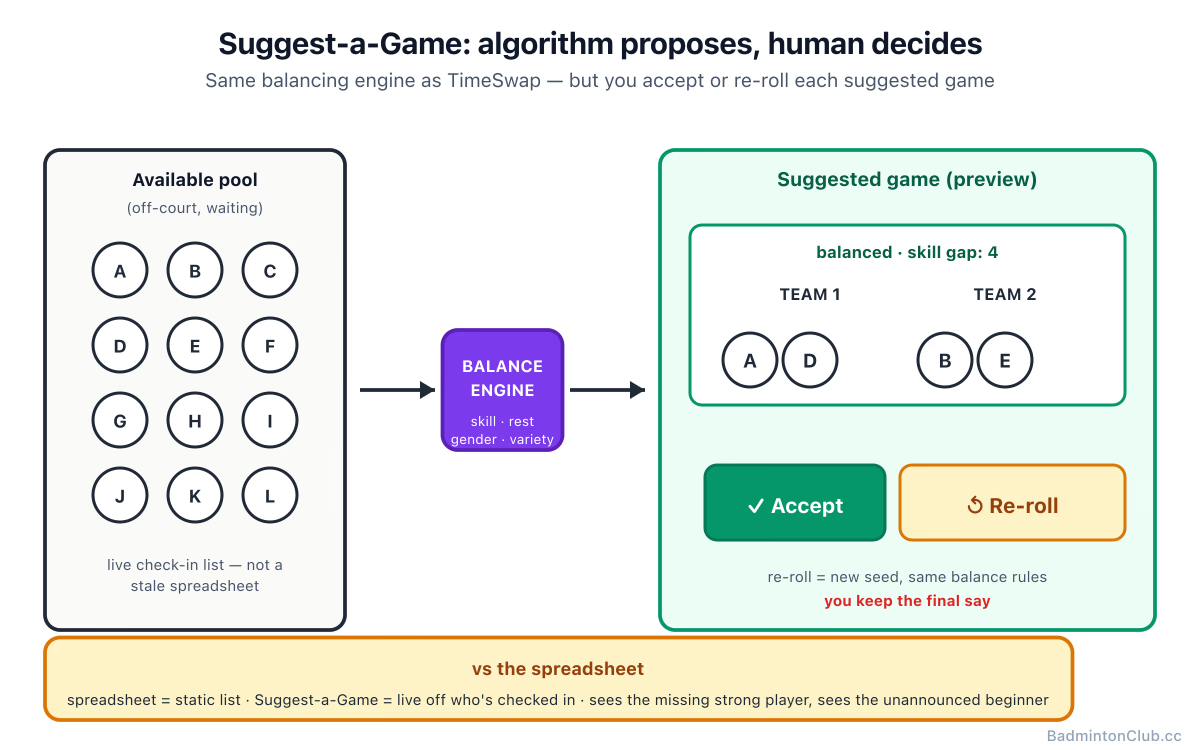
Suggest-a-Game uses a skill-balancing engine to propose one fair, evenly matched badminton court for you to accept or re-roll before it goes live. Perfect for club organisers who want algorithm-balanced teams without handing over full control — ideal for any size club that values curated, fair matchups.
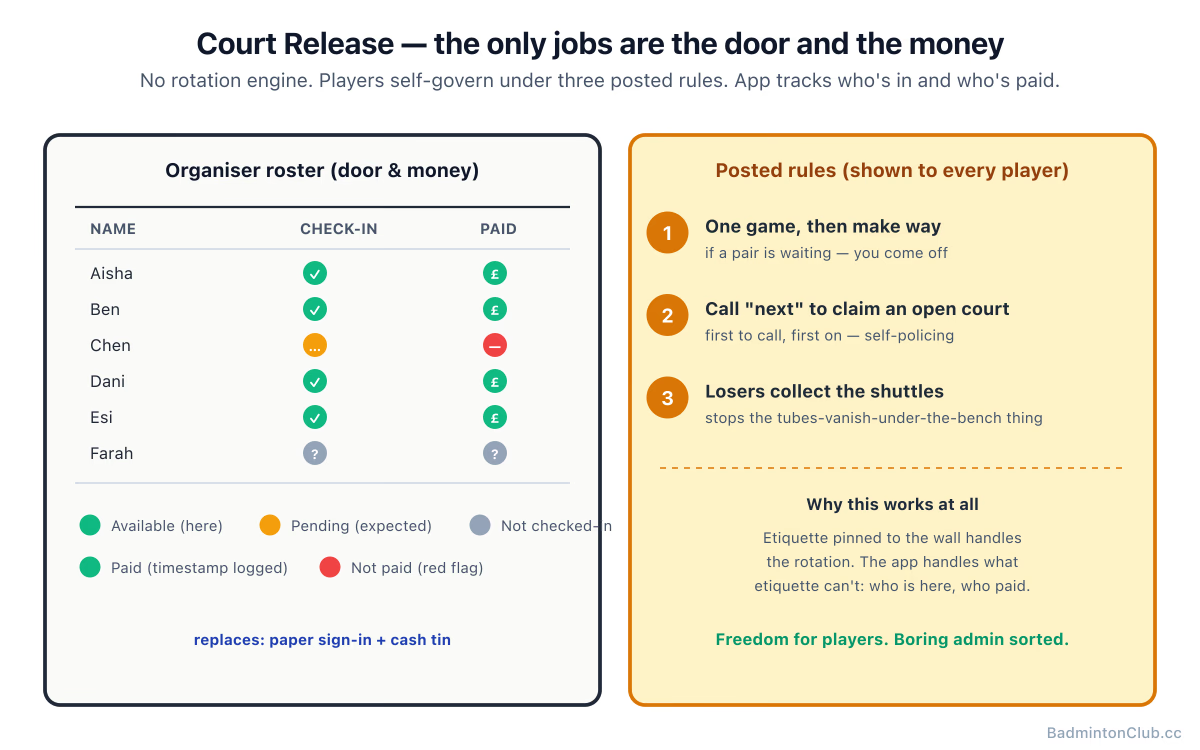
Open play badminton lets players run their own courts while the club only tracks check-in and payment — there's no fixed rotation. This guide explains how drop-in sessions actually work, the three etiquette rules every good club pins to the wall, and how Court Release keeps attendance and pay-at-door straight without a paper list or a cash tin.
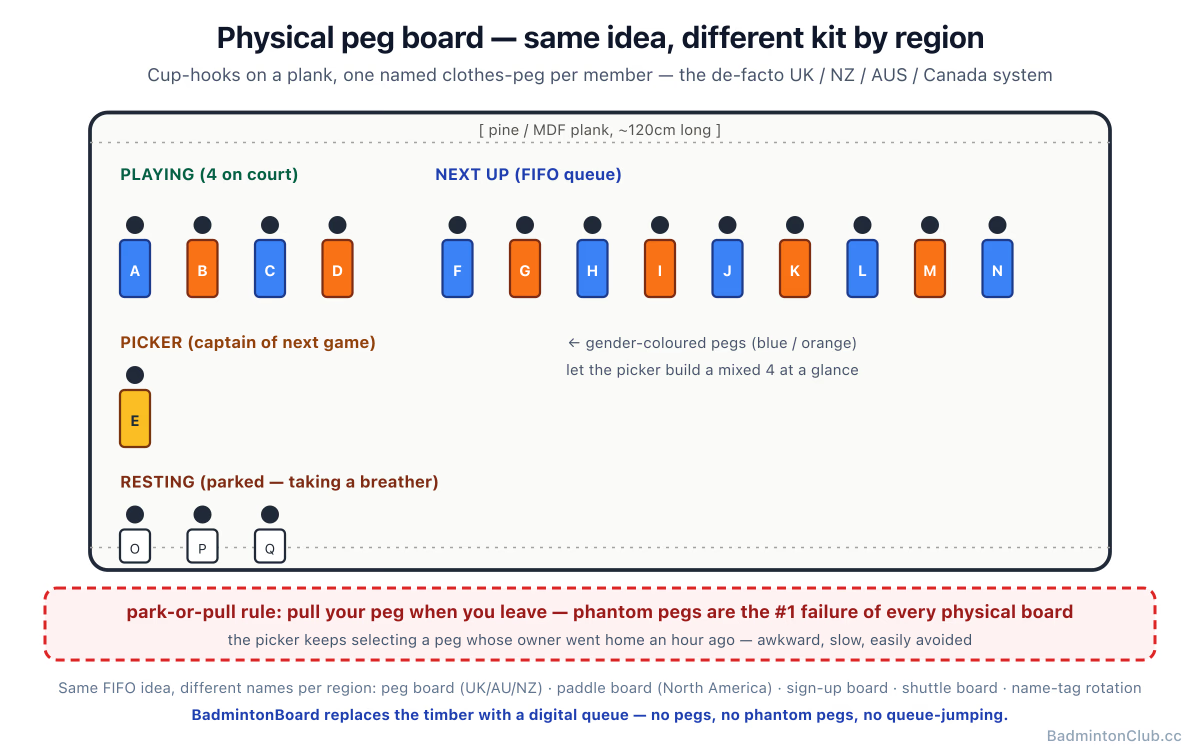
A badminton peg board is the fairest FIFO queue rotation used by clubs across the UK, New Zealand, Australia and Canada. Learn how the physical board works, what the captain role does in a digital peg board, and why clubs are moving their pegs onto a phone screen. Covers setup tips, the winners-first variant, phantom-peg problems, and how the digital version keeps the queue race-safe.
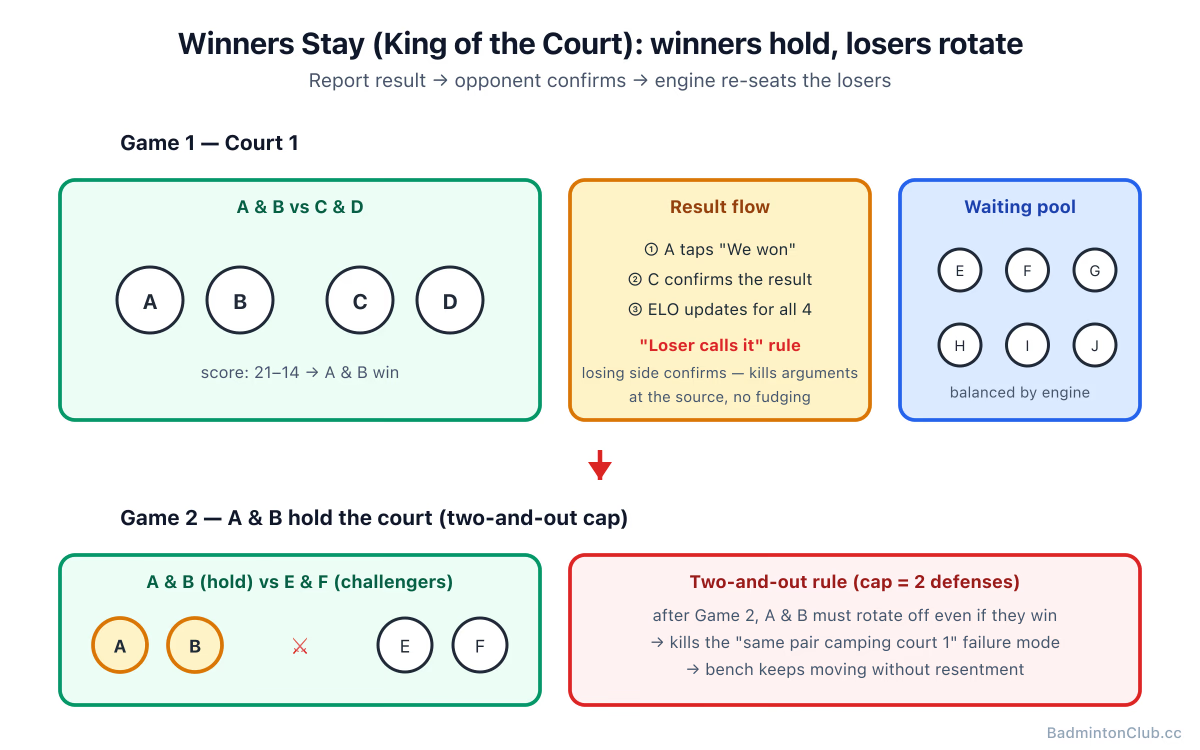
Winner Stays On — also known as King of the Court — is the competitive badminton rotation where the winning pair holds the court and losers rotate off. Learn the core rules, the two-and-out win cap, how to keep it fair for mixed-level groups, and when to use it over other formats.
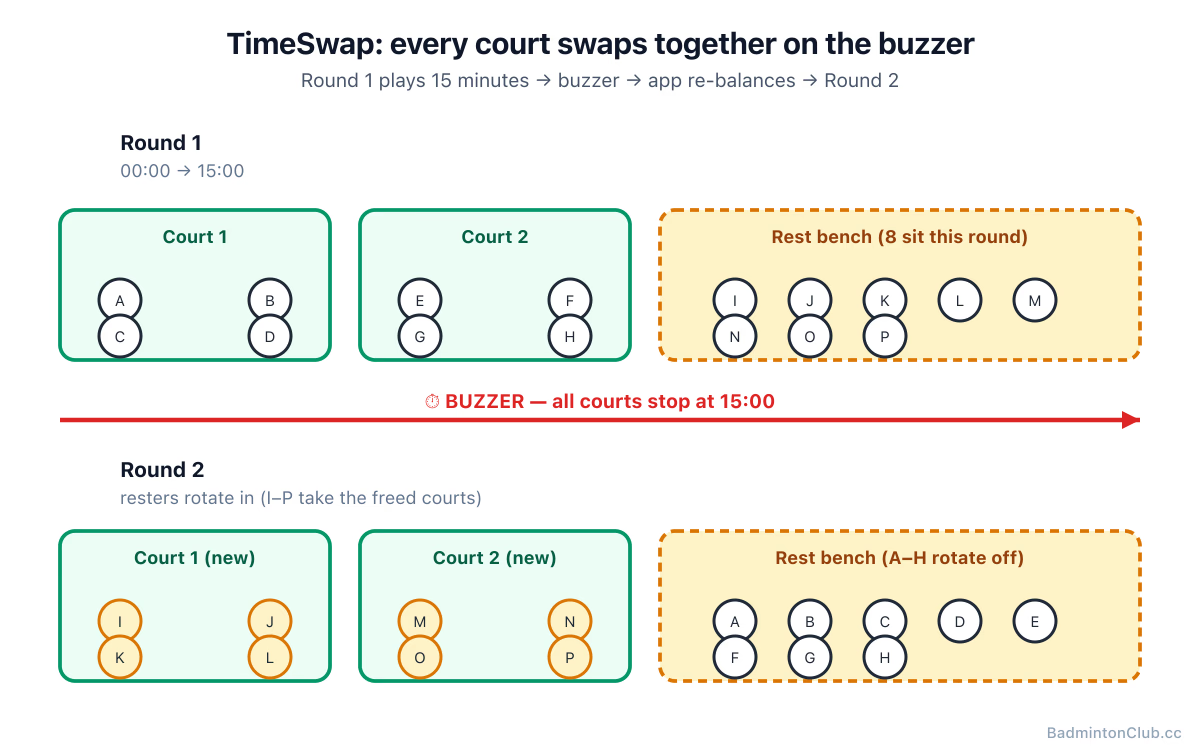
TimeSwap is a timed badminton rotation that ends every court simultaneously on a buzzer and auto-balances the next round by skill, rest fairness, and partner variety — no peg board needed. This guide covers how the engine works, field-tested tips on shuttle budgets and golden-point rules, a court-time maths breakdown for 24-player sessions, and full pros, cons, and FAQ.
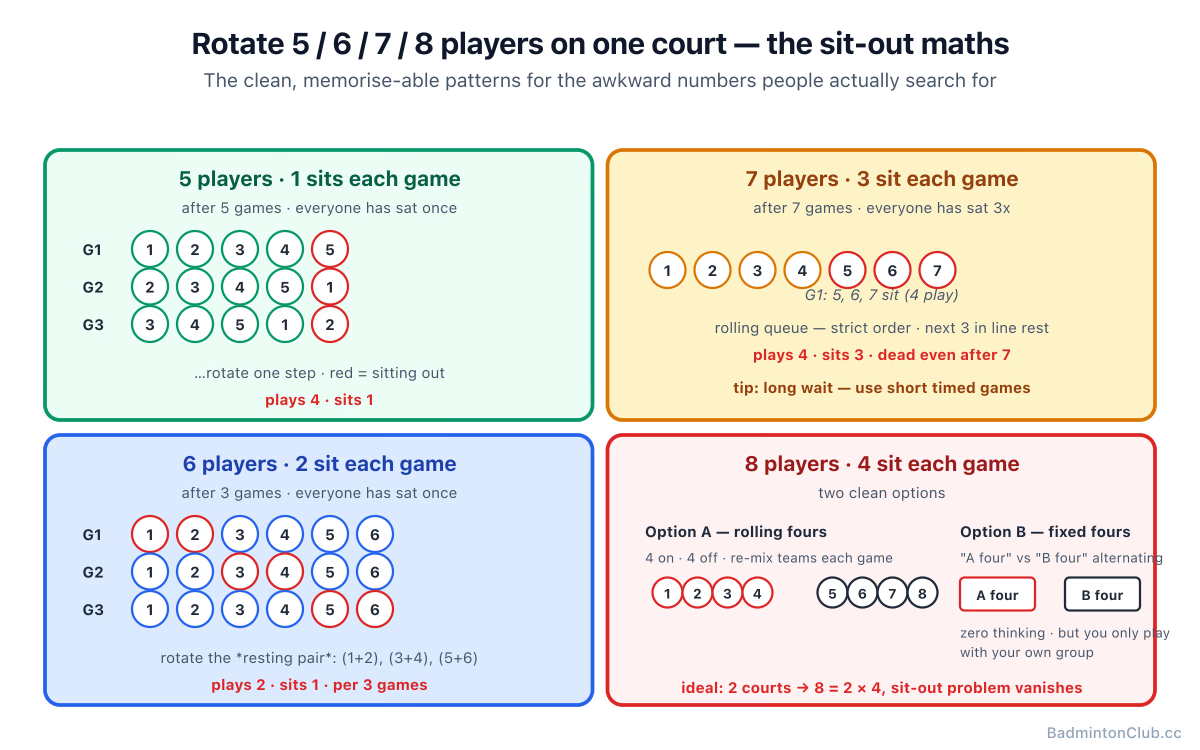
Fair sit-out rotations for 5, 6, 7, or 8 players sharing a single badminton court — rolling patterns that keep everyone equal without arguments. Covers the exact cycle length per player count, practical tips for writing the order down, and when a second court or a rotation app makes more sense.
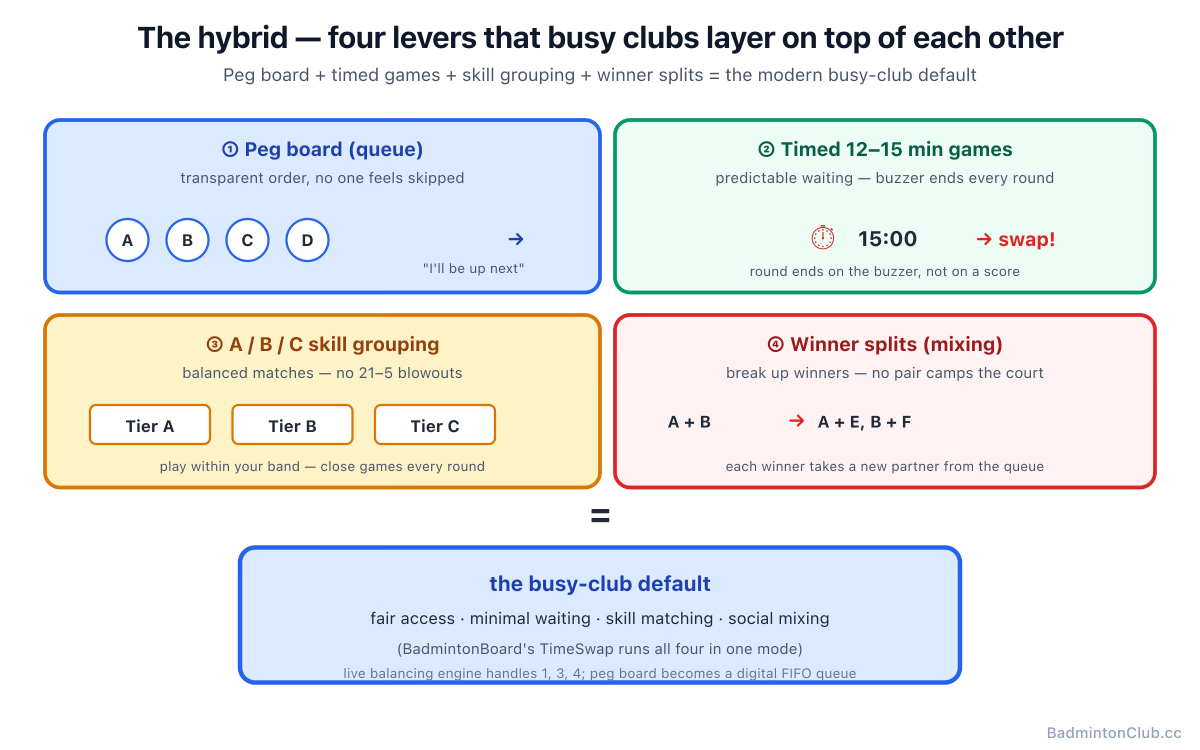
The hybrid badminton rotation combines a fair queue, timed games, skill grouping, and winner-splits into one system that actually works for 20–40 players on 3–6 courts. Learn how to layer all four levers, see worked examples for 24- and 36-player nights, and understand why this blend has become the emerging best-practice standard in busy clubs.
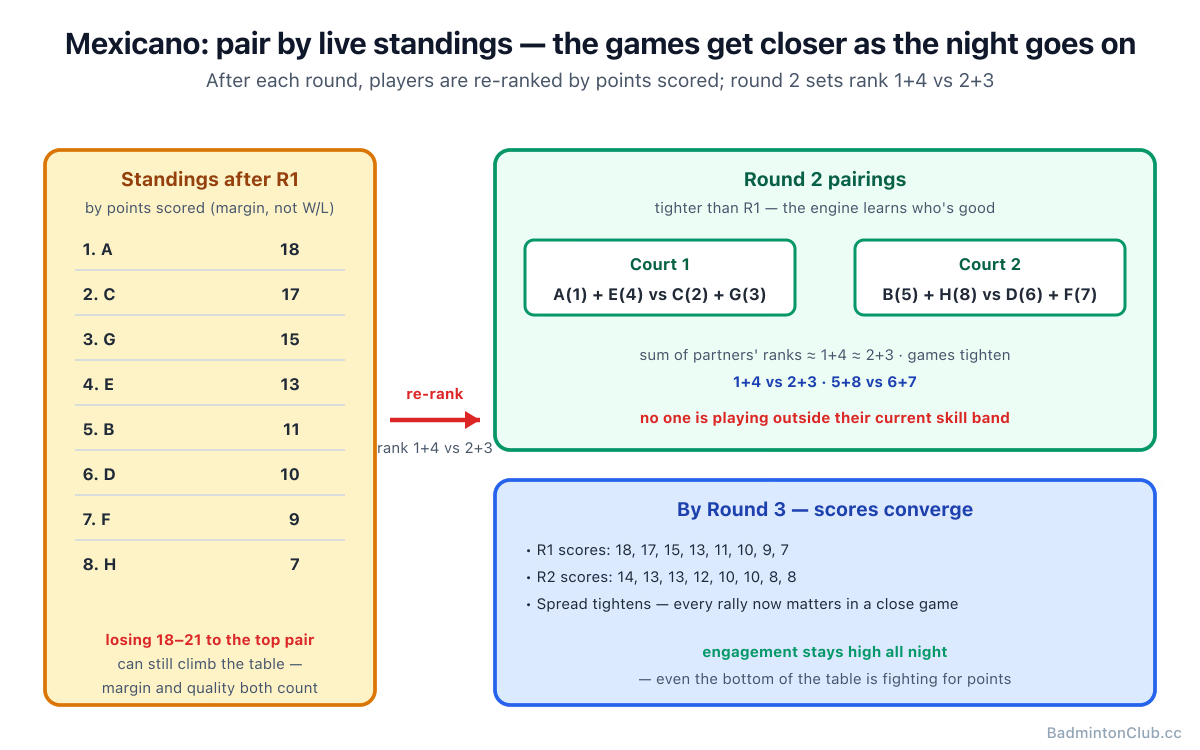
Mexicano pairs players by live score standings each round so games naturally get tighter as the night goes on — no organiser judgement needed. Learn the rules, scoring quirk, pros and cons, and how it compares to other club rotation formats. Great for groups of 8–24 who want every rally to count.
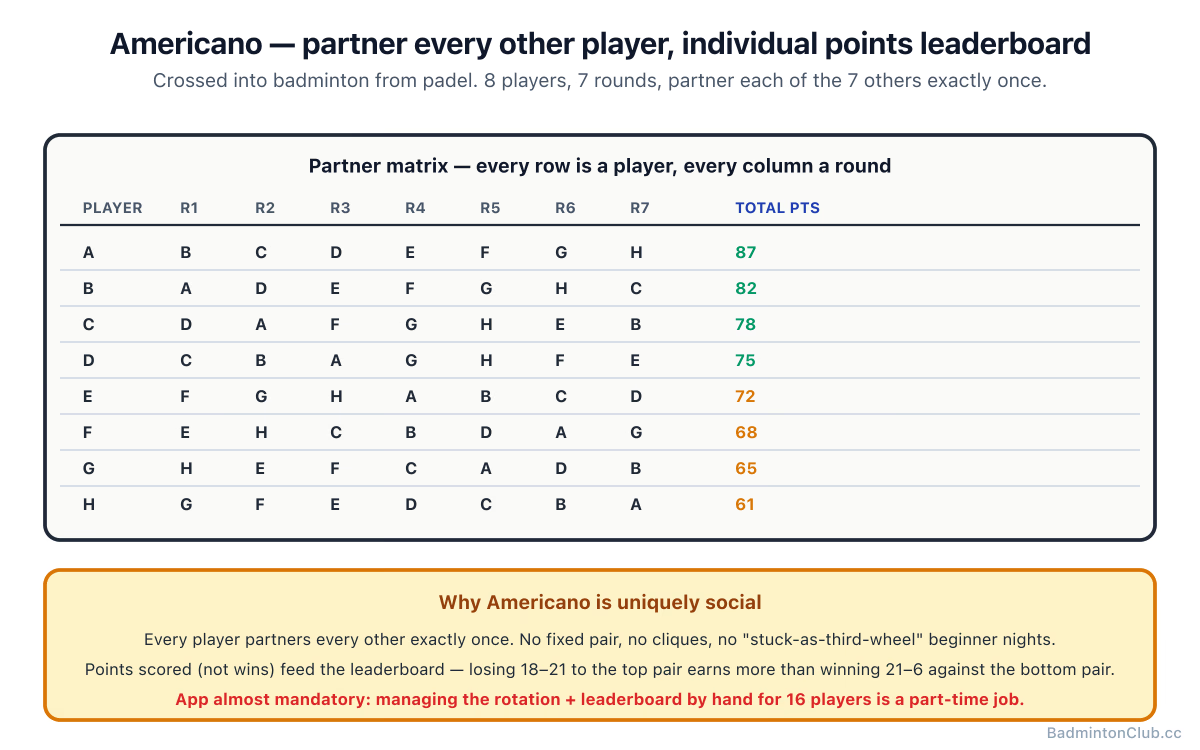
Badminton Americano is a rotating-partner format where everyone plays with everyone and individual points build a personal leaderboard — the most social competitive format on the court. Learn the rules, scoring, ideal group sizes, and how to run it smoothly with or without an app. Ideal for clubs wanting a night that mixes abilities without fixed teams.
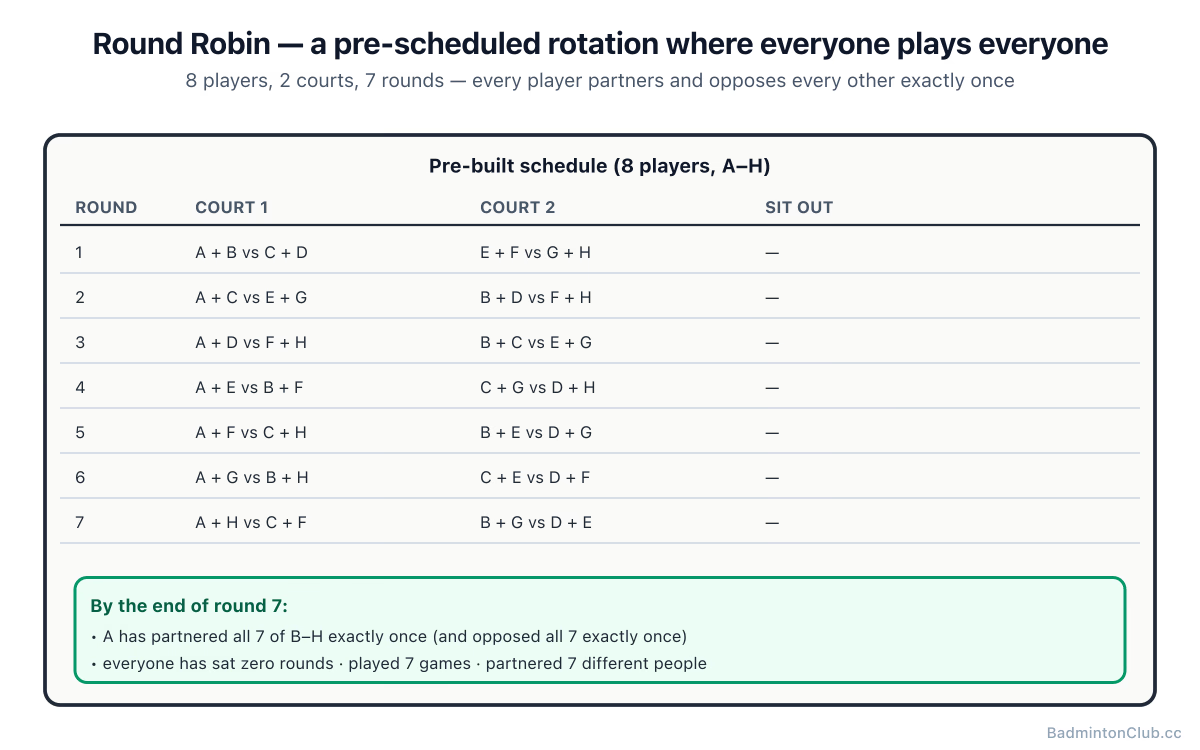
Round robin and Swiss system scheduling give every player an equal share of games, partners, and sit-outs — ideal for club mixers and one-night tournaments. This guide covers how each format works, the key differences between a static spreadsheet and a live generator, and when Swiss pairing beats a full round robin for a fixed group.
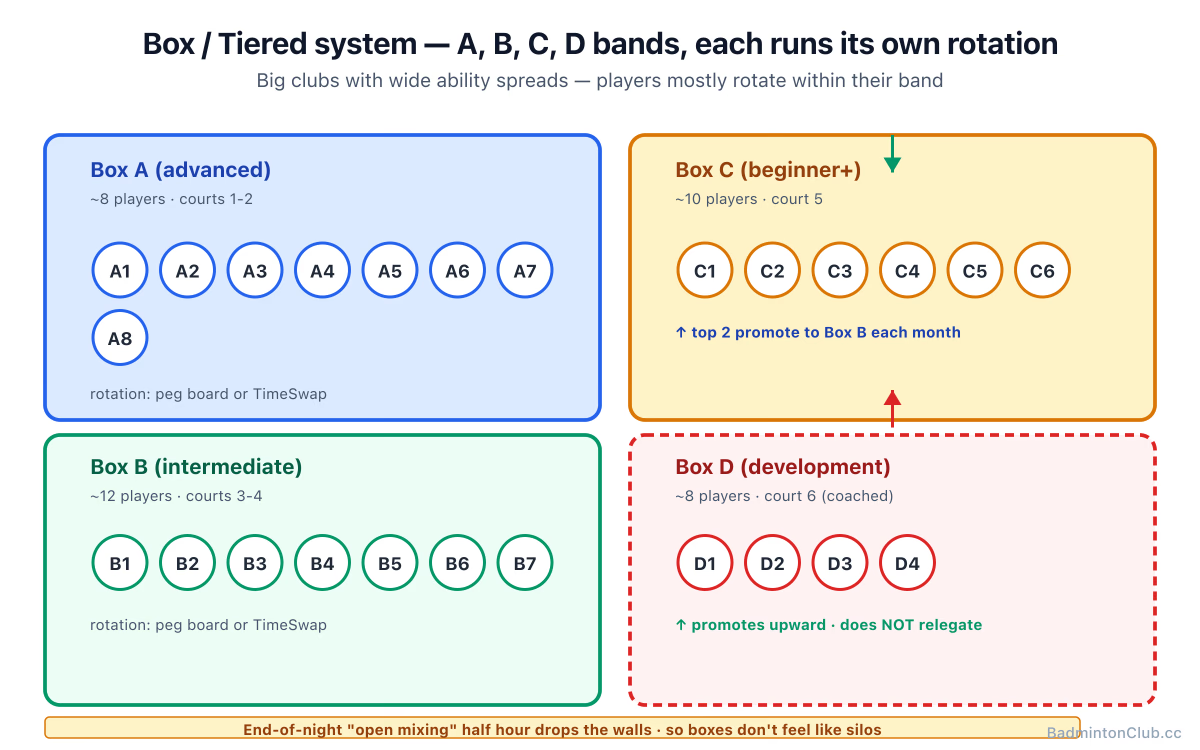
A box (tiered) league divides club members into skill bands — A through D — so every player gets balanced, competitive matches. This guide covers grading players without friction, running promotion-relegation overlays that keep the system fair, and combining box tiers with a free-mixing finale. Ideal for clubs of 40-plus players with a wide spread of abilities.
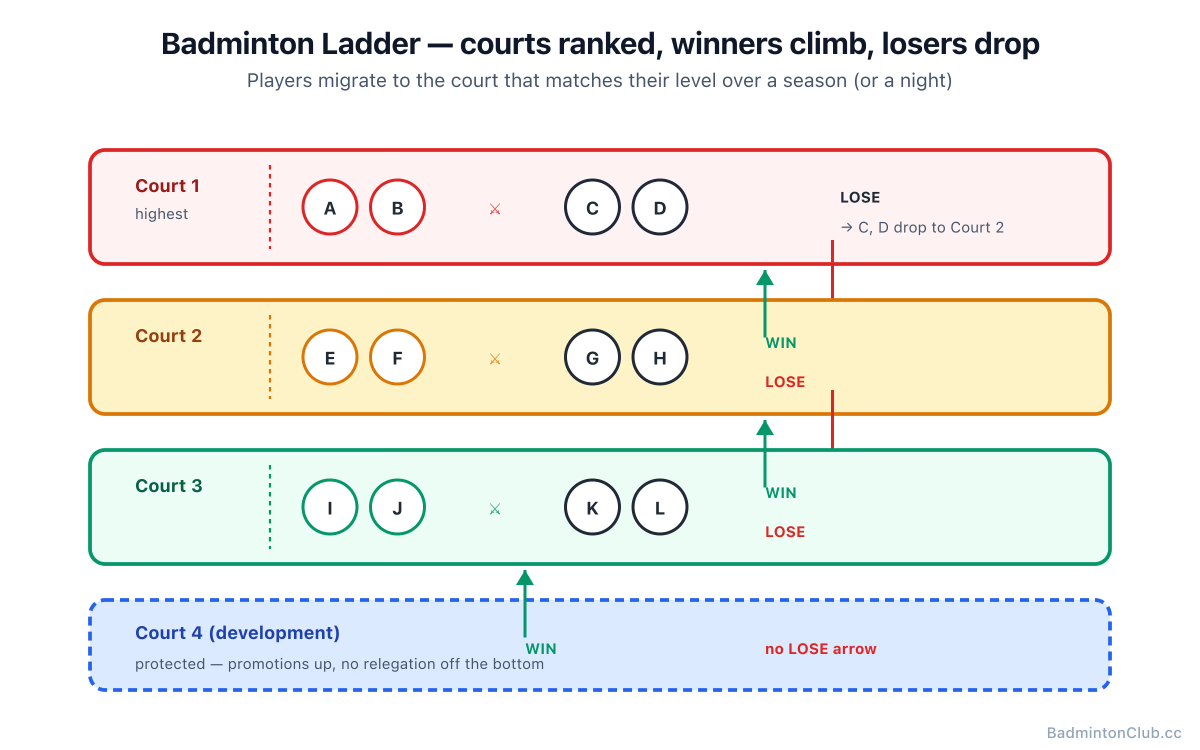
A badminton ladder system ranks courts by ability — winners move up, losers drop down, and players naturally settle where they belong. This guide covers how ladder leagues work, the yo-yo problem and its fixes, protecting beginners with a development court, and when a ladder fits your club better than other rotation systems.
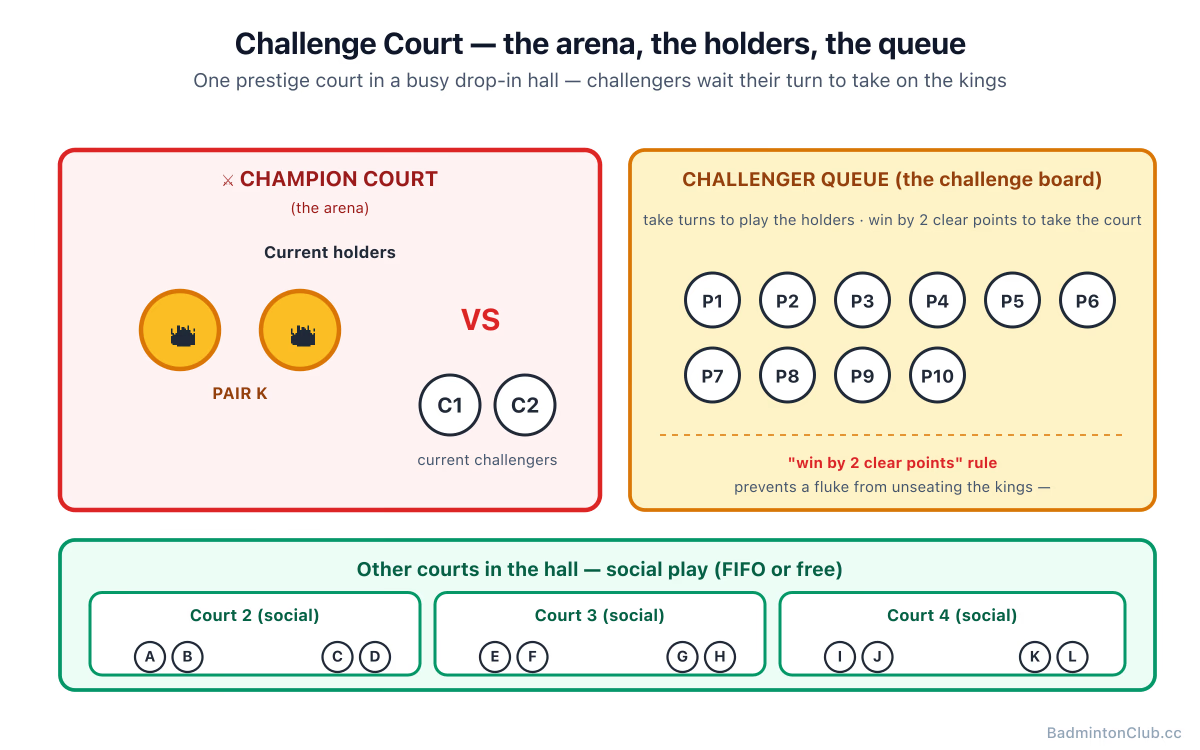
Challenge Court (Champion Court) is the Asian drop-in hall format where winning pairs hold one prestige court and challengers queue to unseat them. Learn how the 2-clear-points rule, defense caps, and challenger etiquette make it work — plus when it shines as a feature court alongside social courts and when it falls flat for beginners.
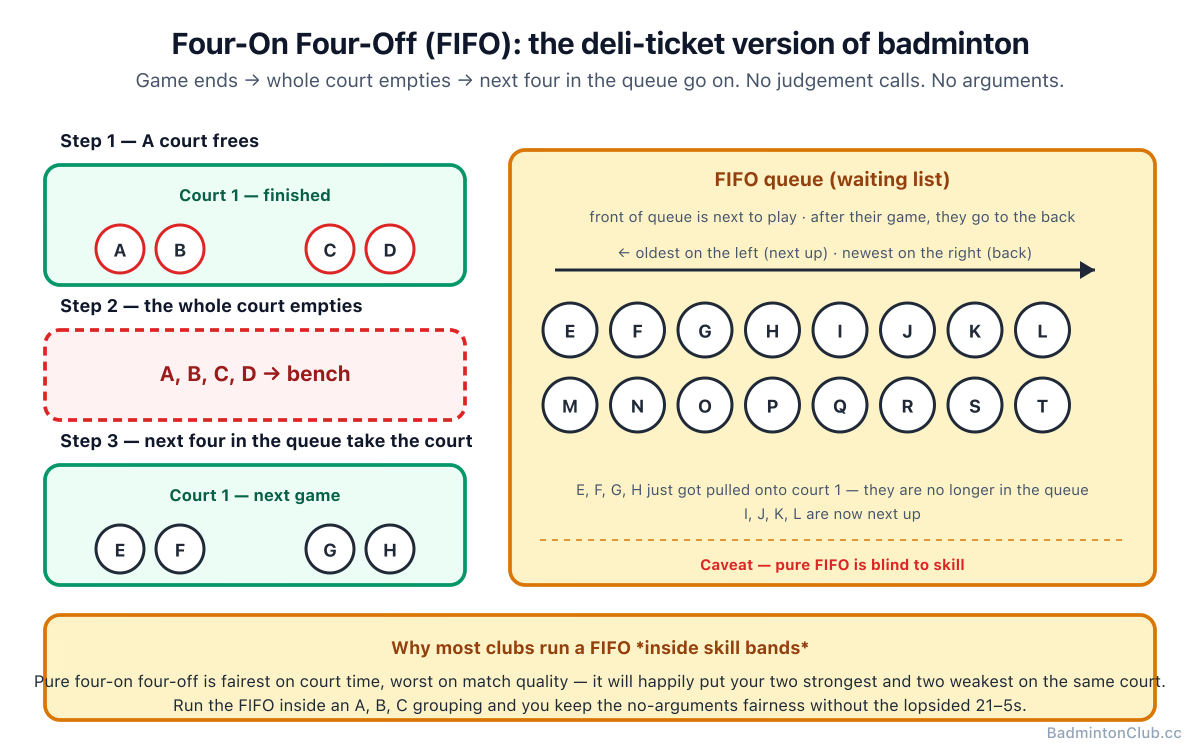
Four-on four-off is the fairest badminton rotation for equal court time: every game ends, all four players leave, and the next four in the queue come on. This guide explains how strict FIFO works, why it suits beginner and school clubs best, how running it inside skill bands fixes the mismatch problem, and when to switch to a different system for competitive continuity.
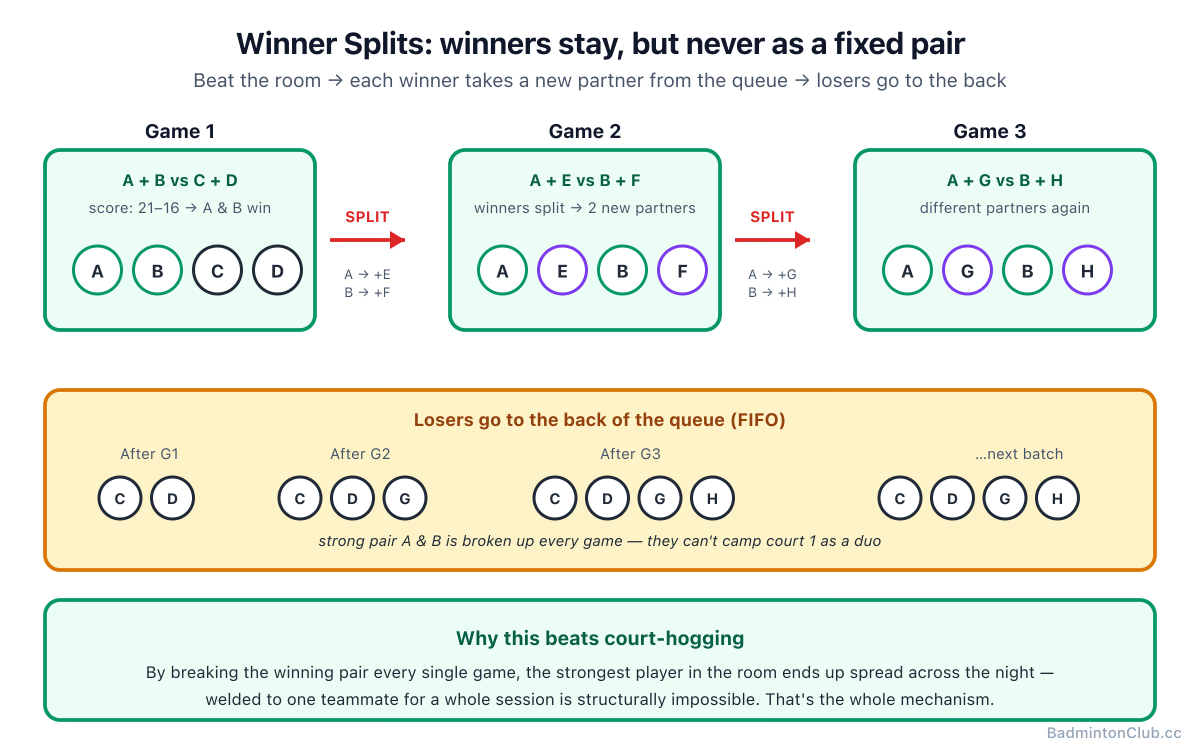
Winner Splits breaks up the winning pair every game so no duo can dominate, making it one of the most social club-night formats. Learn the rules, the stronger-winner refinement, pros and cons, and why it keeps newcomers coming back — ideal for 8–20 players on 1–4 courts.