Badminton Wall Drills: How to Practise Against a Wall and Build Fast Reactions
8 June 2026 · Badminton Fans
A wall is the best training partner money can't buy. It never gets tired, never cancels, and it gives the shuttle straight back every time. The idea is simple: stand a few metres from a smooth, high wall and rally the shuttle against it continuously, building your reactions, your consistency and your grip changes under pressure. Move closer for reflex work, further back for control. It's the most accessible solo training in the sport, and honestly, the reason most people don't do it isn't that it doesn't work — it's that it feels a bit silly standing alone in a hall hitting a shuttle at a wall. Get over that feeling. It works. The only real limitation is that the shuttle comes back on a flat trajectory, not the arc of a real rally, so it's a reactions-and-hands tool, not a full-game simulator.
Setting up: wall, distance and shuttle
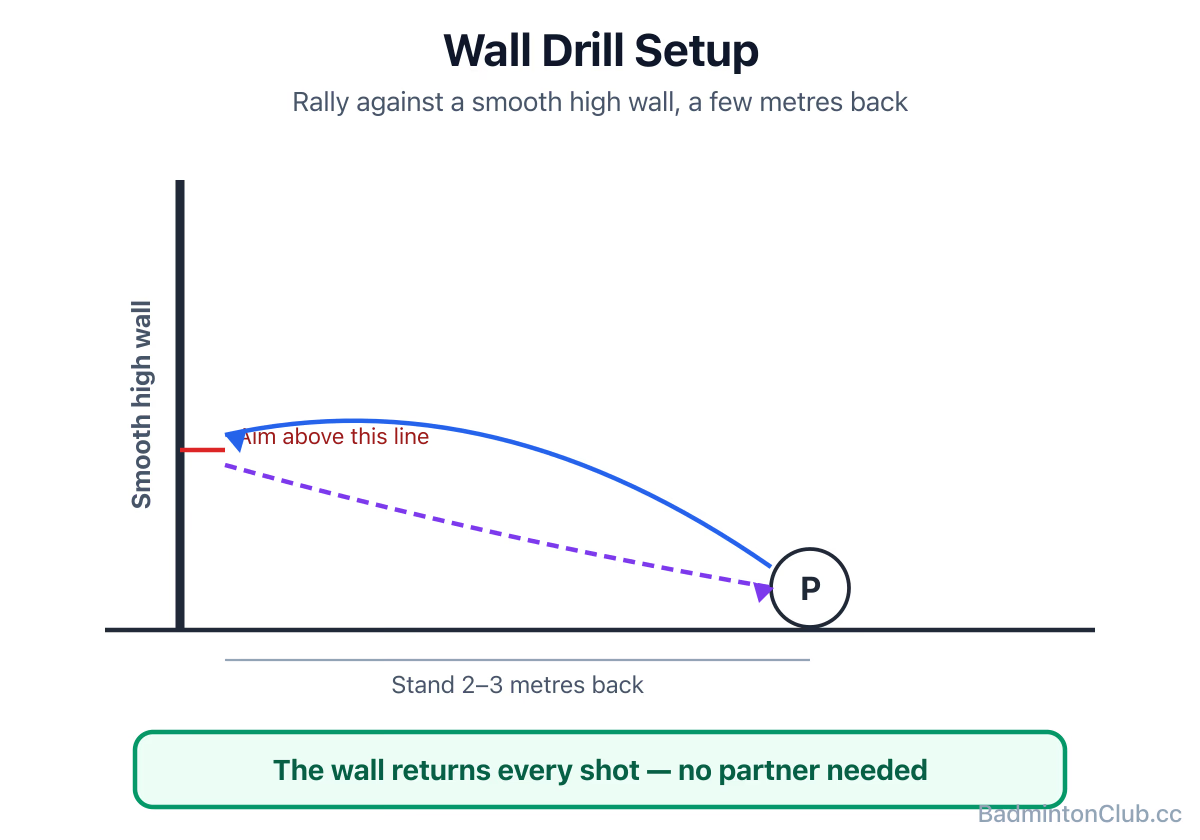
You need very little, but the details matter. Find a smooth, solid wall with plenty of height (a high indoor wall, a garage end wall, a gable) and clear floor in front. Use a plastic/nylon shuttle, not feather — wall impacts shred feathers, and plastic is more consistent off a hard surface. Distance sets the drill: stand 3–4 metres back for controlled continuous rallies, and closer (1.5–2 m) for fast reflex taps. Mark a target height on the wall (a line of tape at roughly net height and above) so you're aiming, not just bashing. And give yourself room behind — you'll back up as the pace builds.
The core wall drills
A handful of drills cover most of the value:
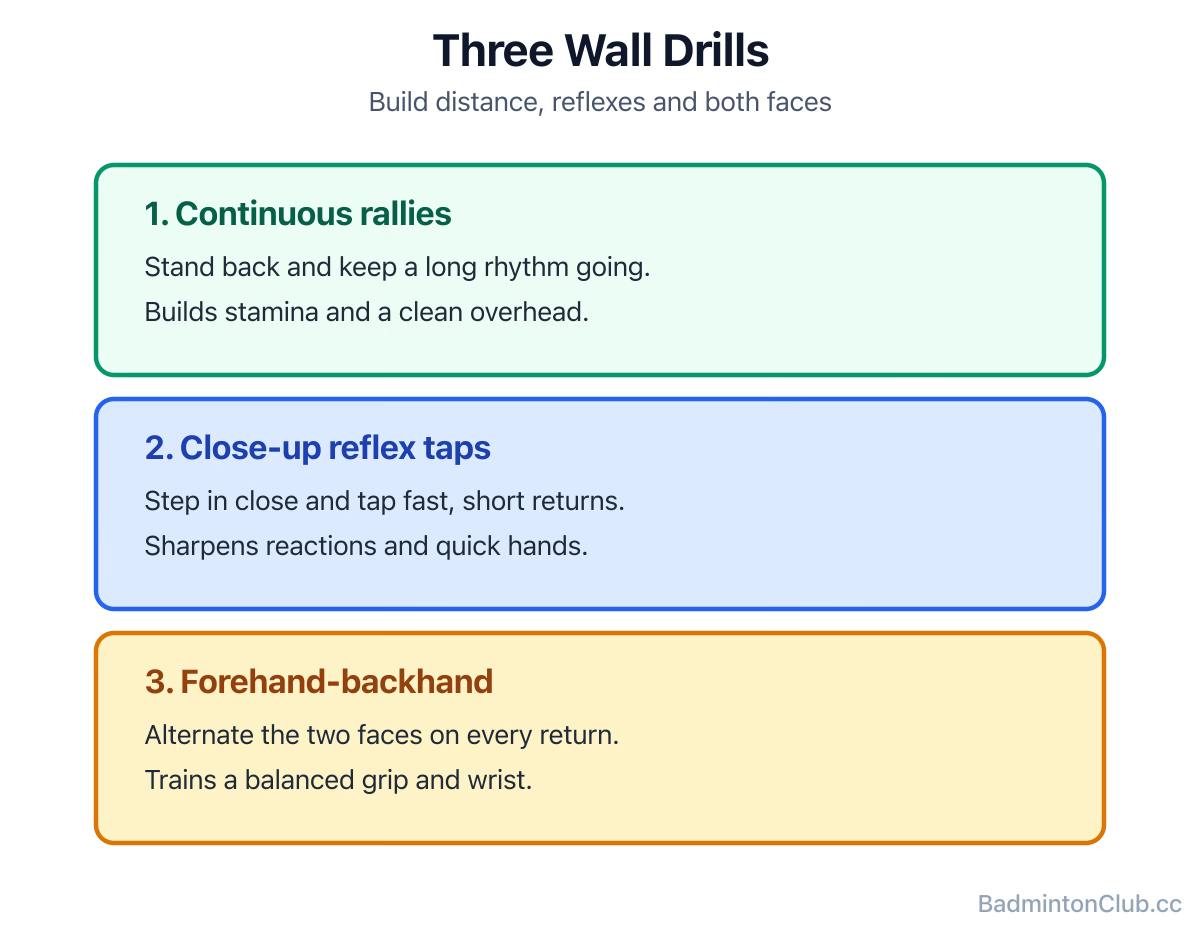
- Continuous rally — from 3–4 m, hit the shuttle against the wall above your target line and keep it going. Count your reps; chase a personal best. This is the bread-and-butter reactions-and-consistency drill.
- Reflex taps — move in close (1.5–2 m) and play fast, short blocks and taps. The shuttle comes back quickly, forcing rapid racket-face changes. Brilliant for fast hands and front-court defence.
- Forehand/backhand alternation — deliberately alternate faces each hit, drilling the grip change that beginners are slowest at under pressure.
- Serve-and-control — practise a low serve into the wall target zone, then control the rebound. Builds serve consistency and soft hands together.
What wall drills are brilliant at — and what they can't do
Be clear-eyed about this so you train the right things. Wall drills are excellent for reactions (the shuttle returns instantly, faster than a human feed), consistency (endless identical reps), grip changes under time pressure, and front-court racket skills. They're the best reflex trainer you can do alone. But the wall has a hard limitation: the shuttle rebounds on a flat, unrealistic trajectory, nothing like the parabola of a real shot, so wall drills don't train true clears, drops, smashes, or anything needing a realistic flight path or footwork over a full court. Treat the wall as a reactions-and-hands gym, not a substitute for court play.
A wall workout that actually works (and the honest catch)
Here's a 20-minute wall session I'd actually recommend: 5 min continuous rallies (3–4 m, count reps, beat your best), 5 min reflex taps (close in, fast and low), 5 min forehand/backhand alternation, 5 min serve-and-control. Short, sharp, measurable. Now the honest catch nobody mentions: wall drills are addictive in a slightly useless way. It's easy to spend an hour bashing a continuous rally because the rep count is satisfying, and feel like you've trained hard — but you've only drilled one narrow skill. Cap the continuous rally and force yourself through the other drills, because the reflex and grip-change work is where the real, transferable gains are. The shuttle hammering off the wall feels like the most productive thing in the world; discipline yourself to spread the time, and it actually becomes one of the best solo tools you've got. Combine it with the broader solo drills and shadow footwork for a complete partner-free session.
FAQ
- Q: Do badminton wall drills actually work? Yes, for specific things: reactions, consistency, grip changes and front-court racket skills, because the wall returns the shuttle instantly and gives endless reps. They won't train realistic clears, drops or footwork — the shuttle rebounds on a flat path — so use them as a reactions-and-hands gym alongside court play.
- Q: How far should I stand from the wall for badminton drills? About 3–4 metres for controlled continuous rallies, and closer (1.5–2 m) for fast reflex taps. The shorter the distance, the faster the shuttle comes back, so use distance to dial the difficulty up or down.
- Q: What kind of wall is best for badminton wall drills? A smooth, solid wall with plenty of height and clear floor in front — a high indoor wall, a garage end wall or a gable. Mark a target line at roughly net height to aim above, and make sure there's room to back up as the pace builds.
- Q: What shuttle should I use for wall drills? A plastic/nylon shuttle, never feather — hard wall impacts destroy feather shuttles fast and plastic rebounds more consistently. A couple of durable plastic shuttles will outlast hours of wall practice.
- Q: What's the best wall drill for fast reactions? Close-up reflex taps: stand 1.5–2 m from the wall and play fast, short blocks and taps so the shuttle comes back quickly, forcing rapid racket-face changes. It's the single best drill for the fast hands that front-court defence needs.
- Q: Can wall drills replace playing with a partner? No — they build reactions, consistency and hands brilliantly, but can't teach shot selection, anticipation or realistic shot trajectories. Use wall drills and solo footwork to sharpen mechanics, then apply them in real games at a club. The combination is what improves you fastest.
Badminton wall drills turn any smooth high wall into a tireless hitting partner. This guide covers how to set up, how far to stand, and the specific wall drills that build reactions, consistent contact and grip changes — from steady continuous rallies to close-up reflex taps and serve-and-control work. Wall practice is the most accessible solo training there is, and done right it sharpens the fast hands and consistency that no amount of casual play seems to fix.