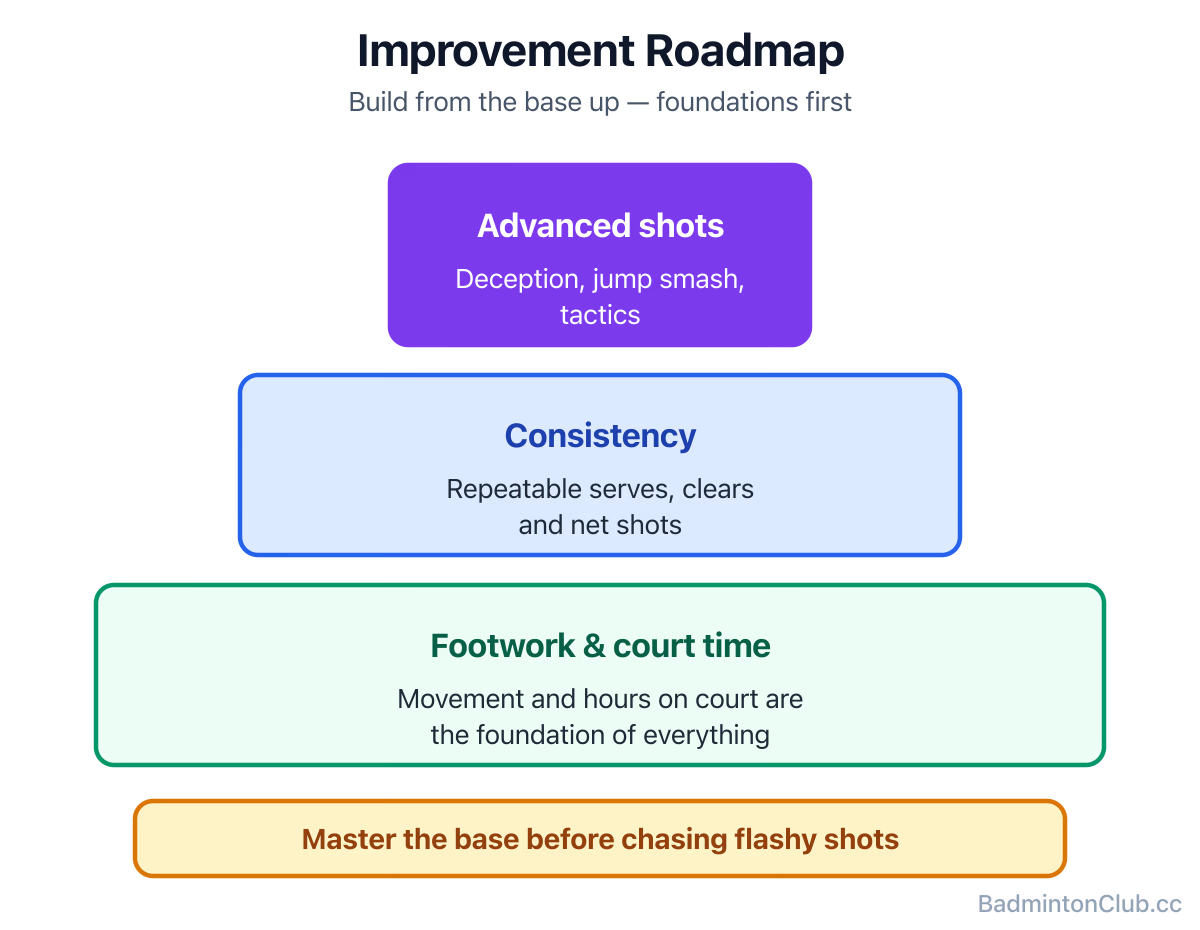
Want to know how to get better at badminton? Forget chasing a harder smash — real improvement comes from footwork, court time, fixing one weakness at a time, and playing people better than you. This is a practical, no-nonsense plan covering what to work on and in what order, how to structure practice, the habits that quietly separate levels, and the mindset that turns a casual player into a genuinely good one. The fixes are unglamorous, but they work.
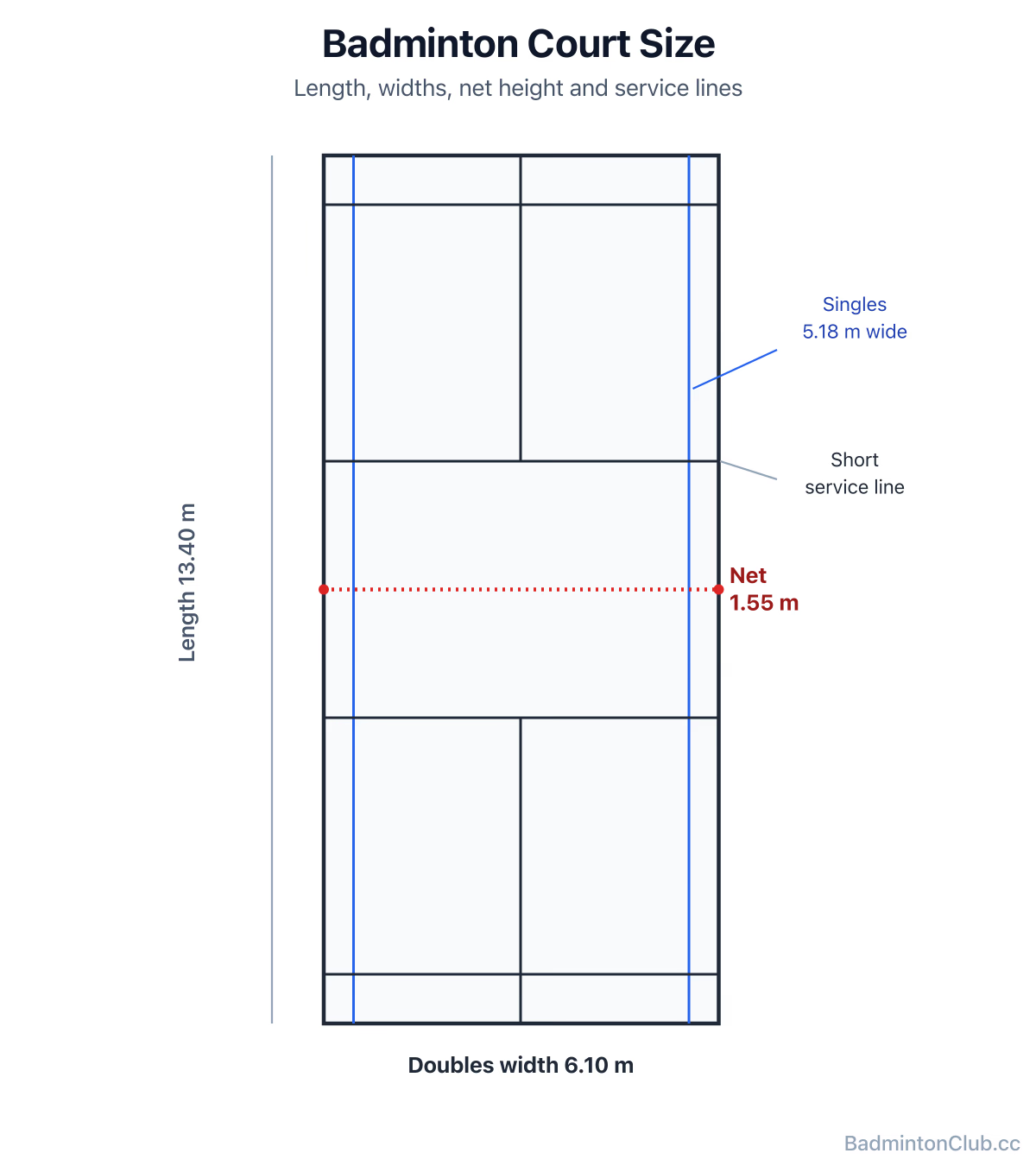
The official badminton court size is 13.40 m long and 6.10 m wide for doubles, narrowing to 5.18 m for singles, with the net at 1.55 m. This guide gives every measurement that matters — court length and width, net height, service lines and tramlines — explains the singles-versus-doubles boundary switch that confuses everyone, and shows how much space you actually need to fit a court at home or in a hall, all with a clear labelled diagram.
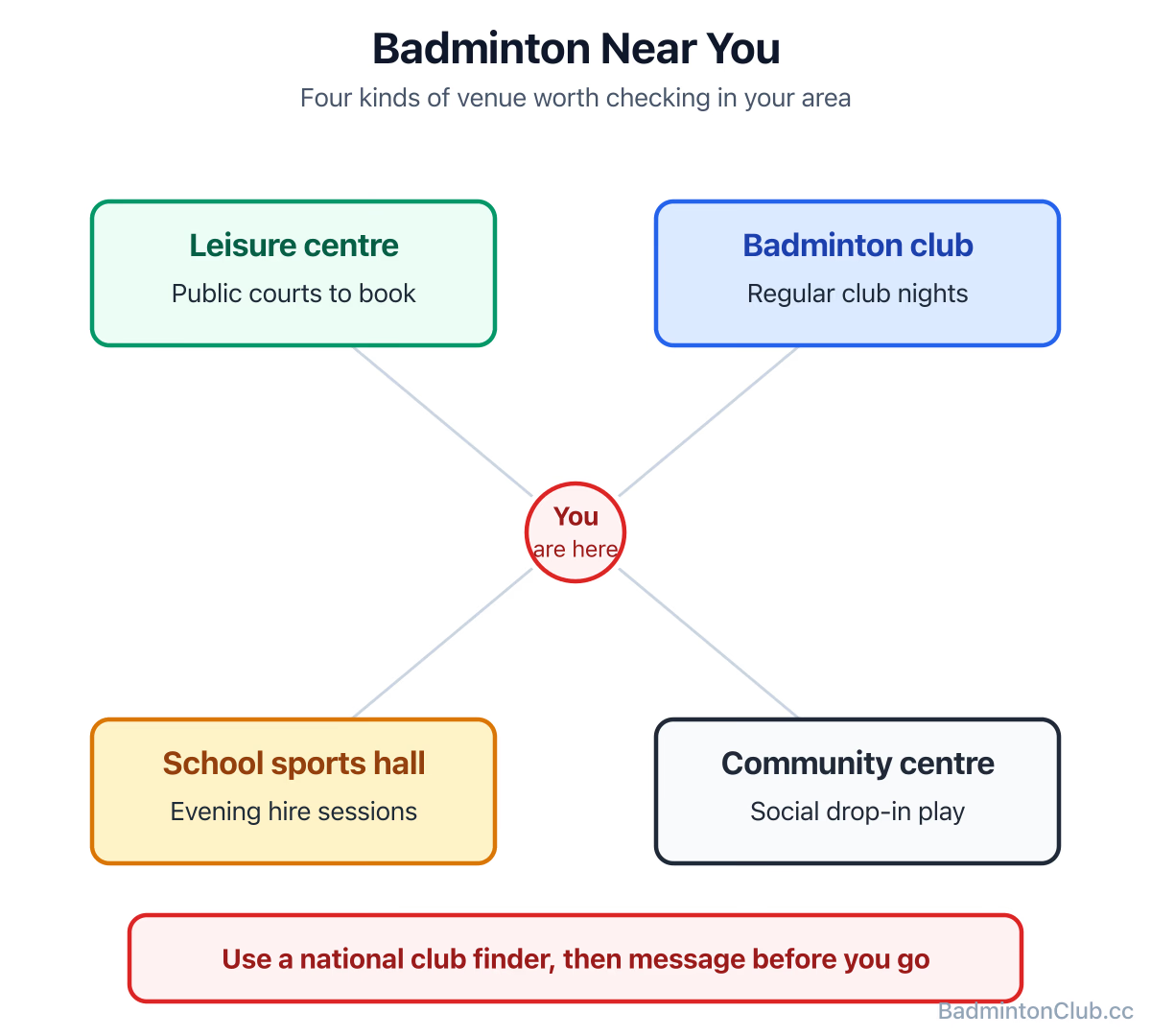
Searching for badminton near you? Here's how to actually find courts, clubs and drop-in sessions close to home — what to type into a map search, where leisure-centre and community-hall games hide, how to tell a beginner-friendly club from a competitive one, and what a typical session costs and looks like. This is the practical, no-fluff guide to going from 'I want to play' to standing on a court this week, whether you want casual social games or a proper club.
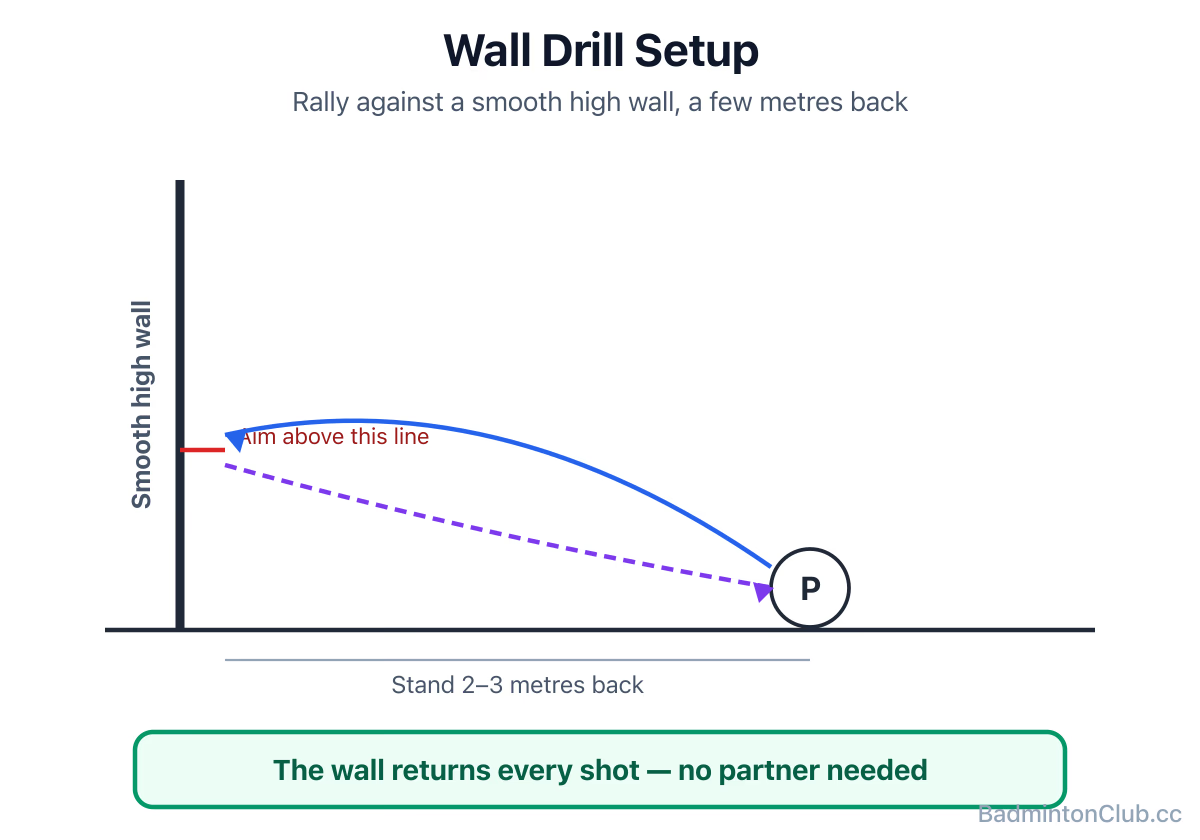
Badminton wall drills turn any smooth high wall into a tireless hitting partner. This guide covers how to set up, how far to stand, and the specific wall drills that build reactions, consistent contact and grip changes — from steady continuous rallies to close-up reflex taps and serve-and-control work. Wall practice is the most accessible solo training there is, and done right it sharpens the fast hands and consistency that no amount of casual play seems to fix.
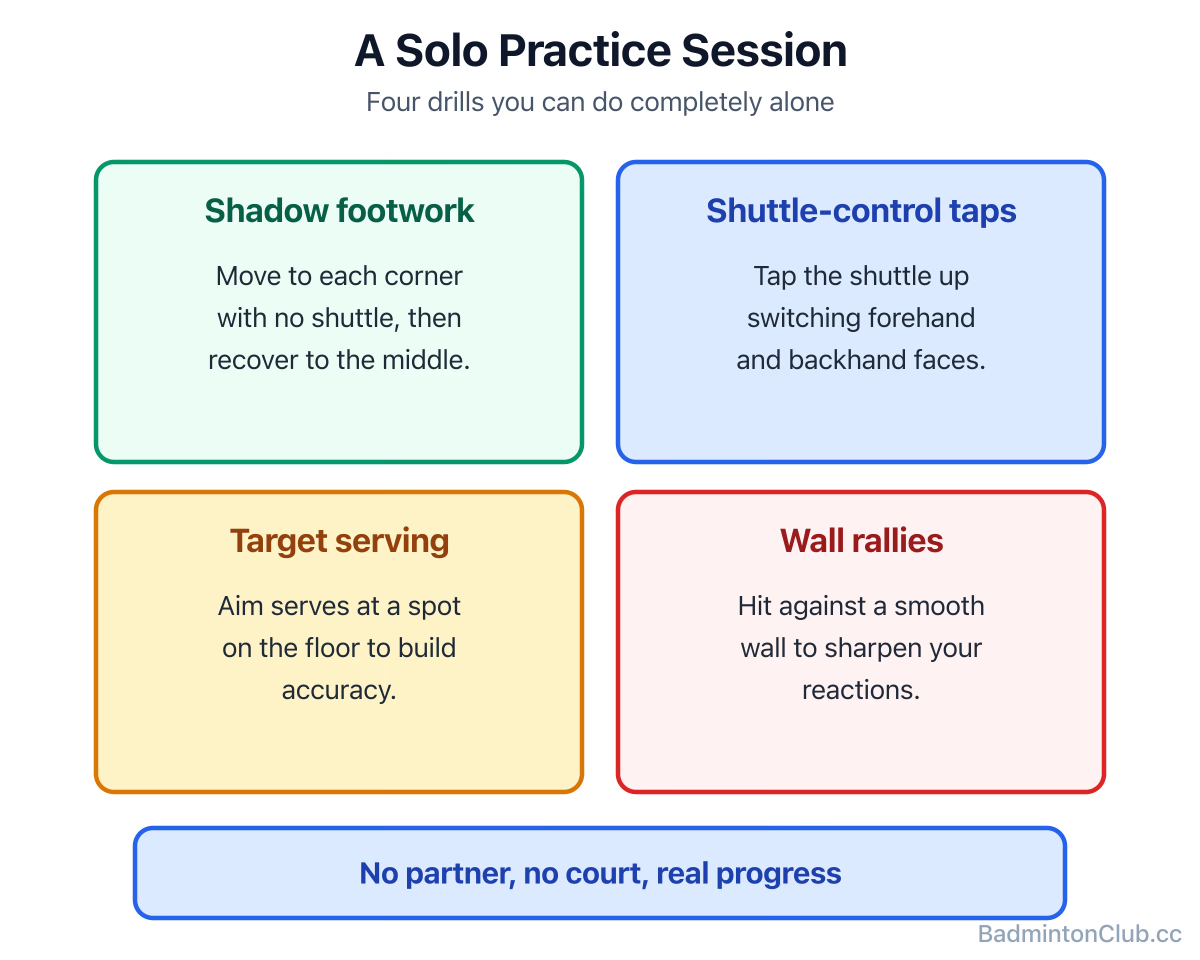
No partner? You can still get meaningfully better with badminton drills for one person. This covers the solo work that genuinely transfers — shadow footwork, shuttle-control taps, serving practice against a target, and wall rallies — plus how to structure a focused solo session so you build the footwork and consistency that hold most players back. Practising alone won't replace match play, but done right it improves the exact skills that need reps, not an opponent.
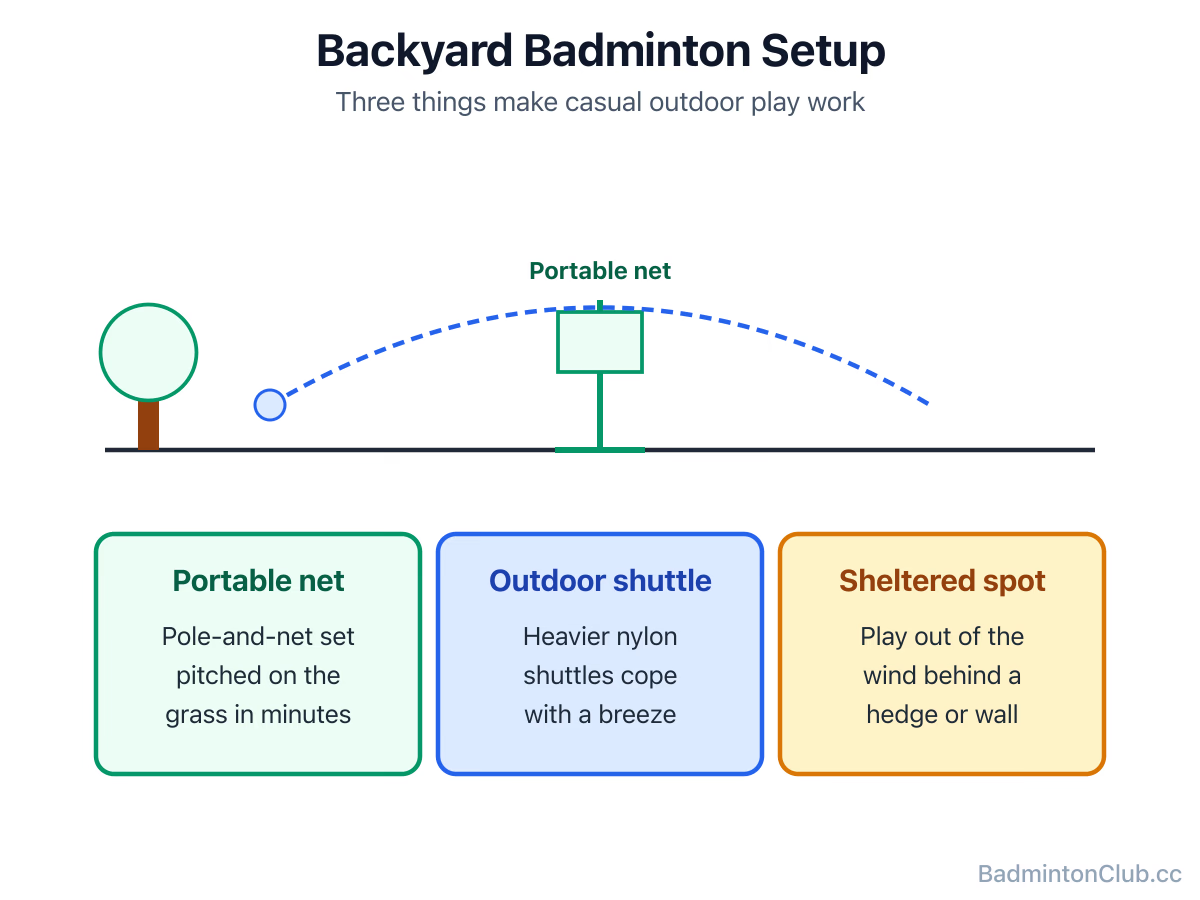
Can you play badminton at home? Yes — in the backyard, the garden, even indoors without a proper net — as long as you manage the one thing that ruins it: wind, and a low ceiling. This guide covers realistic backyard badminton setups, how to play without a net using a line or string, the right shuttles for outdoors, and how home play differs from the real indoor game, so your garden games are fun rather than frustrating.
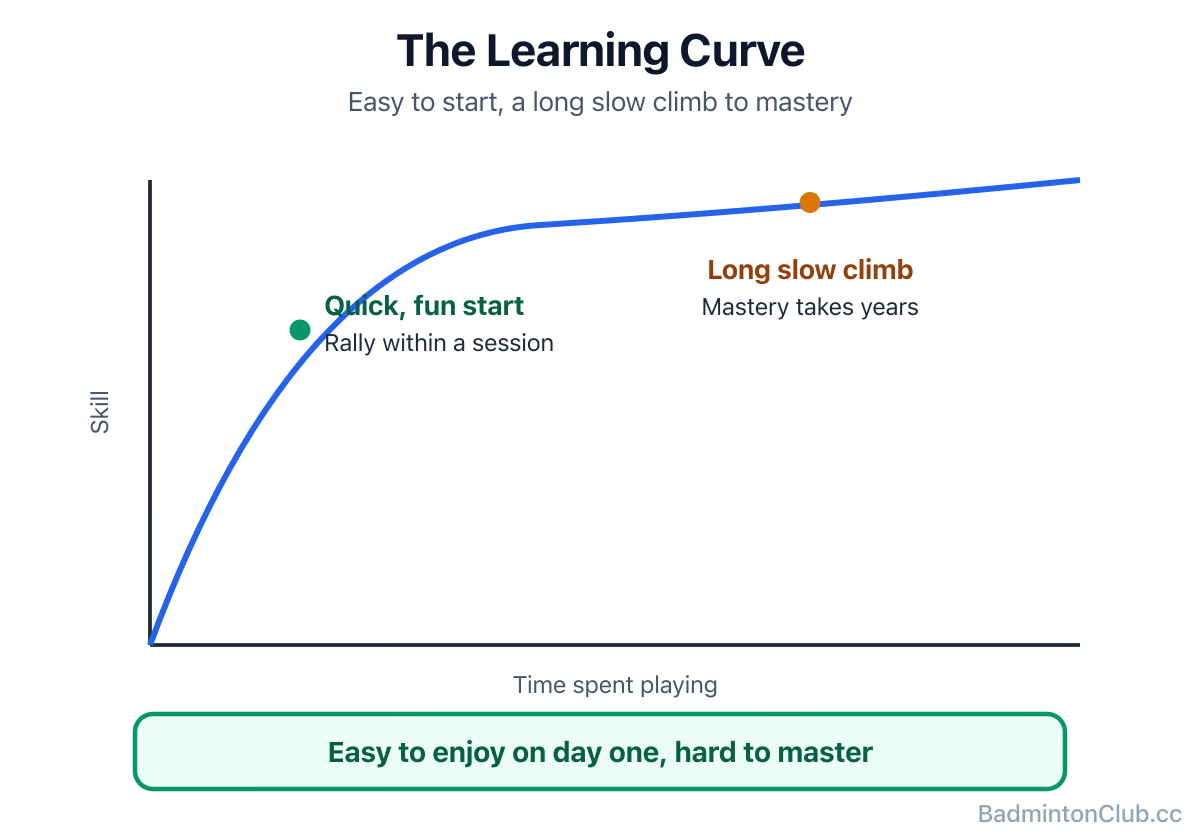
Is badminton hard to learn? The honest answer: it's one of the easiest sports to start — most people can rally within an hour — but one of the hardest to truly master. This explains exactly what's easy on day one, what takes weeks (footwork, a legal serve, the overhead swing) and what takes years (deception, stamina, anticipation), so you know what to expect and why the gentle learning curve is what makes badminton so addictive.
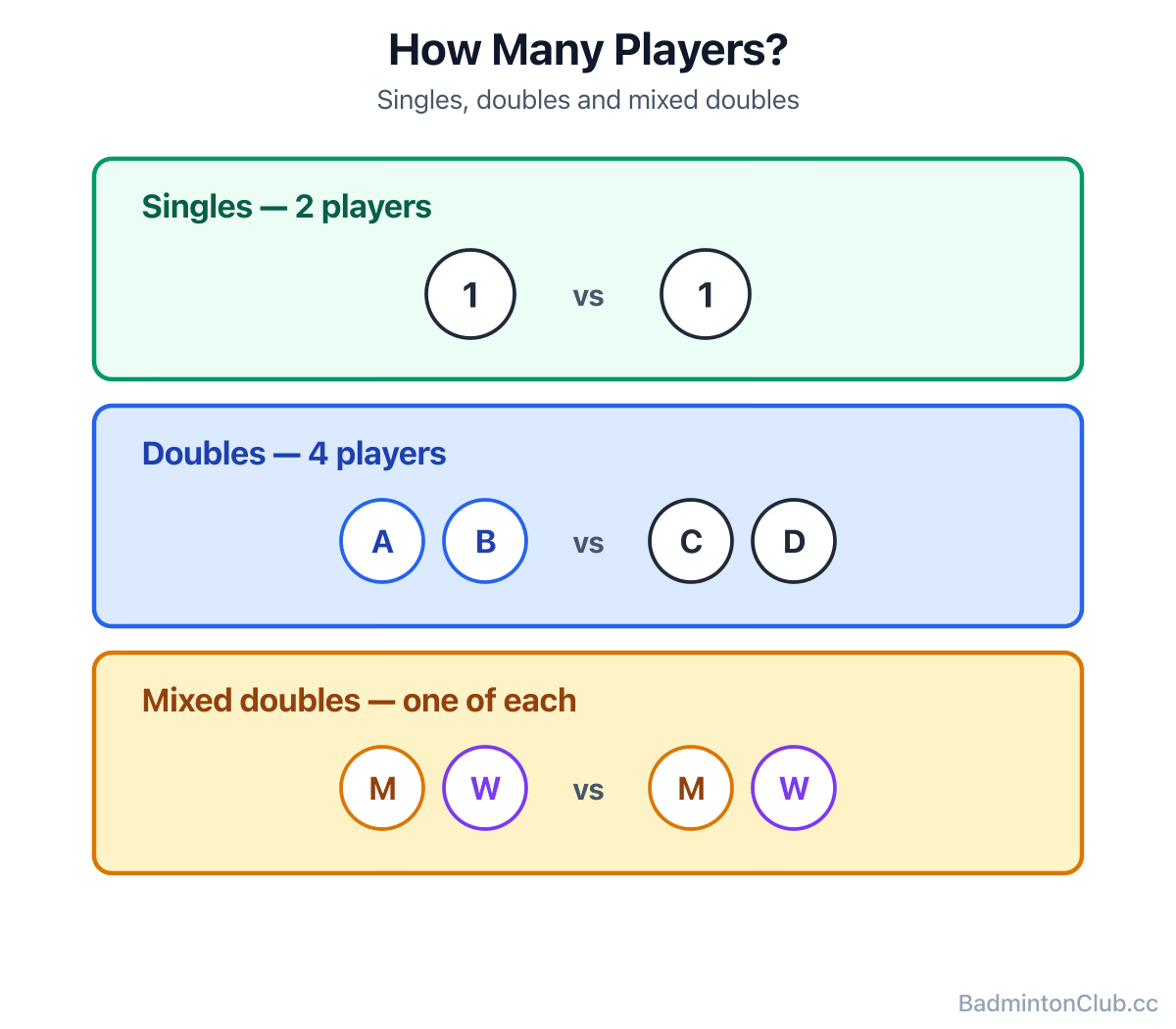
Badminton is played by two players in singles (one each side) or four in doubles (two pairs) — but the simple answer hides why it matters: the format changes the court width, the serving rules, the tactics and even how clubs organise a busy night. This guide covers every format including mixed doubles, how many people you need to actually play, and how a hall of dozens shares a handful of courts fairly.
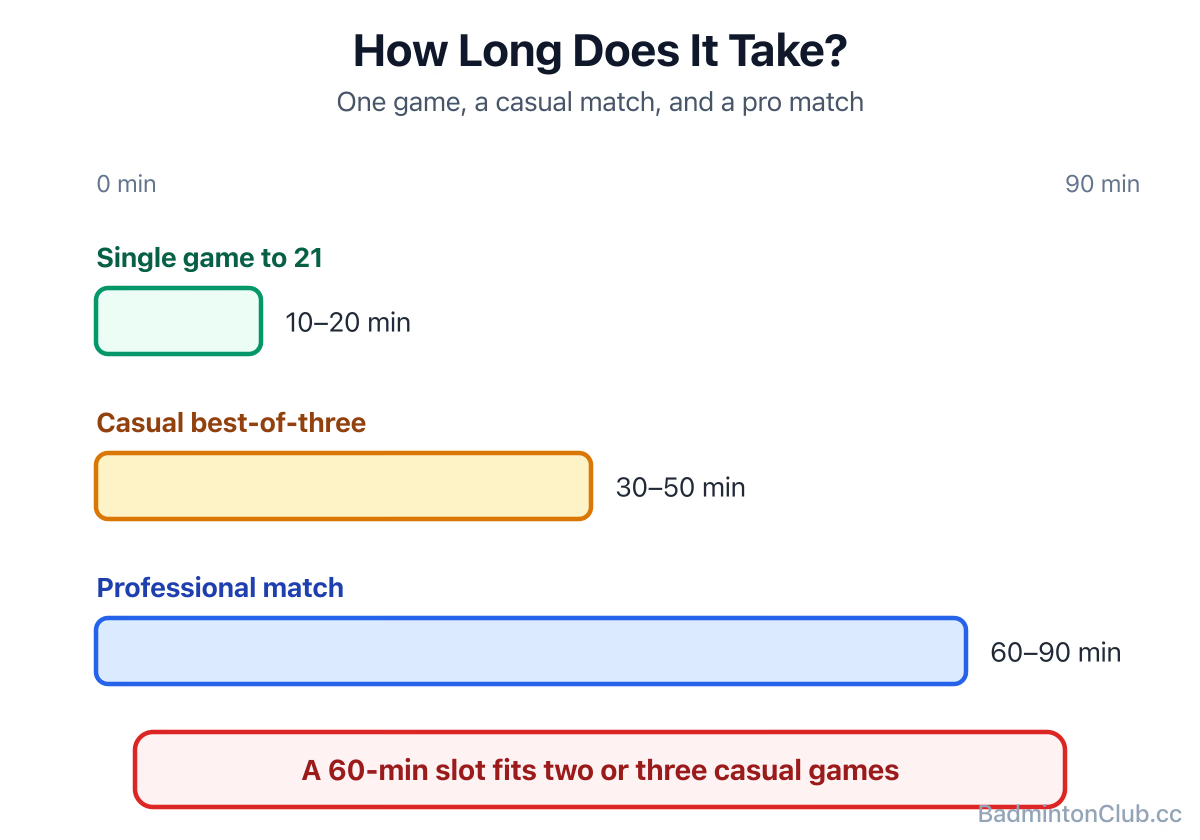
How long is a badminton match? A recreational game to 21 takes about 15–25 minutes, a full casual best-of-three runs roughly 30–45 minutes, and a professional match averages 40–50 minutes — with tight singles sometimes passing an hour. This explains what actually drives the time (scoring, rally length, rest breaks), how many games fit a typical court booking, and where the record longest match of 161 minutes came from.
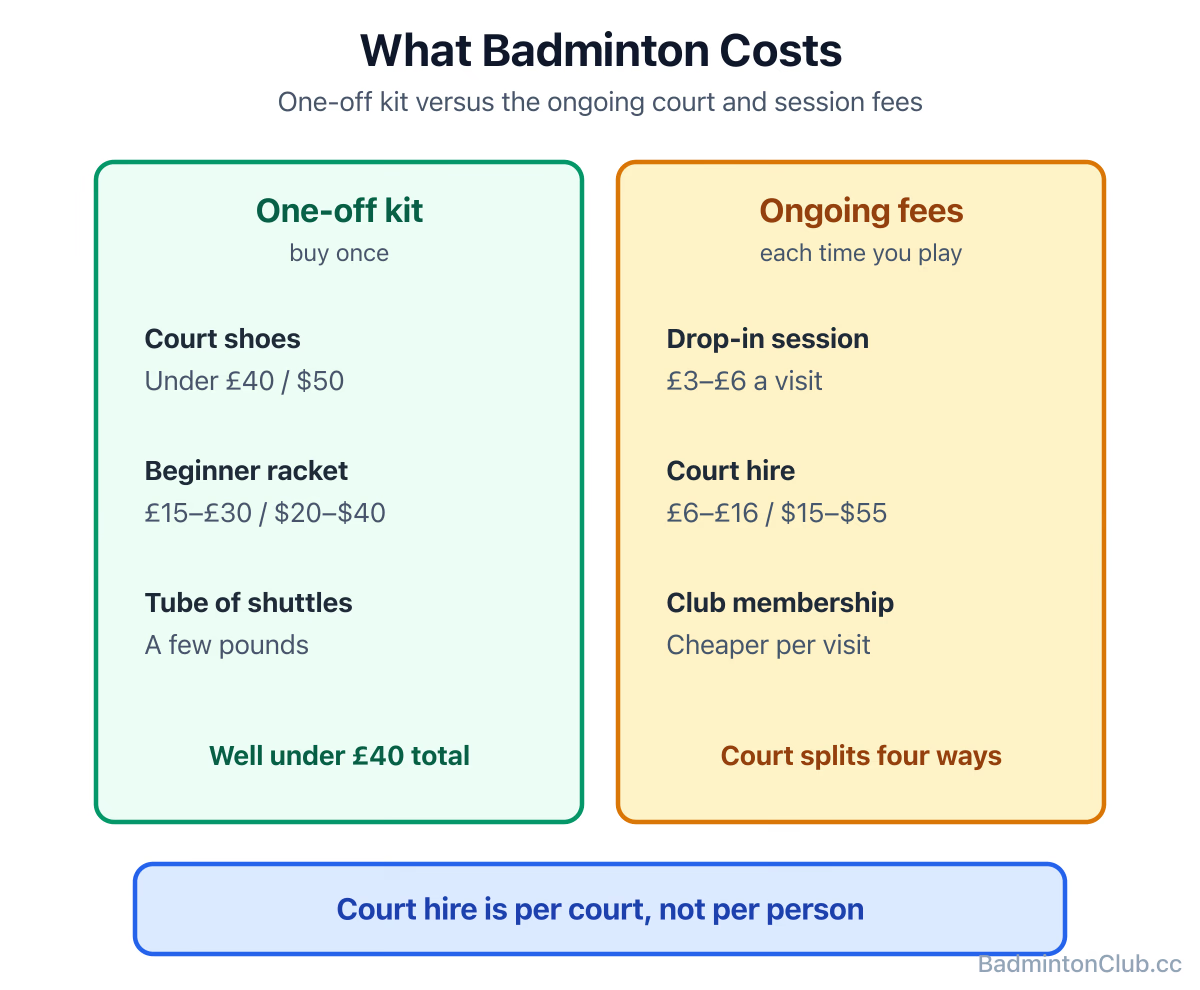
How much does badminton actually cost to play? This breaks down every expense — court hire, club membership, drop-in sessions, rackets, shoes and shuttles — with real UK and US prices, then builds a realistic monthly budget for a casual player and a regular club player. Badminton is one of the cheapest racket sports to start, and this shows you exactly where the money goes and how to play well for very little.
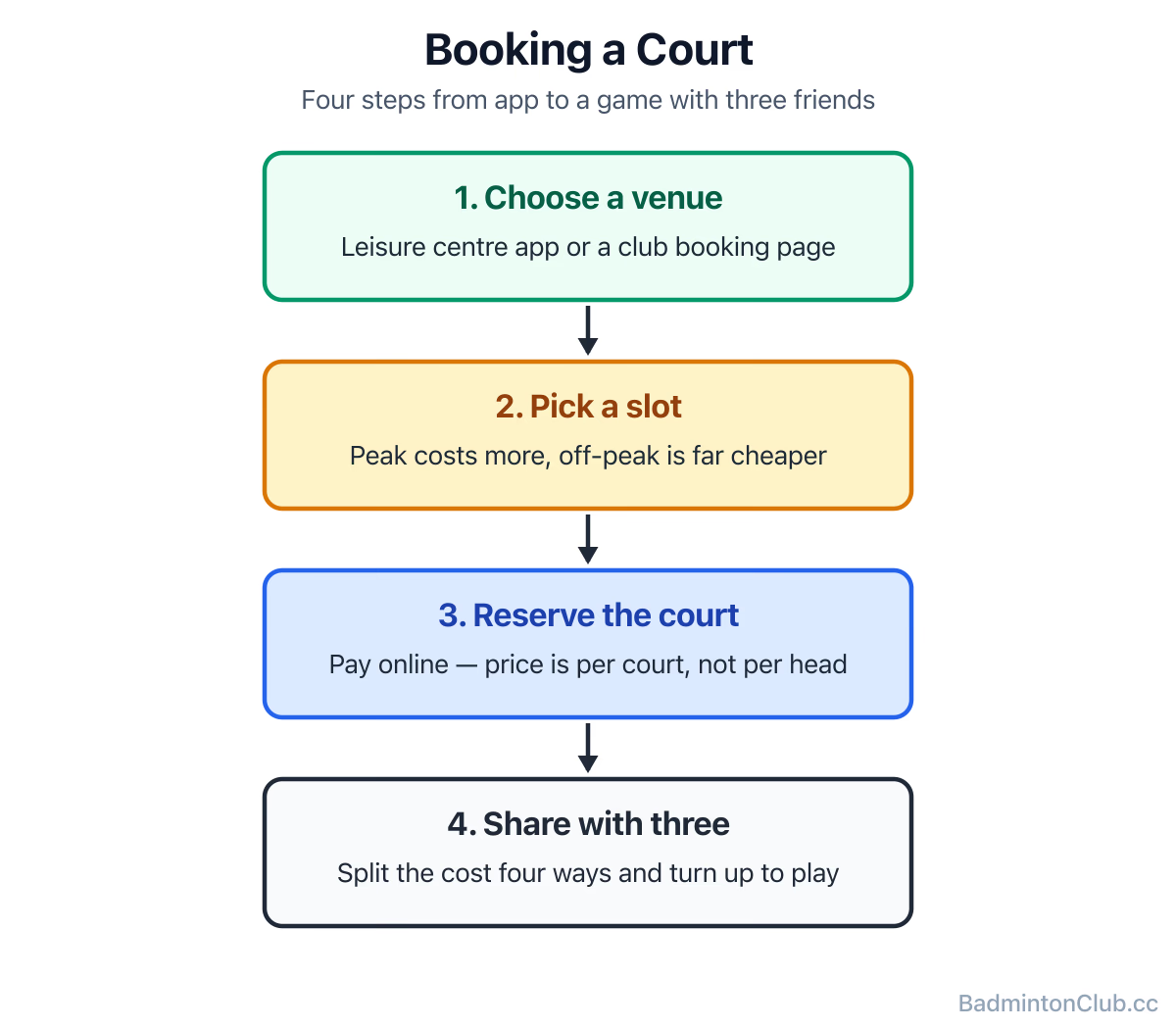
A simple guide to badminton court booking: how to reserve a court at a leisure centre or badminton club, how far ahead to book, how peak and off-peak pricing works, and the booking mistakes that cost you money or a wasted trip. Whether you're organising a weekly game for four or running a club night across several courts, here's how to lock in court time reliably — and the tricks regulars use to get the cheap slots.