How Much Does Badminton Cost? Courts, Kit, Clubs and a Real Budget
8 June 2026 · Badminton Fans
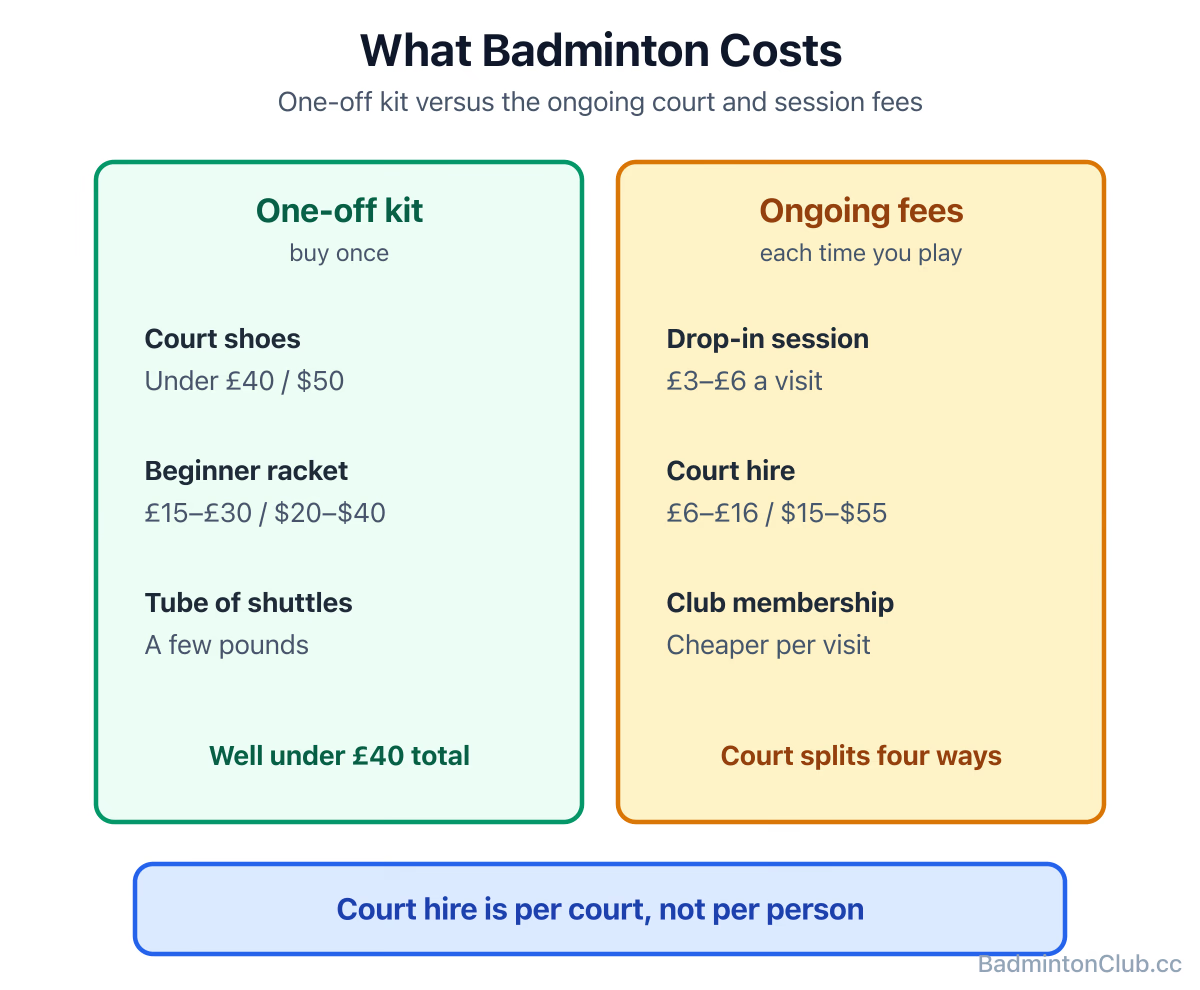
Badminton is one of those rare sports where a good night out costs about the same as a coffee and a sandwich. A casual drop-in session runs around £3–£6 in the UK, or a small door fee in the US. Hire a whole court for an hour and it's about £6–£16 in the UK or $15–$55 in the US — and if you split that between four players, it's pocket change per person. Your only real start-up costs are a pair of court shoes, a basic racket, and a tube of shuttles, all of which you can get for well under £40 or $50. There are no green fees, no expensive balls that you'll lose in bushes, no membership necessary on day one. You can literally walk into a hall with a borrowed racket and play for the price of a meal deal. Try doing that with golf or horse riding.
The ongoing costs (court time and sessions)
This is where most of your money goes, and it's still not much. Casual / drop-in sessions are the cheapest play: about £3–£6 in the UK for a couple of hours of organised doubles, often with rackets you can borrow. Court hire is roughly £6–£16 per court per hour at UK public centres (off-peak from ~£6.50, peak/London toward £16) and $15–$30 at general US facilities, rising to $30–$55 at dedicated US badminton centres at peak times. Crucially, court hire is per court, not per person — four players splitting a £12 court pay £3 each.
Club membership trades a lump sum for cheaper, priority play: pay a term or season fee and your weekly session works out far cheaper per visit than ad-hoc hire. If you play every week, membership almost always wins.
The one-off costs (kit you buy once)
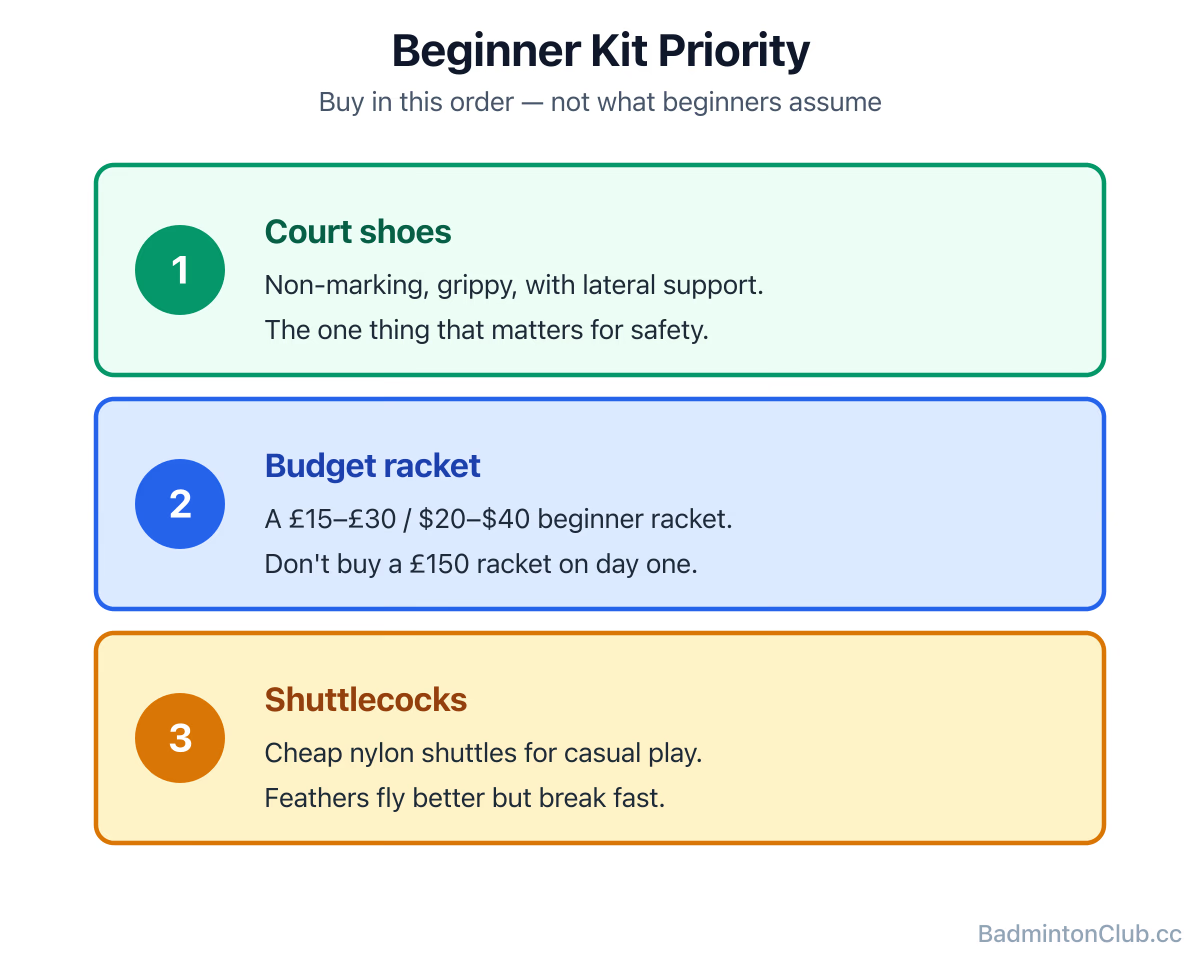
You need surprisingly little to start, and the order of importance is not what beginners assume:
- Indoor court shoes — the one thing that genuinely matters for safety. Non-marking, with grip and lateral support. A budget pair is fine; running shoes are a sprained-ankle risk on the stop-start movement.
- A racket — a £15–£30 / $20–$40 beginner racket is perfect until you know your game. Do not buy a £150 racket on day one; you can't yet feel the difference.
- Shuttlecocks — cheap nylon/plastic shuttles for casual play (durable, a few pounds for a tube); feather shuttles fly better but cost more and break fast, so they're for clubs and matches.
A realistic monthly budget
Numbers make this concrete. A casual player doing one drop-in a week spends roughly £12–£24 / month in the UK on sessions, plus maybe a tube of shuttles now and then — call it under £30 a month all in once you own shoes and a racket. A regular club player with a termly membership and a weekly slot lands in a similar ballpark per month, often less per session because membership undercuts ad-hoc hire. Either way you're looking at the price of a couple of takeaways a month to play a sport weekly.
The big one-off is the start-up kit — shoes, racket, shuttles — which you can do for under £40 / $50 and which then lasts a season or more.
Where people waste money (and where they shouldn't skimp)
Two honest opinions after watching beginners spend. Where people waste money: the expensive racket. A newcomer cannot feel what a £150 racket does that a £25 one doesn't, and they'll likely change their grip and swing over the first year anyway. Buy cheap, upgrade once you actually know what you want. Where you should not skimp: shoes. This is the only purchase with a safety cost attached — badminton is constant lunging and lateral pushing, and a worn or unsupportive shoe is how people roll an ankle. Spend on the shoes, save on the racket. That's backwards from what most beginners do.
One more saver: the cheapest route into the sport is almost always a club or social session, not court hire, because the per-person cost is tiny and you don't need to bring three friends. Splitting a court four ways is cheap; a club session is often cheaper still.
The hidden cost nobody budgets for: organising
Here's a cost that never appears on a price list but quietly kills casual groups — the cost of organising. When four friends decide to "play badminton every week," somebody has to book the court, chase everyone for money, work out who's coming, and eat the bill when two people bail and the court's already paid for. That unpaid admin job has a real cost: it burns out the organiser, and it's why most informal groups fizzle within a couple of months. The groups that last either share that load or use a tool to carry it — a shared booking, a clear way to confirm attendance, a peg board or an app like BadmintonClub.cc to handle the rotation and headcount. The money cost of badminton is low. The organisational cost is the one that actually ends most casual groups, so plan for it.
FAQ
- Q: How much does it cost to play badminton? Very little: a casual drop-in is around £3–£6 in the UK, a hired court is £6–£16/hour (UK) or $15–$55/hour (US) split between up to four players, and start-up kit (shoes, racket, shuttles) is under £40. It's one of the cheapest racket sports to take up.
- Q: Is badminton an expensive sport? No — it's among the cheapest racket sports. There's no costly ball, no green fees, and you can play a full session for the price of a coffee or two. The only real one-off spend is court shoes, a budget racket and shuttles.
- Q: How much is a badminton racket for a beginner? A good beginner racket costs about £15–£30 (or $20–$40). Don't buy an expensive one on day one — you can't yet feel the difference, and your swing will change over the first year. Upgrade later once you know your game.
- Q: What's cheaper, joining a club or hiring a court? If you play weekly, club membership is usually cheaper per session than ad-hoc court hire, and it gets you a fair rotation and people to play with. Court hire only wins if you play rarely and already have three friends to split it with.
- Q: How much do shuttlecocks cost? Cheap nylon/plastic shuttles cost a few pounds a tube and last for ages — fine for casual play. Feather shuttles fly better but are pricier and break quickly, so they're mostly for clubs and matches.
- Q: What should I spend the most on as a beginner? Court shoes, not the racket. Non-marking indoor shoes with lateral support protect your ankles on badminton's constant lunging; a cheap racket is perfectly fine to start with. Spend on the shoes, save on the racket.
How much does badminton actually cost to play? This breaks down every expense — court hire, club membership, drop-in sessions, rackets, shoes and shuttles — with real UK and US prices, then builds a realistic monthly budget for a casual player and a regular club player. Badminton is one of the cheapest racket sports to start, and this shows you exactly where the money goes and how to play well for very little.