Badminton Near Me: How to Find Local Courts, Clubs and Drop-In Sessions
8 June 2026 · Badminton Fans
Here's the thing about finding badminton near you: the sport hides. There are no neon signs, no big car parks full of people carrying rackets, no obvious billboards. Most towns actually have more badminton than you'd guess — but it's tucked inside leisure centres, school sports halls, community centres, church halls, and the occasional dedicated badminton barn that's almost certainly on an industrial estate you've driven past without noticing. The fastest route in is a drop-in "social" or "no strings" night. You turn up, pay a small fee, and get put into games with whoever's there. If that sounds intimidating, I promise — everyone else there was once in your shoes. The front door is the hardest part.
Where local badminton actually hides
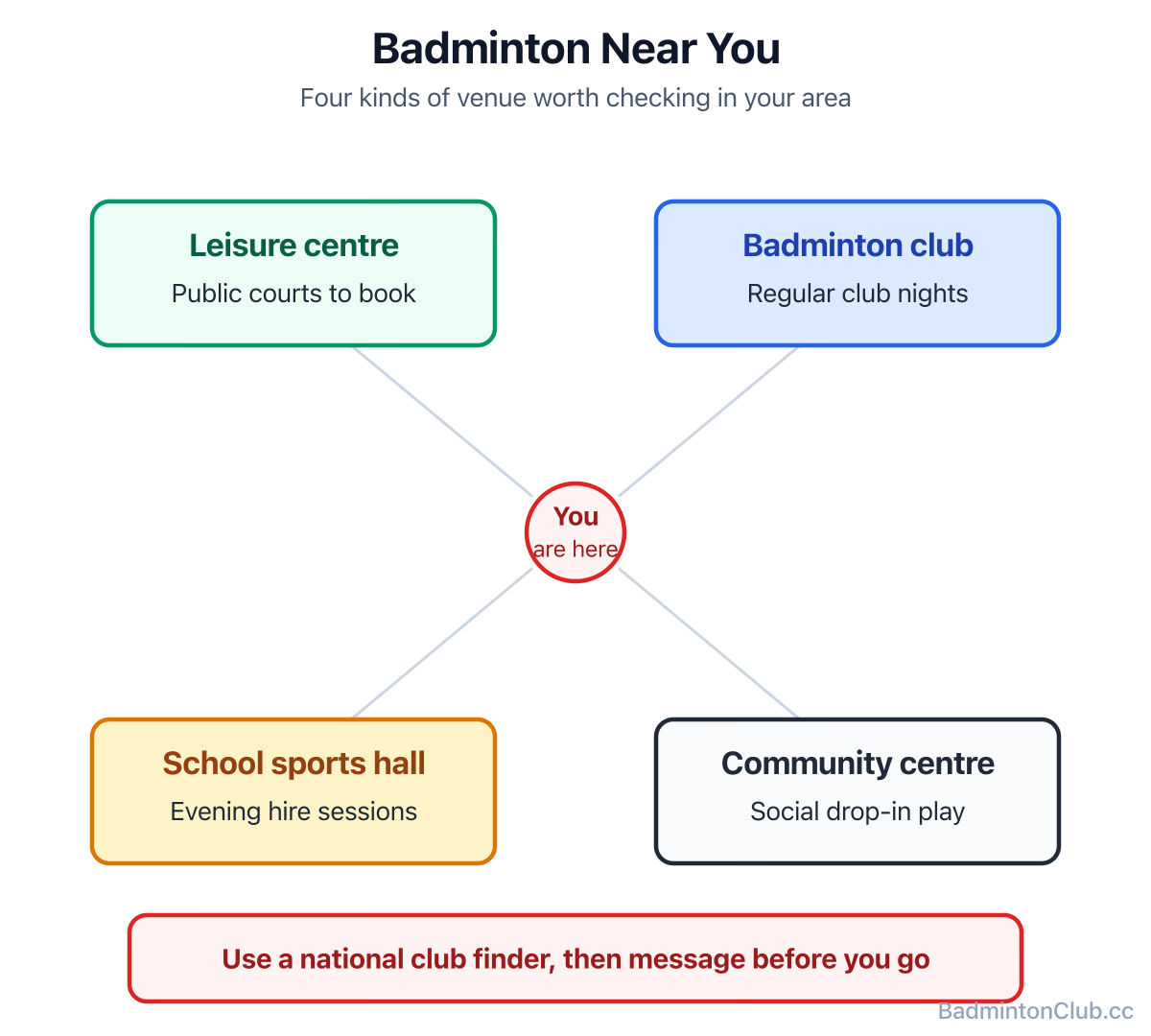
Badminton rarely advertises itself the way a gym does, so a quick map search undersells what's around you. Three places hold most of it. Public leisure centres run pay-and-play court hire plus organised sessions. Schools and colleges rent their sports halls to community clubs in the evenings — that nice sprung floor you played on at 8pm on a Tuesday is somebody's school gym by day. And community/church halls host smaller informal groups that live entirely on a WhatsApp group and never appear on Google.
So the trick is to search several ways, not one. Try "badminton court near me", "badminton club [your town]", "[leisure centre name] badminton", and "[town] badminton social session". Then go one level deeper: ring the leisure centre and ask which clubs use their hall, because the front desk knows every group that books a court.
The three kinds of "playing badminton" near you
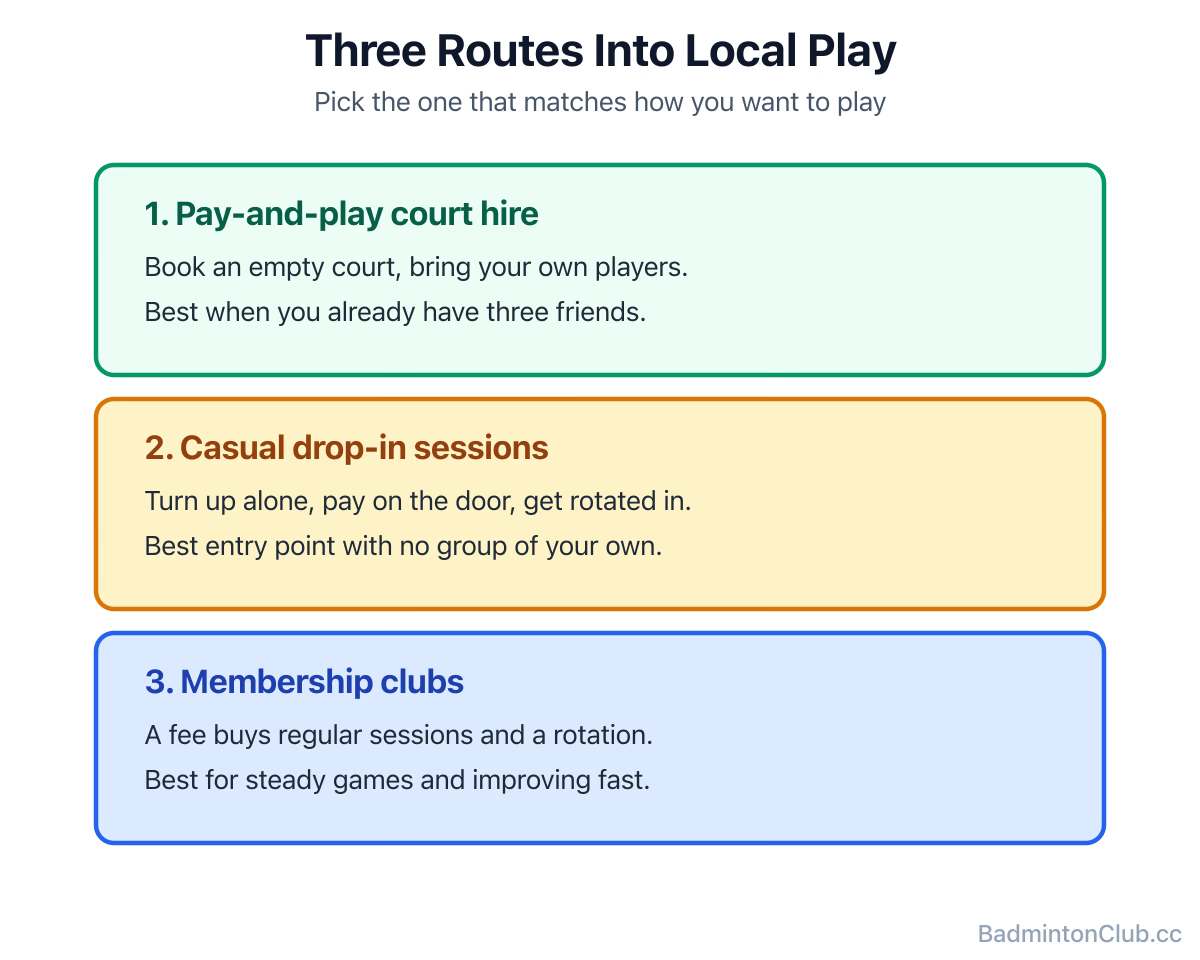
These are genuinely different experiences, and knowing which you want saves a wasted evening:
- Pay-and-play court hire — you book a court, bring three friends, play your own games. Total freedom, but you need to bring the people.
- Casual / social / "no strings" sessions — turn up alone, pay on the door, get rotated into doubles with whoever's there. The best entry point if you don't have a group.
- Membership clubs — you join, pay a term or season fee, and play a regular weekly slot, often with a ladder, league teams and coaching. More commitment, more progression.
If you're new and don't have three mates who play, ignore court hire for now and find a social session. That's where the people are.
The official club finders (and why they're worth using)
Every serious badminton nation runs a club finder, and they list the clubs that won't show up on a casual map search. In England it's the Badminton England "Find a Club / Discover Badminton" tool; in the US, USA Badminton's club and member-organisation listings; elsewhere, your BWF member association. These matter because a club that bothers to register is usually one that's organised, insured, welcoming newcomers and still active — three things a dead Facebook page can't promise. Filter for ones that say "beginners welcome" or run a separate improvers night.
How to read a club before you commit (what the listing won't tell you)
Here's the part the directories leave out, learned from turning up to a lot of new halls. Message before you go — one short "Hi, I'm a beginner/improver, is Thursday OK for someone at my level?" tells you almost everything. A club that replies warmly within a day is a good club; one that ghosts you for a week will ghost you on court too. When you do arrive, watch the first ten minutes: do regulars introduce themselves, or does everyone stick to their cliques? Is there a fair rotation system so you actually get games, or do four strong players colonise the best court all night?
That last point is the single biggest difference between a club you'll love and one you'll quietly stop going to. A well-run club moves players on and off courts so newcomers get real games instead of standing by the wall — many do it with a peg board or an app like BadmintonClub.cc so nobody can hog a court and beginners aren't left out. If you watch a session and the same four people never move, that's your answer.
What it costs and what to expect your first night
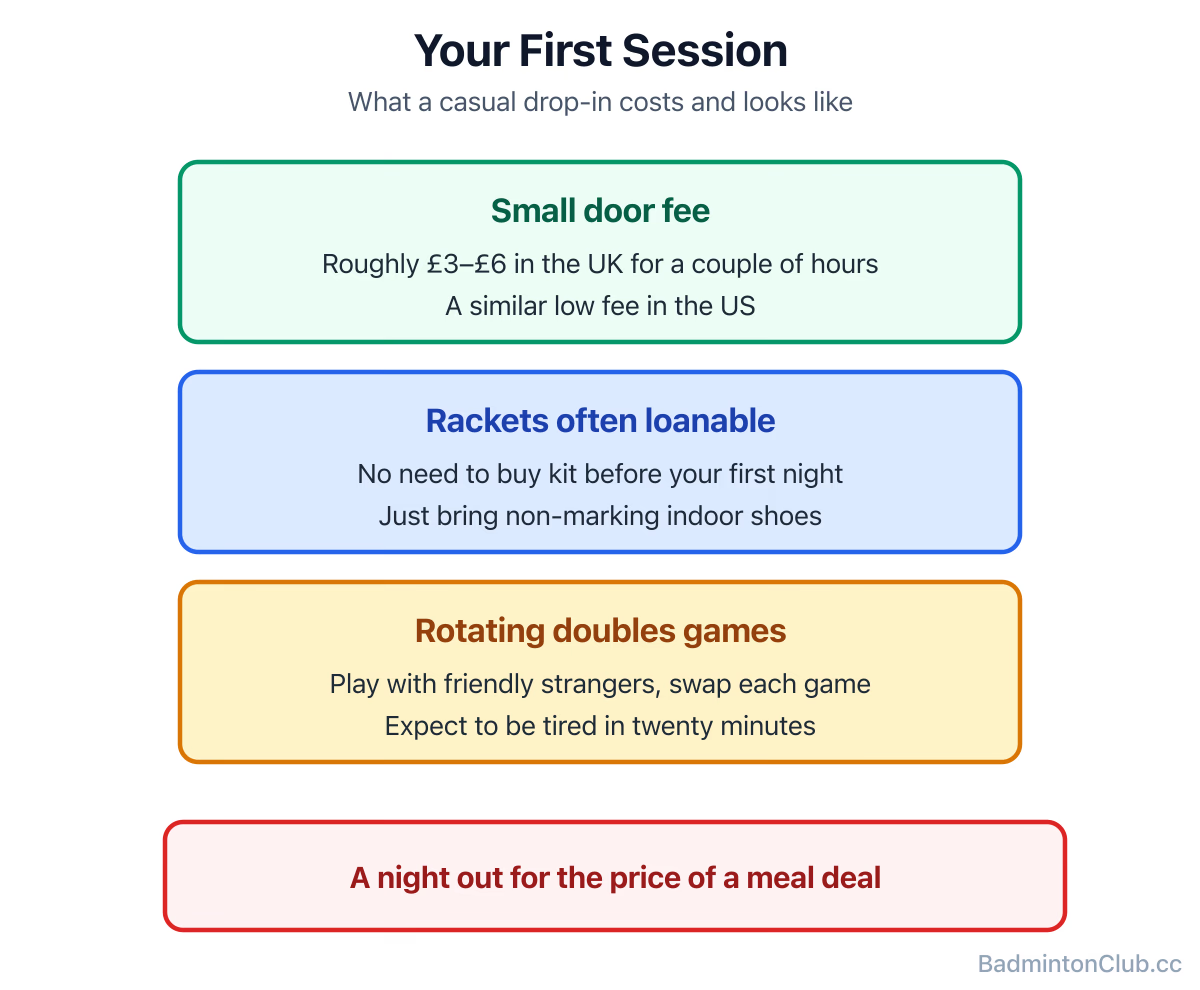
A casual drop-in is usually the cheapest way in: roughly £3–£6 in the UK or a similar low door fee in the US for a couple of hours, rackets often loanable. Court hire runs about £6–£16 per court per hour in the UK and $15–$55 in the US depending on whether it's a public hall or a dedicated badminton centre — split four ways, that's pocket change per person. Full costs are broken down in how much badminton costs. Expect doubles, expect to play with strangers who'll be friendlier than you fear, and expect to be tired in twenty minutes — everyone is at first.
The "phantom club" problem nobody warns you about
A specific frustration worth flagging, because it'll save you an evening: a lot of the badminton you'll find online doesn't exist anymore. Facebook groups outlive the clubs that made them. A leisure-centre page lists a Tuesday session that quietly stopped two years ago. You drive over, the hall's dark, and you've wasted a night. The fix is a thirty-second habit: before you travel to any new session, confirm it's running this week — phone the venue, or post "Is this on tonight?" in the group and wait for a real reply. The clubs worth joining answer fast; the dead ones don't answer at all, and that silence is useful information. I'd rather send three messages and go to a session I know is live than show up hopeful at an empty car park.
FAQ
- Q: How do I find badminton courts near me? Search "badminton court near me" on a map, check your local public leisure centre's online booking, and use your national finder (Badminton England, USA Badminton). Also ring the leisure centre to ask which clubs rent their hall in the evenings — the front desk knows them all.
- Q: How do I find a badminton club for beginners? Use a national club finder and filter for clubs that say "beginners welcome" or run a separate improvers/back-to-badminton night, then message them before turning up. Beginner-friendly clubs reply warmly and run a fair rotation so newcomers actually get games.
- Q: Can I play badminton if I don't have a group of friends to go with? Yes — that's exactly what casual, social or "no strings" drop-in sessions are for. You turn up alone, pay on the door, and get rotated into doubles with whoever's there. It's the best entry point when you don't have three people to make up a court.
- Q: How much does it cost to play badminton locally? A casual drop-in is usually around £3–£6 in the UK (or a small door fee in the US). Hiring a whole court runs roughly £6–£16/hour in the UK and $15–$55/hour in the US, which splits cheaply between four players. See how much badminton costs for the full breakdown.
- Q: What's the difference between court hire and a club? Court hire is booking an empty court and bringing your own players; a club is a membership group with regular sessions, a rotation, often a ladder and coaching. If you're new without a group, a club or a social session gets you games far more easily than booking a court alone.
- Q: How do I know if a local club is any good before I join? Message them first and see how quickly and warmly they reply, then visit once and watch whether regulars include newcomers and whether the court rotation keeps everyone playing. A fast, friendly reply and a fair rotation are the two best signs of a club worth joining.
Searching for badminton near you? Here's how to actually find courts, clubs and drop-in sessions close to home — what to type into a map search, where leisure-centre and community-hall games hide, how to tell a beginner-friendly club from a competitive one, and what a typical session costs and looks like. This is the practical, no-fluff guide to going from 'I want to play' to standing on a court this week, whether you want casual social games or a proper club.