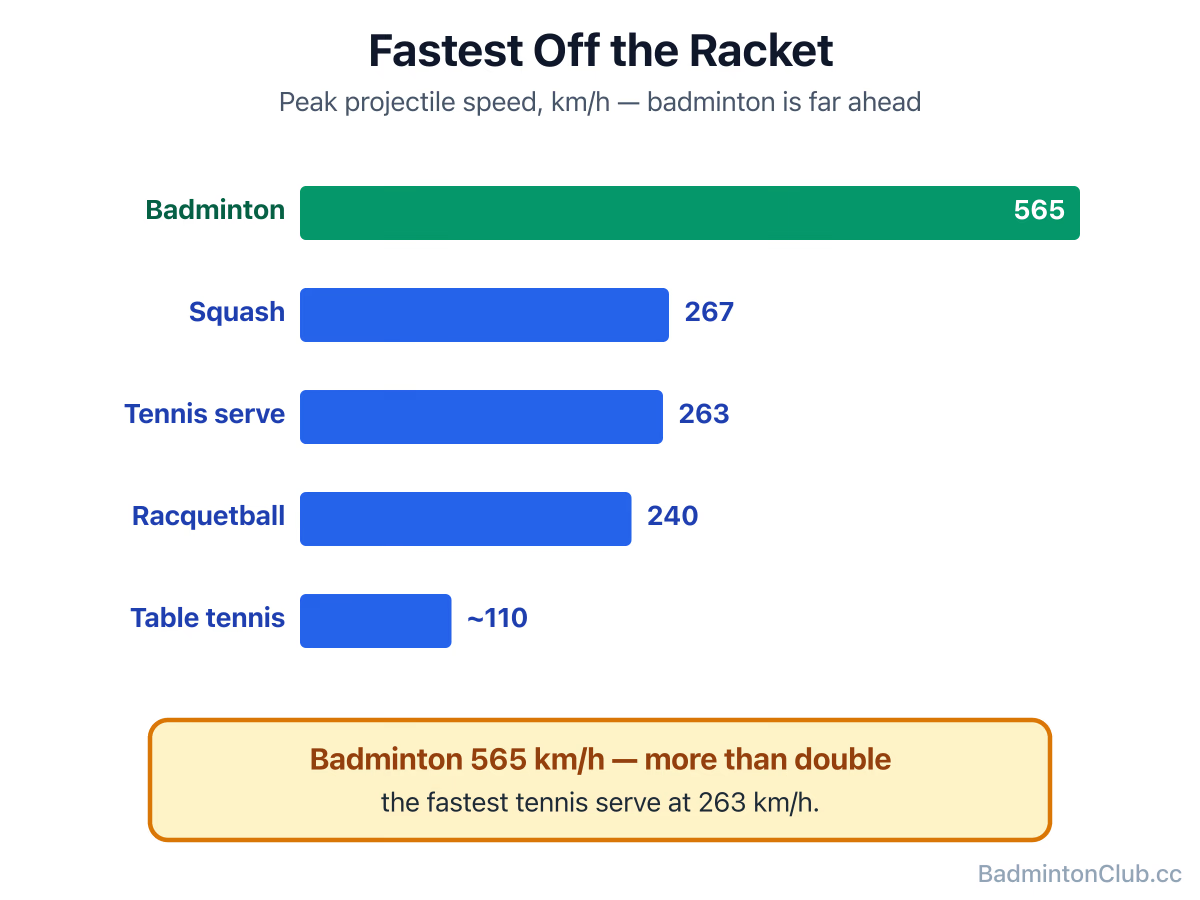
Is badminton the fastest racket sport? By the speed of the projectile leaving the racket, yes — the fastest badminton smash (565 km/h) crushes the fastest tennis serve (263 km/h). This guide gives the verified smash records, the shuttle speed in mph, and the crucial catch most articles skip: the shuttle decelerates faster than any ball, so 'fastest off the racket' and 'fastest on arrival' are two different questions with two different winners. Here's the honest, fully-sourced answer.
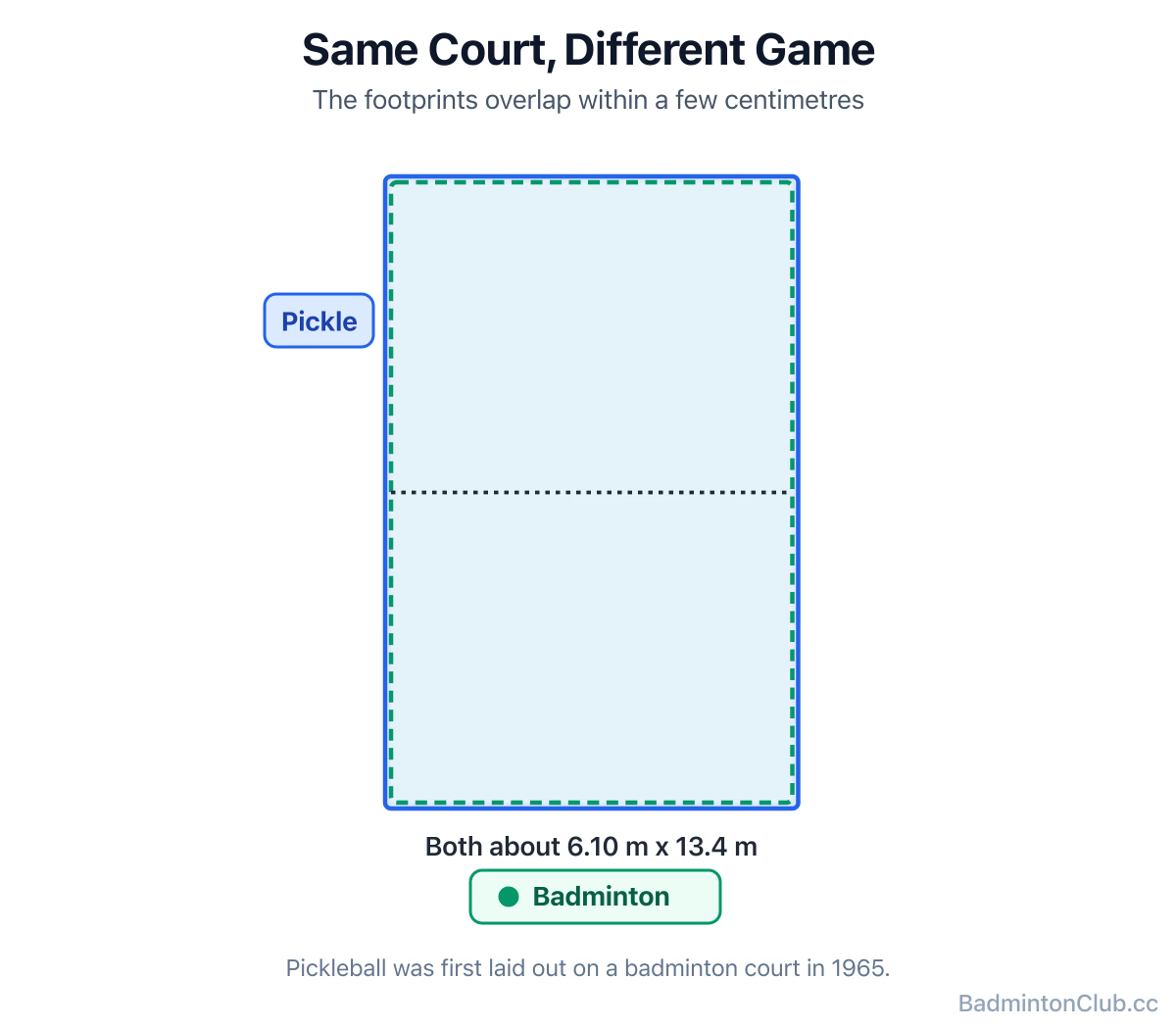
Badminton vs pickleball is the comparison that surprises everyone: the two courts are almost exactly the same size, yet the games could not be more different. We line up court dimensions, net height, the paddle-versus-racket, ball-versus-shuttle speeds, scoring and difficulty — and explain why a badminton court and a pickleball court share an identical footprint but play nothing alike. If you're deciding which to take up, here's the honest, numbers-first breakdown.
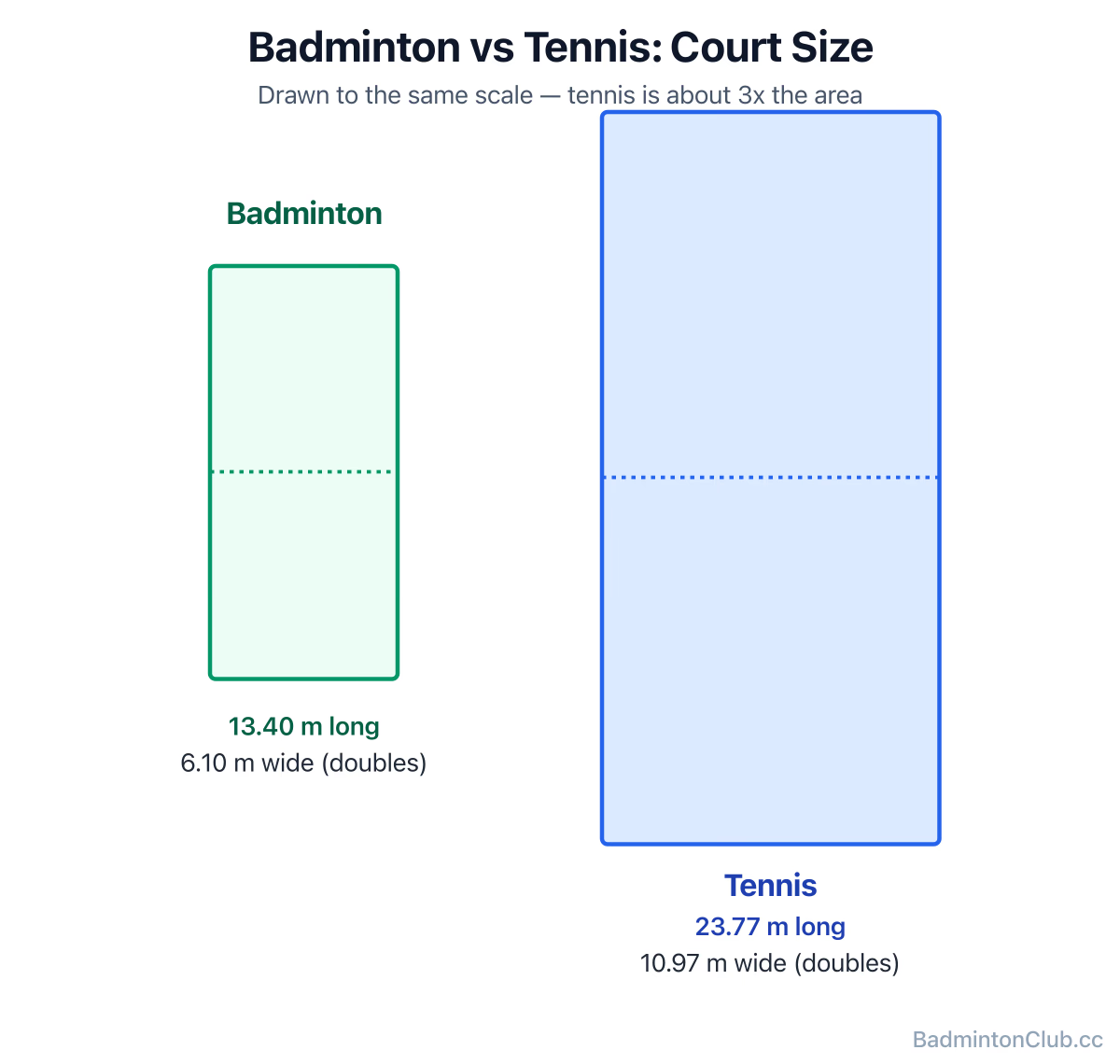
Badminton vs tennis, settled with real numbers: the smaller, faster shuttle game versus the heavier, more powerful ball game. We compare court size, net height, serve and projectile speeds, scoring, calories and how hard each is to learn — and say plainly which sport wins on each axis. Badminton's shuttle is far faster off the racket; tennis's ball is heavier and the rallies last longer. If you're choosing between them, this is the honest head-to-head.
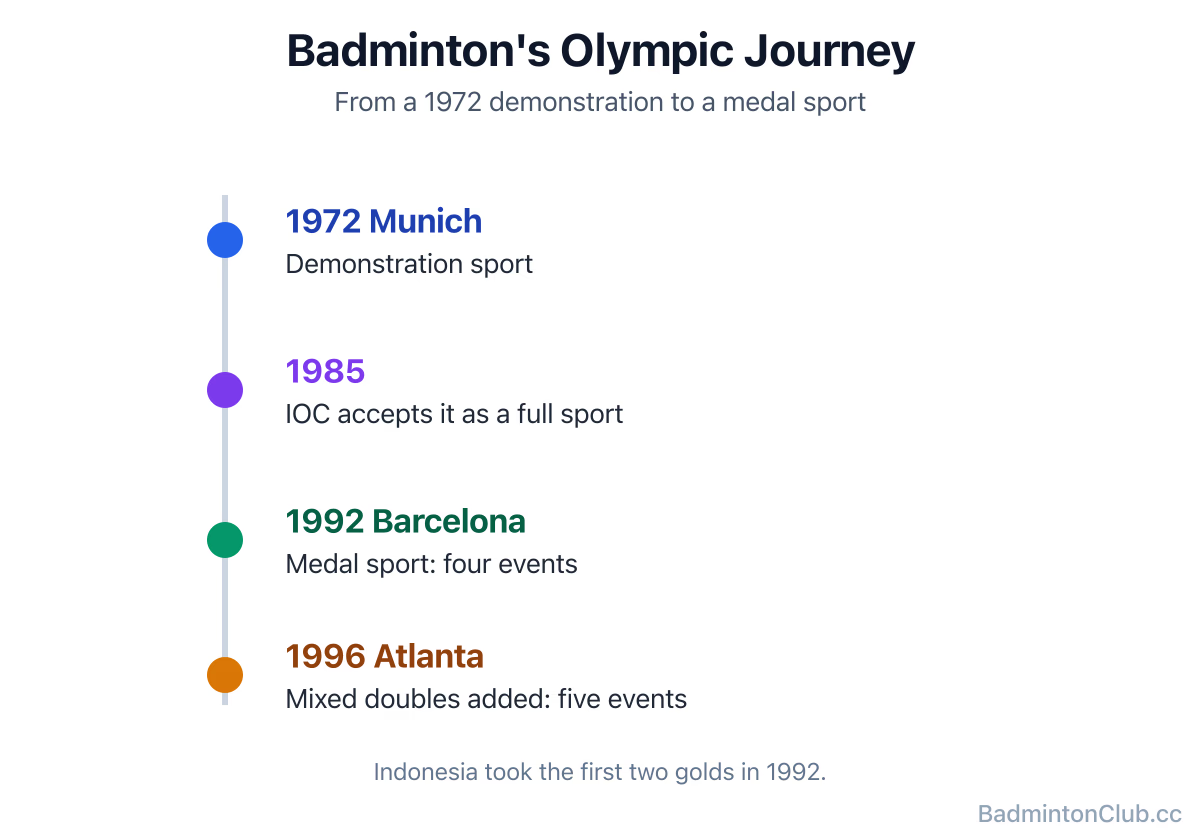
Is badminton an Olympic sport? Yes — it's been a full Summer Olympic medal sport since Barcelona 1992, with five events today and a roll of champions dominated by Asian and European nations. This guide covers when badminton joined the Games, the road from demonstration sport to medal sport, every Olympic event, and the countries that rule it. A concise, fully-sourced answer to a question a surprising number of people still ask.
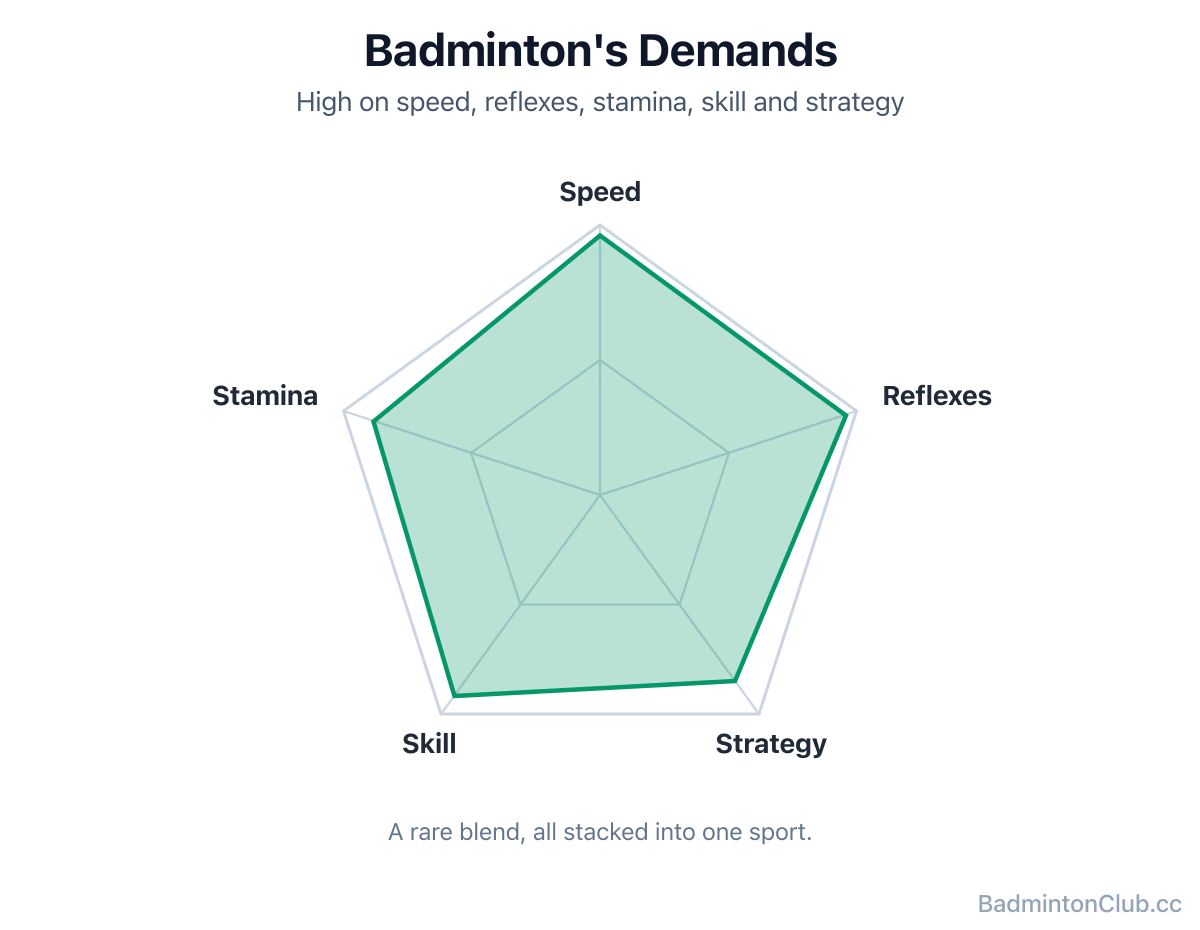
Is badminton the hardest sport? It has a serious claim: the fastest projectile of any racket sport, reaction windows under 0.4 seconds, 6+ km of explosive movement a match, and a skill ceiling that takes years. This piece weighs badminton's genuine difficulty honestly — where it truly is among the hardest, and where 'hardest sport' is marketing. A clear-eyed, sourced argument rather than a fan claim, so you can judge for yourself.
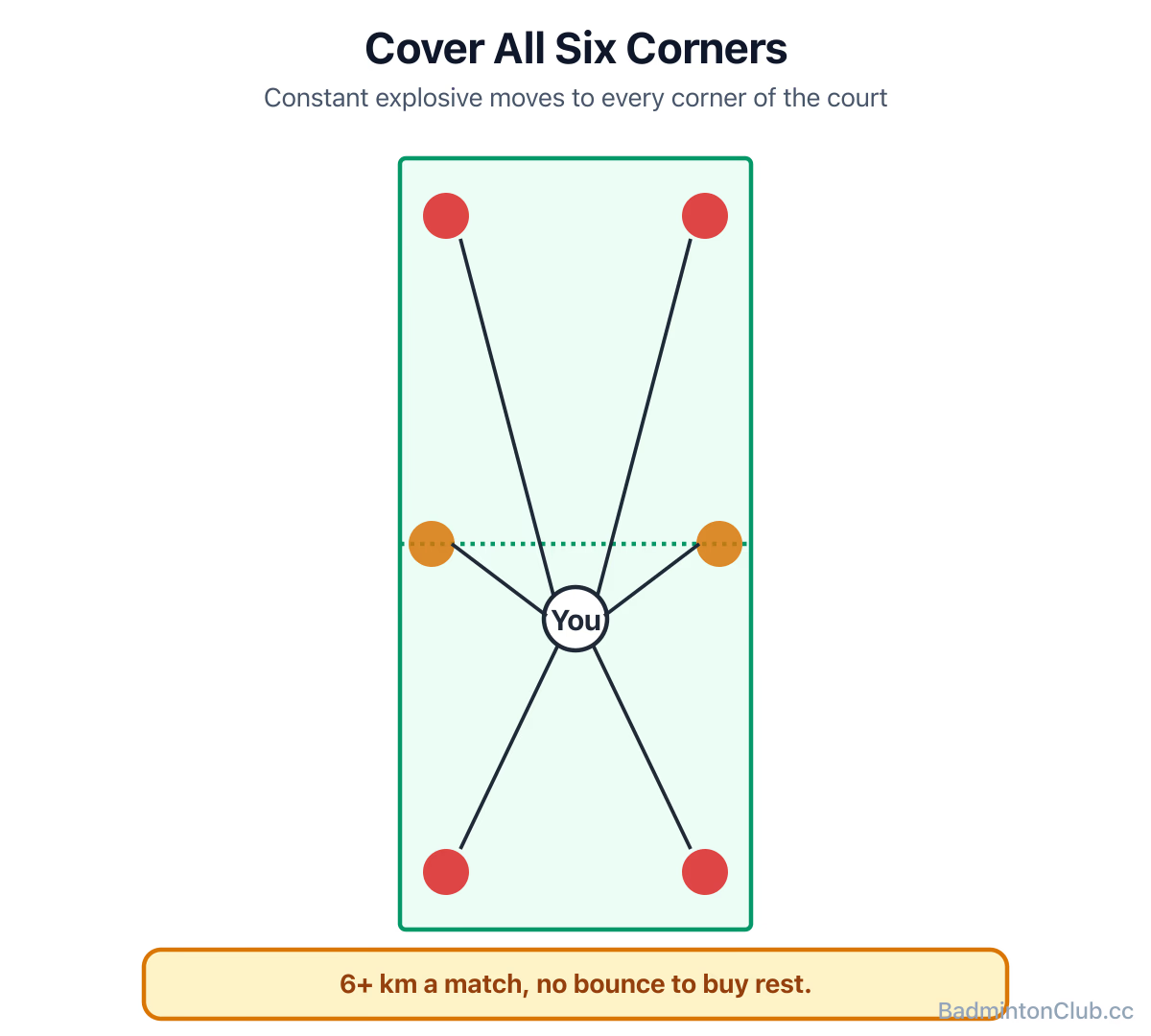
Why is badminton so tiring? Because the shuttle never bounces, so every shot is taken on the full with explosive lunges, jumps and constant direction changes — a singles player can cover 6+ km in a match. This guide explains exactly why badminton drains you so fast: the stop-start anaerobic bursts, the overhead and lunge load, and the grip-too-tight beginner trap. Then it covers how to build the stamina to stop fading in the third game.
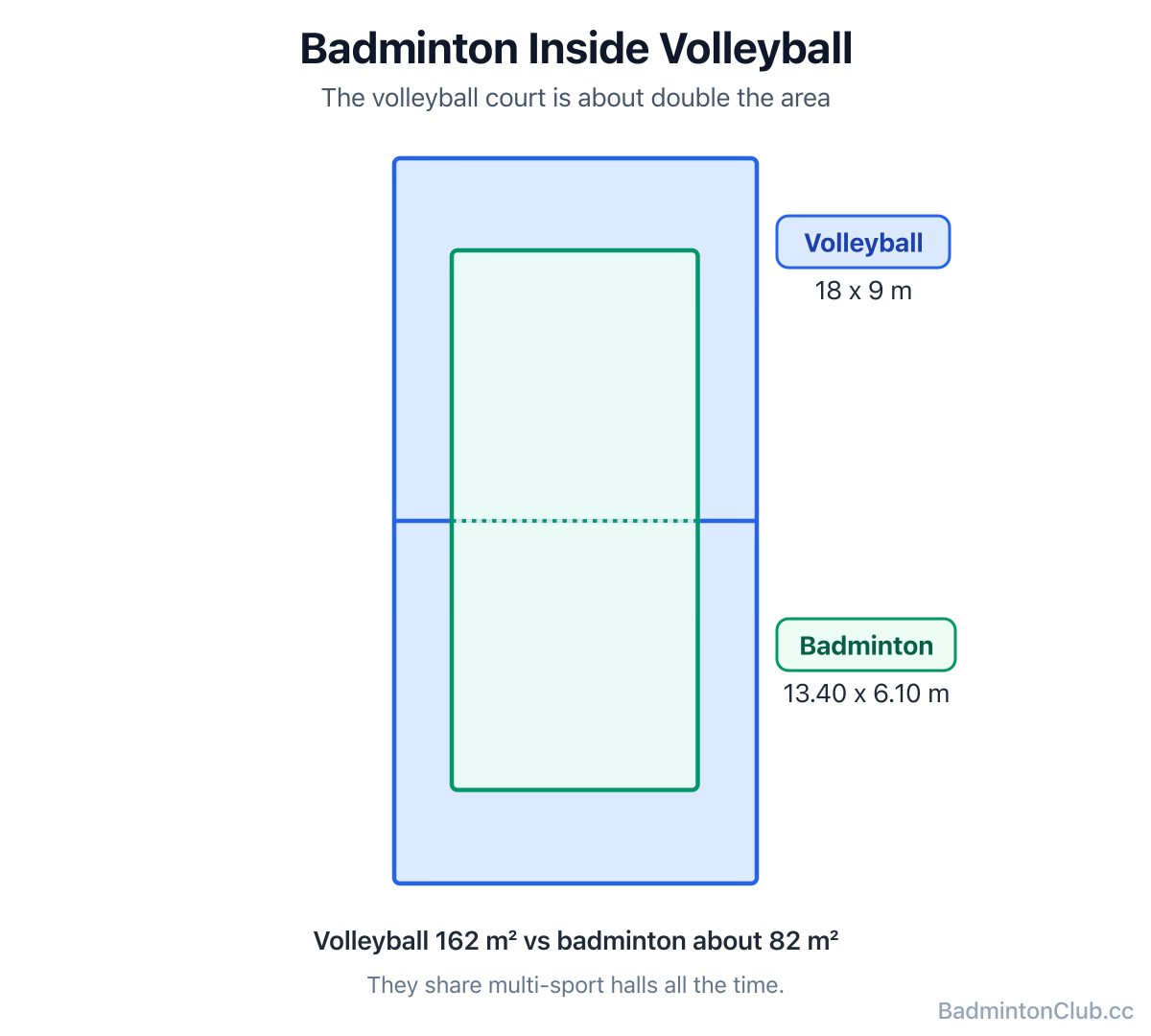
Badminton vs volleyball court is the comparison every sports-hall manager and curious player asks: both are indoor net sports, but the volleyball court is far larger and its net far higher. We lay out exact court dimensions, net heights for men and women, the shared sports-hall reality, and why two net sports of such different scale often live on the same floor. Clear numbers, side-by-side, with the practical detail behind the figures.
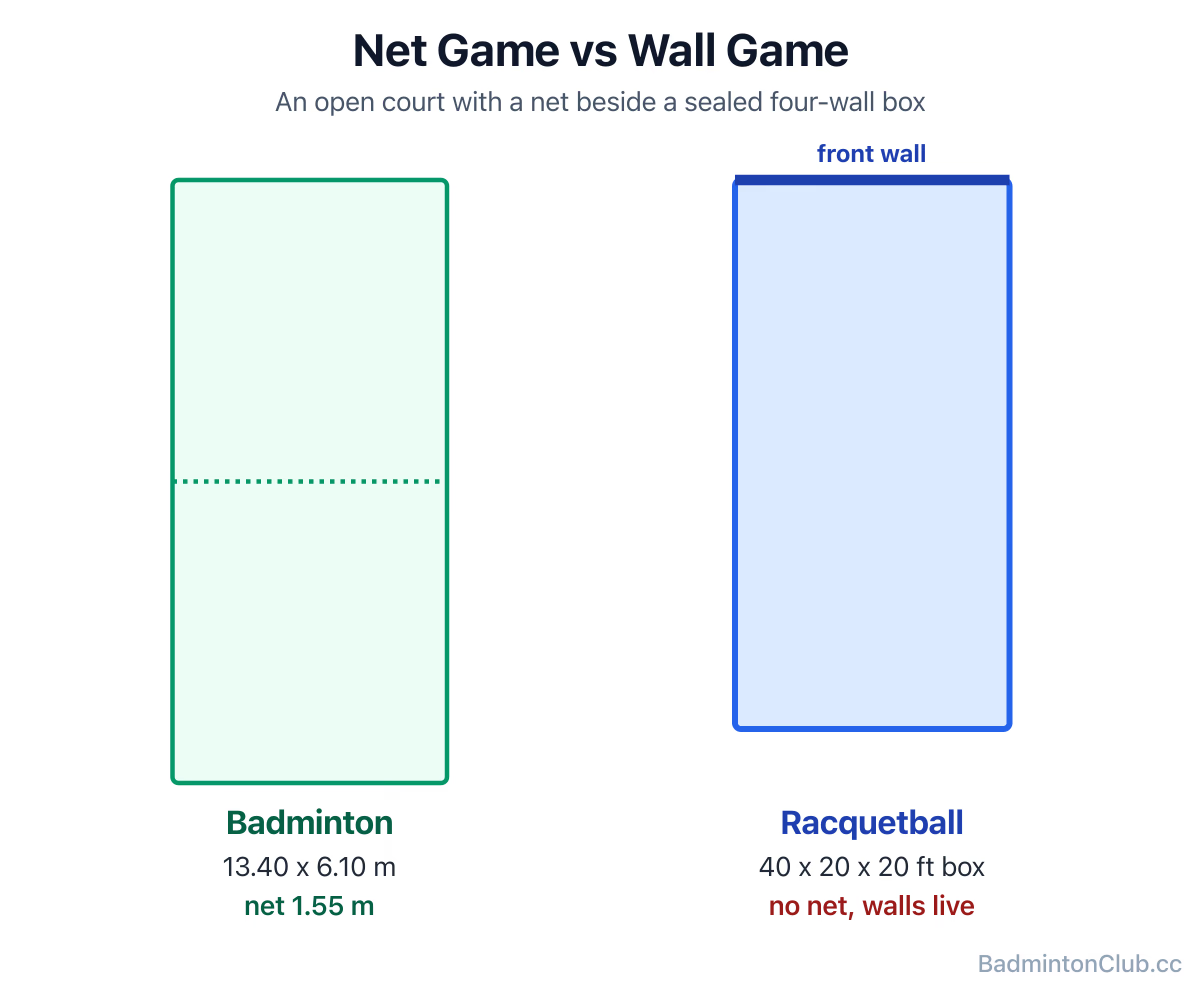
Badminton vs racquetball sets a high-net court sport against an enclosed four-wall game where every surface is in play. We compare court dimensions, how the shuttle and the rubber ball behave, rally style, ball speed, scoring and fitness demands — and explain why a sport with no net at all feels so different from one defined by a 1.55 m net. If you've played one and are curious about the other, this is the clear, numbers-led comparison.
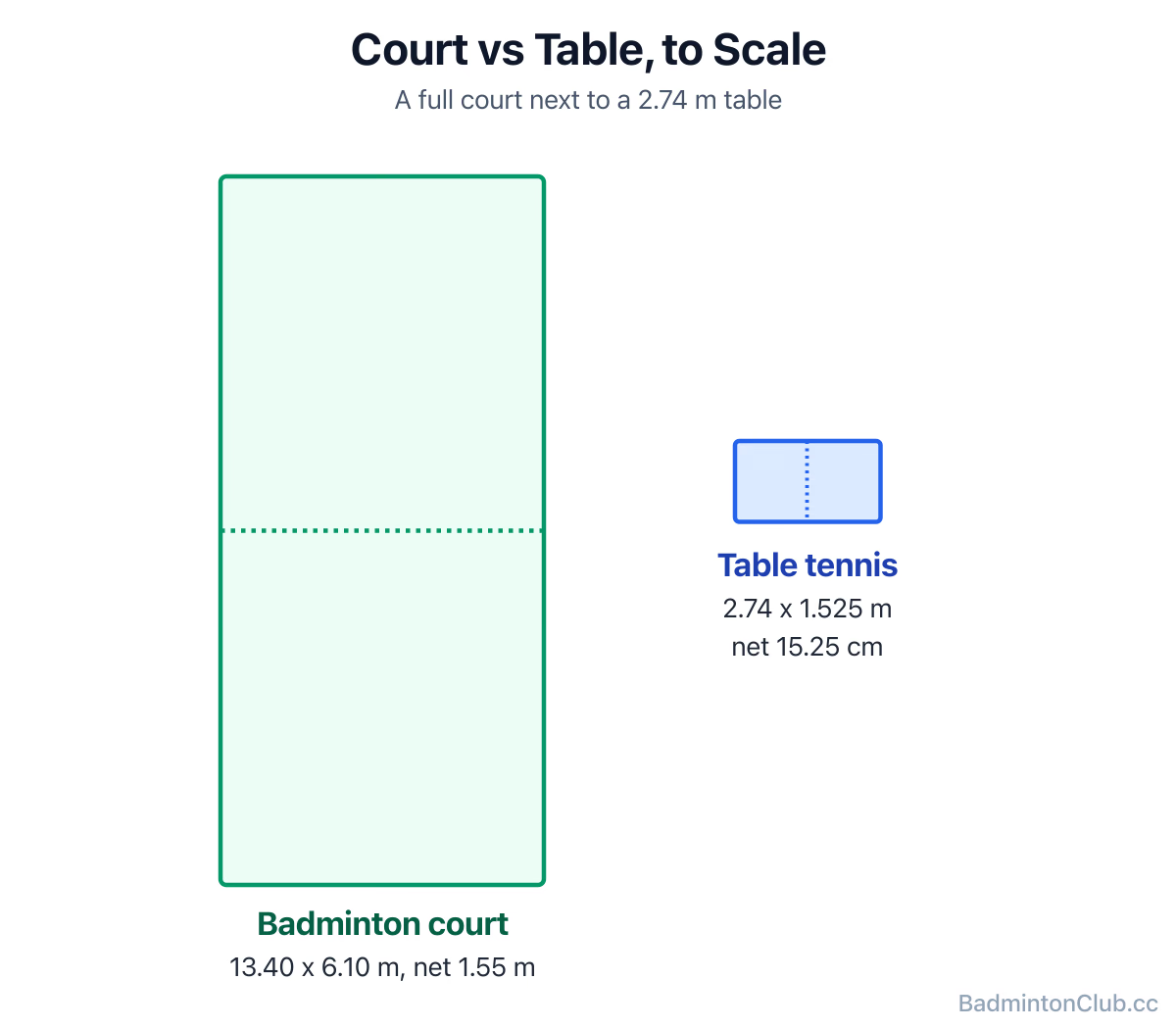
Badminton vs table tennis compares the two fastest-reflex racket sports — one played over a high net on a full court, the other across a 2.74 m table. We break down the playing surface, equipment, how spin and shuttle aerodynamics work, scoring, and the very different fitness demands. Both demand lightning hands, but one is a whole-body running game and the other a stationary battle of spin and reaction. Here's how they really compare.
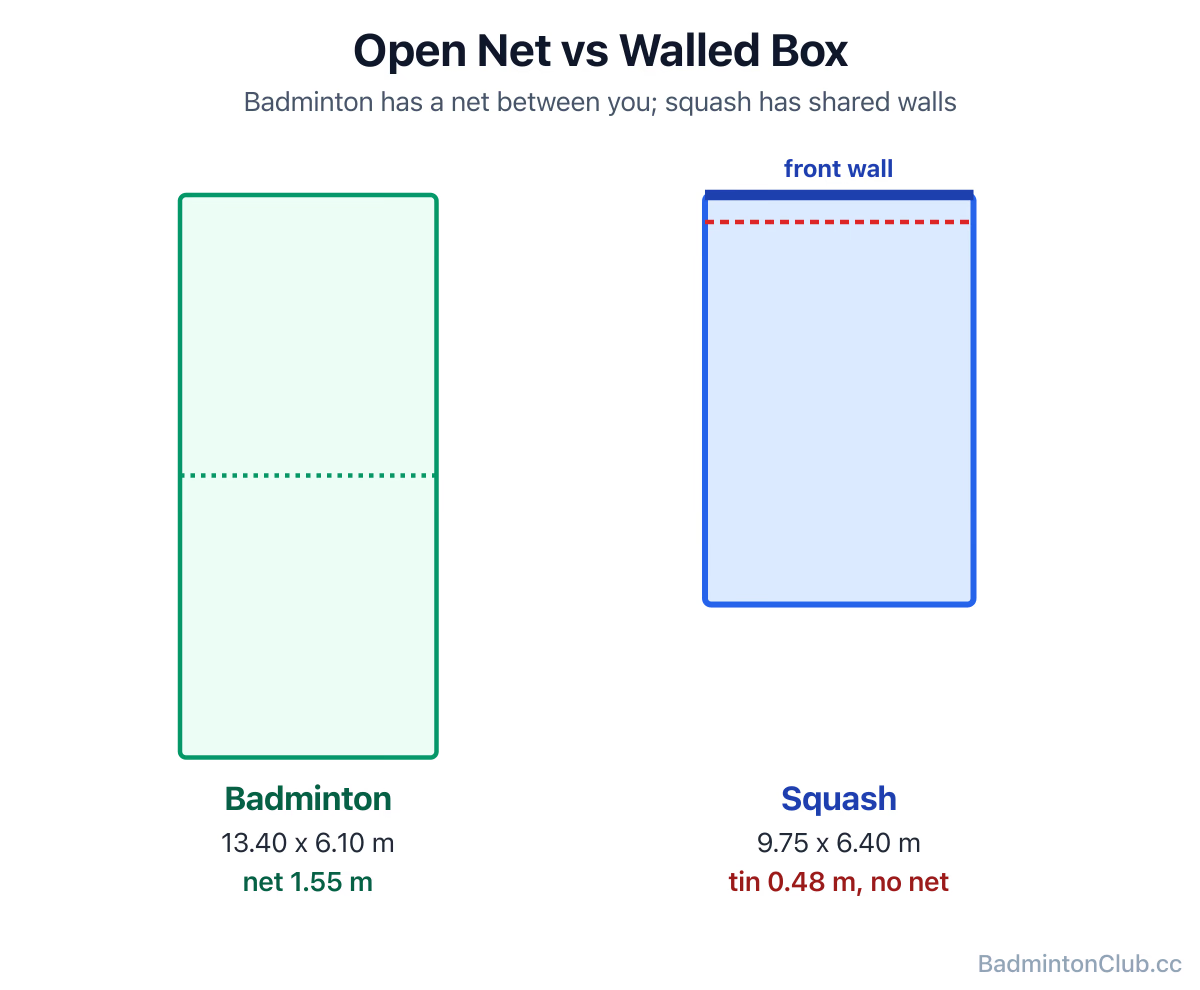
Badminton vs squash pits two of the most physically punishing indoor racket sports against each other: one played over a high net, the other off four walls. We compare court dimensions, how the ball or shuttle behaves, rally style, calorie burn and injury risk — and give a straight answer on which is the harder workout. Both will wreck your legs; the reasons they do are completely different, and that's what this breakdown is really about.