Badminton Shot Selection: How to Choose the Right Shot Every Time
8 June 2026 · Badminton Fans
Shot selection is the skill that quietly separates good players from the ones who look good in practice but lose in matches. It comes down to a single question you ask about every incoming shuttle: can I hit this down, flat, or only up? If you can hit down or flat — attack. If you can only lift — defend and reset, nothing fancy. Never try to hit a winner from a losing position. That rule alone would cut most beginners' errors in half. The truth is that the right ordinary shot beats the wrong brilliant one, and most club points are lost on bad choices, not bad technique. Read the situation first, then pick the shot that fits it, not the one that would look best on Instagram.
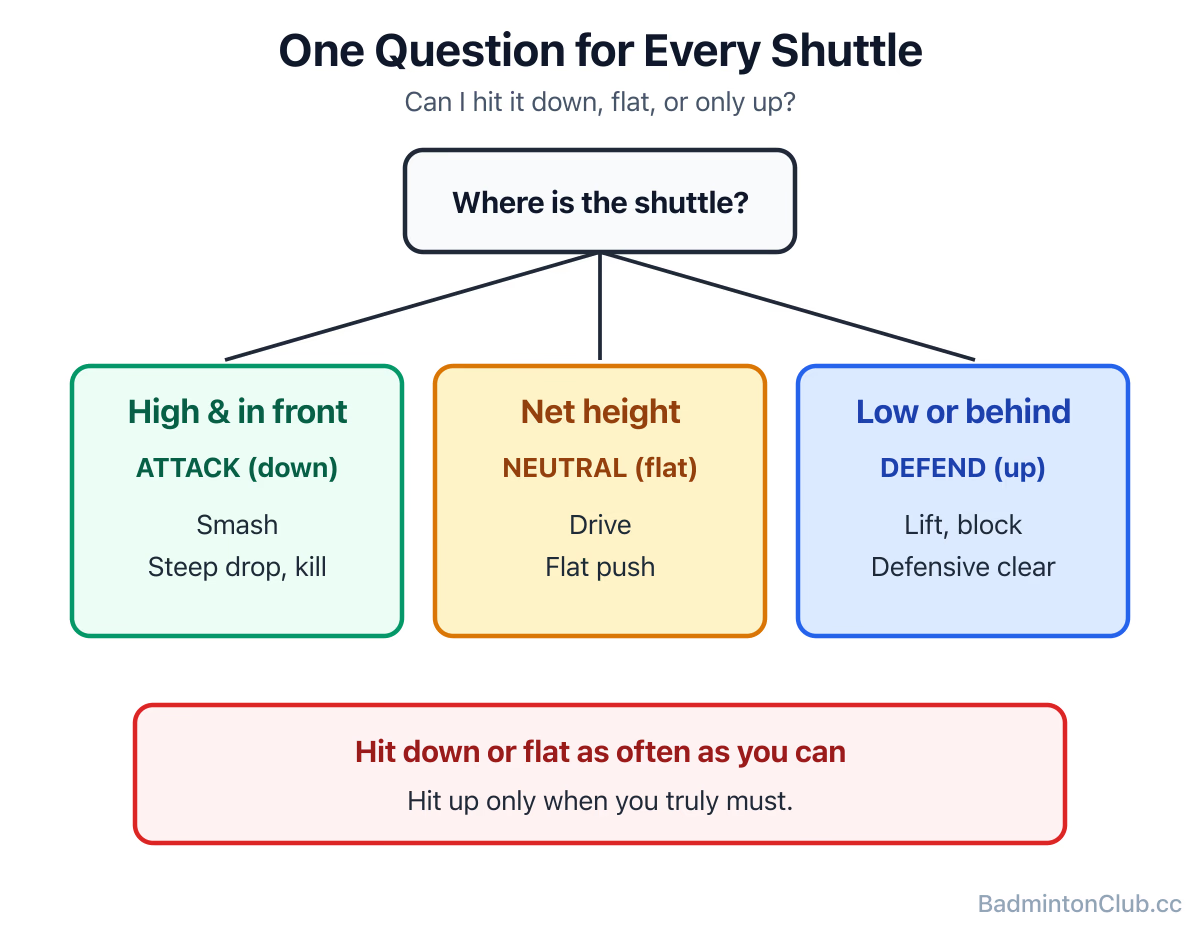
The one question: attack, defend or neutral?
Forget memorising eight shots and when to use each. Ask one thing about every shuttle coming at you: can I hit it down, flat, or only up?
- Attacking (hit down): the shuttle is high and in front of you, sitting up — smash, steep drop, net kill, push. You've taken the initiative.
- Neutral (hit flat): the shuttle's around net height — drive, flat push, fast drop. Nobody has the advantage yet; you're fighting for it.
- Defending (hit up): the shuttle is low or behind you — lift, block, defensive clear. You've conceded the attack and you're trying to survive or reset.
Whenever you hit up, you've handed over the attack; whenever you hit down, you've taken it. Almost all of shot selection is just trying to hit down or flat as often as possible, and up as rarely as you can.
Hit down when you can, up only when you must
This is the strategic spine of the whole sport. Every "hit up" shot — every lift, every defensive clear — gives your opponent the chance to hit down at you. So the disciplined player's aim is to take the shuttle early and high enough to hit it flat or down, and to lift only when they genuinely can't do anything else. Beginners lift far too much: they let the shuttle drop too low, then have no option but to scoop it up. The fix is mostly footwork — get there earlier — but it's also a mindset: treat hitting up as a last resort, not a default. The fewer times you lift, the more you're on attack.
Don't hit winners from losing positions
Here's the most common and most expensive shot-selection error, and it's pure ego. You're stretched, off-balance, reaching low for a tough shuttle — and you go for a sharp cross-court winner. It clips the net or sails out, and you've lost a point you could have saved with a simple high lift to the middle. From a defensive position, your job is to survive and reset, not to win the point. The winner comes later, once you've worked back to neutral or attack. The reverse is just as true: from a winning position (a high, central shuttle), don't play a tentative drop — take the attack you've earned. Match the ambition of the shot to the quality of your position. Most rallies are lost by players reaching for a shot their position doesn't support.
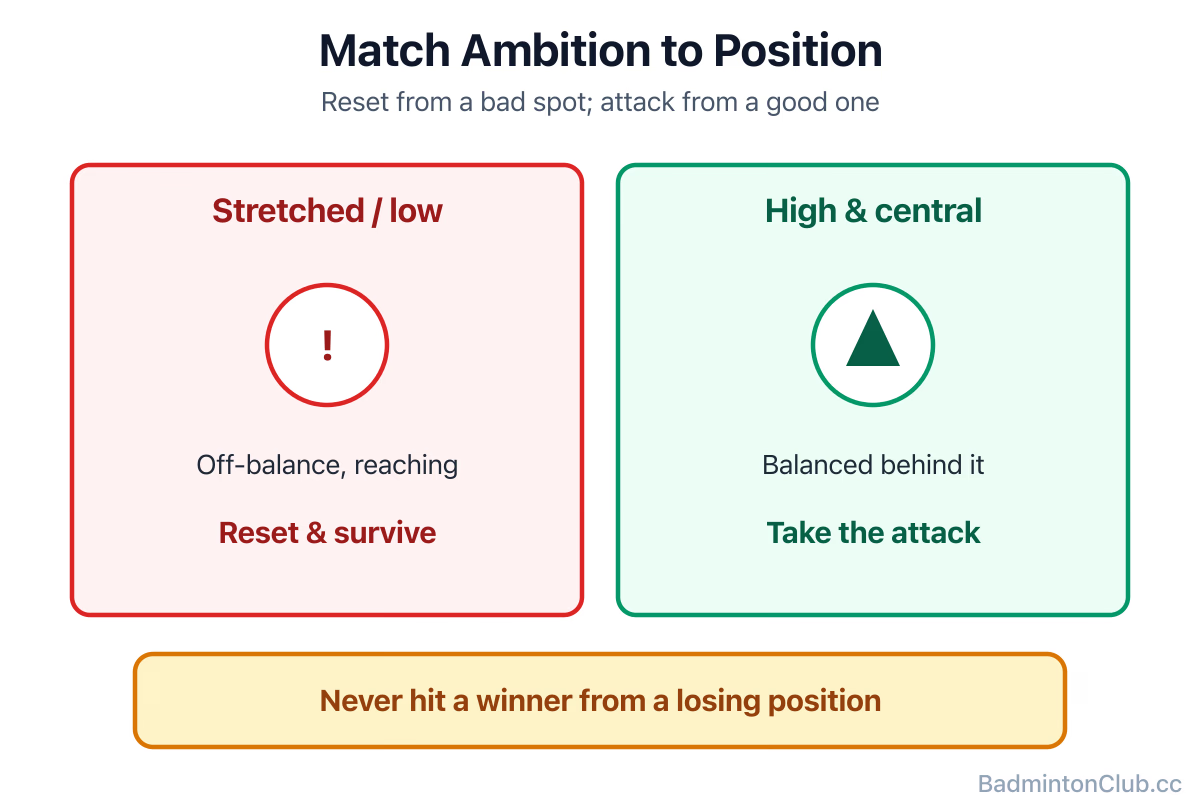
The shot-selection rule that changed how I play (original)
If I could tattoo one idea onto every club player's racket arm, it'd be this: choose the shot you can recover from, not the shot that looks best. I spent years picking shots for how impressive they were — the deceptive cross-court drop, the steep angled smash — and losing points not because the shot failed but because it left me stranded for the next one. The realisation that reshaped my game: a shot doesn't end when the shuttle leaves your racket; it ends when you've recovered to defend the reply. A straight clear you recover from beats a gorgeous cross-court drop that leaves your court wide open. So now I run a fast two-part check on every shot: (1) does this shot match my position — attack from a good spot, reset from a bad one — and (2) can I recover to base before the reply? If a shot fails either test, I don't play it, however clever it is. This single filter cut my unforced errors more than any technical work. The flashy players lose to the disciplined ones not because they have worse shots, but because they keep choosing shots their position and footwork can't cash. Boring, recoverable, position-appropriate shots win matches. See positioning for the recovery side and when to lift vs block for the defensive choices.
Build a default for each situation
You can't deliberate over every shuttle — there's no time — so build defaults you fall back on without thinking. Under pressure at the back: clear deep to the middle. Defending a smash: block tight (lift occasionally). Neutral midcourt in doubles: drive flat. Short, high, central shuttle: attack. Pre-decide these so that in the heat of a rally your instinct picks a sound shot. Good shot selection under pressure is really just good defaults, grooved until they're automatic.
FAQ
- Q: How do I choose the right shot in badminton? Ask whether you can hit the shuttle down, flat, or only up. Hit down when it's high and in front (attack), flat when it's level (neutral), and up only when it's low or behind you (defend). That one read drives most of shot selection.
- Q: What does "hit down, not up" mean? Hitting up (a lift or clear) hands your opponent the attack; hitting down or flat (smash, drive, drop, push) keeps it. The disciplined player takes the shuttle early enough to hit down or flat, and lifts only as a last resort.
- Q: Why do I lose points going for winners? Because you're attempting winners from defensive positions. From a stretched, off-balance spot your job is to reset and survive, not to win the point. Match the shot's ambition to the quality of your position.
- Q: What's the most useful shot-selection rule? Choose the shot you can recover from, not the one that looks best. A simple shot you recover from beats a flashy one that strands you for the reply. Recoverability beats brilliance.
- Q: How do I make good shot choices when there's no time to think? Build defaults for each situation — clear to the middle when pressured, block a smash, drive in the midcourt, attack a high central shuttle — and groove them until they're automatic. Good defaults replace deliberation.
- Q: Does shot selection matter more than technique? At club level, usually yes. The right ordinary shot beats the wrong brilliant one, and most points are lost on poor choices rather than poor strokes. See the mental game for the discipline to stick to good choices.
Knowing every shot is useless if you pick the wrong one — shot selection is the strategy skill that ties technique to tactics. This guide gives you a simple framework for badminton shot selection: read whether you're attacking, defending or neutral, hit down when you can and up only when you must, pick shots you can recover from, and stop trying to hit winners from defensive positions. Practical decision-making that instantly raises your game without a single new stroke.