The Badminton Mental Game: How to Stay Calm, Focused and Win the Battle in Your Head
8 June 2026 · Badminton Fans
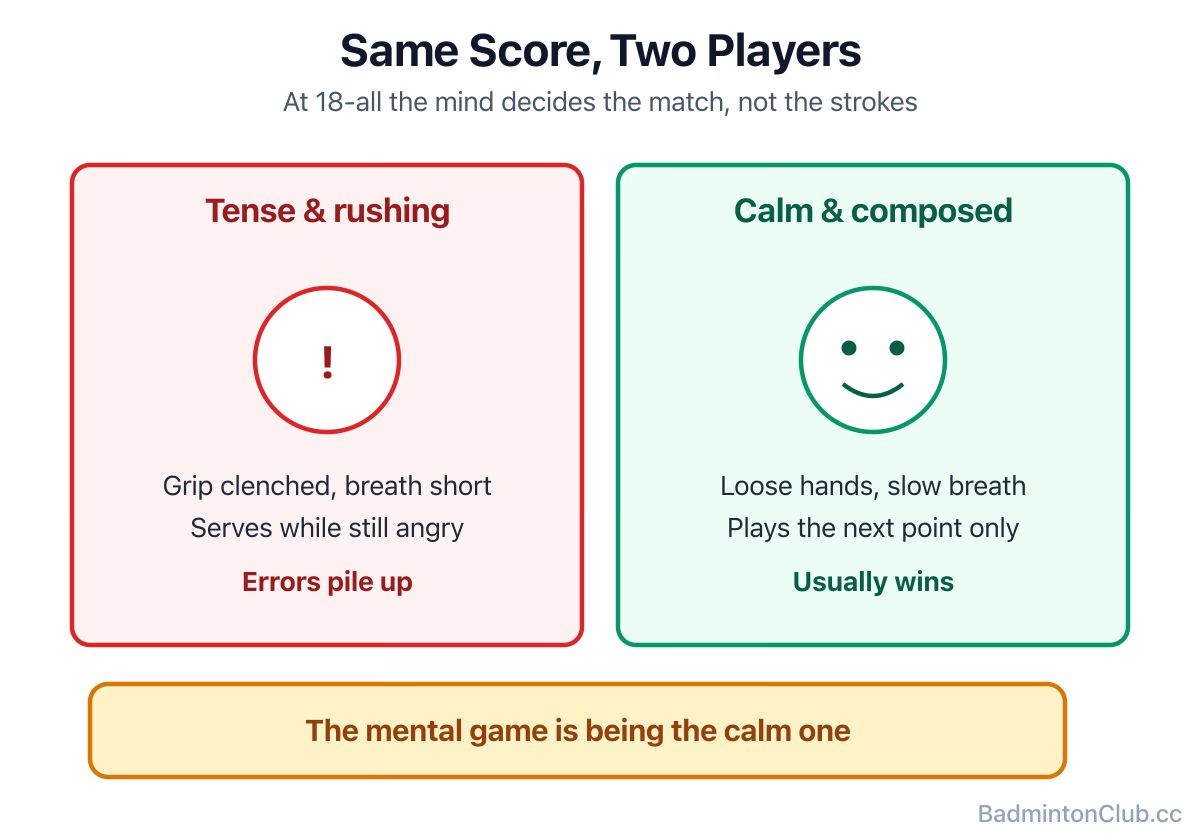
Here's a truth that took me years to accept: at club level, the mental game decides more matches than technique. Not because technique doesn't matter, but because most club players have roughly similar technical ability when they're relaxed. The difference emerges when the score gets tight — one player stays calm and makes good decisions, the other tightens up and starts making errors they'd never make in practice. The mental game is the skill of being the first one. It's about controlling your nerves, where you point your attention, and what shots you choose when the pressure is on. Train it properly and you'll win games your strokes alone would never give you.
What the "mental game" actually means
It isn't mystical. The mental game is four concrete skills: managing nerves so your hands stay loose, holding focus on the right thing (the shuttle and the next point, not the scoreboard or the last error), keeping confidence so you commit to your shots, and staying composed in the moments that swing matches — 18-all, a deciding game, a bad line call. Each is trainable. None requires you to be a calm person by nature; some of the steeliest competitors I've played are anxious wrecks off court.
Why your brain sabotages your shots
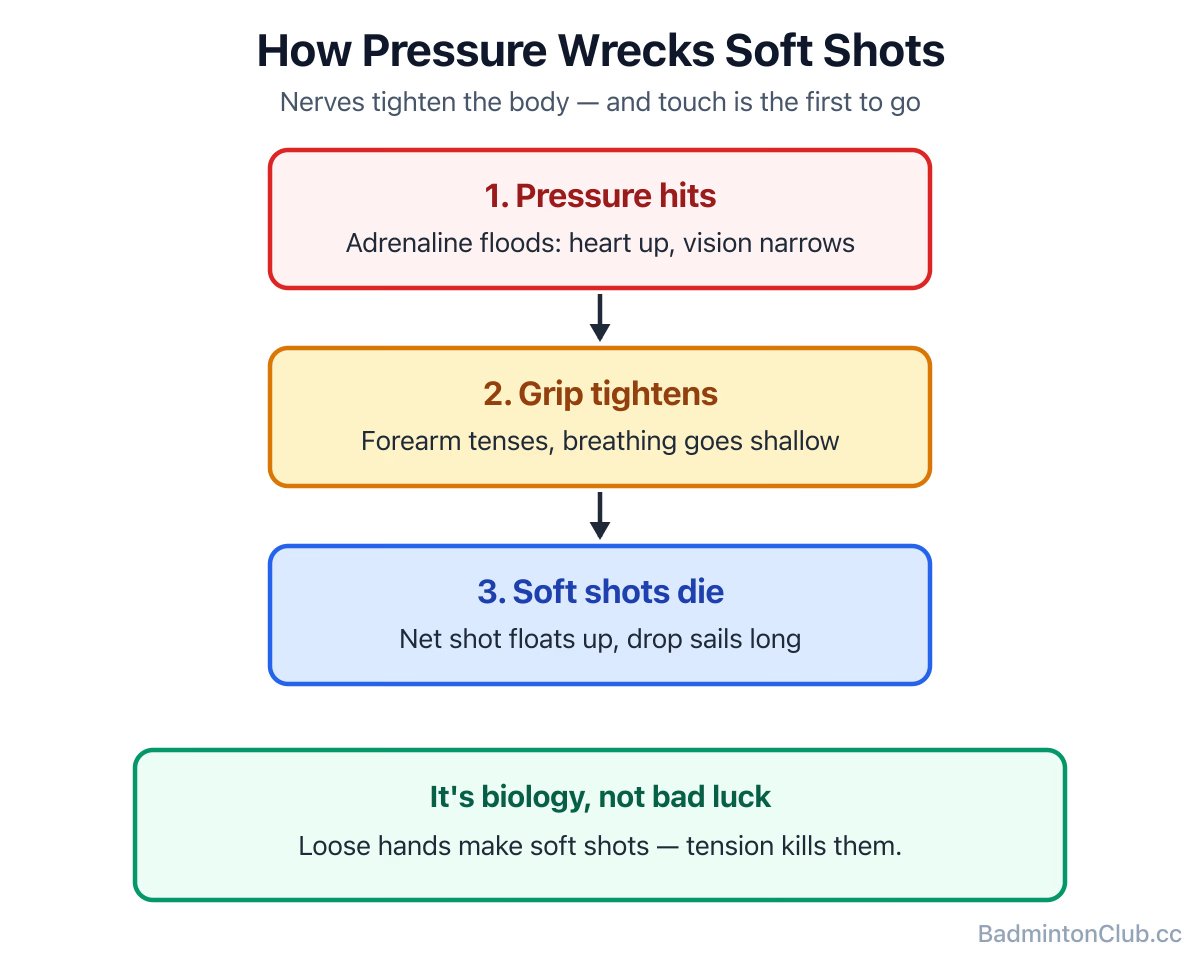
Here's the mechanism, and it's worth understanding because it explains everything that follows. When you get nervous, your body floods with adrenaline: heart rate up, breathing shallow, muscles tense, vision narrowing. That's great for outrunning a predator and terrible for a sport built on loose hands and soft touch. A tense forearm can't snap; a tense grip kills your net shots; tunnel vision stops you reading the court. So the nervous player doesn't just feel worse — they physically lose the relaxed technique their good shots depend on. The drop floats long. The serve goes tight. It's not bad luck; it's biology.
The reset that actually works between points
Every good competitor has a between-point reset, and the simplest one is breathing. After you lose a point — especially a sloppy one — most players grip the racket, mutter, and serve again while still angry. That's how one error becomes three. Instead: turn your back to the net for two seconds, take one slow breath out, relax your shoulders, then turn round with a single clear intention for the next point. Two seconds. That's the whole technique, and it's the difference between a wobble and a collapse. The score in your head is the enemy; the only point that exists is the next one.
The thing nobody admits about pressure (original take)
I'll tell you something I've never seen written in a coaching manual, and I've watched a lot of club leagues. The player who looks most relaxed is usually the one working hardest to look relaxed. Composure isn't the absence of nerves — it's a performance you put on for your opponent, and the wild thing is that performing calm actually makes you calmer. There's a feedback loop: walk slowly between points, breathe out audibly, keep your face blank, take your full time on the serve, and your nervous system starts to believe the act. Meanwhile your opponent, watching you stroll about unbothered at 19-20, starts to doubt themselves. I once watched a county-level player win a deciding game almost entirely by tying his shoe slowly at 18-all — not gamesmanship exactly, just refusing to be rushed. His opponent had been on a roll; the ninety-second pause broke the rhythm, and the calm guy reeled off three points. The lesson stuck with me: in a tight game, the tempo belongs to whoever claims it. Most beginners hand it away by rushing. Slow down on purpose, and you've already won a small battle before the rally starts.
A simple mental-game routine for your next match
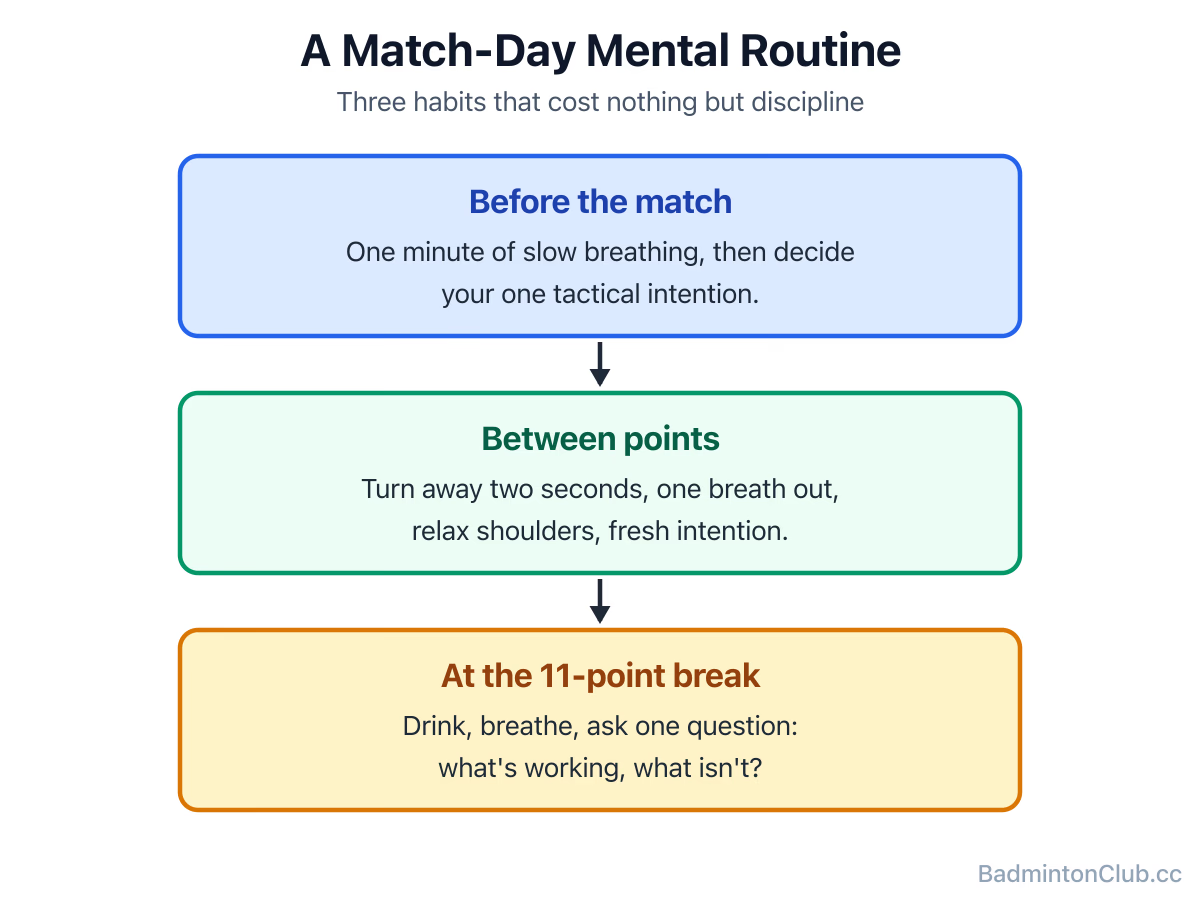
Before the match: one minute of slow breathing, and decide your one tactical intention (e.g. "I'll keep serving low and attack the lift"). Between points: the two-second reset above. At the 11-point interval (the short break when the leader hits 11 in each game — and the actual change of ends in a deciding third game): drink, breathe, and ask one question — "what's working, what isn't?" After a bad patch: lengthen, don't shorten — take more time, not less. That's a full mental routine and it costs nothing but discipline.
How the rest of this series fits together
The mental game sits on top of strategy, so the two feed each other: a clear game plan calms you because you know what you're trying to do, and good shot selection keeps you out of the panicky scrambles that nerves love. Calm without a plan is just relaxed losing. This hub links the psychology pieces — nerves, focus and confidence — to the tactical ones, because at the table you can't separate them.
FAQ
- Q: Is badminton more mental or physical? Both, but at similar skill levels the mental game usually decides it. Two players with the same strokes are separated by whoever stays calmer, focuses on the next point, and handles 18-all without falling apart.
- Q: How do I stop getting nervous in badminton matches? Slow your breathing, build a between-point reset, and shift your focus from the score to the next rally. Nerves are physiological — slow breathing out directly calms the system, so a long exhale is your fastest tool.
- Q: Why do I play worse in matches than in practice? Pressure tightens your grip and shortens your breath, which kills the relaxed technique your good shots need. Your strokes haven't vanished — they're being strangled by tension. The fix is mental, not technical.
- Q: What should I think about during a point? The shuttle and your immediate intention, nothing else. Not the score, not your last mistake, not what your opponent thinks. Narrow your attention to the present rally and let everything outside it fall away.
- Q: Can you train the mental side of badminton? Yes, like any skill. Breathing routines, a between-point reset, and deliberately playing pressure points in practice all build composure. It's not a personality trait you're stuck with.
- Q: How do I stop one bad point becoming a losing streak? Use a reset: turn away, one breath out, relax the shoulders, then a fresh intention. Most streaks come from carrying anger into the next serve. Break the chain at the first error.
Badminton is won as much in the head as in the hands: the player who stays calmer, focuses on the next point, and refuses to panic at 18-all usually wins. This is the complete guide to the badminton mental game for club players — how nerves actually sabotage your shots, the breathing and routine tricks that steady you, how to stop the score in your head, and the on-court mindset that turns a shaky beginner into someone hard to beat under pressure.