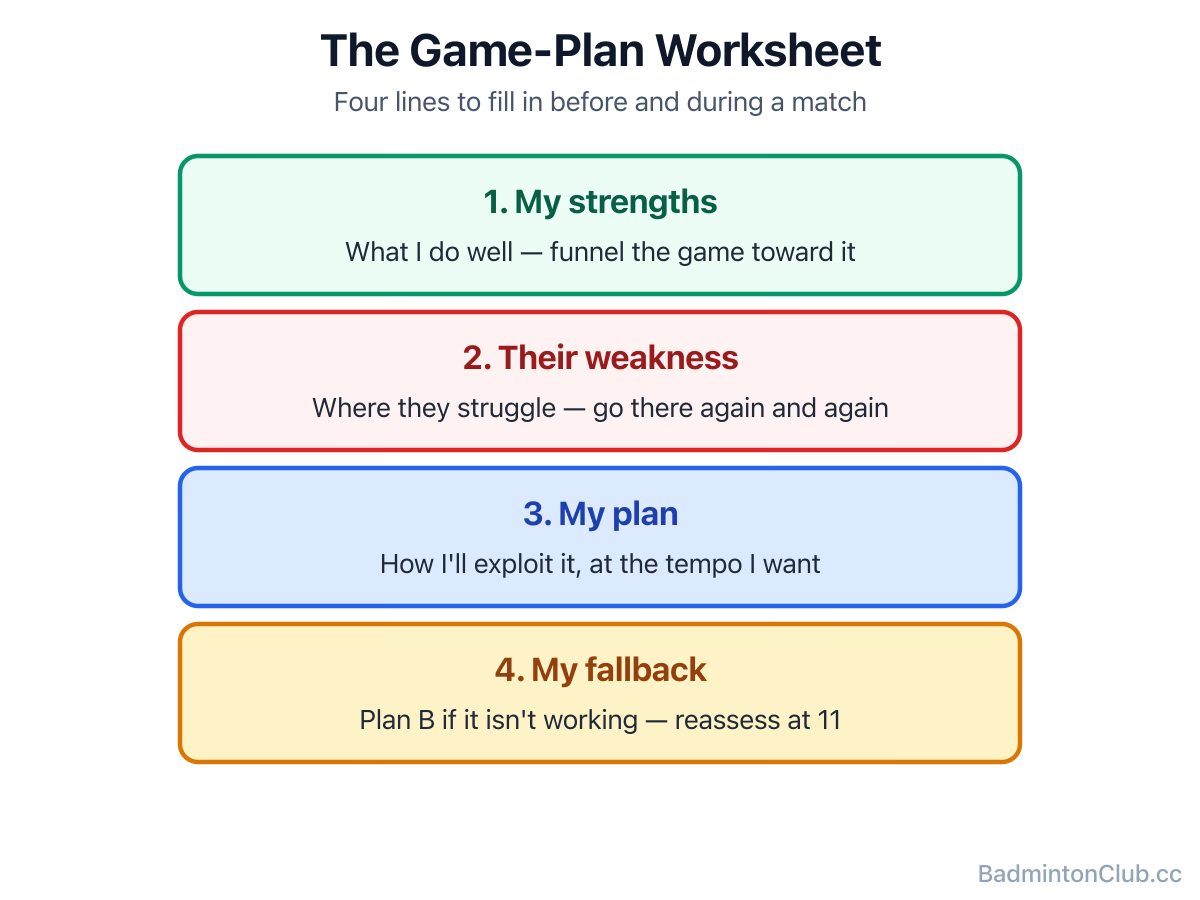
Winning at badminton isn't about hitting harder — it's about a clear game plan: play to your strengths, target your opponent's weakness, control the tempo, and stay disciplined when it's tight. This guide shows how to win at badminton by building a real badminton game plan before and during a match, how to adjust when it isn't working, and how to use the score and the change of ends to your advantage. The strategic thinking that turns even strokes into wins.
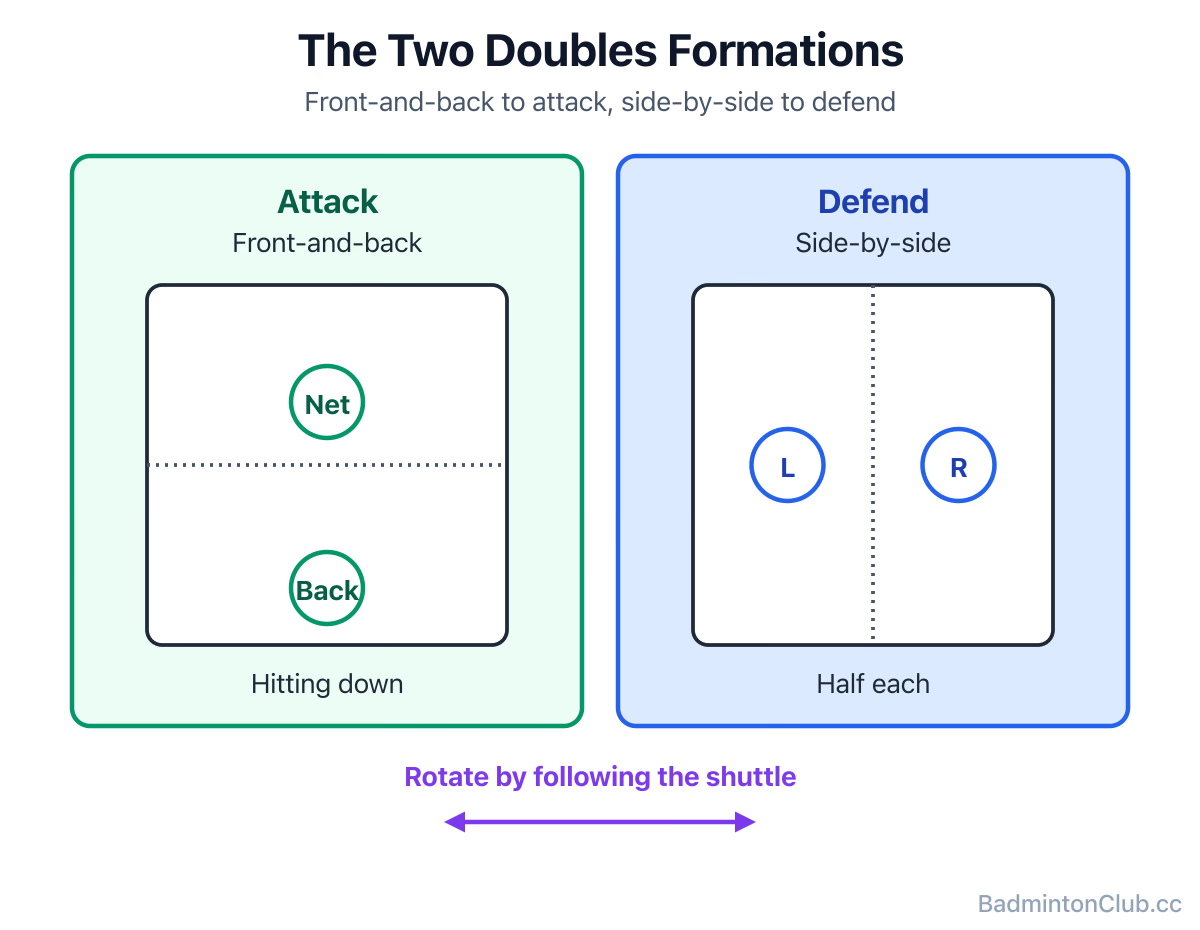
Doubles badminton is about attacking together and defending together: front-and-back when you attack, side-by-side when you defend, rotating smoothly between the two. This beginner doubles strategy guide explains both formations, how to rotate by following the shuttle, who takes which shots, why keeping the shuttle down wins doubles, and the communication that stops you and your partner both leaving it. The essential tactics for anyone stepping onto a club doubles court for the first time.
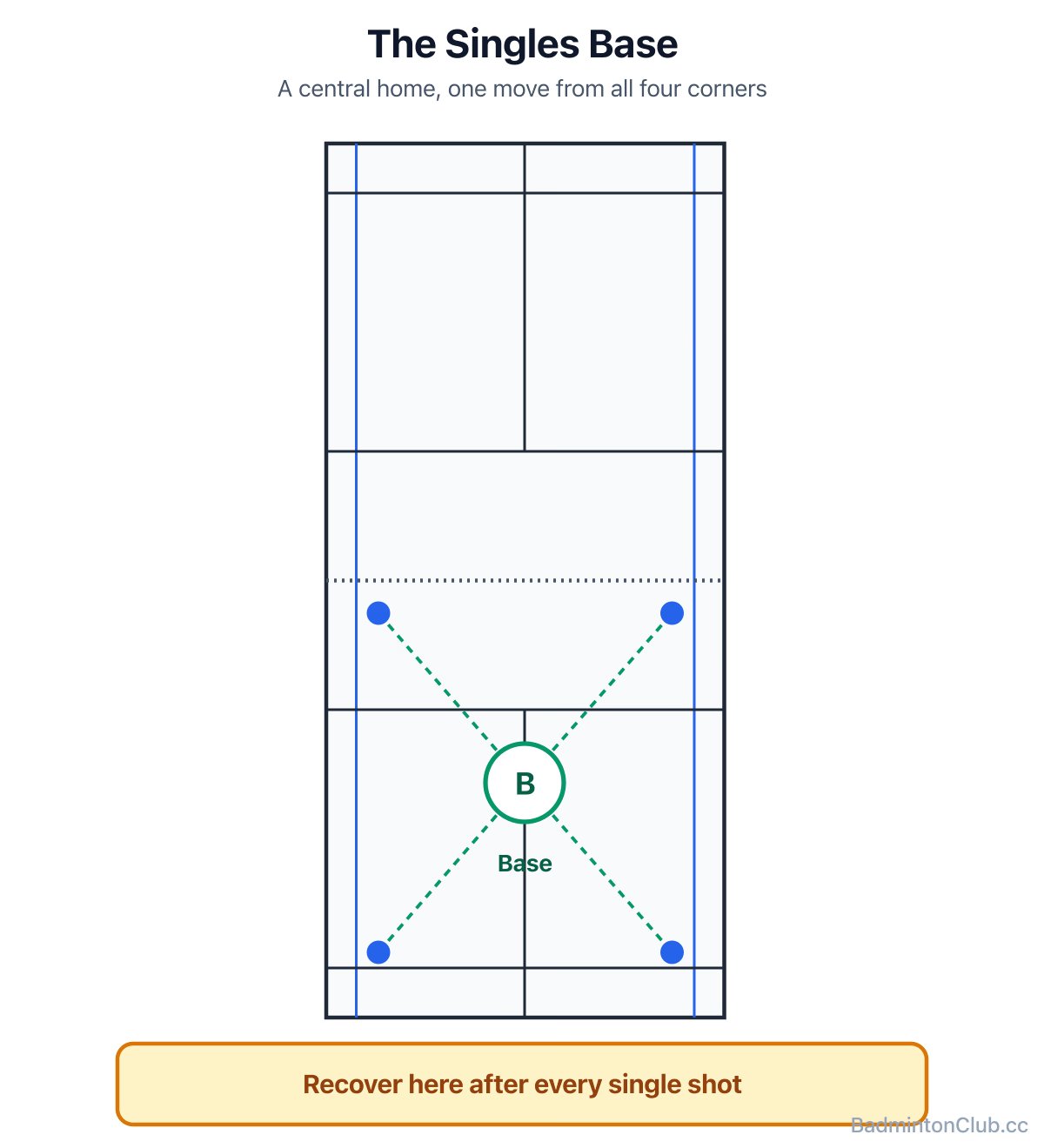
Singles badminton is a game of movement and patience: hold a central base, move your opponent corner to corner, and wait for the weak reply rather than going for winners. This beginner singles strategy guide covers the base position, why hitting to the corners works, the clear-and-drop patterns that stretch opponents, when to attack, and the fitness-and-discipline mindset that wins singles — the format where the fitter, smarter, more patient player almost always comes out on top.
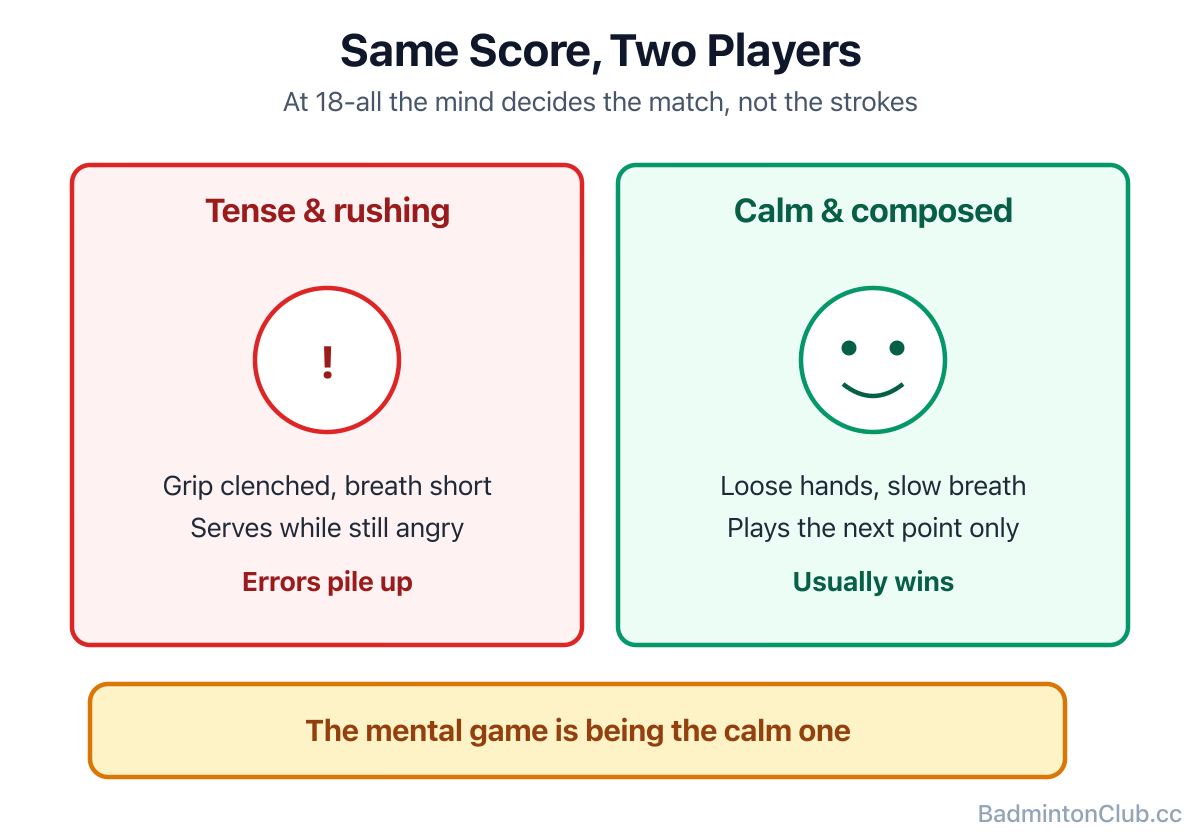
Badminton is won as much in the head as in the hands: the player who stays calmer, focuses on the next point, and refuses to panic at 18-all usually wins. This is the complete guide to the badminton mental game for club players — how nerves actually sabotage your shots, the breathing and routine tricks that steady you, how to stop the score in your head, and the on-court mindset that turns a shaky beginner into someone hard to beat under pressure.
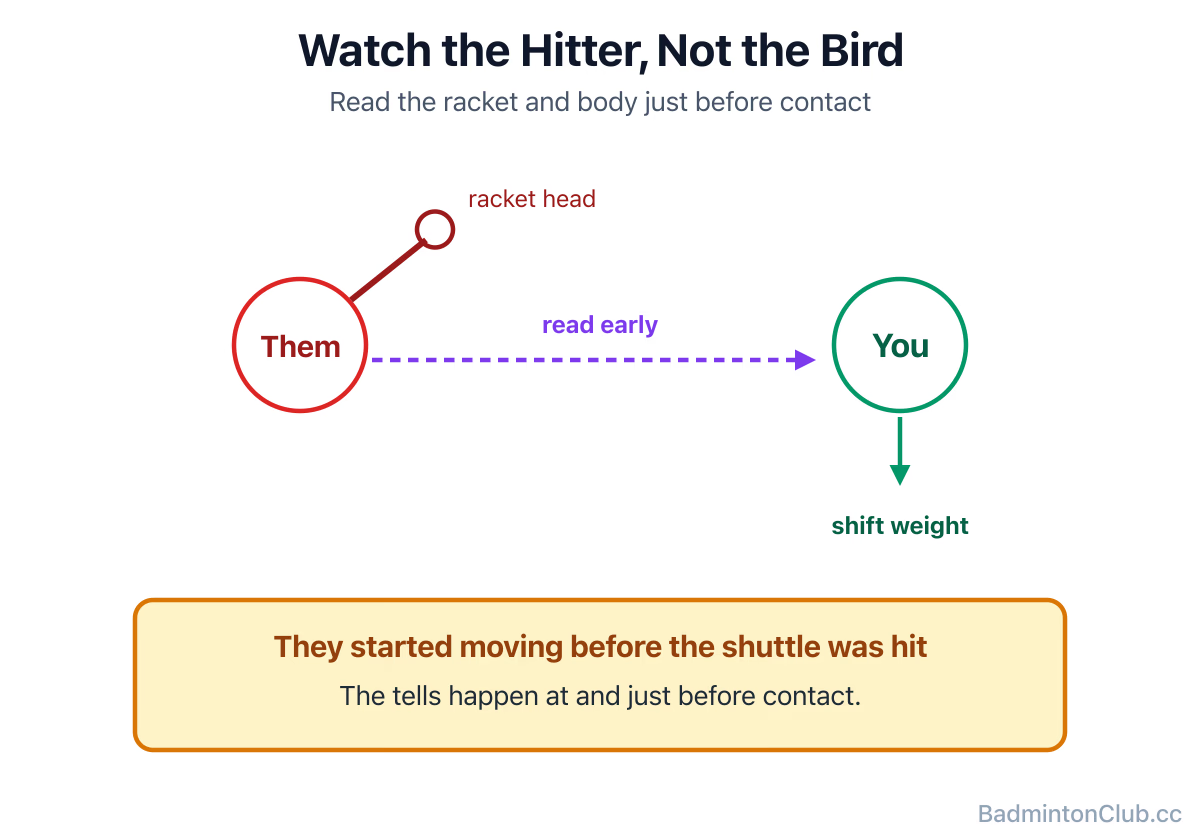
The best badminton players seem to reach everything — not because they're faster, but because they read the shot before it's hit. This guide explains how to read your opponent in badminton: the body and racket tells that give away a smash or a drop, how to anticipate from court position and patterns, why you watch the racket head not the shuttle, and how to disguise your own shots so you can't be read. Anticipation is a trainable skill that makes a slow player quick.
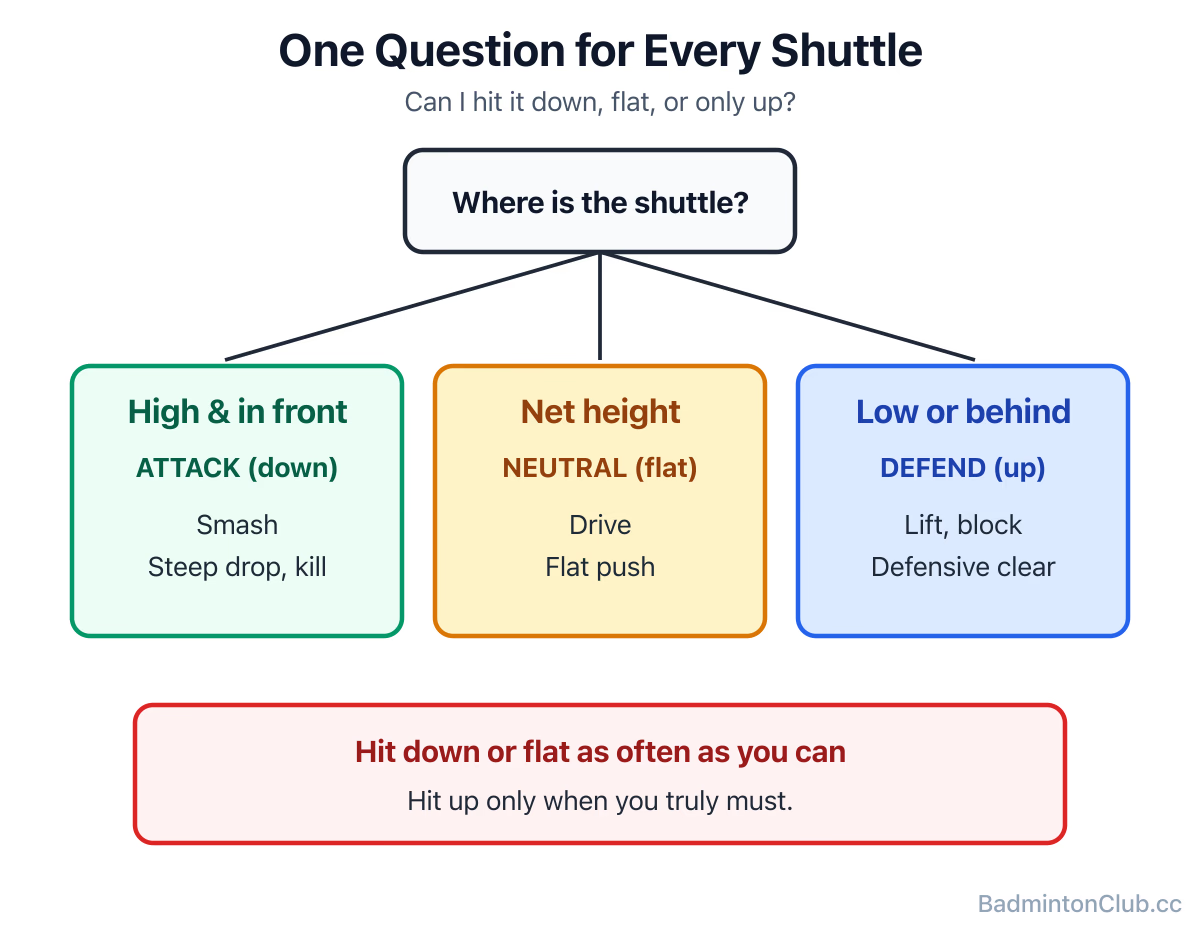
Knowing every shot is useless if you pick the wrong one — shot selection is the strategy skill that ties technique to tactics. This guide gives you a simple framework for badminton shot selection: read whether you're attacking, defending or neutral, hit down when you can and up only when you must, pick shots you can recover from, and stop trying to hit winners from defensive positions. Practical decision-making that instantly raises your game without a single new stroke.
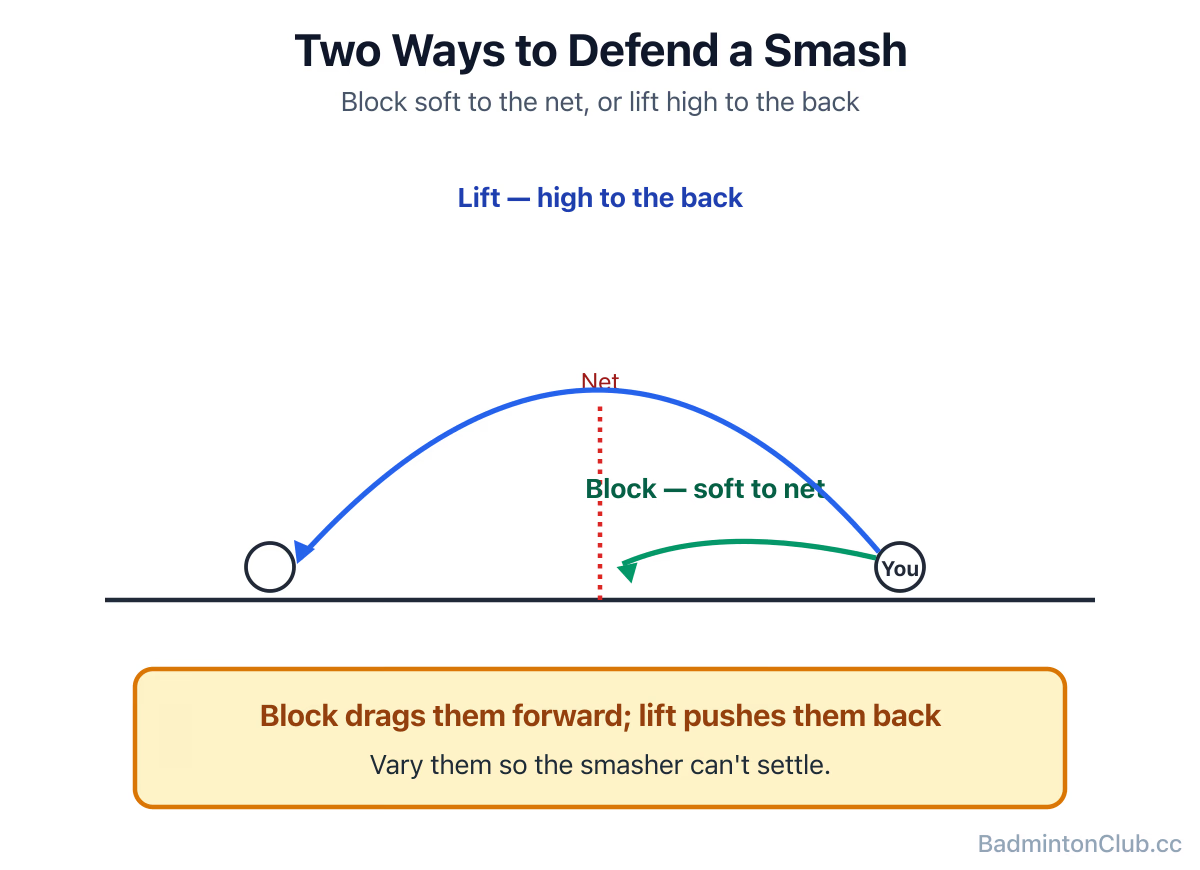
Defending a smash, you have two main replies: lift it high to the back, or block it soft to the net — and choosing right is what separates good defence from desperate defence. This guide explains when to lift vs block in badminton, what each shot does to your opponent, where to place them, and why varying the two keeps a smasher guessing. Practical defensive decision-making for club players who currently just panic and hope the shuttle goes back.
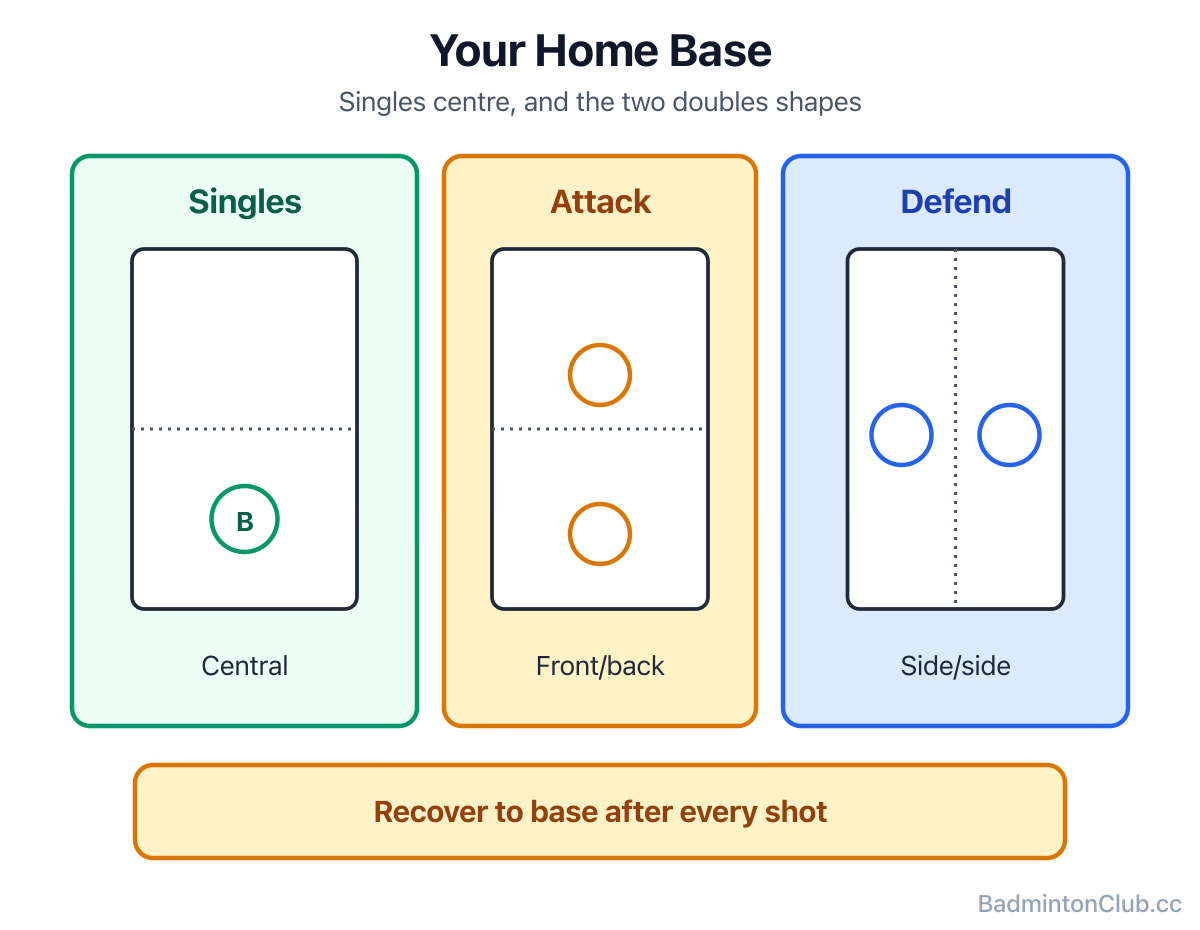
Good positioning is the quiet skill that makes everything else easier: stand in the right base, recover to it after every shot, and you reach replies you'd otherwise miss. This guide covers badminton positioning basics for singles and doubles — the central singles base, the front-and-back and side-by-side doubles positions, why you recover diagonally not straight back, and how good positioning turns a slow player into a player who always seems to be in the right place.
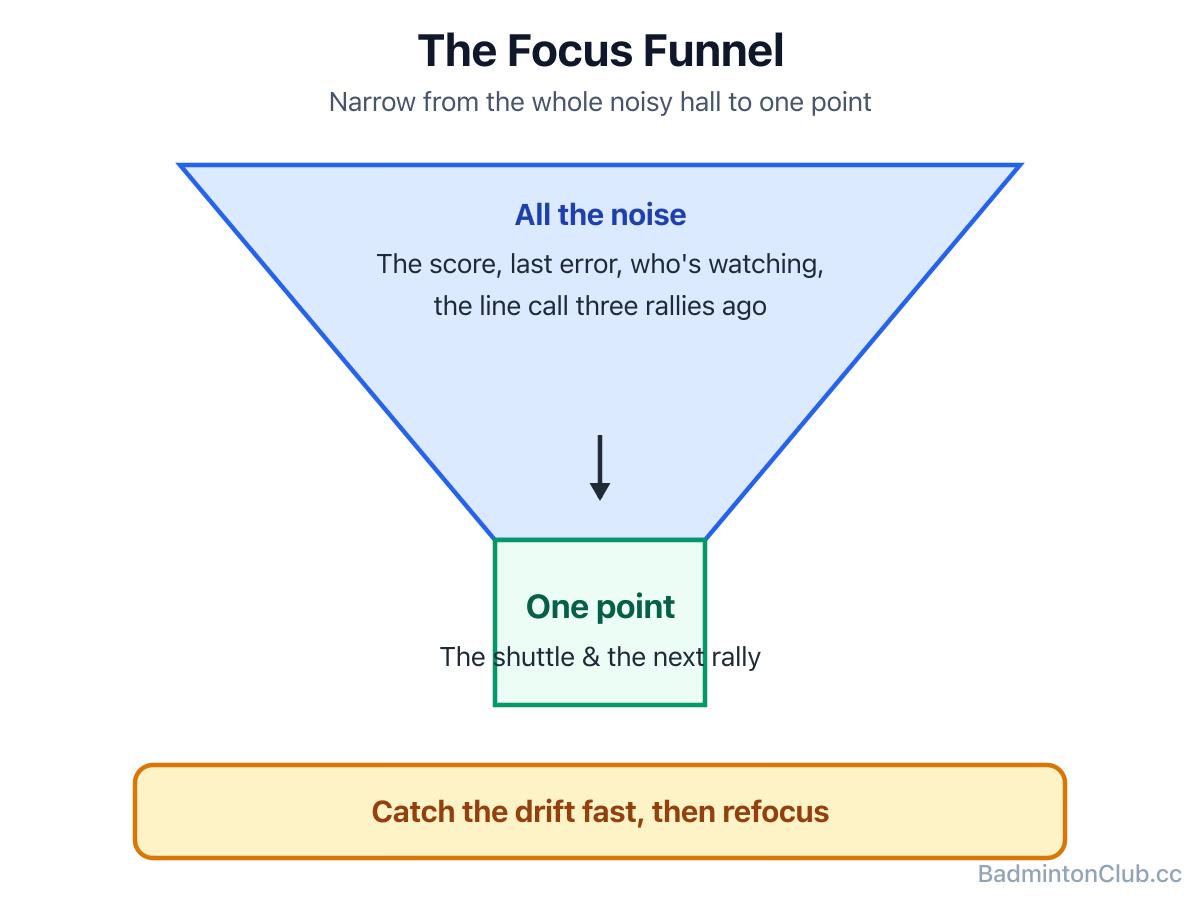
Focus and confidence are the two mental skills that hold up under pressure — and both can be trained. This guide shows how to stay focused in badminton on the only thing that matters (the next point), how to stop dwelling on errors and the scoreboard, and how to build real badminton confidence from small process goals rather than fragile hope. Practical, on-court methods for club players whose concentration drifts and whose belief evaporates the moment they fall behind.
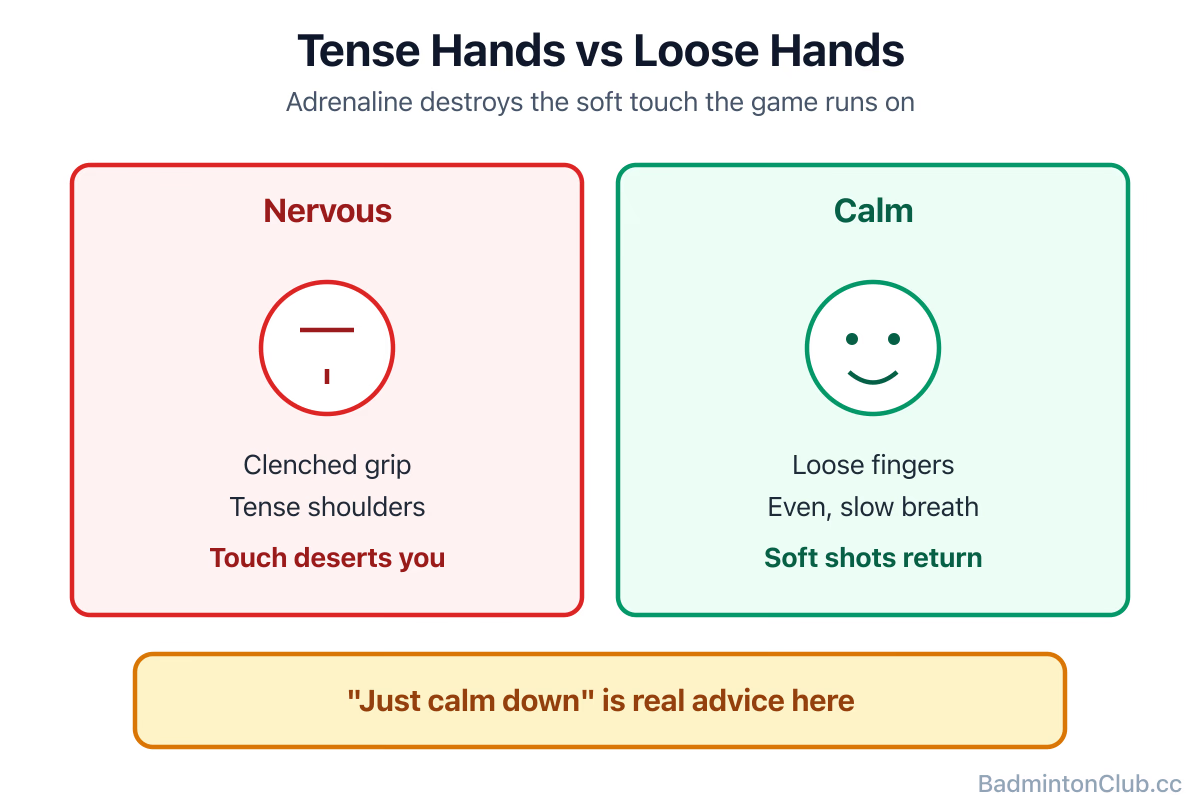
Match nerves make your grip tighten, your breathing go shallow and your soft shots fall apart — exactly when you need them most. This guide explains why badminton match nerves hit so hard, the box-breathing and pre-serve routines that genuinely calm you down, how to reframe nerves as readiness, and the practical between-point habits that keep one anxious moment from sinking a whole game. Written for club players who freeze up the moment a match means something.