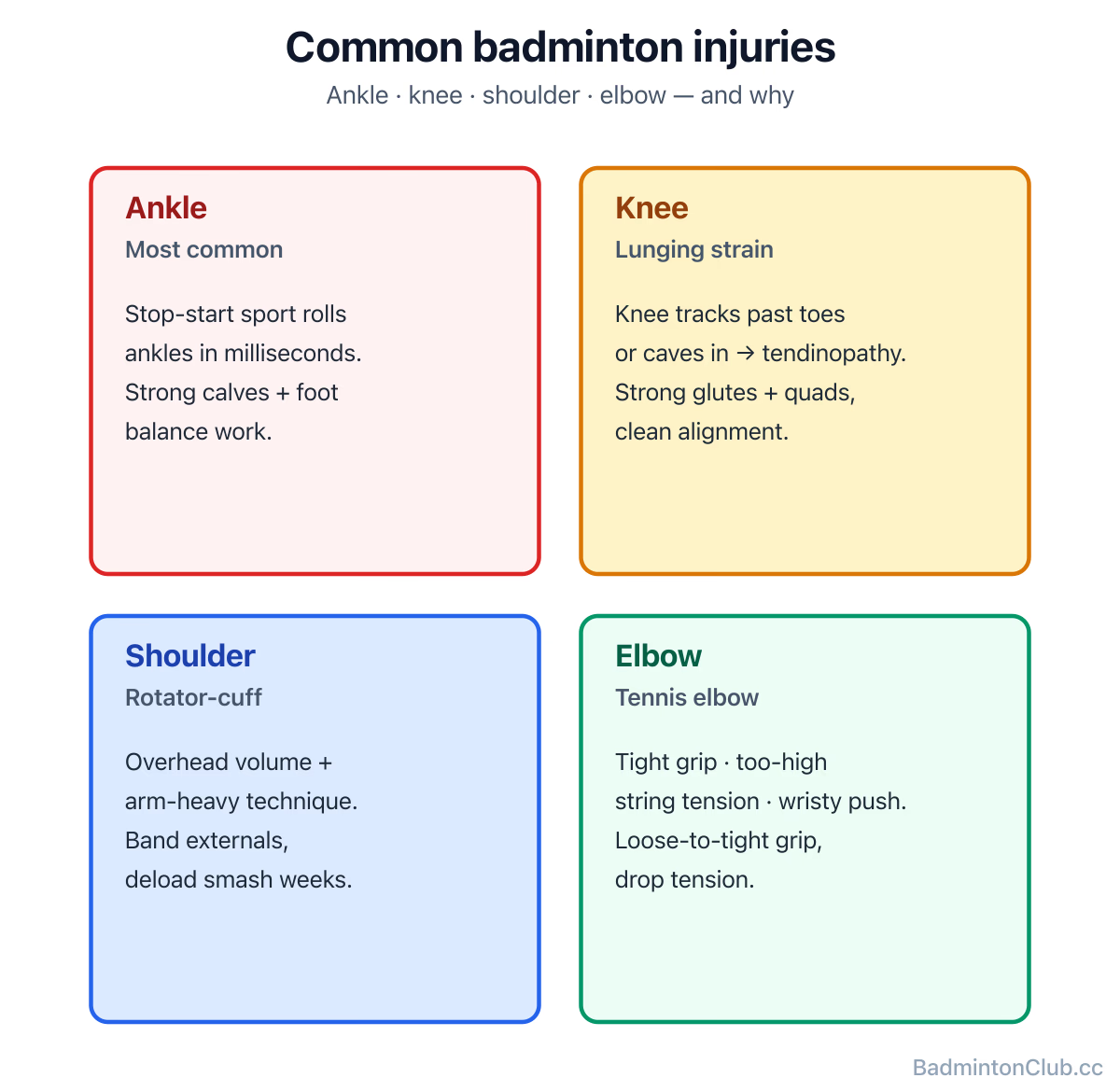
The four most common badminton injuries — rolled ankles, lunge-related knee strain, rotator-cuff shoulder overuse, and tennis elbow — and how to prevent each with strengthening, technique fixes and sensible training load. Practical: how to tape an ankle, when to see a physio, why over-tensioned strings cause more elbow pain than backswings, and the lunge alignment that saves knees. Not medical advice, but a player's flag for patterns that quietly end most club careers.
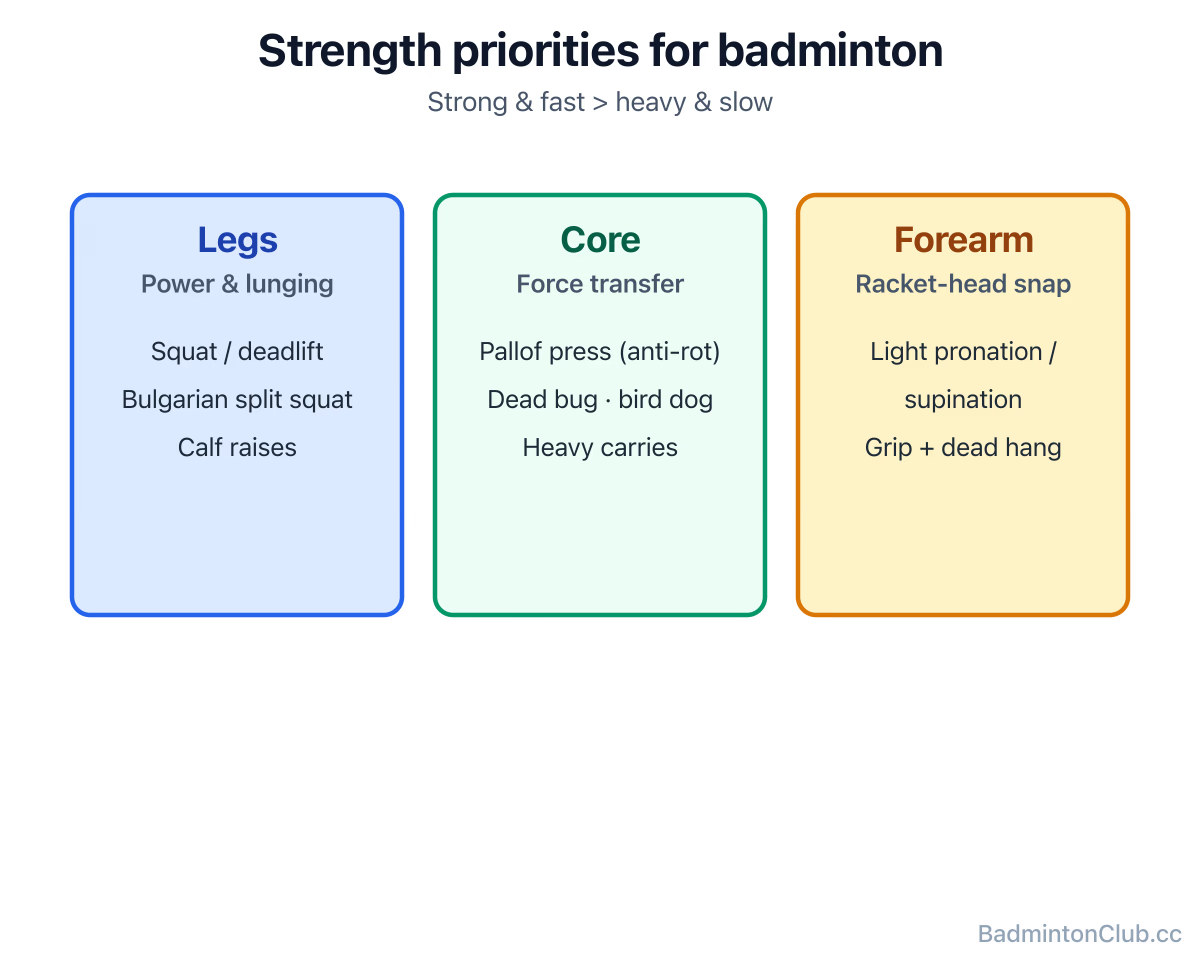
Badminton strength training in 45–55 minutes twice a week — legs (squat, deadlift, split squat, calf), core anti-rotation (Pallof, dead bug, carries), and forearm rotation work for the racket-head snap. The article gives full session structure, sets and reps in the 4–8 range moved fast (not heavy-and-slow), and the brief on why heavy wrist curls are counter-productive. The minimum useful programme.
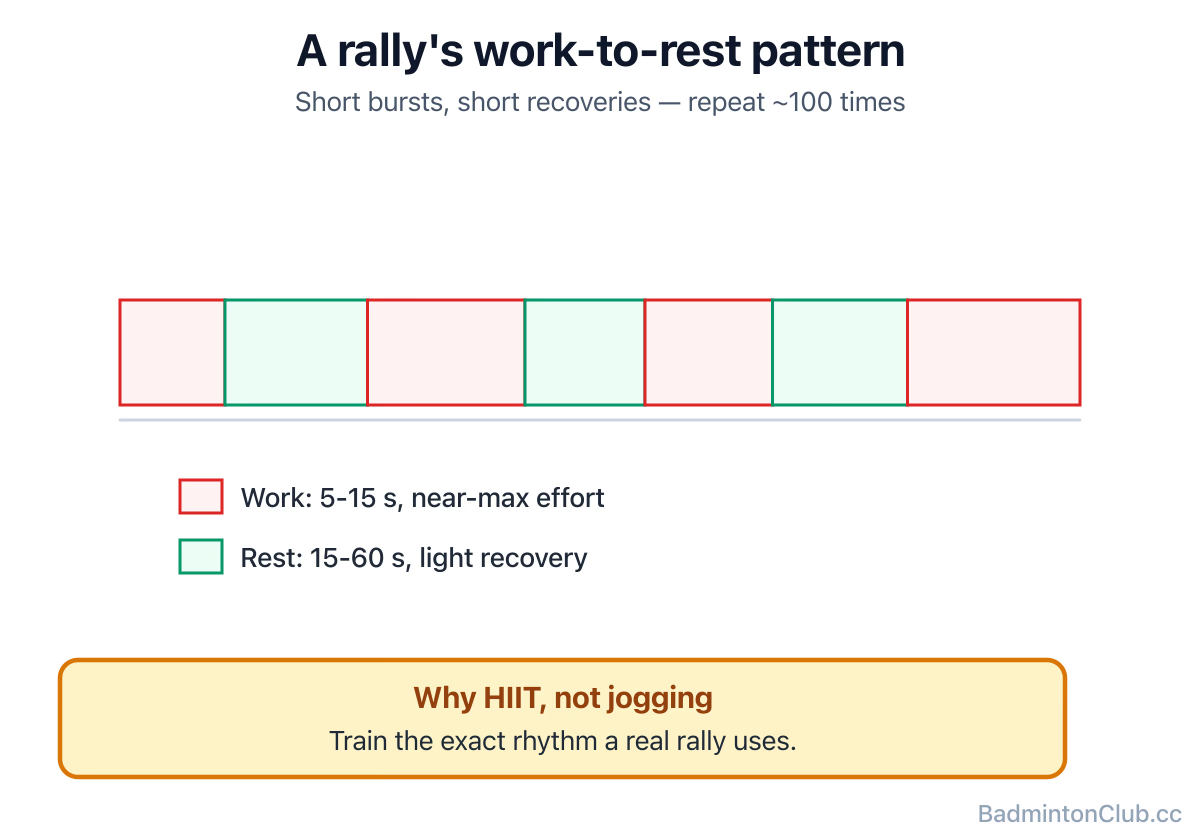
Build badminton stamina with HIIT intervals that mirror rally physiology — 5–15 second bursts, incomplete recovery — not the long jogging that wastes most club players' time. The article lays out a 3-day weekly plan (court HIIT plus aerobic base plus mixed intervals), three on-court endurance drills (multi-shuttle feed, long rallies, 3-on-1), and the verified per-hour calorie ranges. Built for adults who want third-game stamina without the gym hours.
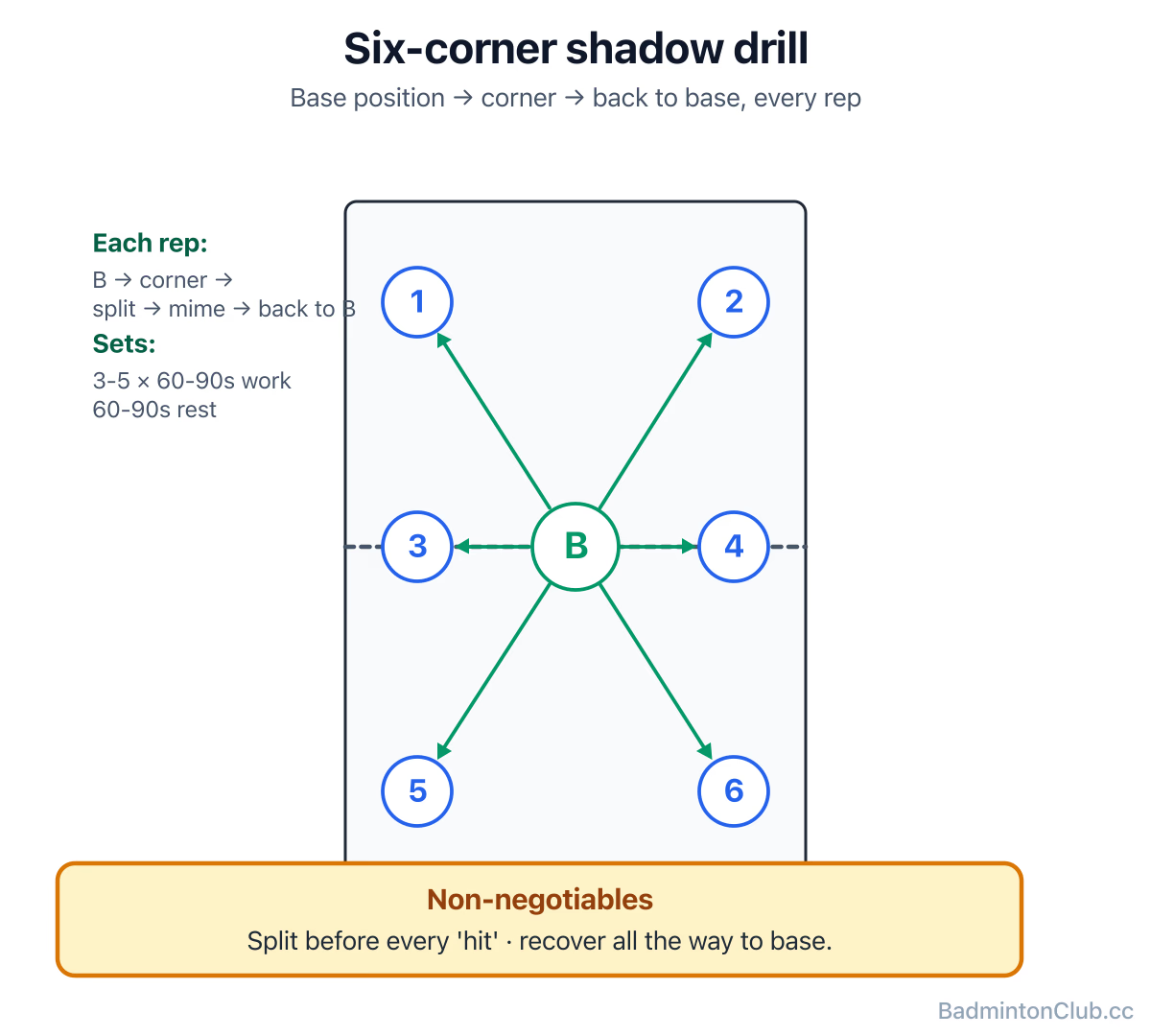
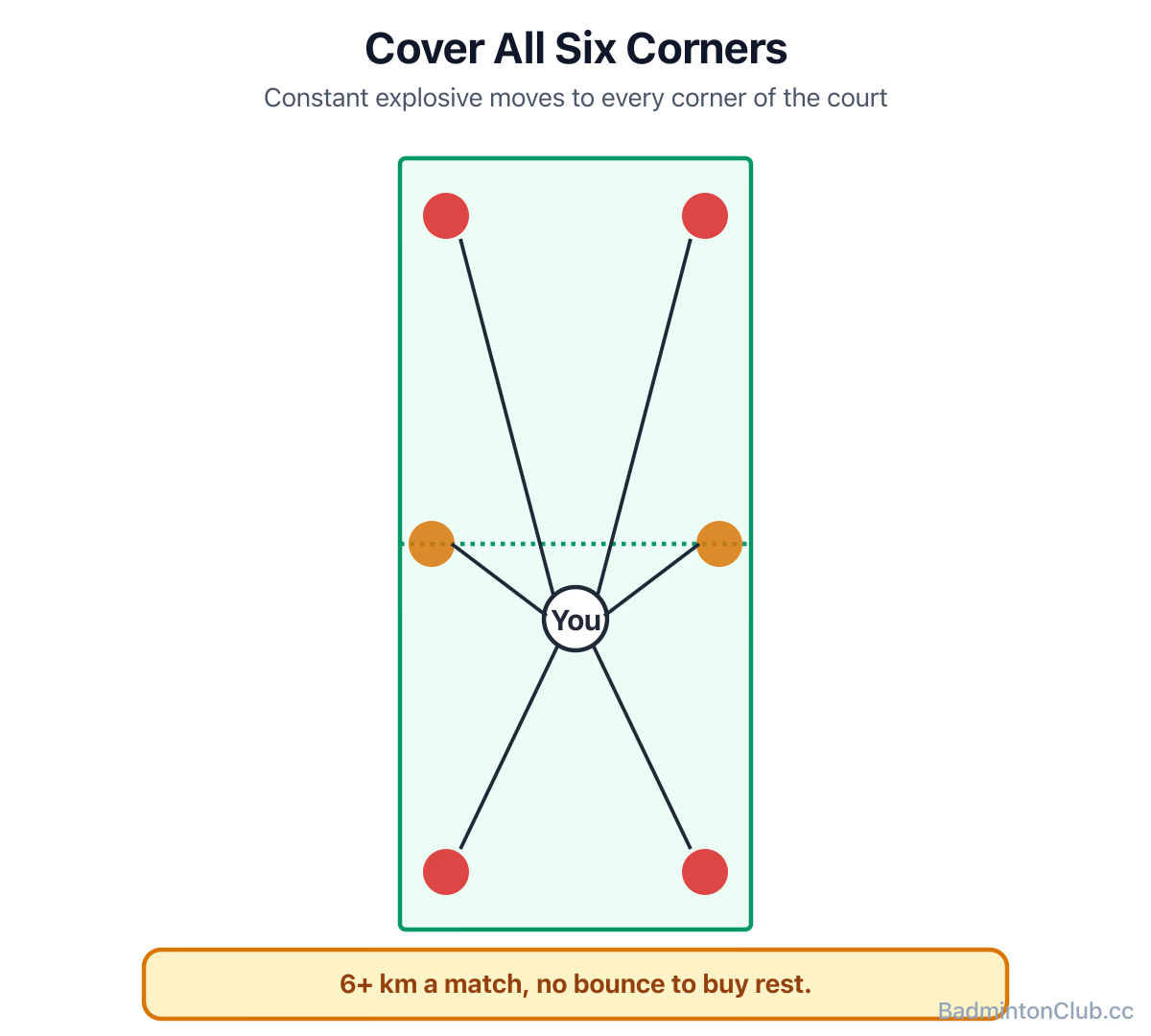
Badminton footwork drills you can groove anywhere — from a six-corner shadow routine on court to split-step ladders and corner taps in a 3×3 m hallway, written for club players whose movement is the weakest part of their game. The piece walks through three home drills, an on-court routine with work/rest reps per level, the split-step timing trigger, and what the lazy version costs you. Cross-linked to the techniques footwork article so mechanics and drilling sit side by side.
Why is badminton so tiring? Because the shuttle never bounces, so every shot is taken on the full with explosive lunges, jumps and constant direction changes — a singles player can cover 6+ km in a match. This guide explains exactly why badminton drains you so fast: the stop-start anaerobic bursts, the overhead and lunge load, and the grip-too-tight beginner trap. Then it covers how to build the stamina to stop fading in the third game.
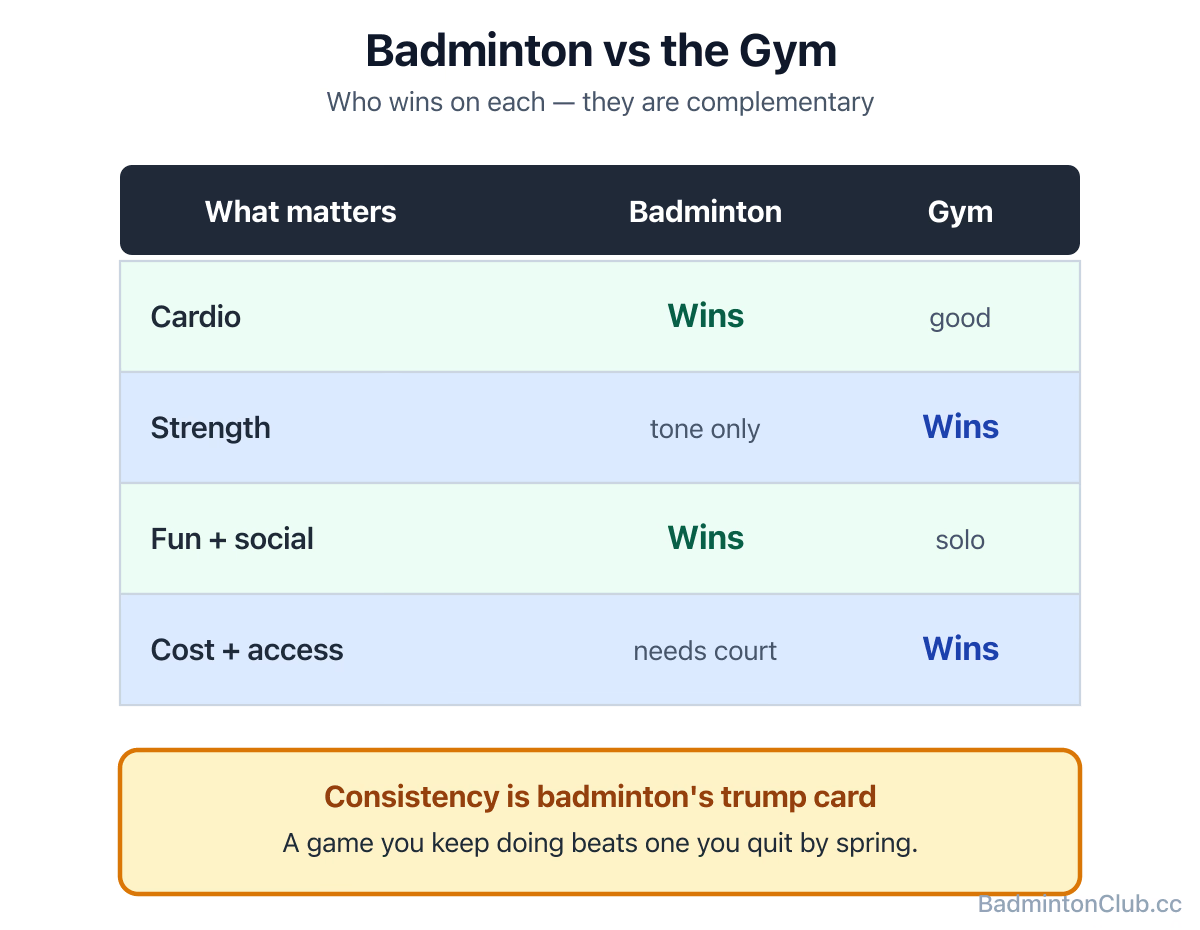
Badminton vs the gym isn't really a fair fight — they're good at different things. Badminton wins on cardio, agility, fun and the social glue that keeps you exercising for years; the gym wins on building raw strength, muscle size and targeted training you fully control. This guide compares them honestly on calorie burn, fitness type, injury risk, cost and — the one that decides everything — which you'll actually keep doing, then explains why the smart answer is usually both.
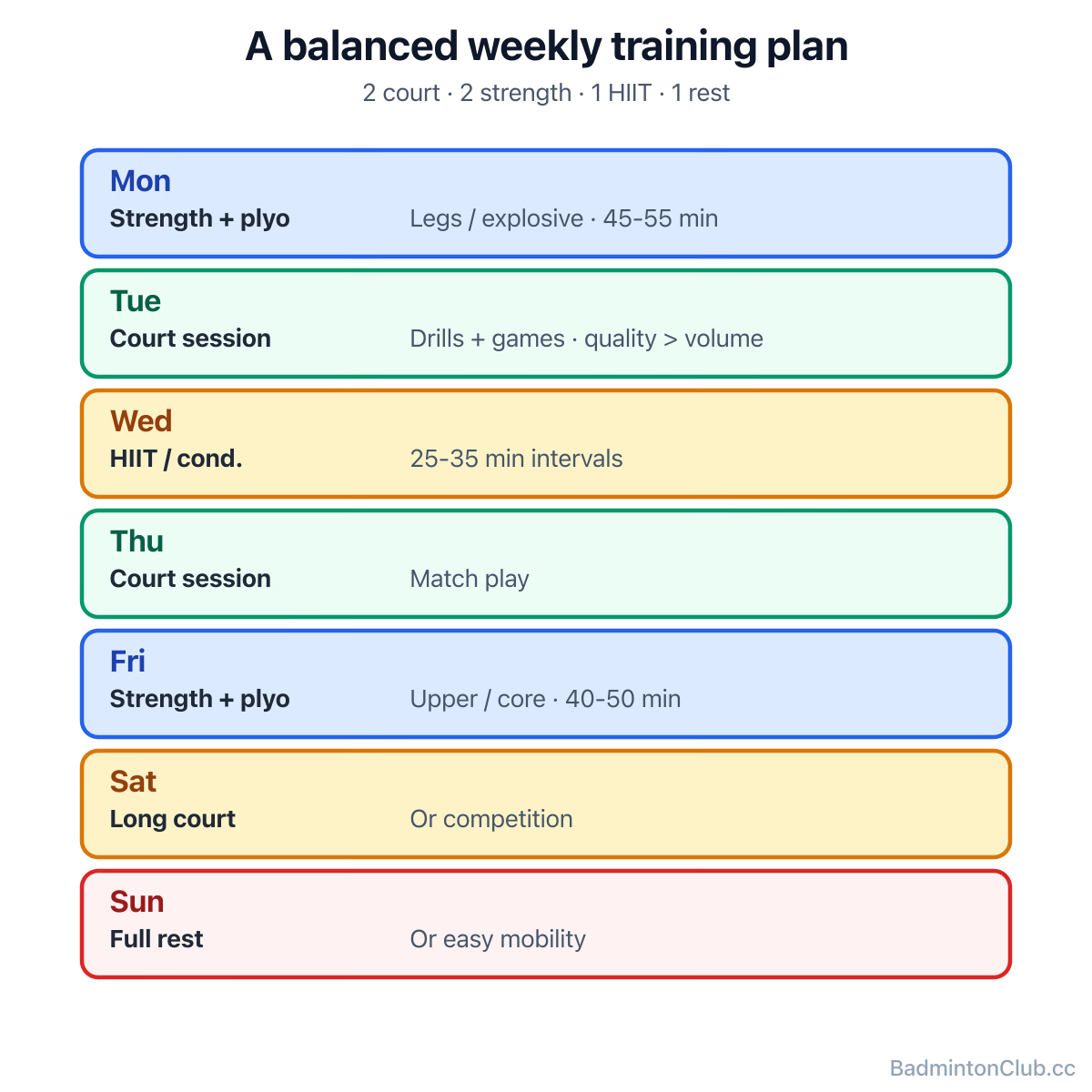
An off-court badminton conditioning programme for working adults: two strength + plyo sessions, one HIIT, one mobility, sitting alongside two or three court sessions, with one full rest day a week. Includes periodisation around tournaments (deload 5–10 days, then 2–3 light days after), a minimum-viable two-session-per-week version, and a phased ramp from week 1 to week 5+. The honest line: programmes fail because they're optional, not because they're wrong.
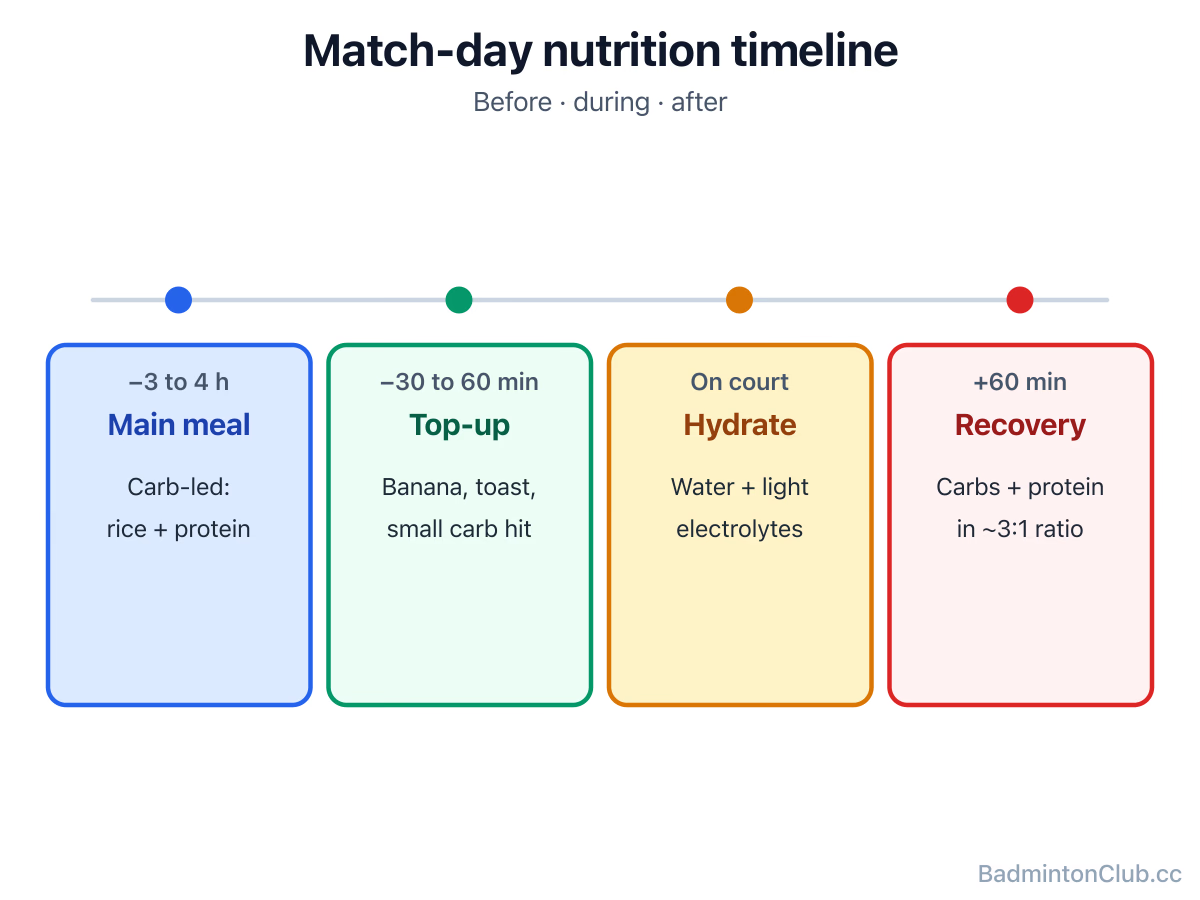
Badminton nutrition for a competitive day — a carb-led meal 3–4 hours before, a small top-up 30–60 minutes before, and steady electrolyte hydration through long days. Between-match snacks by gap length, what to refuel with within 60 minutes of finishing, and an honest take on caffeine timing. Not influencer advice; the boring real-food playbook that actually delivers stable energy through three sets without GI distress on court.
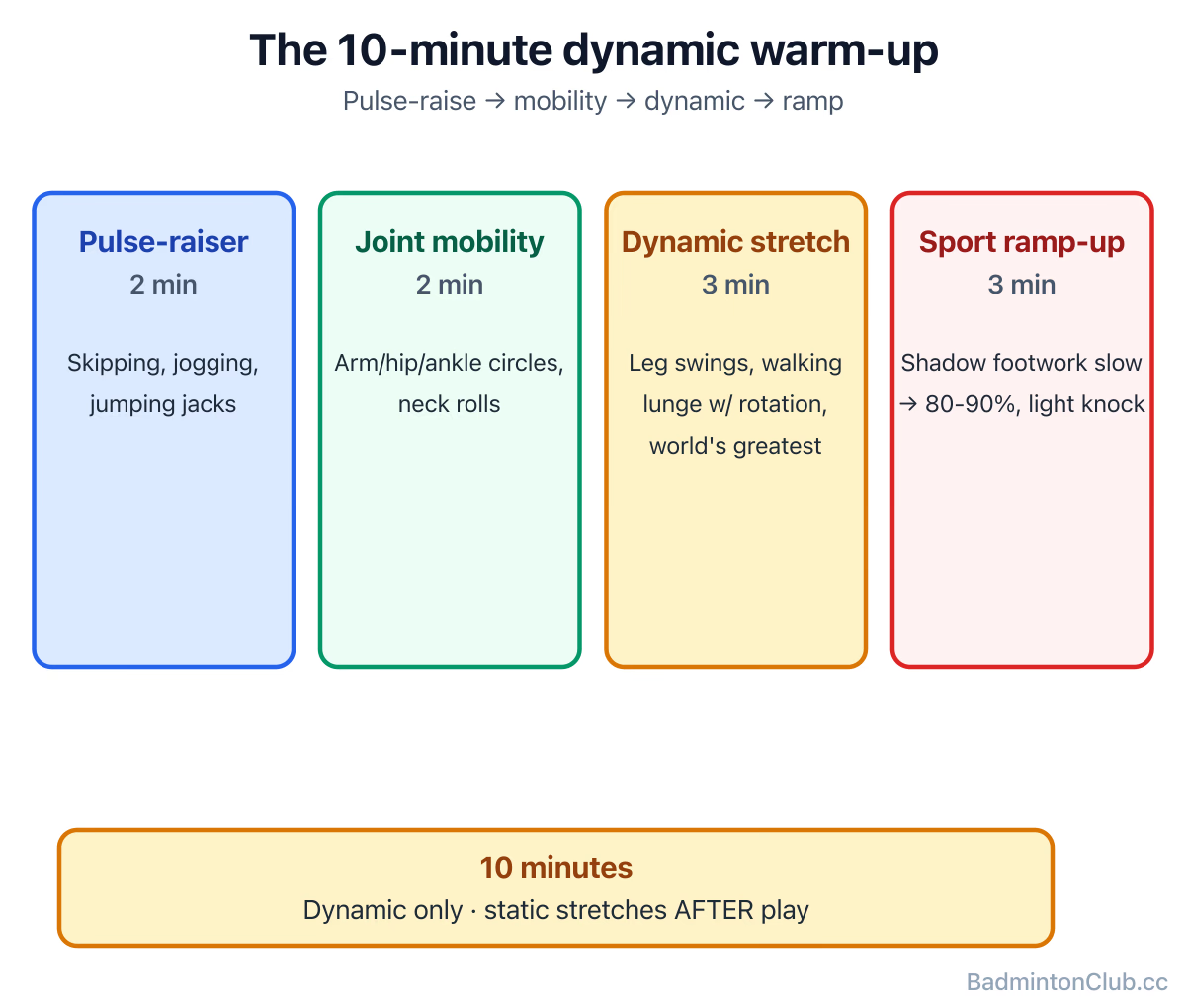
The 10-minute badminton warm-up routine: pulse-raiser, joint mobility, dynamic stretches, then ramped-up shadow footwork to game intensity. Plus what a proper cool-down looks like, why static holds belong after play (not before), and a short functional-mobility block targeting the three joints badminton actually loads — shoulders for overheads, hips for lunges, ankles for split steps. Ten minutes that prevent more injuries than any single drill.
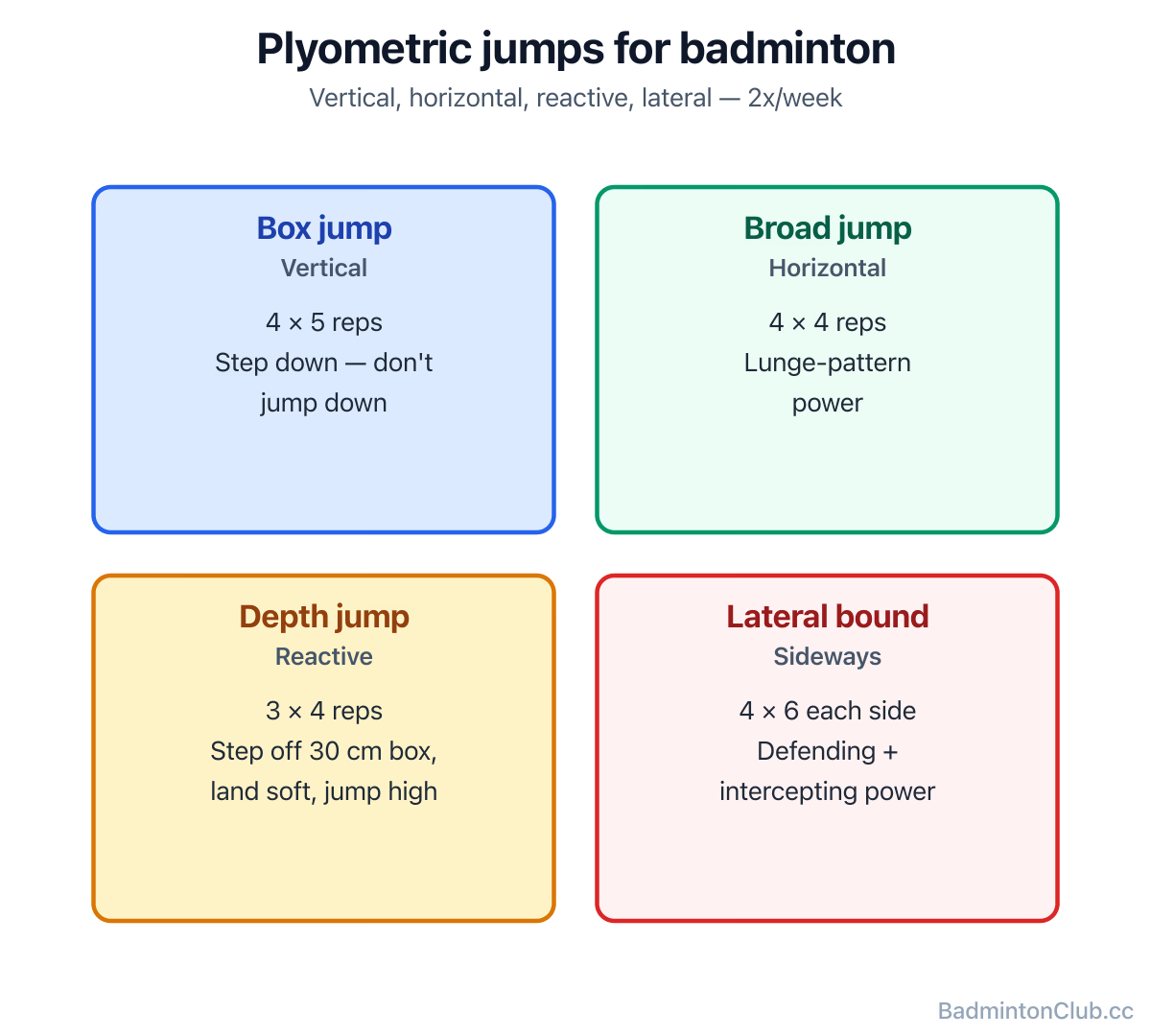
Explosive power for badminton, built with plyometric jumps (box, broad, depth, lateral, skater) that train the stretch-shortening cycle the jump smash actually uses — paired with heavy-but-fast leg strength so the jumps have power to multiply. Two plyo sessions a week, a sample weekly layout, depth-jump form, and a blunt take on why pronation matters more than vertical for most club smashes.
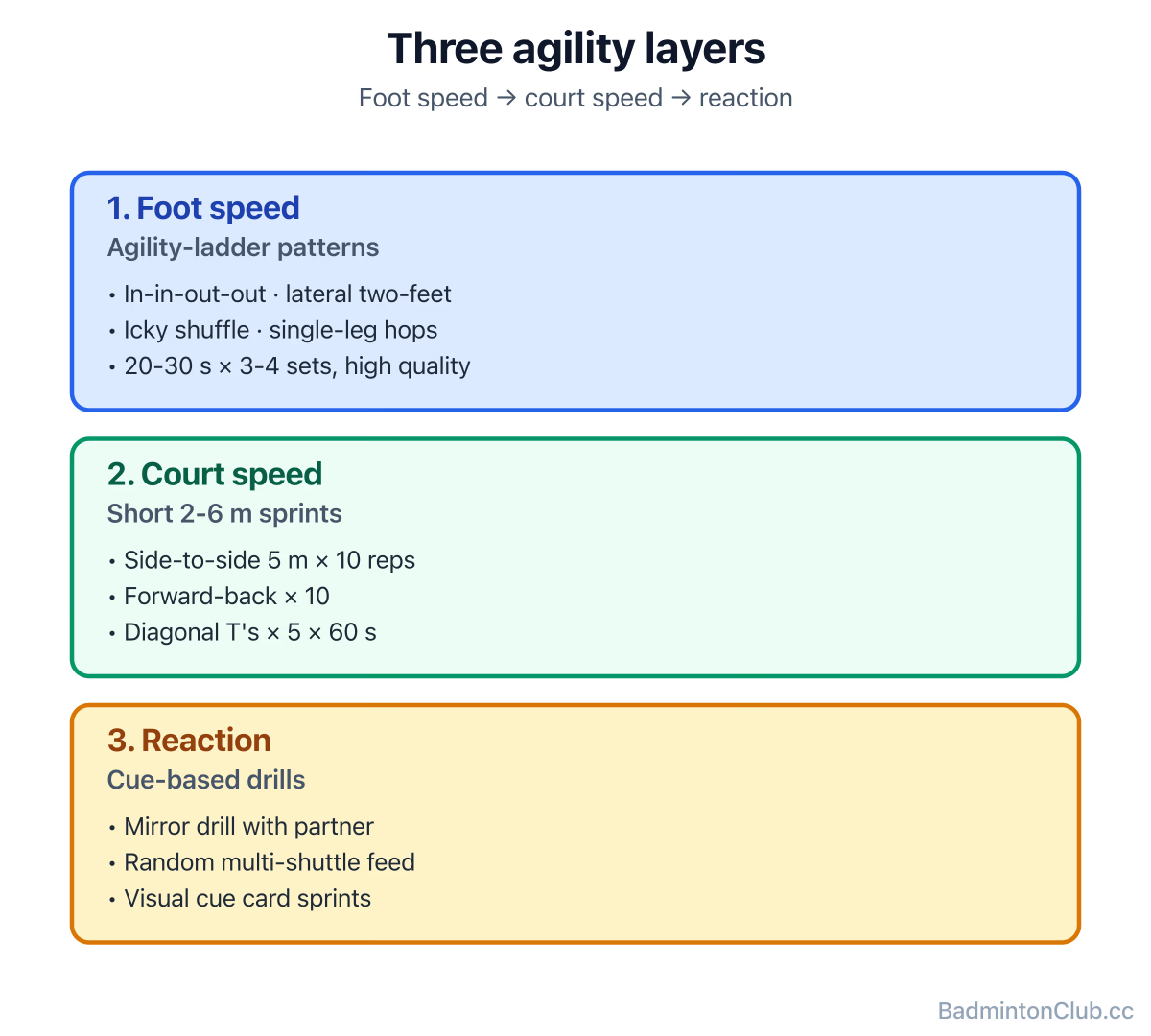
Badminton agility, speed and reaction training in three layers: agility-ladder patterns for foot speed, short court sprints (2–6 m) for raw movement, and partner-cued mirror and multi-shuttle drills that train you to start moving first. Includes 20–60 second drill sets with full recovery, the reason reaction beats raw speed at club level, and the honest reason ladder work doesn't transfer as directly as people think.