Badminton Warm-Up, Cool-Down & Flexibility: The 10-Minute Dynamic Routine
7 June 2026 · Badminton Fans
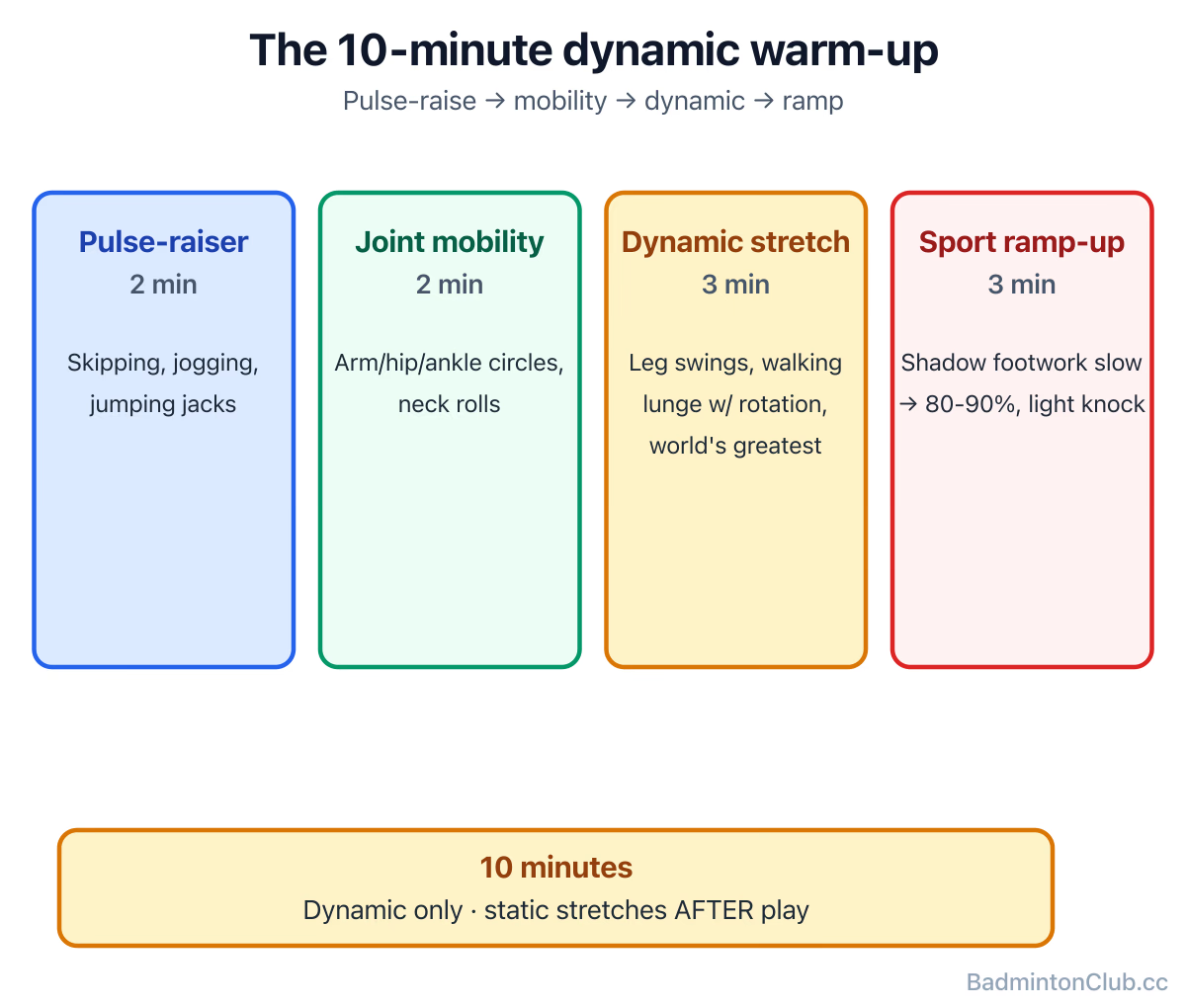
A proper badminton warm-up is dynamic (not static) and takes 8–12 minutes — light pulse-raiser, then mobility for shoulders/hips/ankles, then dynamic stretches, then ramped-up movement that finishes at near-game intensity — and a cool-down uses gentle static stretching and easy movement to bring the body down. Skipping the warm-up is the single most common cause of preventable badminton injuries.
Why dynamic, not static, before play
Static stretching before a hard match has been shown to slightly reduce explosive power and increase injury risk — your muscles want to be warm and active, not lengthened and relaxed. Dynamic stretching (controlled movement through range) achieves the warmth, the joint mobility and the neuromuscular priming you need, without the downsides. Save static stretches for after the session.
The 10-minute dynamic routine
- Pulse-raiser (2 min): light skipping, jogging or jumping jacks. Get warm.
- Joint mobility (2 min): arm circles, hip circles, ankle circles, neck rolls. Move every joint.
- Dynamic stretches (3 min): leg swings (front/back, side/side), walking lunge with rotation, lateral lunge, world's-greatest-stretch, inchworms. 8–10 reps each.
- Sport-specific ramp-up (3 min): shadow footwork starting slow and ramping to 80–90% intensity; light knock-up with a shuttle. By the end you should be lightly sweating and ready to play.
This is the routine for a typical club session. Before a tournament match, lengthen it to 12–15 minutes and finish with 2 sets of short, sharp 5-second sprints (or shadow bursts) to switch the nervous system fully on.
Cool-down — easy movement plus static stretching
After play, don't slump straight onto a bench. A short cool-down speeds recovery and is when static stretching belongs:
- Easy movement (2–3 min): light walking or slow shadow footwork — let your heart rate drop gradually.
- Static stretches (4–5 min): calves, hamstrings, quads, hips, chest, shoulders. Hold each 20–30 seconds, don't force it, just lengthen.
- Hydrate and eat something within the next hour (see Nutrition).
Flexibility — what badminton actually needs
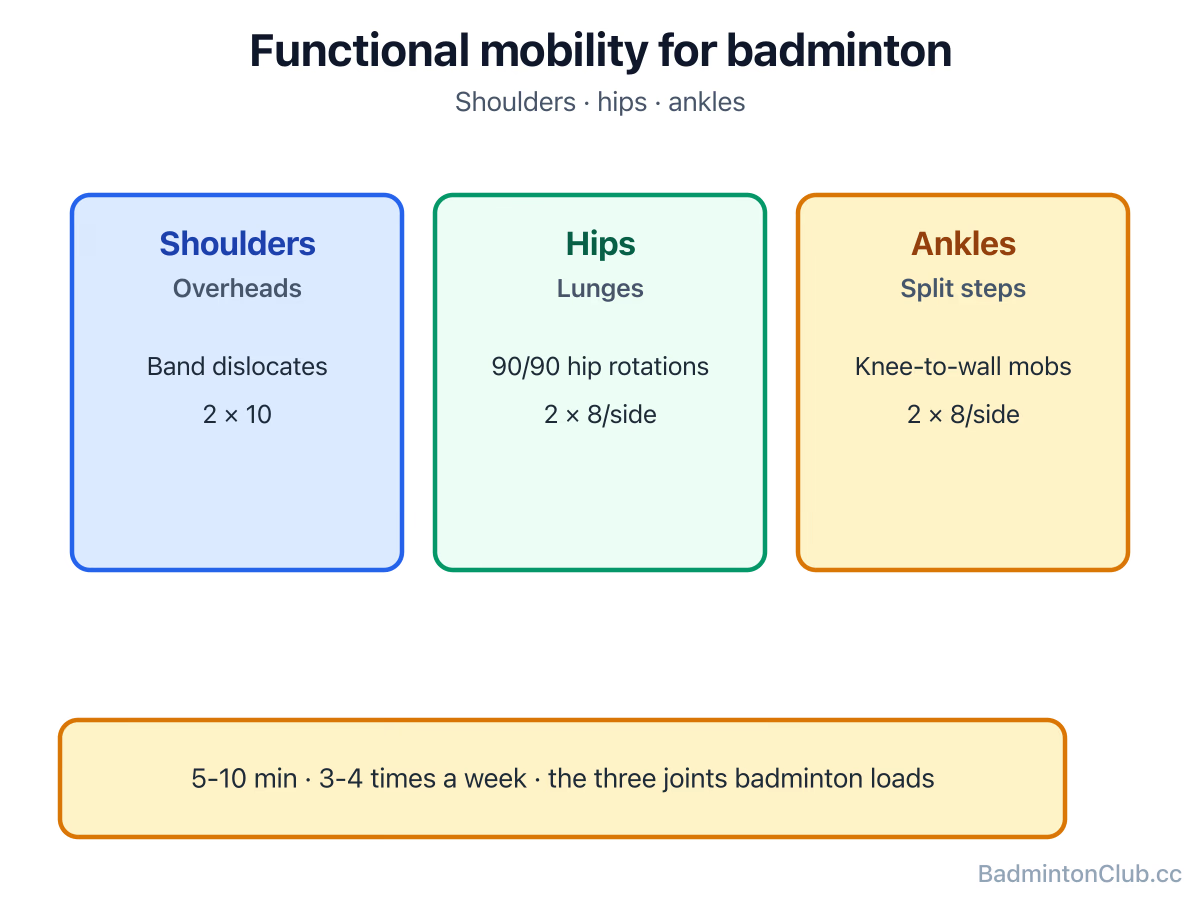
You don't need gymnast-level flexibility for badminton; you need functional range at the shoulders (overheads), hips (lunges) and ankles (lunges and split steps). 5–10 minutes of mobility work 3–4 times a week, focused on those areas, is more useful than long passive yoga sessions for most players:
- Shoulder dislocates with a band or stick: 2 × 10.
- 90/90 hip rotations: 2 × 8/side.
- Ankle wall mobilisation (knee-to-wall): 2 × 8/side.
- Thoracic openers (cat-cow, world's greatest stretch).
What this looks like on a club night
You can spot the players who don't warm up — they're stiff in their first game, lose it badly, and then complain about "starting slow". Worse, they're the ones who roll ankles on lunge two. A blunt truth: a 10-minute warm-up isn't optional after 35, and frankly it isn't optional before that either. The whole routine fits in the time most people spend chatting at the side of the court. Do it once, feel the difference in game one, and you'll never skip it again. The trick that keeps it on the rails for a busy club: set the warm-up as a 10-minute "pre-arrival" reminder on the session you've booked through BadmintonClub.cc so the prompt arrives before you've sat down on the bench.
FAQ
- Q: What's the best 10-minute warm-up before a badminton match? Two minutes pulse-raiser, two minutes joint mobility, three minutes dynamic stretches, then three minutes of ramped-up shadow footwork and a light knock-up.
- Q: Should I stretch before badminton? Yes — but dynamic stretches (controlled movement) only. Save static holds for after; static stretching before hard play slightly reduces power and increases injury risk.
- Q: What dynamic stretches are best for badminton? Leg swings, walking lunge with rotation, lateral lunge, world's-greatest-stretch, inchworms — 8–10 reps each.
- Q: What's the best cool-down after badminton? A few minutes of easy walking or slow shadow footwork to drop the heart rate, then 4–5 minutes of gentle static stretching on calves, hamstrings, hips, chest and shoulders.
- Q: How can I improve flexibility for badminton? Focus on shoulders (overheads), hips (lunges) and ankles (split steps) — 5–10 minutes of targeted mobility 3–4 times a week, not long passive yoga.
- Q: Do I need to warm up before a club session? Yes — skipping warm-up is the single most common cause of preventable badminton injuries, especially for players over 30.
The 10-minute badminton warm-up routine: pulse-raiser, joint mobility, dynamic stretches, then ramped-up shadow footwork to game intensity. Plus what a proper cool-down looks like, why static holds belong after play (not before), and a short functional-mobility block targeting the three joints badminton actually loads — shoulders for overheads, hips for lunges, ankles for split steps. Ten minutes that prevent more injuries than any single drill.