How Often Should I Play Badminton? Frequency for Fitness, Weight Loss and Improving Fast
8 June 2026 · Badminton Fans
If you're trying to figure out how many times a week you should play, the answer depends on your goal — but the honest limiter for almost everyone isn't motivation, it's recovery. Two to three sessions per week is the sweet spot for general fitness and steady improvement. Three to four helps if weight loss is your aim. Serious competitive players train more, but only because they've built their bodies up to handle the load over years. Here's the catch that catches most beginners out: more sessions help you right up until they don't. The line between "productive frequency" and "overuse injury" is thinner than people think, and crossing it just means time on the sidelines.
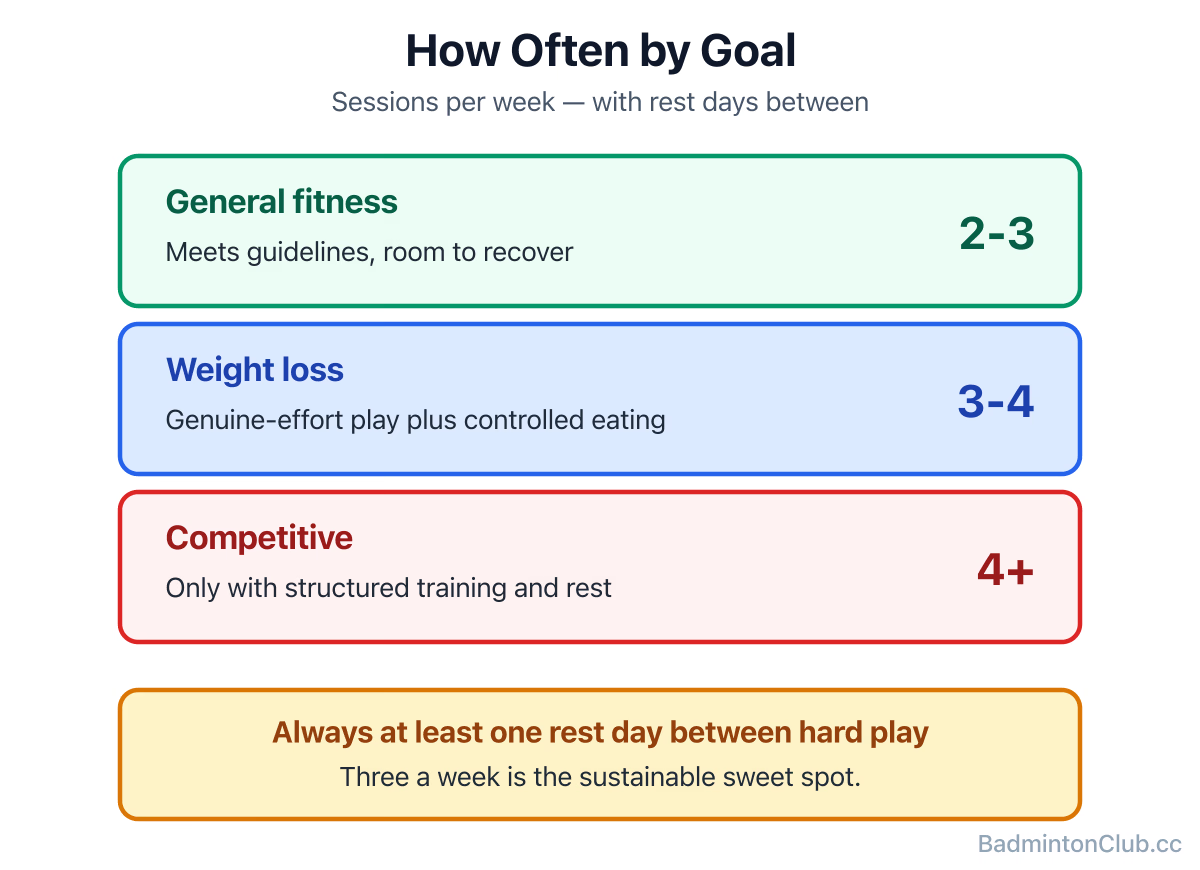
Frequency by goal
- General health and fun: 2–3 sessions a week comfortably meets activity guidelines and keeps you improving, with enough rest to recover. This is the right target for most adults.
- Weight loss: 3–4 sessions a week of genuine-effort play, alongside controlled eating. Frequency and intensity matter here — see the weight-loss guide.
- Improving your game fast: 3 sessions beats 2, if one of them includes some focused practice rather than only games. Quality of practice outweighs raw hours.
- Competitive/serious players: 4–6 sessions, but with structured training, planned rest, and conditioning to support the load. Don't copy this if you're not also doing the recovery work they do.
Why rest days matter as much as court time
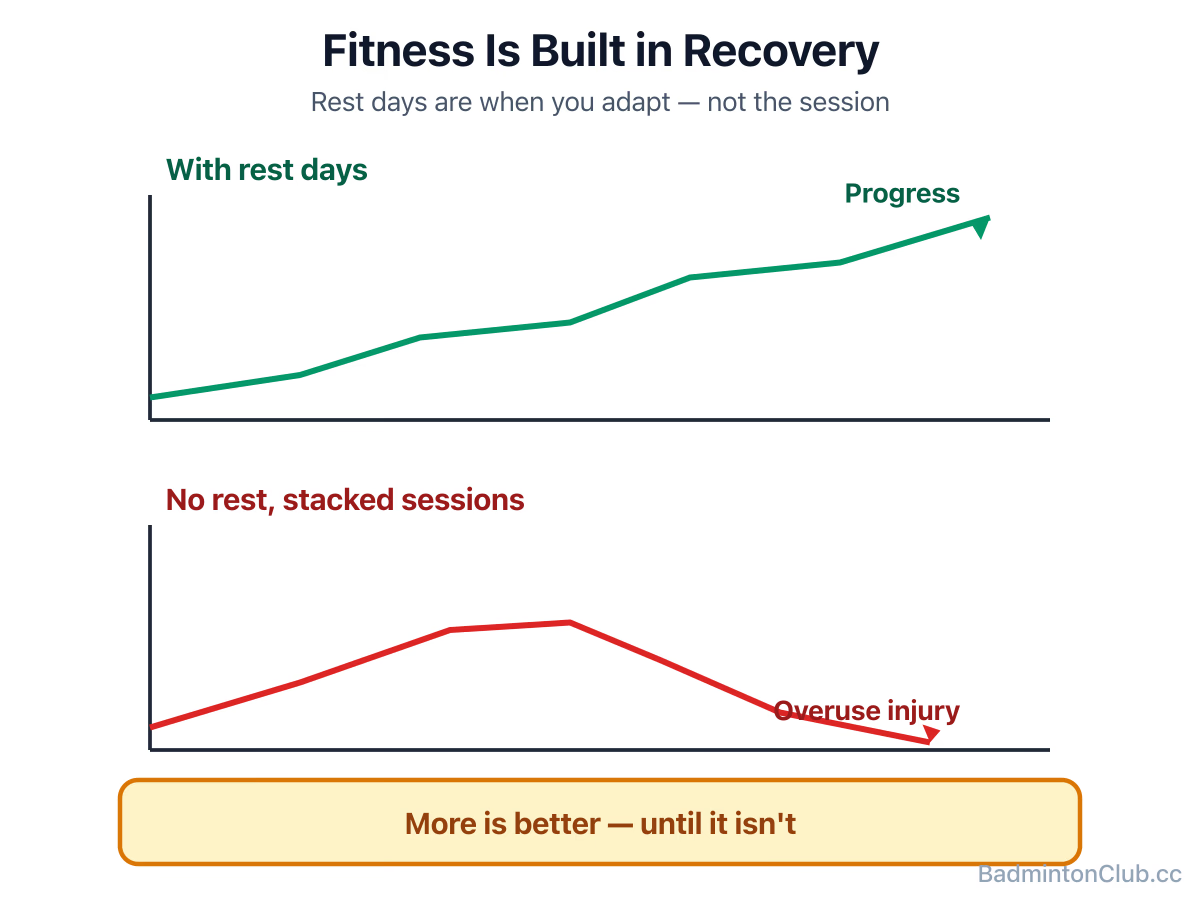
This is the bit beginners ignore and then regret. Your body adapts and gets fitter during recovery, not during the session. Badminton's explosive lunging and overhead loading hammer specific tissues — Achilles, calves, knees, shoulder, elbow — and those need time to repair. Play hard every single day with no rest and you don't get fitter faster; you get overuse injuries faster. Tennis elbow, jumper's knee and Achilles trouble are nearly all the product of too much load with too little recovery. At least one full rest day between hard sessions is the baseline for most people, more if you're older or new to it.
How beginners should ramp up
The classic beginner mistake is going from zero to four sessions a week in a burst of January enthusiasm, then breaking down by February. Start with one or two sessions a week for the first month. Let your tendons and unfamiliar muscles adapt — they catch up slower than your cardio does. Add a third session only once you're recovering comfortably from two. The fitness will come; rushing it just buys you an injury that sets you back further than patience would have. Your heart adapts in weeks, but tendons and joints take months — respect the slower clock.
The signs you're playing too much
Worth knowing the warning lights, because pushing through them is how good players end up injured. Persistent niggles that don't settle between sessions (a grumbling elbow, a tight Achilles), sleep or mood dipping, performance going backwards despite playing more, a resting heart rate that's crept up, or just dreading a session you normally love — these are your body asking for rest, not more practice. The counterintuitive fix when you've plateaued or you're carrying niggles is almost always to play less for a week or two, not more. I've watched far more players ruin a season by overtraining than by under-training.
A sensible default
If you want one answer to take away: three sessions a week, with rest days between them, one of which includes a bit of deliberate practice. That hits the activity guidelines, drives steady improvement, leaves room to recover, and is sustainable for years. Scale up only if your body's clearly handling it, and scale down the moment niggles appear. Sustainability beats intensity every time — the player who does three sessions a week for a decade is far fitter than the one who does six for two months and quits injured.
FAQ
- Q: How often should I play badminton? Two to three sessions a week suits general fitness and improvement, three to four helps weight loss, and competitive players do more with proper recovery. For most people, three sessions with rest days between is the sustainable sweet spot.
- Q: Is it OK to play badminton every day? For most people, no — daily hard play with no rest leads to overuse injuries (elbow, knee, Achilles) rather than faster fitness. If you do play daily, alternate hard and very light sessions and listen closely to niggles.
- Q: How many times a week should a beginner play badminton? Start with one or two sessions a week for the first month, then add a third once you're recovering comfortably. Tendons and unfamiliar muscles adapt slower than your cardio, so ramp up gradually to avoid injury.
- Q: How often should I play to lose weight? Three to four genuine-effort sessions a week, combined with sensible eating. Frequency and intensity drive the calorie burn, but diet does most of the weight-loss work.
- Q: How many sessions a week to improve quickly? Around three, with at least one including focused practice or drills rather than only games. Deliberate, quality practice improves you faster than simply playing more games.
- Q: How do I know if I'm playing too much? Watch for niggles that don't settle, dipping sleep or mood, performance going backwards, a raised resting heart rate, or dreading sessions. Those are signs to rest — the fix for a plateau or niggle is usually less play, not more.
How often you should play badminton depends on your goal: two to three sessions a week suits general fitness and improvement, three to four helps weight loss, and serious players train more — but recovery is the limit nobody respects. This guide gives clear weekly targets by goal, explains why rest days matter as much as court time, how to tell if you're overdoing it, and how beginners should ramp up without burning out or picking up an overuse injury.