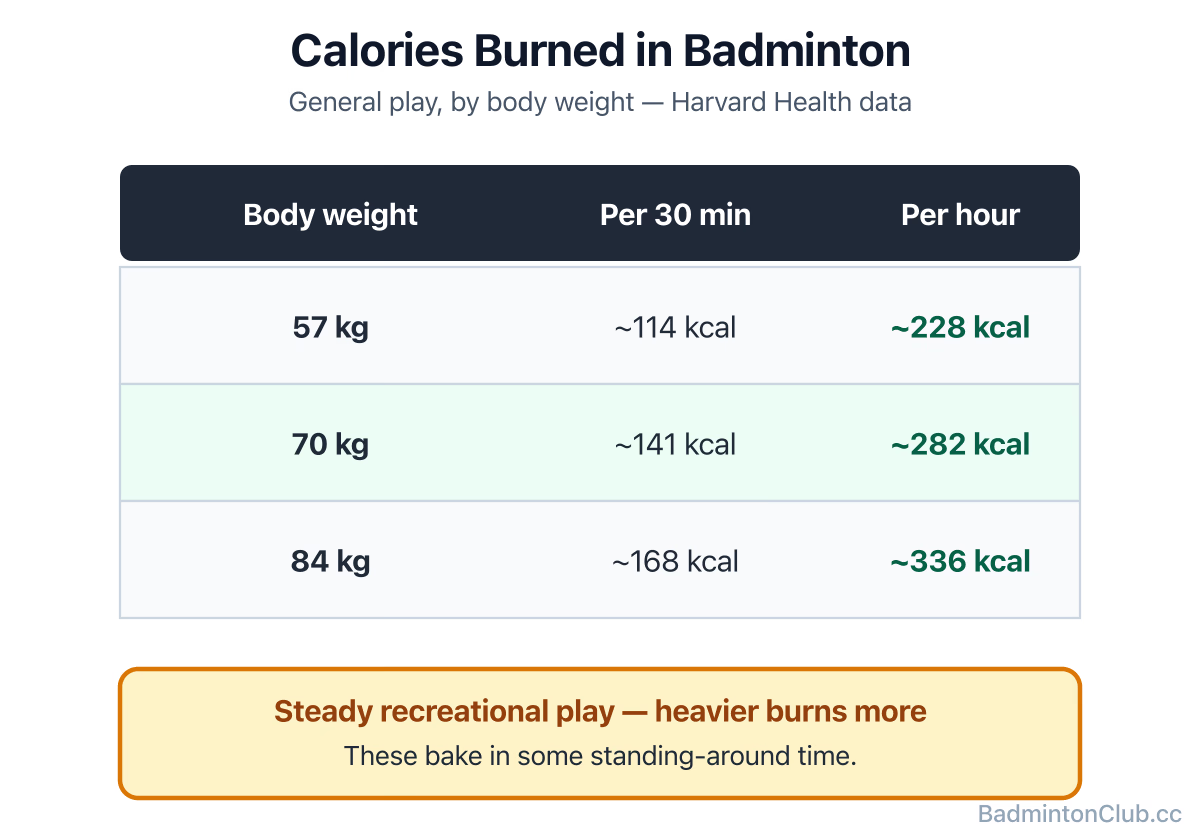
How many calories does badminton burn? Roughly 280 calories an hour for a 70 kg player in social doubles, rising past 450 an hour in competitive singles — and it scales with your body weight. This guide gives the real Harvard Health and MET-based numbers for light, casual and competitive play across body weights, shows the simple formula so you can work out your own burn, and explains why the calorie counter on your watch is probably lying to you.
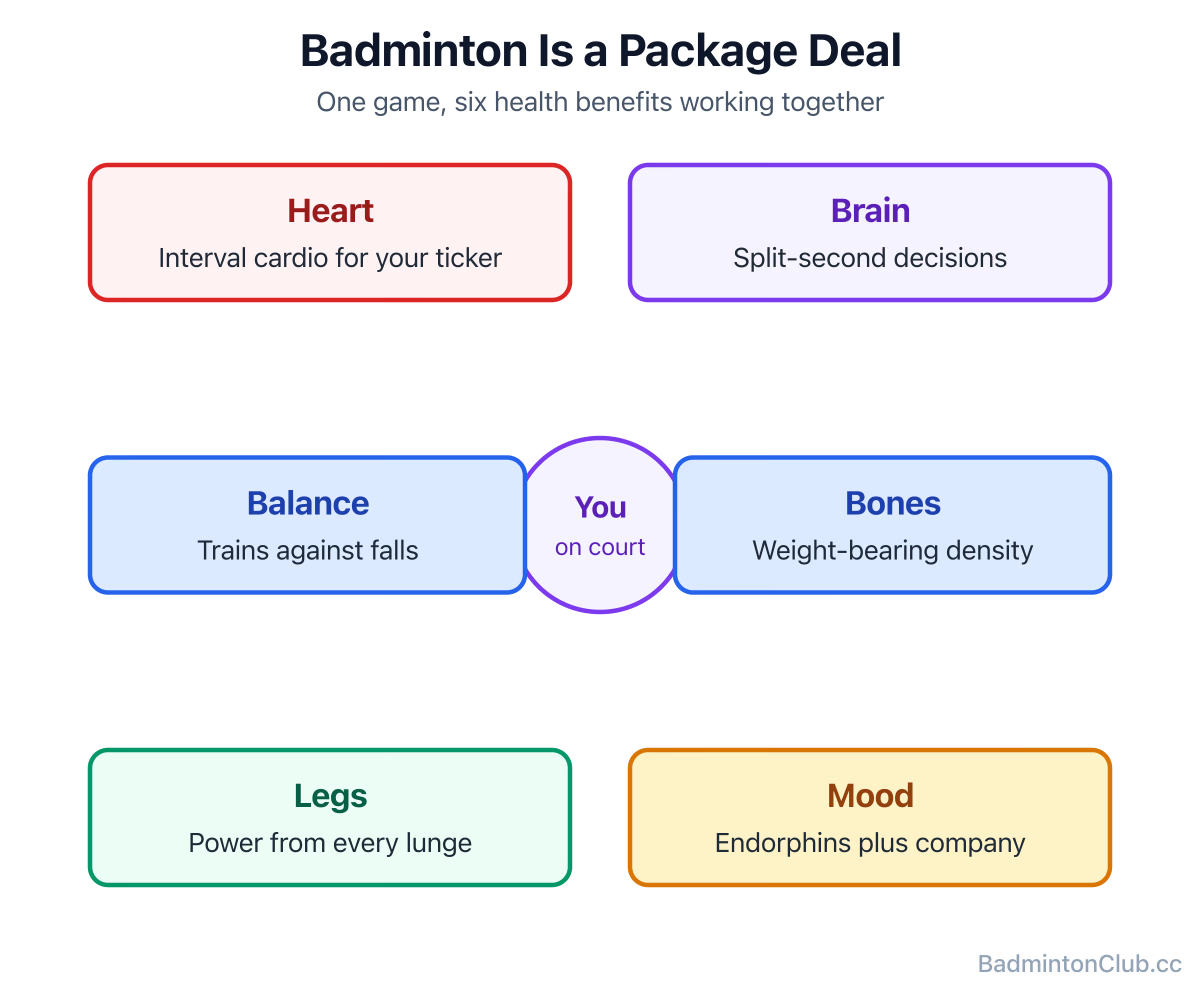
Badminton's health benefits go well beyond burning calories: it strengthens your heart, sharpens reflexes and balance, builds bone and leg strength, lifts mood, and — through its social, game-based nature — keeps people exercising for decades. This guide gathers the evidence-backed benefits, including the study linking racquet sports to a 47% lower risk of early death and the Copenhagen data tying badminton to longer life expectancy, with the honest caveats on what's proven versus promising.
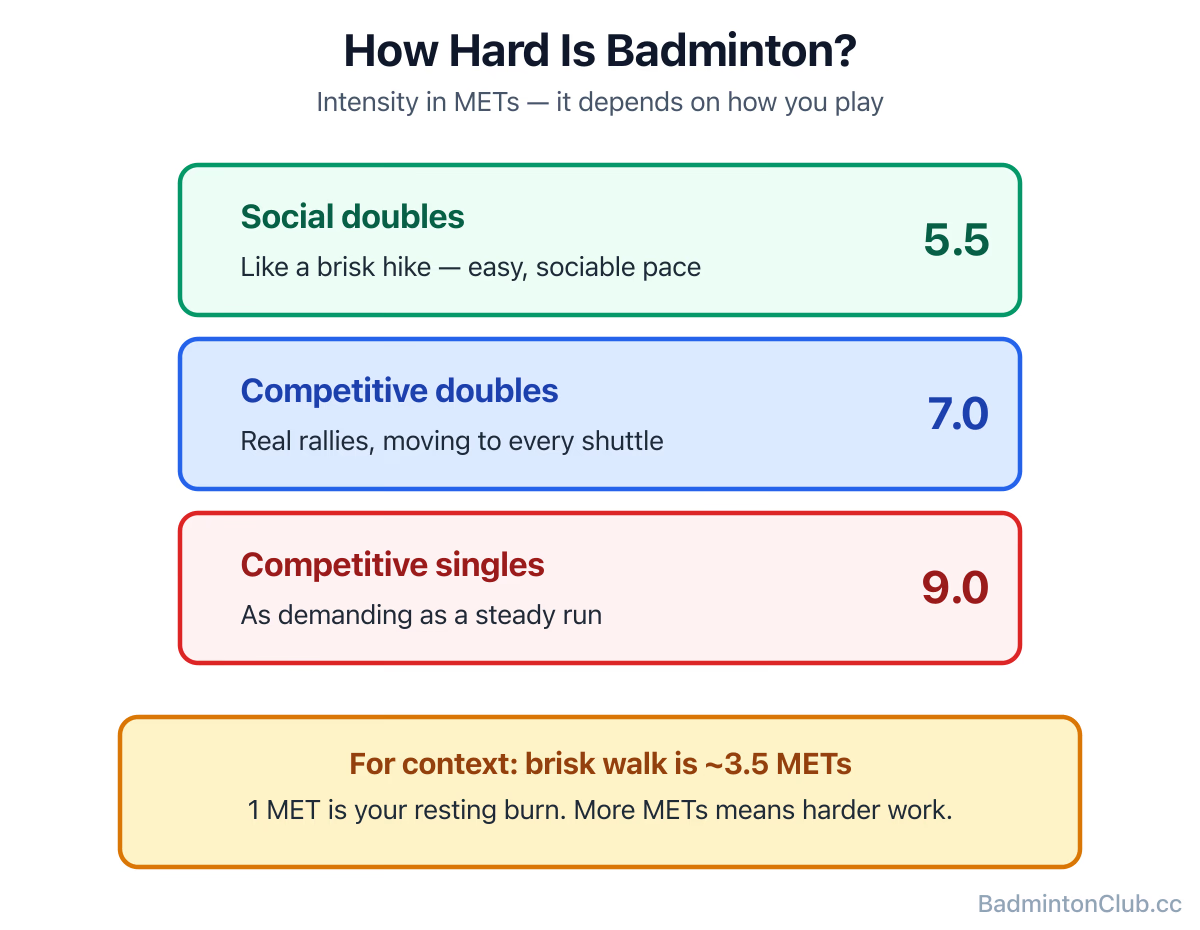
Yes — badminton is genuinely good exercise: a moderate-to-vigorous interval workout that trains your heart, legs and reflexes while barely feeling like a workout. This guide puts real numbers on it (MET values, heart-rate zones, how a doubles night compares to a gym session), separates social knockabouts from competitive singles, and explains why one big study linked racquet sports to a 47% lower risk of dying early — so you know exactly what you're getting from a game.
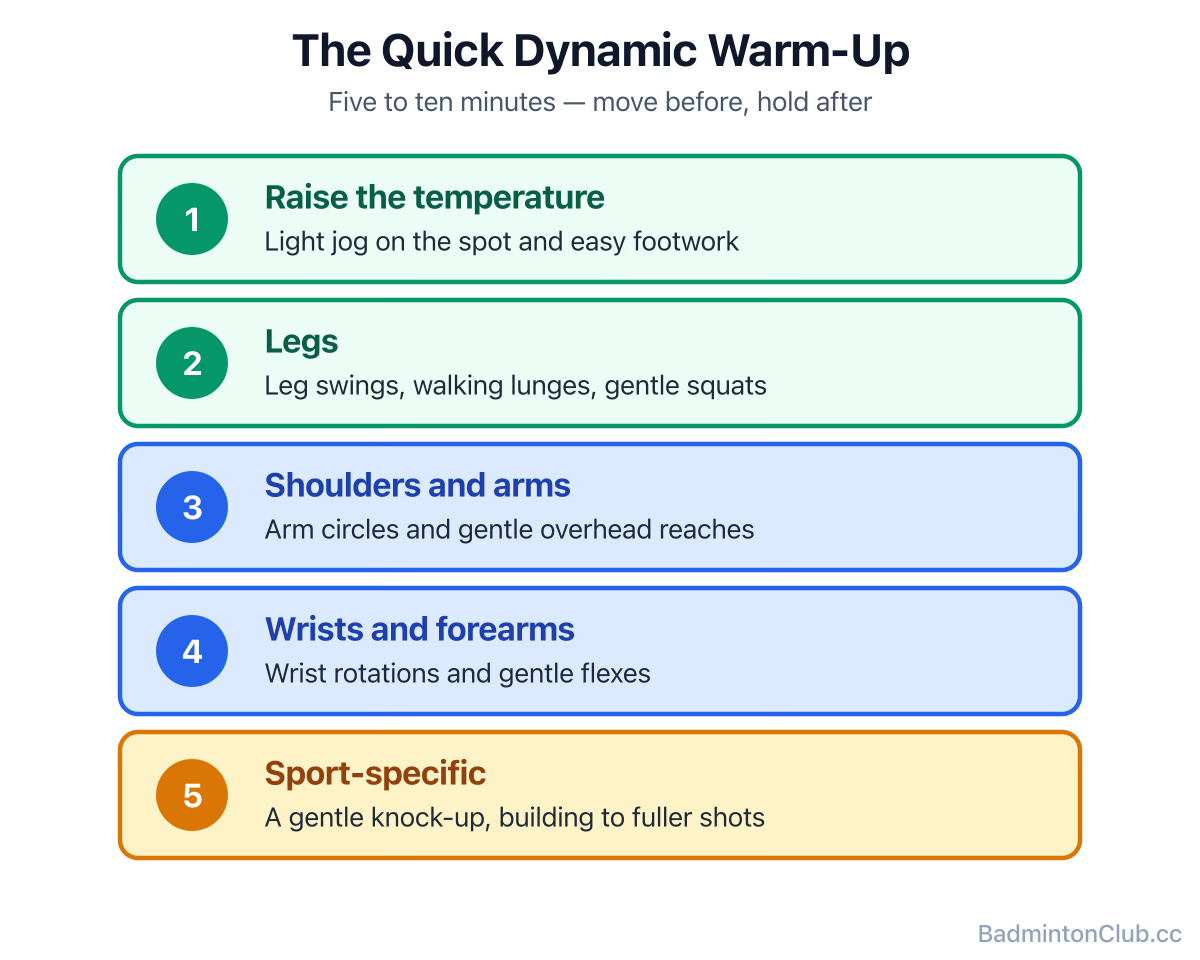
The right stretches before badminton are dynamic, not static: leg swings, lunges, arm circles and gentle shuttle rallies that warm the muscles you're about to load, rather than holding long stretches that can leave you flat. This guide gives a quick pre-game routine targeting the calves, hamstrings, hips, shoulders and forearms that badminton hammers, explains why static stretching belongs after you play, and helps you skip the strains that sideline players.
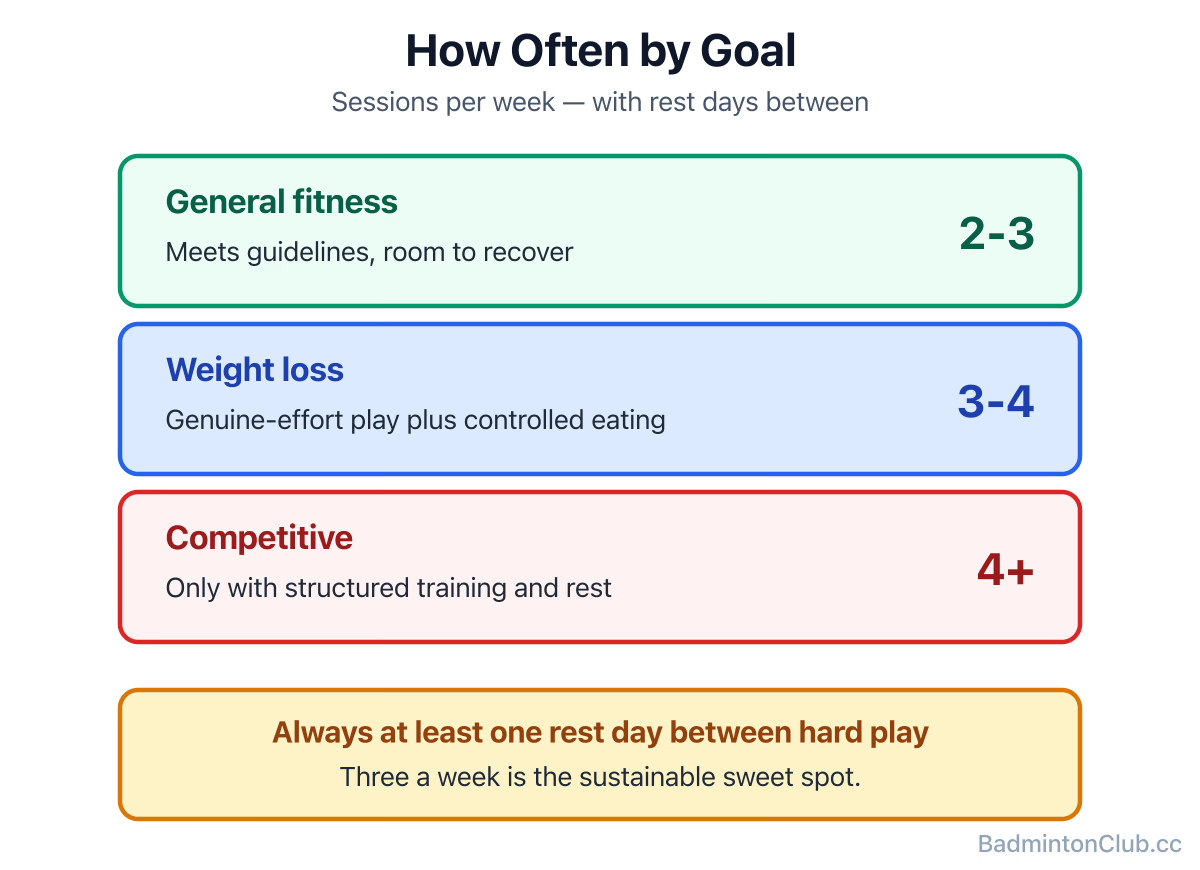
How often you should play badminton depends on your goal: two to three sessions a week suits general fitness and improvement, three to four helps weight loss, and serious players train more — but recovery is the limit nobody respects. This guide gives clear weekly targets by goal, explains why rest days matter as much as court time, how to tell if you're overdoing it, and how beginners should ramp up without burning out or picking up an overuse injury.
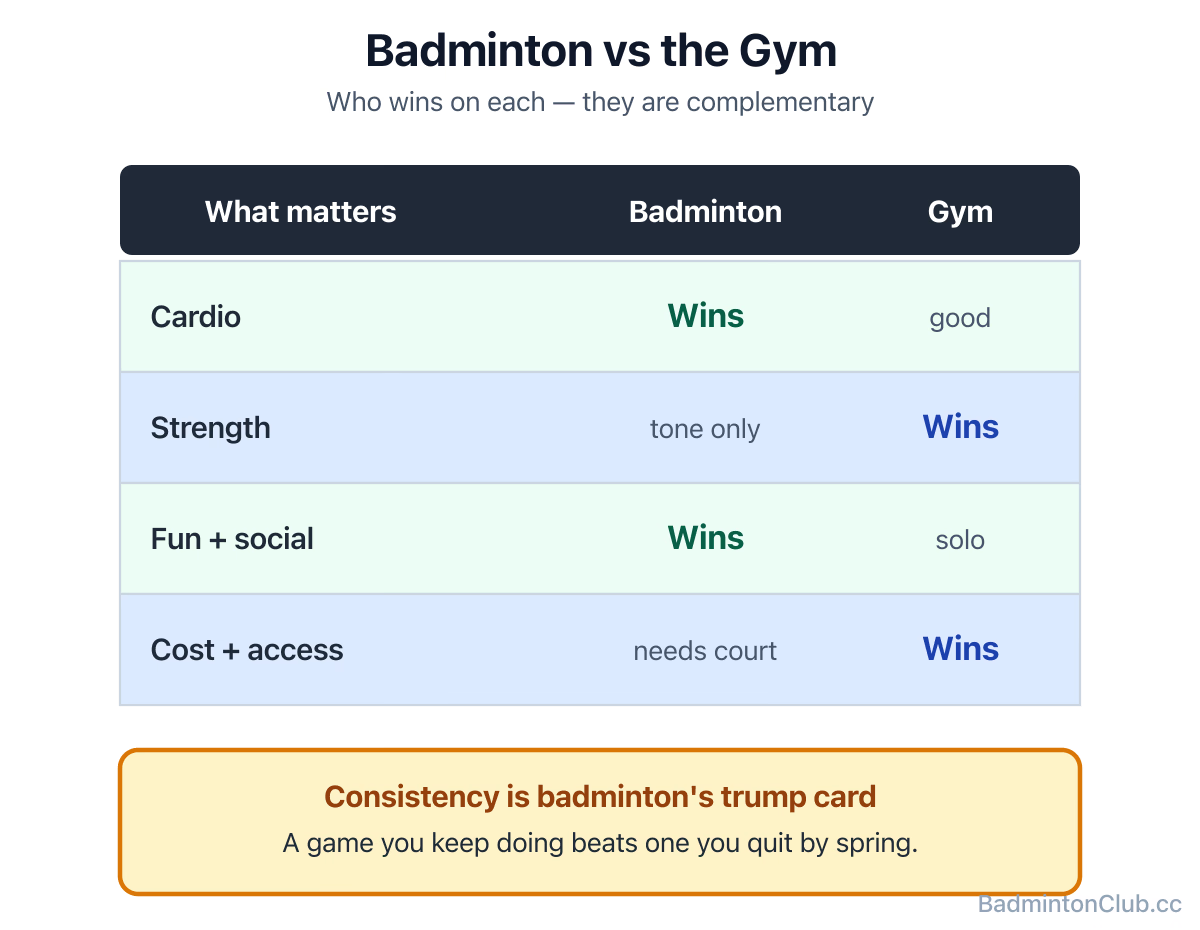
Badminton vs the gym isn't really a fair fight — they're good at different things. Badminton wins on cardio, agility, fun and the social glue that keeps you exercising for years; the gym wins on building raw strength, muscle size and targeted training you fully control. This guide compares them honestly on calorie burn, fitness type, injury risk, cost and — the one that decides everything — which you'll actually keep doing, then explains why the smart answer is usually both.
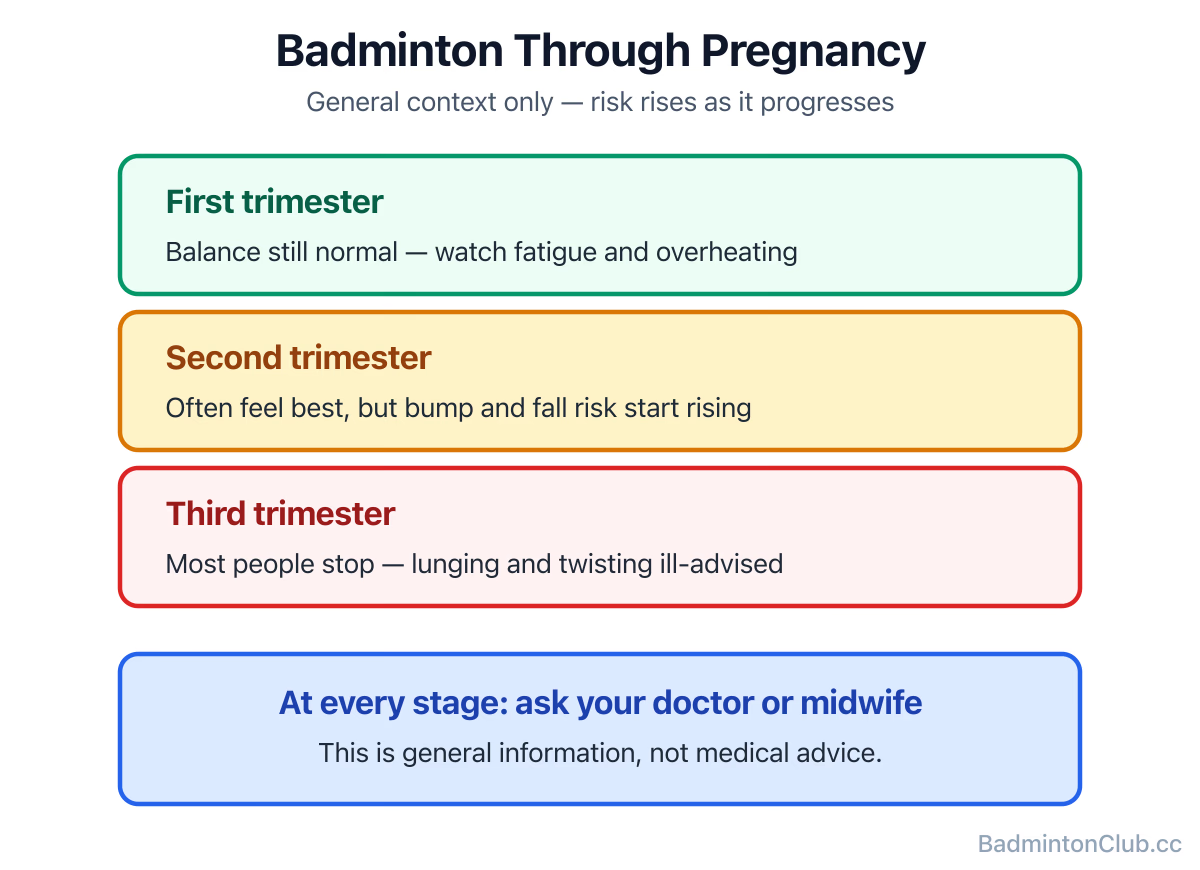
Can you play badminton while pregnant? This is general information, not medical advice — always ask your doctor or midwife — but health guidance (ACOG, NHS) recommends staying active in healthy pregnancy while avoiding sports with fall, balance or abdominal-impact risk. Badminton's lunging, twisting, overhead reaching and overheating raise specific concerns, especially as your bump grows and your balance shifts. Here's an evidence-based look at the risks, what changes trimester by trimester, and the safer alternatives.
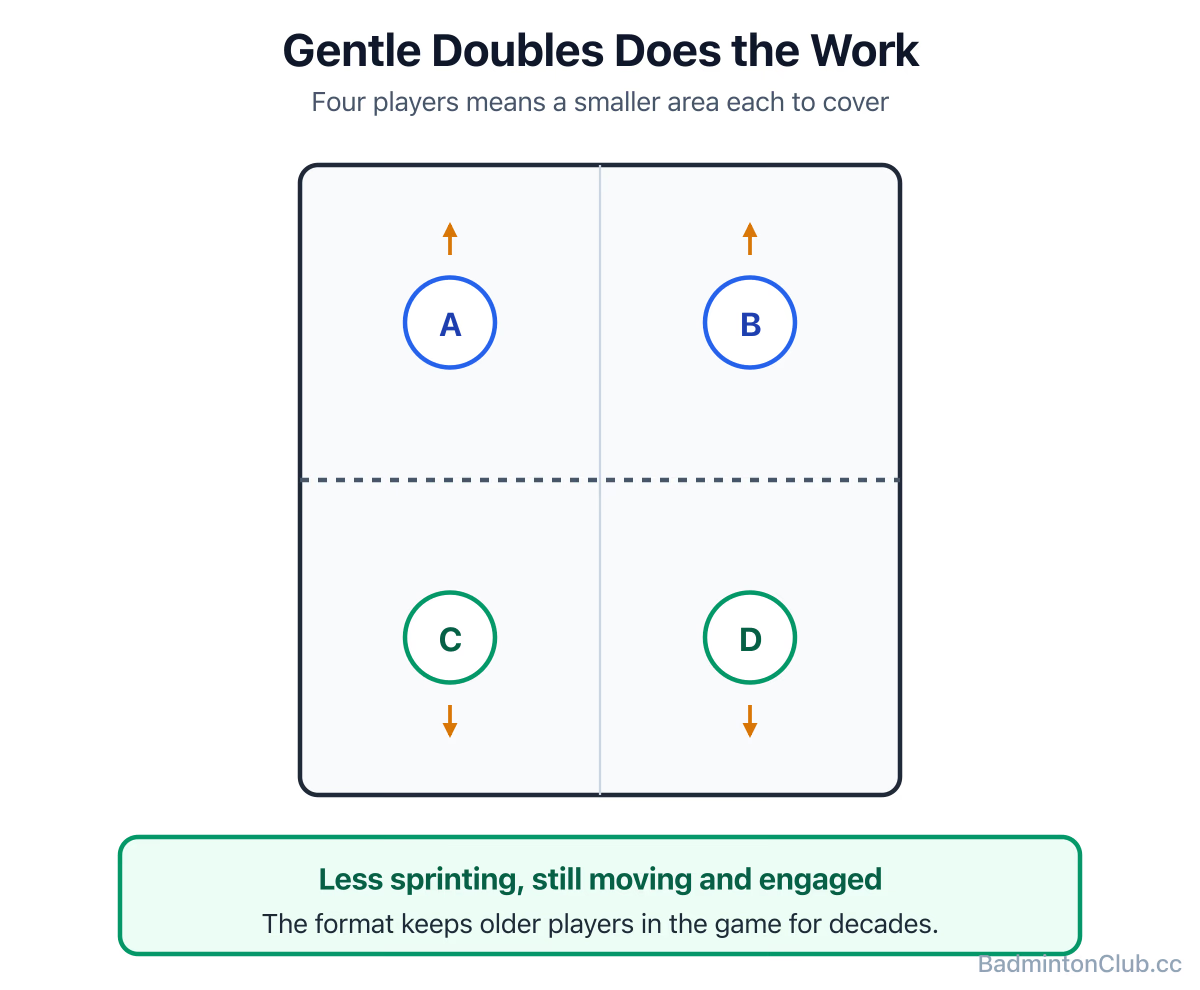
Badminton is one of the best sports for older adults: it protects the heart, sharpens balance to prevent falls, keeps the mind quick, and is intensely social — and it can be scaled to almost any fitness level. This guide covers the real benefits for seniors, the genuine risks to manage (joints, falls, sudden sprints), how to start or return safely later in life, and why gentle doubles is the format that keeps people playing well into their seventies and beyond.
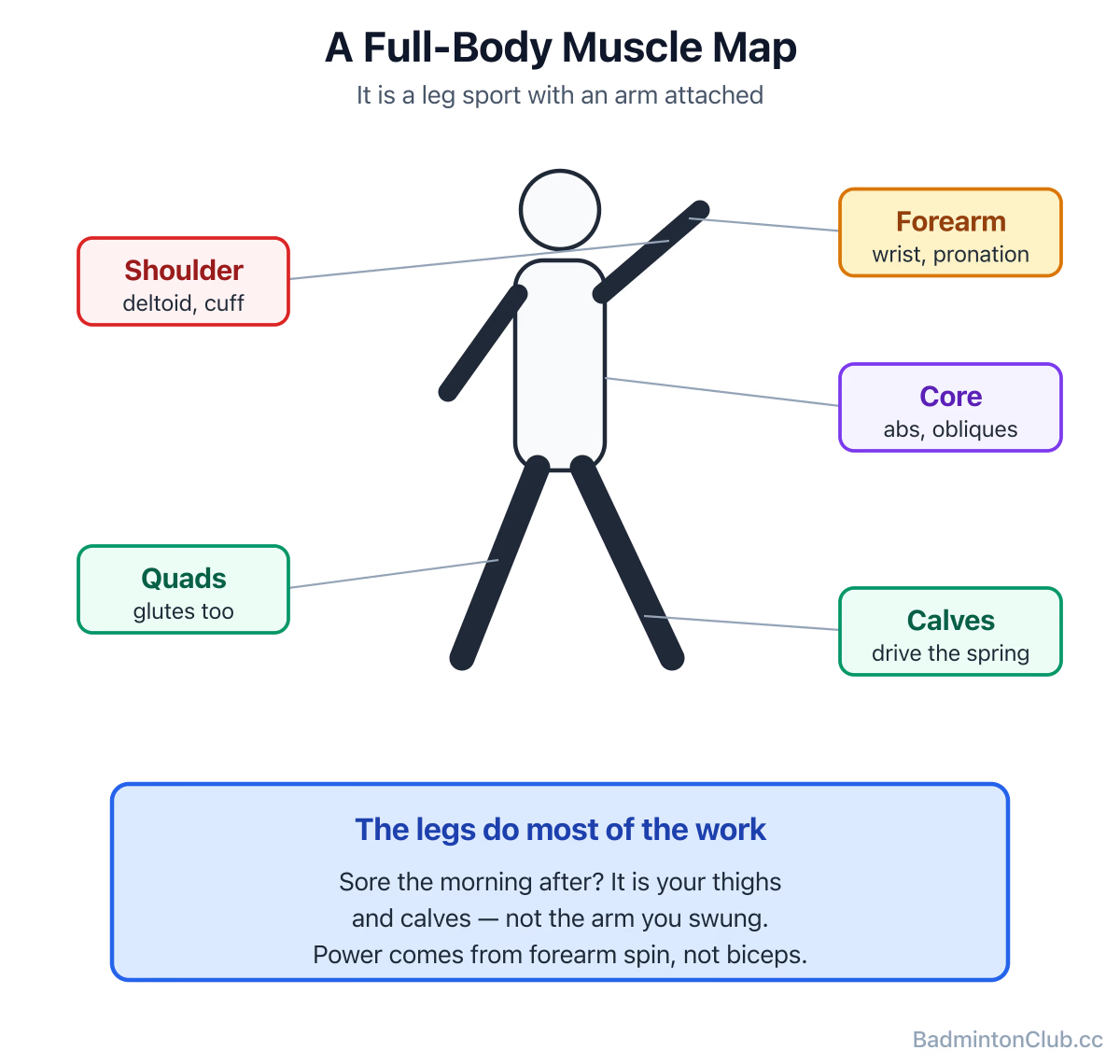
Badminton is a full-body sport, and this maps exactly which muscles do the work: the quads, glutes and calves that power your lunges and jumps, the core that drives every rotation, and the shoulder and forearm muscles behind the smash. You'll learn which muscle group does what on court, why the forearm matters more than the biceps for power, and which muscles to strengthen and stretch to hit harder and avoid the sport's classic injuries.
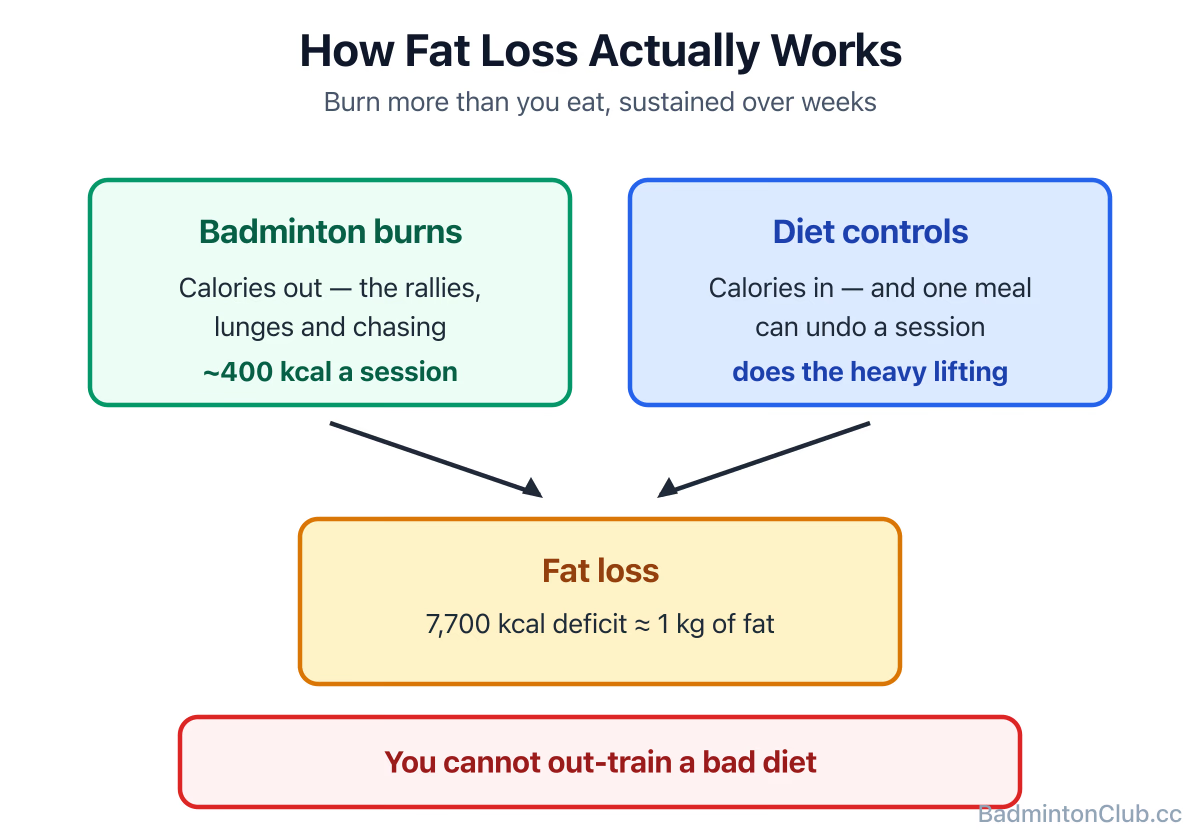
Badminton can absolutely help you lose weight — it burns 300–450+ calories an hour and is fun enough to keep doing — but the honest truth is that diet does the heavy lifting and you can't out-play a bad one. This guide explains how to use badminton for fat loss: how much to play, how to make sessions burn more, why intensity beats duration, and how to combine it with eating habits so the scale actually moves and stays moved.