Badminton Stretches Before Playing: The Quick Dynamic Warm-Up That Prevents Injury
8 June 2026 · Badminton Fans
If you grew up playing school sports in the 2000s, you were probably told to touch your toes and hold it for thirty seconds before exercise. For badminton, that advice is backwards. The stretches you do before playing should be dynamic — moving stretches that raise your muscle temperature and take your joints through their range of motion. Leg swings, walking lunges, arm circles, gentle knock-up rallies. The long static stretches (holding a stretch for twenty-plus seconds) belong after you play, when your muscles are warm and pliable. Doing them cold before an explosive sport doesn't prevent injury and may actually reduce your power for the first few rallies. Move before, hold after — it's the simplest rule in this whole guide.
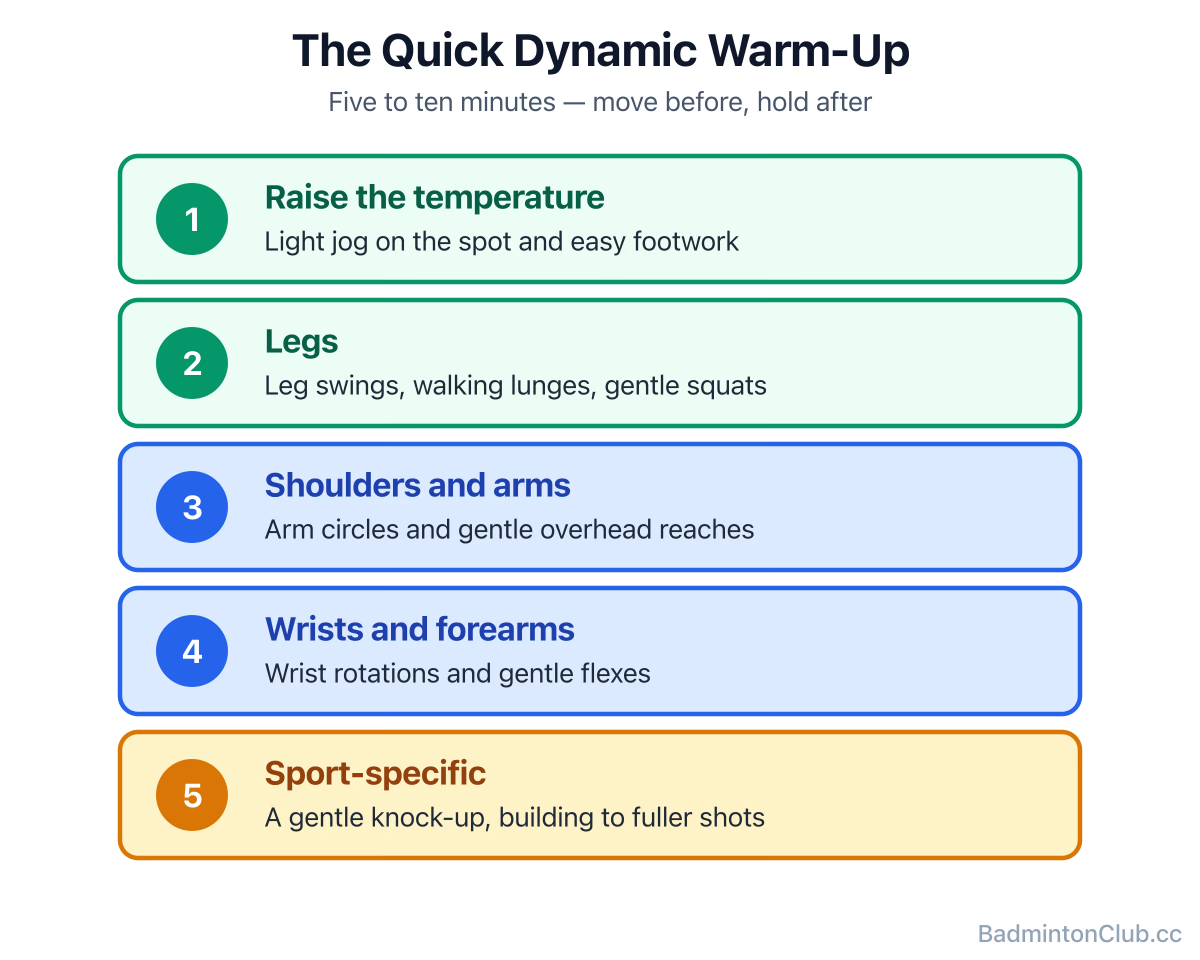
Dynamic warm-up vs static stretching (get this right)
The old advice — touch your toes and hold for thirty seconds before sport — is outdated for a fast game like badminton. Pre-game, you want a dynamic warm-up: controlled movements that take your joints through their range while raising your heart rate and muscle temperature. Long static holds are best after play, when they help with flexibility and cool-down. Cold static stretching before explosive sport does little to prevent injury and may briefly reduce your power. So: move before, hold after. (This is the quick pre-game version; the fuller warm-up, cool-down and flexibility programming lives in the dedicated fitness series.)
The quick pre-game routine
Five to ten minutes, in this order:
- Raise the temperature: 2–3 minutes of light jogging on the spot, side-steps and easy footwork. You want to feel slightly warm before you stretch anything.
- Legs (dynamic): leg swings front-to-back and side-to-side, walking lunges, gentle squats. These wake up the calves, hamstrings, hips and quads — the muscles that do most of badminton's work.
- Shoulders and arms: arm circles forwards and back, cross-body swings, gentle overhead reaches. Crucial before any overhead shots.
- Wrists and forearms: wrist rotations and gentle flexes. The forearm drives your power and is easy to strain cold.
- Sport-specific: a few minutes of gentle knock-up — easy rallies, building from soft pushes to fuller shots. This is the best warm-up of all because it primes the exact movements you're about to do.
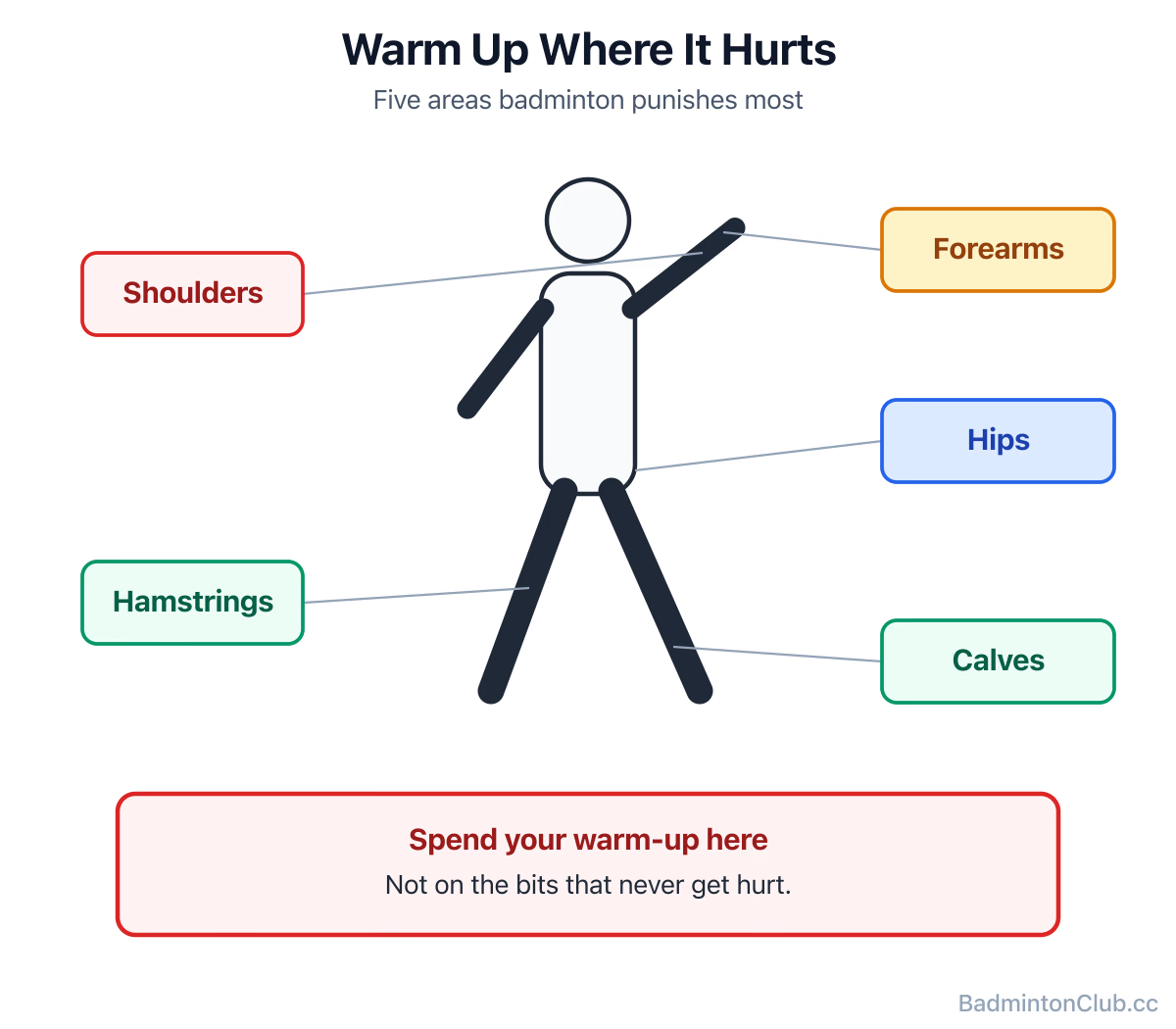
The areas badminton punishes most
Target your warm-up where the injuries happen. Calves and Achilles — the lunging and jumping load these brutally, and a cold calf tear is a classic badminton injury. Shoulder — overhead shots load the rotator cuff hard. Forearm and elbow — the wrist snap and grip stress these (tennis/golfer's elbow). Hamstrings and hips — sudden direction changes and deep lunges. Spend most of your warm-up here, not on the bits that never get hurt.
The mistake almost everyone makes
Here's the honest truth from watching club nights for years: most players warm up by walking onto the court and immediately playing a hard game. They skip the warm-up entirely, treat the first game as their warm-up, and that first game is exactly when the calf goes or the shoulder tweaks. Cold muscles plus an all-out lunge for a wide shuttle in the opening rally is the single most common way players get injured. If you take one thing from this article: never make your first explosive movement of the night a competitive one. Do the boring five minutes. The players who never seem to get injured aren't lucky or younger — they're the ones quietly doing leg swings in the corner while everyone else rushes onto court. Be that person; you'll still be playing when the others are nursing strains.
A note on cooling down
Bookend it. After you play, that's when static stretching earns its place — gentle holds on your calves, hamstrings, hips, shoulders and forearms while they're warm help maintain flexibility and ease next-day stiffness. Two minutes of cool-down stretching saves you a lot of grumbling the morning after a hard night.
FAQ
- Q: What stretches should I do before playing badminton? Dynamic ones: leg swings, walking lunges, arm circles, cross-body swings, wrist rotations, and a gentle knock-up. These warm and mobilise the calves, hamstrings, hips, shoulders and forearms badminton loads most — far better pre-game than long static holds.
- Q: Should I do static stretching before badminton? No — save long static holds for after you play. Cold static stretching before explosive sport doesn't prevent injury and can briefly reduce your power. Warm up with movement before; stretch statically to cool down after.
- Q: How long should I warm up before badminton? Five to ten minutes: a couple of minutes raising your temperature, then dynamic leg, shoulder and wrist movements, finishing with a gentle knock-up. Older players or cold halls warrant a little longer.
- Q: What's the most important area to warm up for badminton? The calves and Achilles, then the shoulder and forearm — these take the heaviest load from lunging, jumping, overhead shots and the wrist snap, and they're where the classic badminton strains happen.
- Q: Why do I keep pulling muscles playing badminton? Most often because you start playing hard while still cold — making your first explosive lunge in the opening rally. A proper five-minute dynamic warm-up before your first competitive point prevents the large majority of these strains.
- Q: Do I need to cool down after badminton? It helps. Gentle static stretches on your calves, hamstrings, hips, shoulders and forearms while warm maintain flexibility and reduce next-day stiffness. A couple of minutes is enough to feel the difference the morning after.
The right stretches before badminton are dynamic, not static: leg swings, lunges, arm circles and gentle shuttle rallies that warm the muscles you're about to load, rather than holding long stretches that can leave you flat. This guide gives a quick pre-game routine targeting the calves, hamstrings, hips, shoulders and forearms that badminton hammers, explains why static stretching belongs after you play, and helps you skip the strains that sideline players.