Badminton During Pregnancy: What the Guidance Says About Safety, Risks and When to Stop
8 June 2026 · Badminton Fans
Let me be clear right at the top: I'm not a doctor, every pregnancy is different, and you should talk to your own midwife or GP before playing badminton while pregnant. Nothing on this page overrides that conversation. With that said, the official guidance from health bodies like ACOG and the NHS is clear: staying active during a healthy pregnancy is beneficial, and around 150 minutes of moderate activity per week is recommended. But they also specifically advise against sports with a risk of falling, losing balance, or impact to the abdomen. Badminton sits in a genuinely grey area here. It's not a collision sport, but the lunging, twisting and fast direction changes raise specific concerns. The honest answer is not a flat yes or no — it depends on your stage of pregnancy, your fitness, your medical history, and the advice of your healthcare team.
What the official guidance actually says
Health bodies are clear that exercise in a healthy, uncomplicated pregnancy is beneficial, not harmful — ACOG and the NHS both recommend around 150 minutes of moderate activity a week. But they're equally clear about what to avoid: contact sports, anything with a meaningful risk of falling or losing balance, activities that could cause an impact to the abdomen, lying flat on your back (the supine position) after the first trimester, and getting overheated.
Here's the line that settles a lot of the debate: ACOG's own guidance specifically lists "vigorous racquet sports" among the activities to avoid in pregnancy — grouped with gymnastics, horseback riding and downhill skiing — precisely because of the increased risk of falling. The NHS, for its part, names squash (badminton's close cousin) as a contact-style racquet sport that isn't suitable. Badminton isn't a contact sport, but read those two together and the message is plain: it's the vigorous, full-court, fall-prone version of badminton the guidance is wary of, far more than a gentle social knock-up — which is why the sport is treated more cautiously than, say, swimming or stationary cycling, and why intensity is the variable that matters most.
The specific risks in badminton
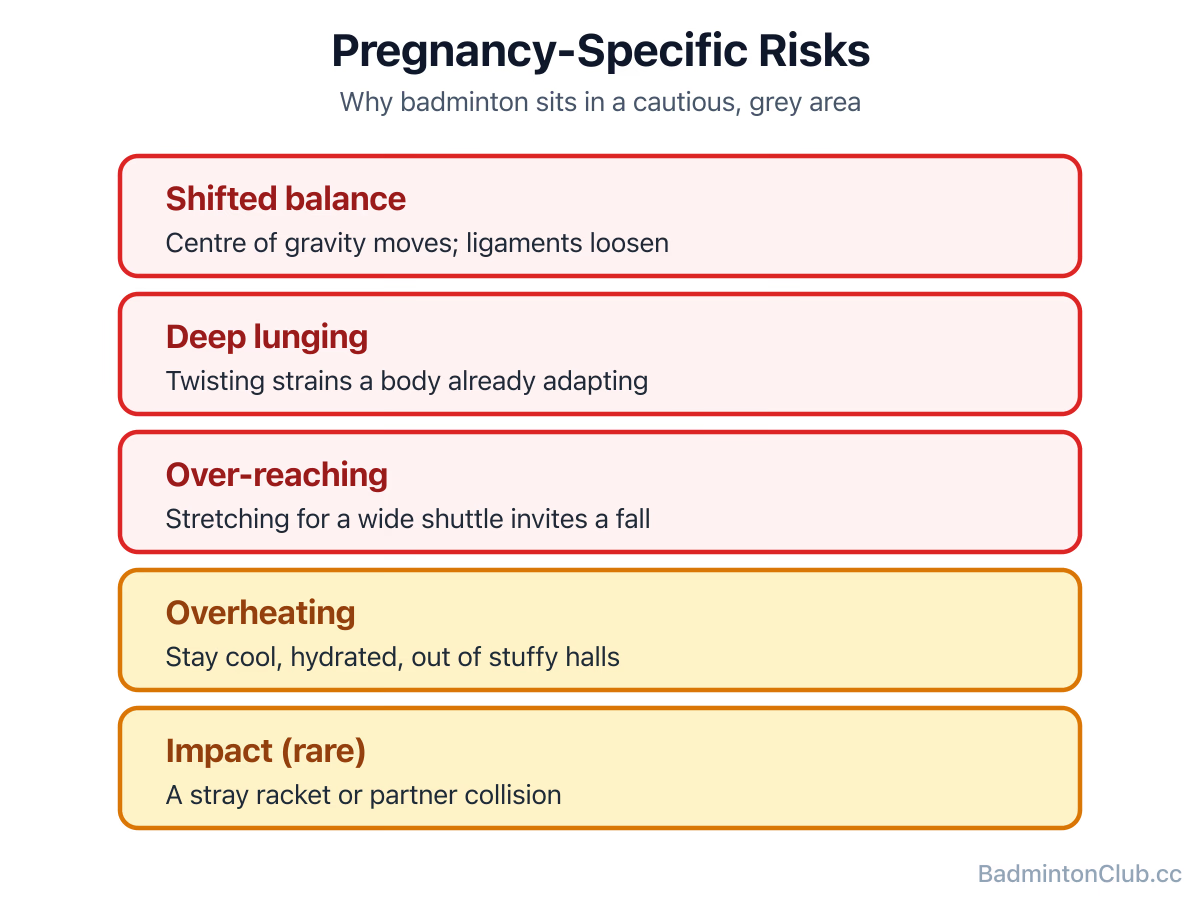
Badminton has a particular cluster of concerns worth naming plainly:
- Falls and loss of balance. Your centre of gravity shifts as your bump grows, and pregnancy hormones (relaxin) loosen ligaments, both of which reduce stability — exactly when the sport asks you to lunge, twist and change direction fast.
- Deep lunging and twisting. These load a body that's already adapting, and the sudden trunk rotation of an overhead shot is more strain than usual.
- Over-reaching for a wide shuttle. The instinct to stretch for a "gettable" shuttle is precisely the movement most likely to cause a fall or strain.
- Overheating. Vigorous exercise raises core temperature; guidance advises avoiding overheating, especially in the first trimester — stay cool, hydrated and out of stuffy halls.
- Abdominal impact. Rare in badminton, but a stray racket or a collision with a doubles partner is not impossible.
- Lying flat to stretch or rest. ACOG advises against the supine position (flat on your back) after the first trimester, so skip the lie-down floor stretches and rest sitting or on your side instead.
How it changes through pregnancy
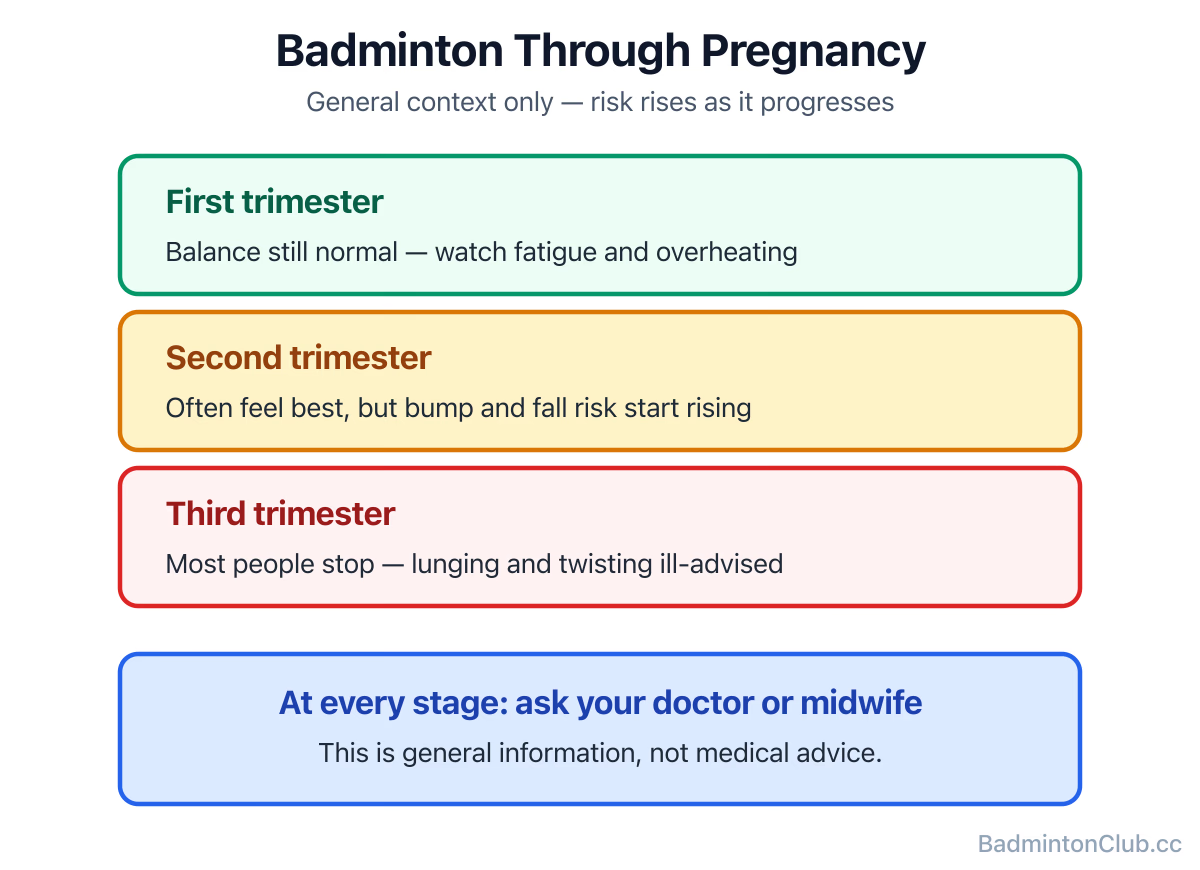
Broadly — and only as general context for the conversation with your midwife — the picture shifts:
- First trimester: balance is still normal, but fatigue and overheating are the watch-points, and this is when many people simply feel too unwell for vigorous sport.
- Second trimester: often when people feel best, but the bump and balance changes begin, and the fall risk starts climbing.
- Third trimester: balance, ligament laxity and bump size make the lunging, twisting game increasingly ill-advised for most people; this is typically when players stop.
There's no universal cut-off — it depends on your pregnancy, your fitness, your experience and, above all, your clinician's advice.
The honest take, and the safer alternatives
I'll be straightforward, because vague articles help nobody here. Plenty of experienced players do continue gentle, social doubles early in a healthy, low-risk pregnancy with their midwife's blessing — keeping it light, never sprinting or diving, letting wide shuttles go, staying cool and hydrated, and stopping the moment anything feels wrong. What almost everyone agrees you should not do is play competitive singles, dive, jump, or chase everything while pregnant. As pregnancy advances, most people switch to lower-risk activities — swimming, walking, stationary cycling, prenatal yoga or Pilates — which deliver the cardiovascular benefit without the fall risk. There's no medal for pushing it. The goal is to stay active safely, and badminton is only one way to do that.
Warning signs to stop immediately and seek advice: any bleeding, fluid leaking, dizziness, chest pain, painful contractions, severe shortness of breath, calf pain/swelling, or your waters breaking. These warrant stopping and contacting your doctor or midwife straight away — not finishing the game.
FAQ
- Q: Is it safe to play badminton during pregnancy? It depends entirely on your pregnancy and stage, so ask your doctor or midwife. Official guidance encourages staying active but warns against fall/balance and impact risks — and badminton's lunging and direction changes put it in that cautious category, more so as the bump grows.
- Q: Can I play badminton in the first trimester? Many people do play gentle, social badminton early in a healthy pregnancy with clinical approval, keeping it light and avoiding overheating. But fatigue, nausea and overheating are real first-trimester concerns — and you must clear it with your midwife first.
- Q: Why is badminton risky in later pregnancy? Your shifted centre of gravity and looser ligaments reduce balance and stability, while the game demands lunging, twisting and fast direction changes — a combination that raises the risk of falls and strains. Most people stop competitive play well before the third trimester.
- Q: What exercise is safer than badminton when pregnant? Swimming, walking, stationary cycling, and prenatal yoga or Pilates deliver cardiovascular and strength benefits with far lower fall and impact risk. These are commonly recommended ways to hit the ~150 minutes of weekly activity safely.
- Q: When should I stop playing badminton in pregnancy? There's no fixed week — it depends on your pregnancy, fitness and your clinician's advice. Stop immediately and seek help for any bleeding, dizziness, chest pain, contractions, fluid leaking or severe breathlessness, and don't continue once your midwife advises against it.
- Q: Does this count as medical advice? No. This is general information only. Pregnancy varies enormously and only your doctor or midwife can advise on your specific situation — always check with them before playing or continuing any sport.
Can you play badminton while pregnant? This is general information, not medical advice — always ask your doctor or midwife — but health guidance (ACOG, NHS) recommends staying active in healthy pregnancy while avoiding sports with fall, balance or abdominal-impact risk. Badminton's lunging, twisting, overhead reaching and overheating raise specific concerns, especially as your bump grows and your balance shifts. Here's an evidence-based look at the risks, what changes trimester by trimester, and the safer alternatives.