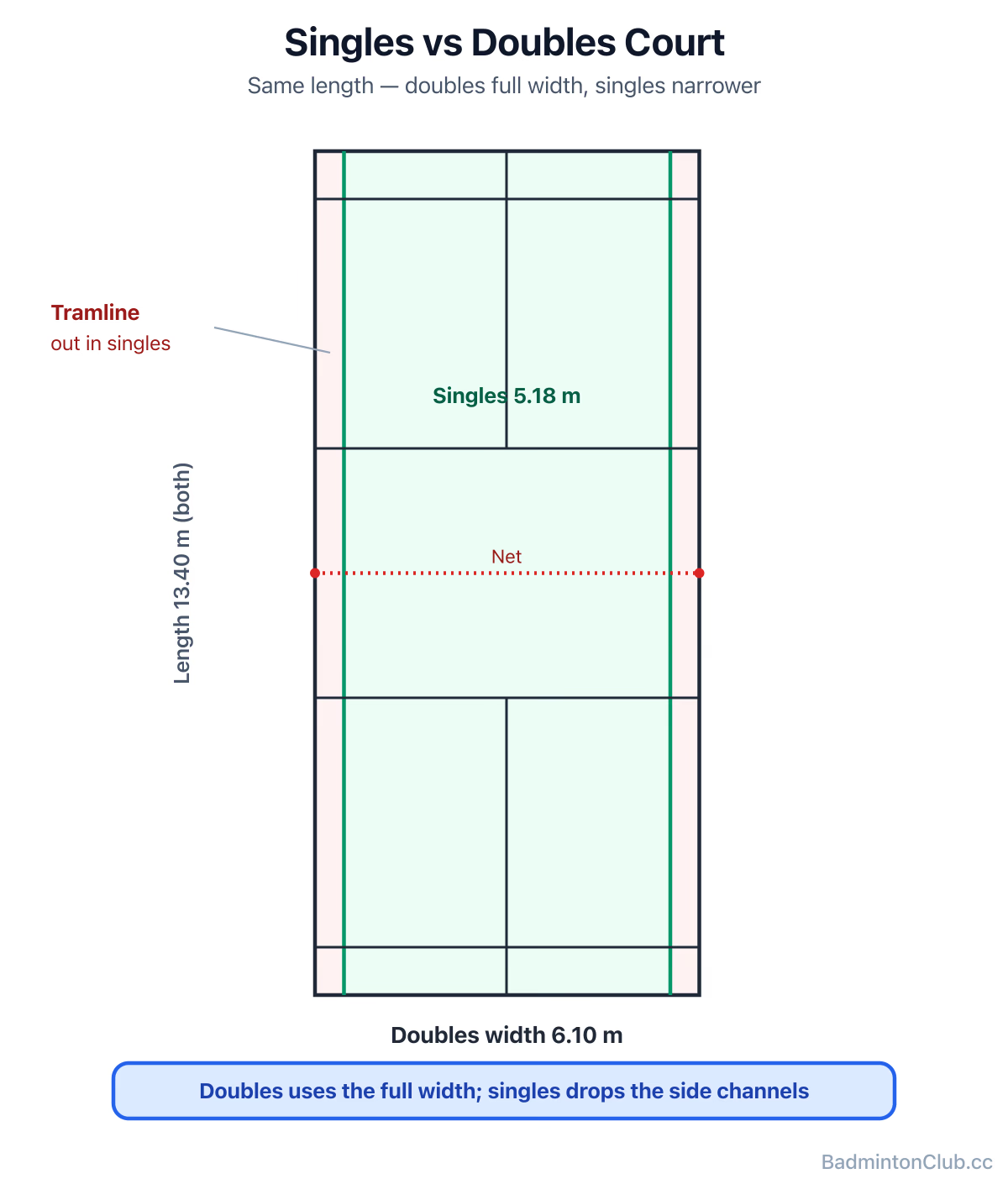
Singles and doubles badminton share the same scoring but differ in court width, service-court shape, and tactics. This breaks down exactly what changes — the singles court is narrower, the doubles service court shorter and wider, singles is a running game of corners while doubles is a fast attacking battle — plus the service-line rule that confuses everyone and an honest take on which format suits you.
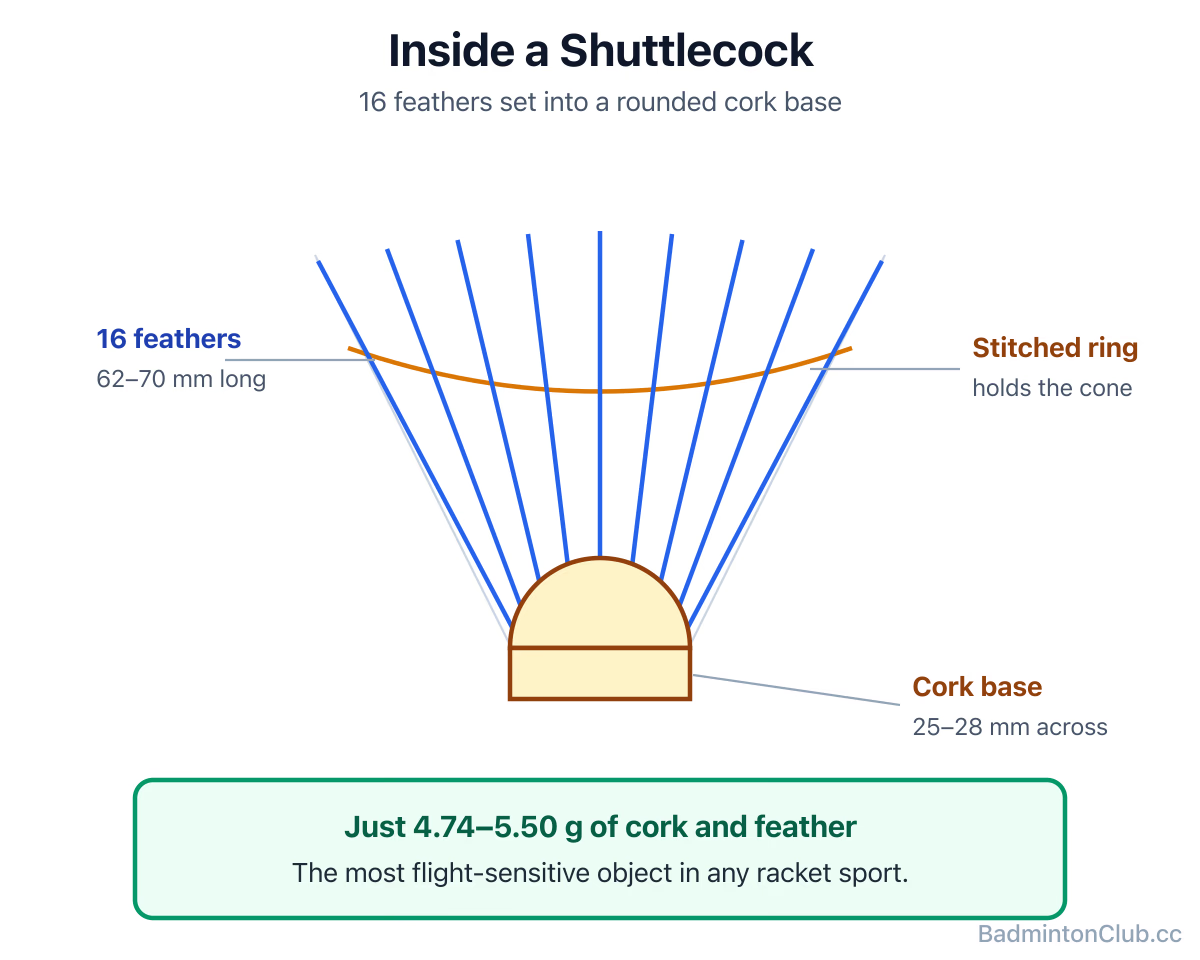
A shuttlecock is badminton's projectile — an open cone of 16 feathers (or a nylon skirt) set in a rounded cork base — and its shape is why badminton plays nothing like tennis. This covers what a shuttle is made of, the BWF weight and feather specs, feather versus plastic shuttles, why it always flies cork-first and decelerates so fast, and the speed-rating numbers printed on the tube.
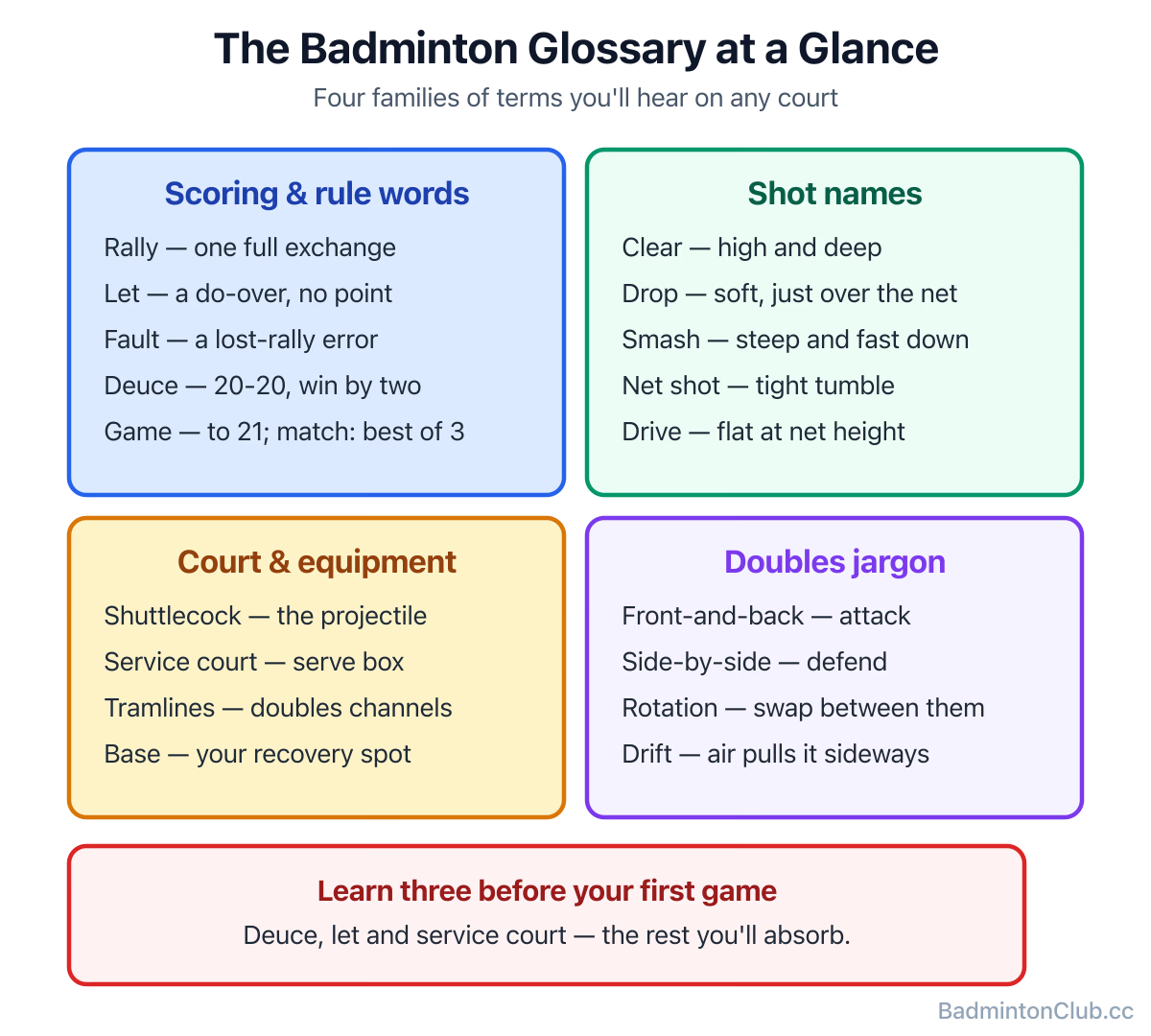
A plain-English badminton glossary covering the terms you'll hear on any court: rally, let, deuce, shuttlecock, clear, drop, smash, service court, and the slang nobody explains. Instead of a dry word list, this groups the terminology the way it actually comes up in a game — scoring words, shot names, court areas, doubles jargon — and links out to a full guide for each big one, so you can look up a word fast or read the lot.
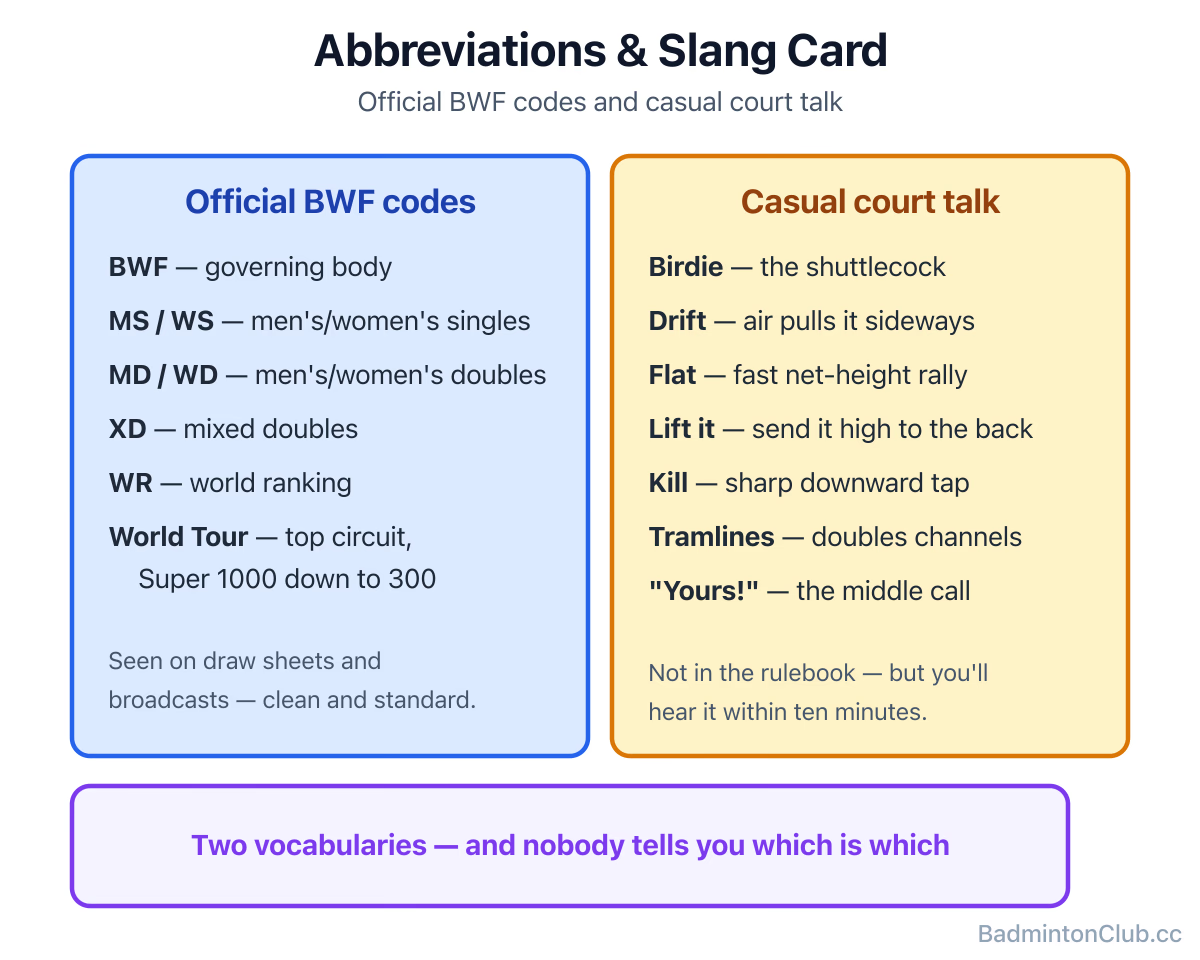
Badminton has its own slang and a thicket of abbreviations — BWF, MS, WD, XD, the rankings, plus club-night court talk like 'birdie,' 'drift,' 'flat' and 'yours!' This decodes the official BWF event codes you'll see on a draw sheet, the casual on-court slang nobody explains to newcomers, and the shorthand that makes a busy hall sound like a foreign language at first.
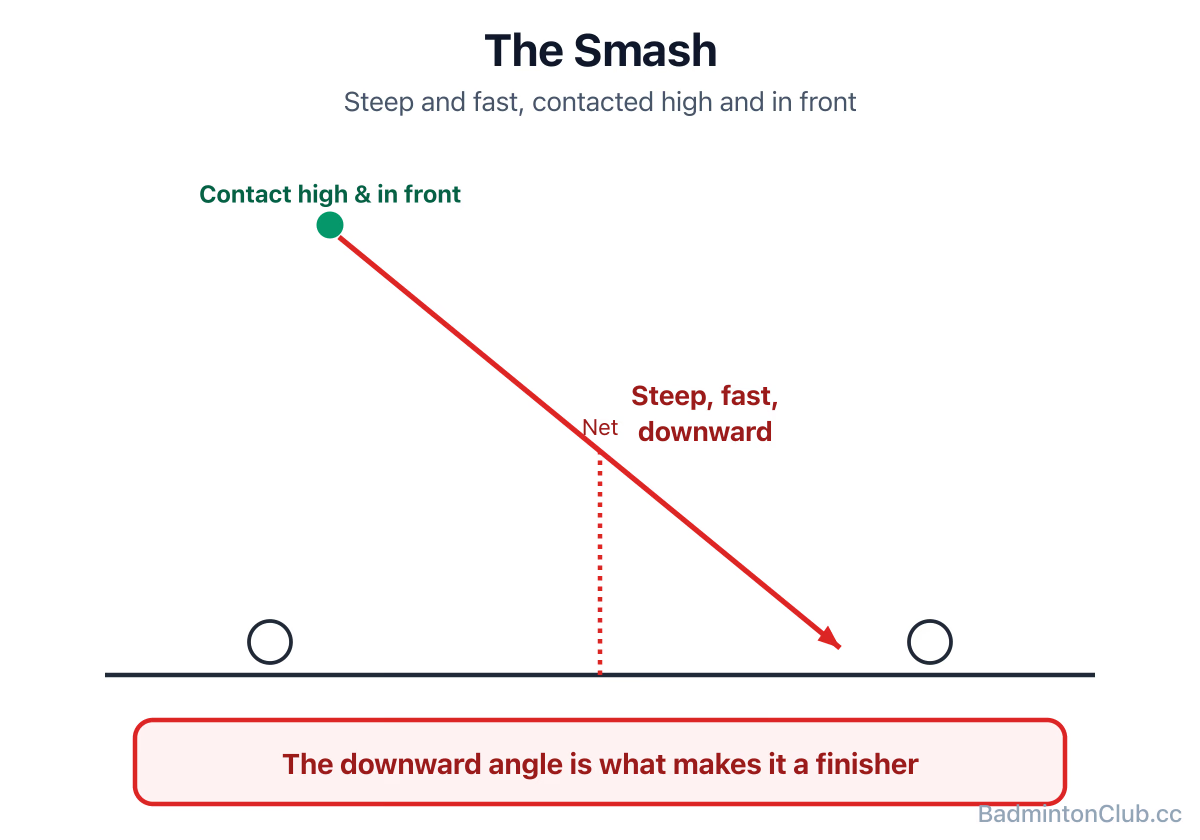
A smash in badminton is a steep, powerful overhead shot hit sharply downward to end a rally — the sport's knockout punch and its fastest shot. This explains what a smash is, where the power really comes from (forearm rotation, not arm muscle), the record speeds versus what's normal in a match, when a smash is the right shot, and why beginners lose more points to it than they win.
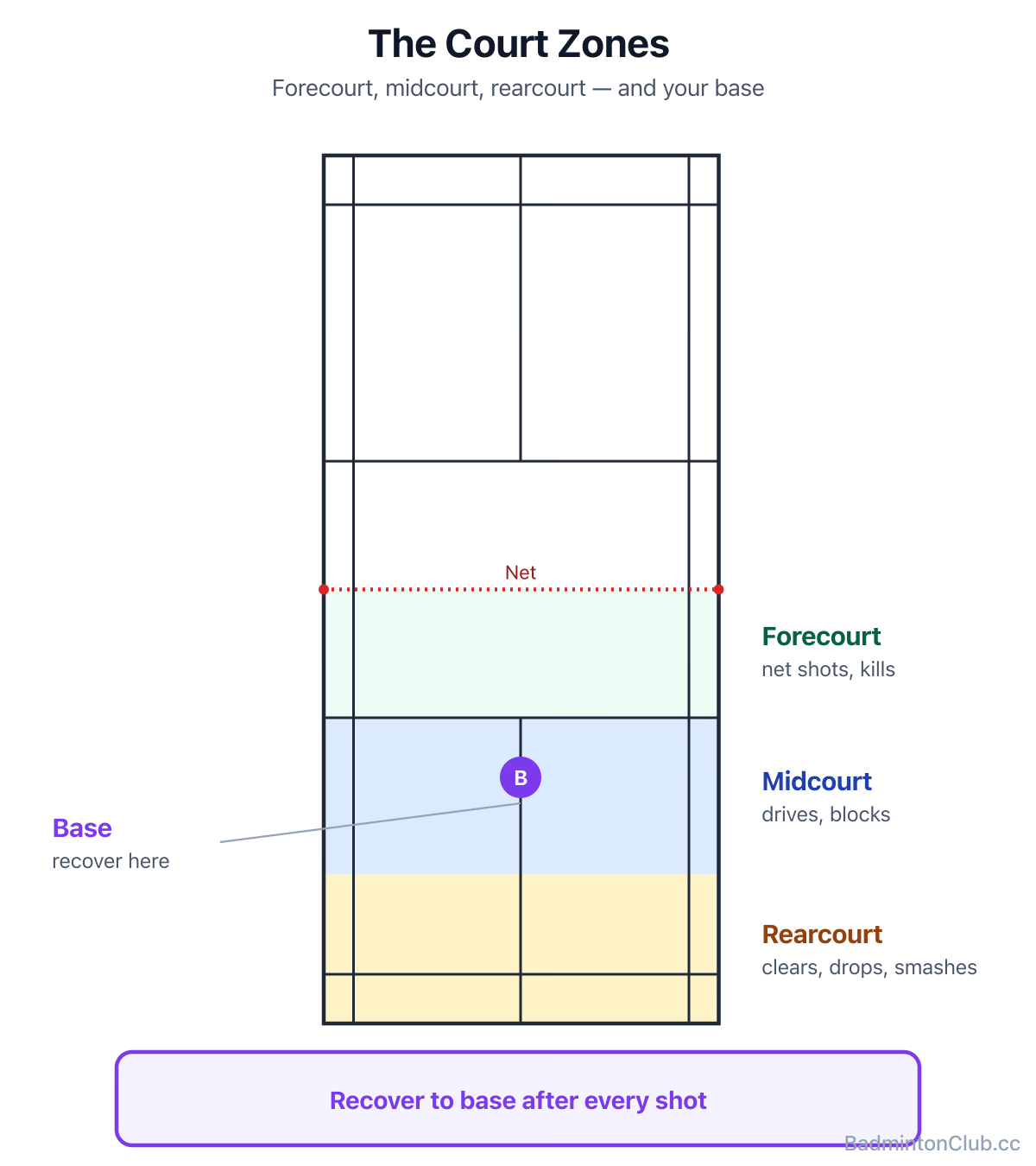
Badminton positions cover two things: the areas of the court (forecourt, midcourt, rearcourt and your base) and where players stand in doubles — front-and-back to attack, side-by-side to defend. This explains the named court zones, the single base position in singles, the two doubles formations and the rotation between them, and the positioning habit that quietly wins more rallies than any shot.
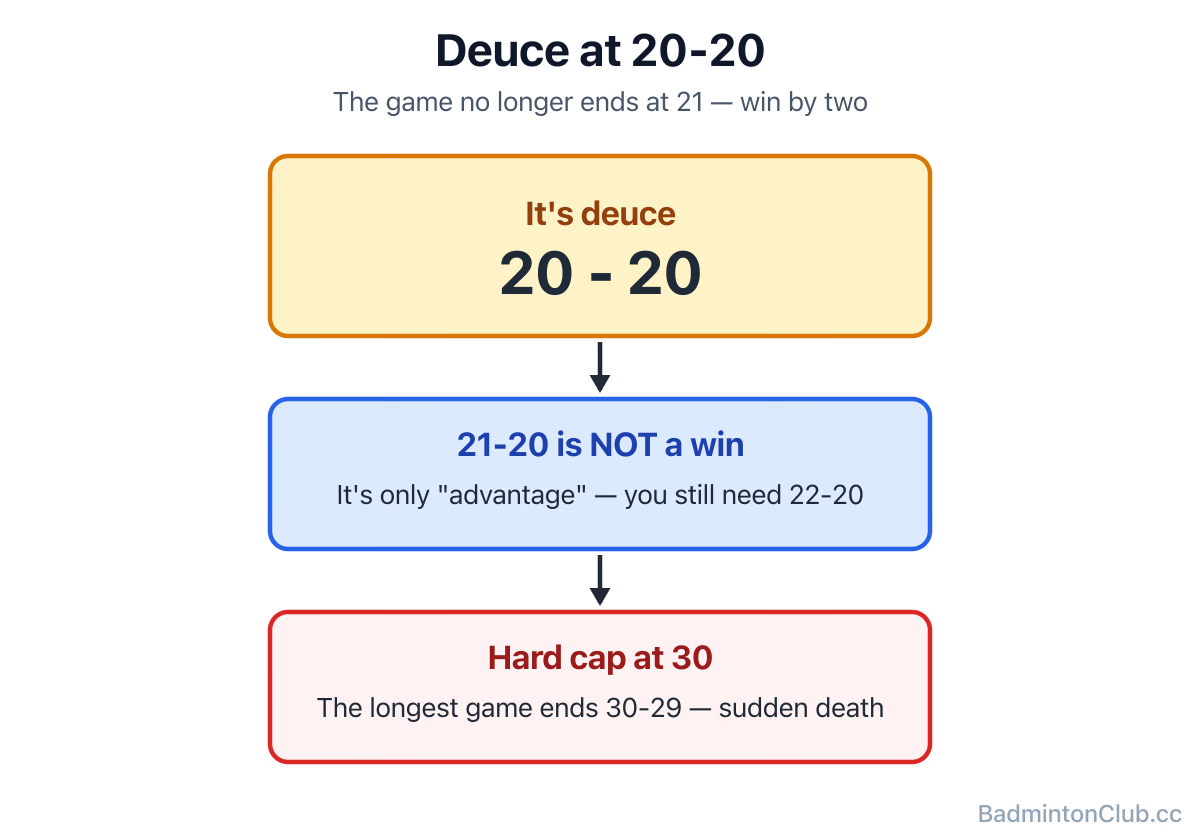
Deuce in badminton is the score at 20-20, where the game no longer ends at 21 — you have to win by two points, up to a hard cap of 30. This explains exactly how deuce works, why 21-20 isn't a win, how a game can stretch to 24-22 or 29-29, and the golden-point rule at 29-29 where the very next rally wins it 30-29.
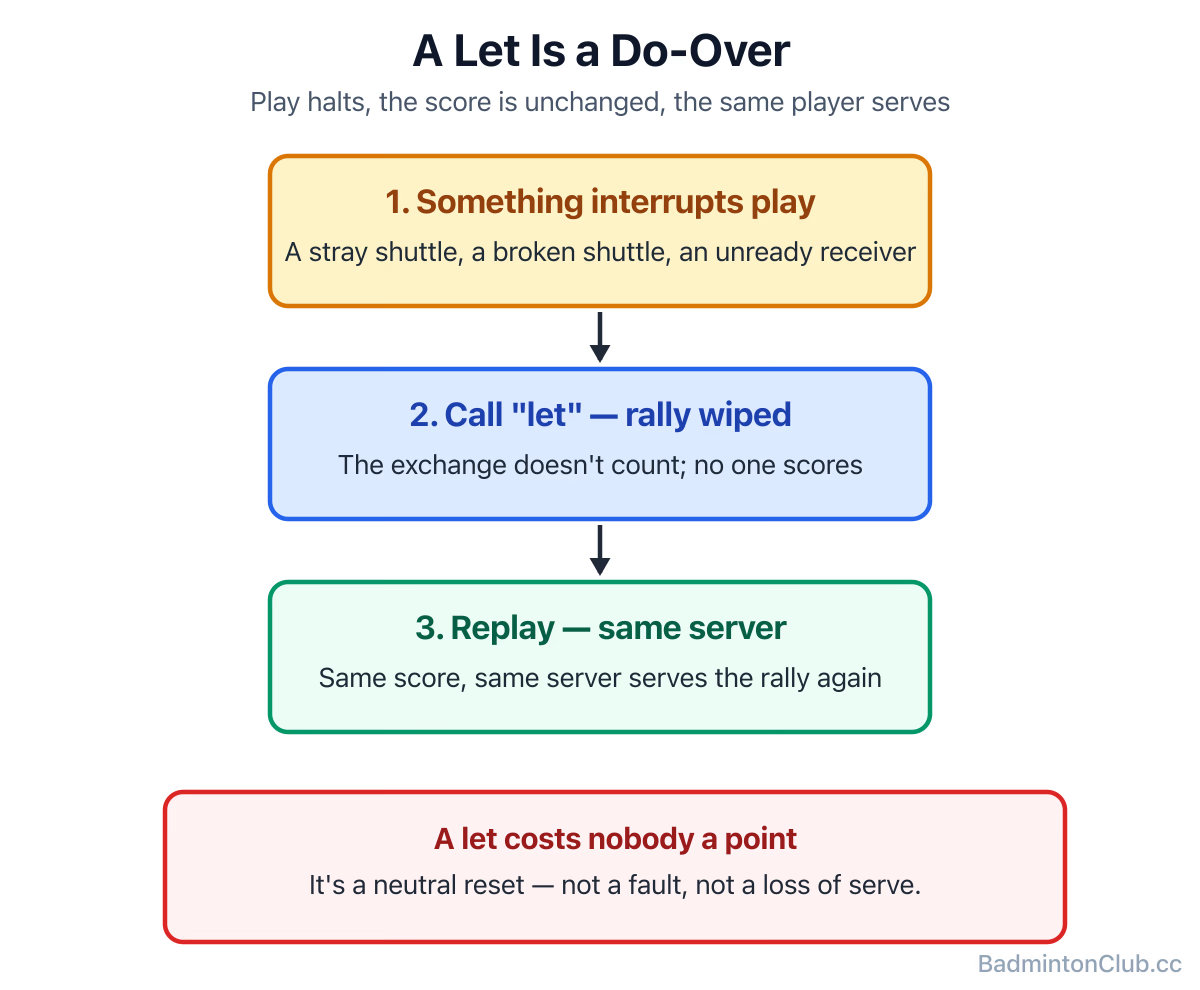
A let in badminton is a replay: play stops, the rally doesn't count, no point is scored, and the same player serves again. This explains the situations that cause a let — serving before the receiver is ready, a shuttle disintegrating mid-rally, outside interference — and the key distinction beginners miss: a let costs nobody a point, while a fault always gives the point away.
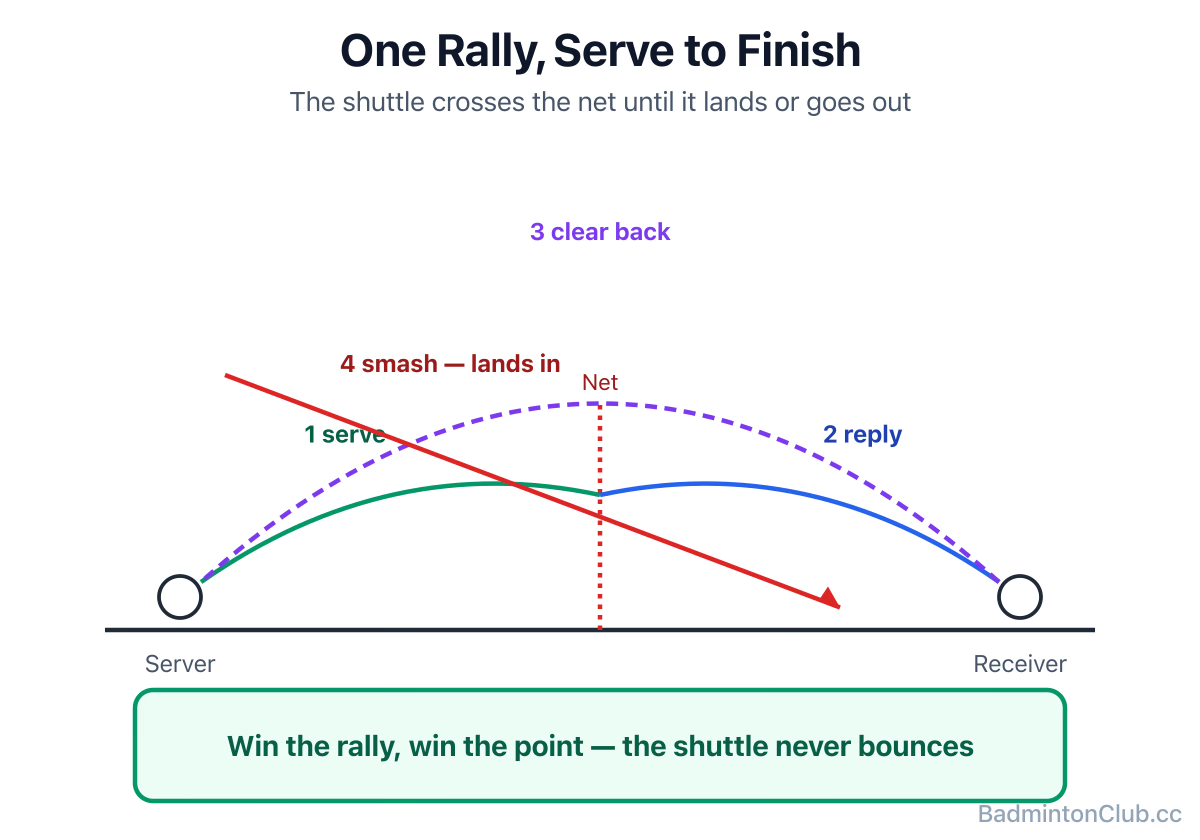
A rally in badminton is one continuous exchange of shots — from the serve until the shuttle hits the floor or goes out — and under rally scoring, whoever wins it scores the point. This explains exactly when a rally starts and ends, why the shuttle can never bounce, how rally scoring replaced the old serve-only system in 2006, and what a typical rally actually looks like on court.