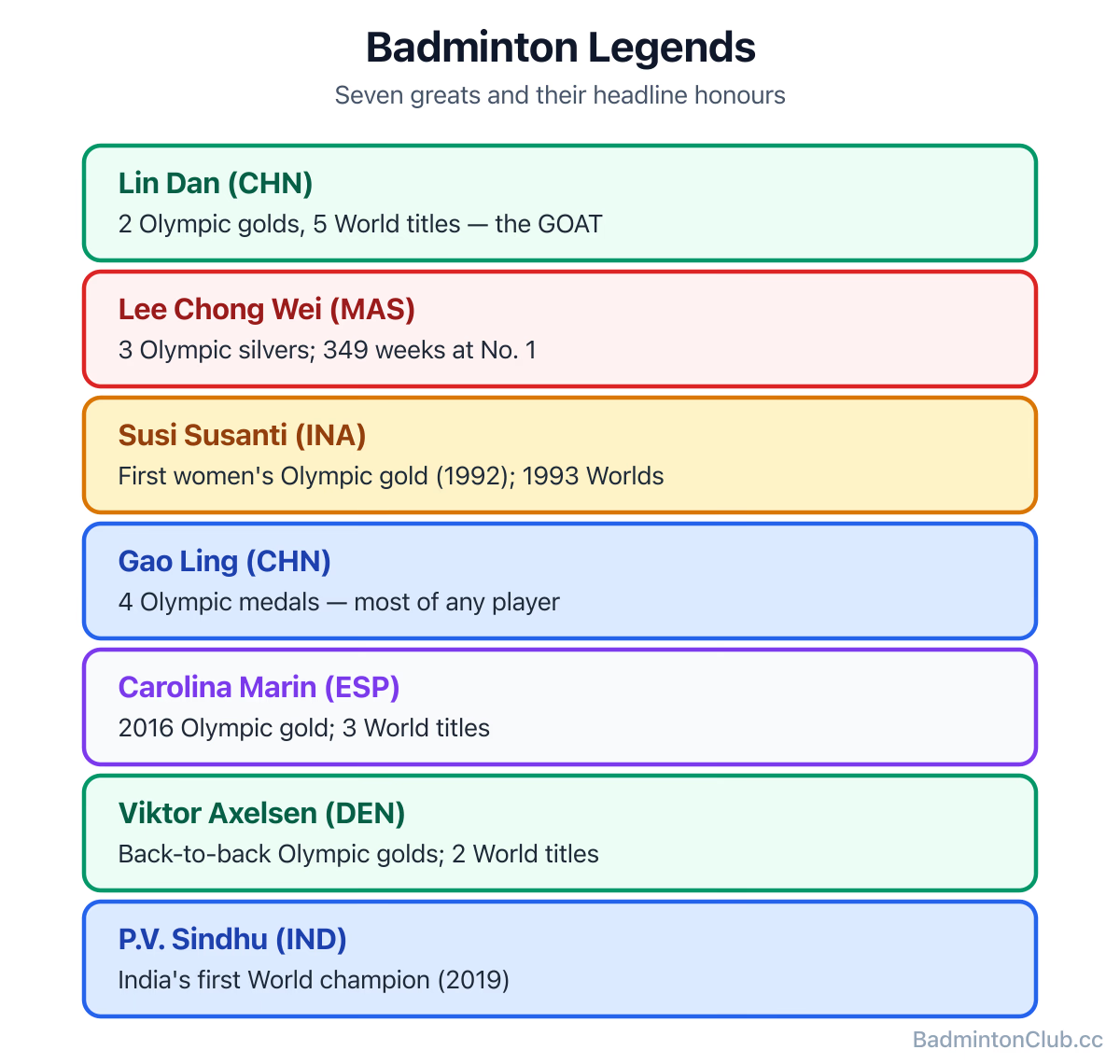
Who are the greatest badminton players ever? This guide covers the legends — Lin Dan, Lee Chong Wei, Susi Susanti, Gao Ling, Taufik Hidayat, Carolina Marín, Viktor Axelsen and P.V. Sindhu — with their real honours, not hype: Olympic golds, world titles, weeks at No. 1 and the records that actually settle the 'best of all time' argument. Every stat is checked against BWF and Olympic records, with an honest take on why the GOAT debate isn't as close as people think.
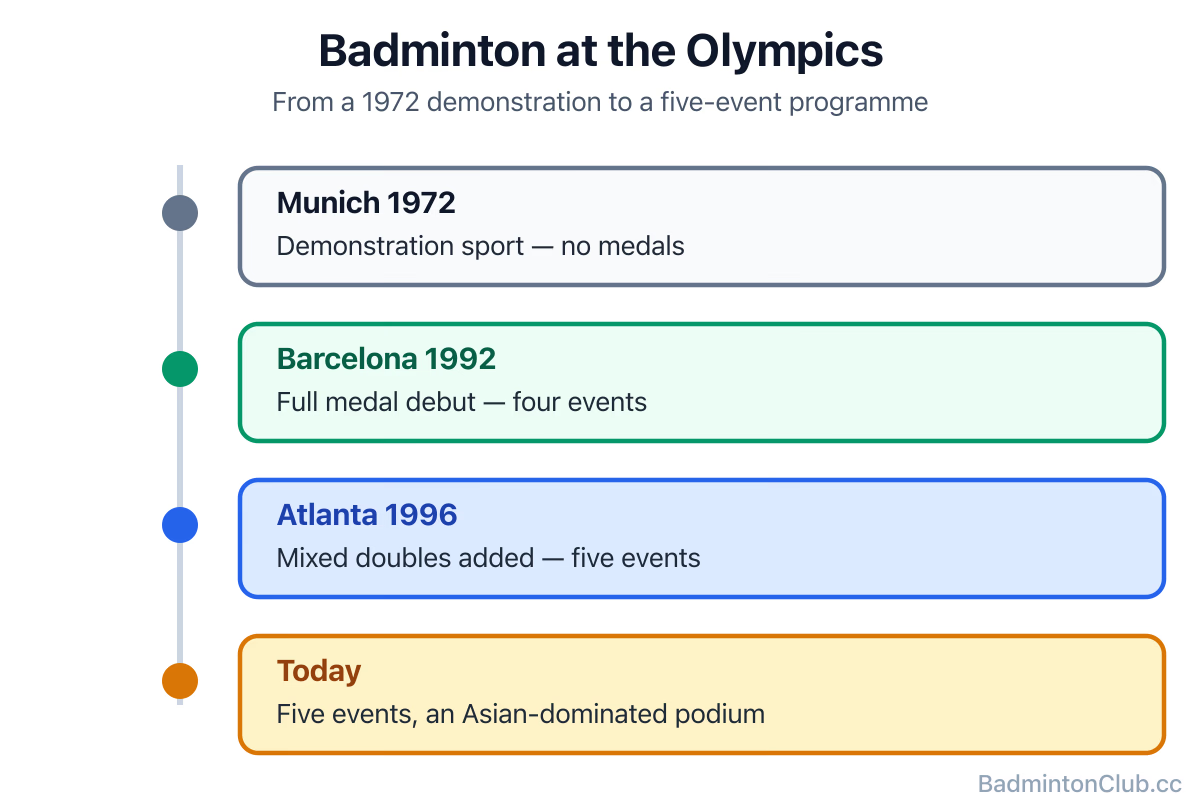
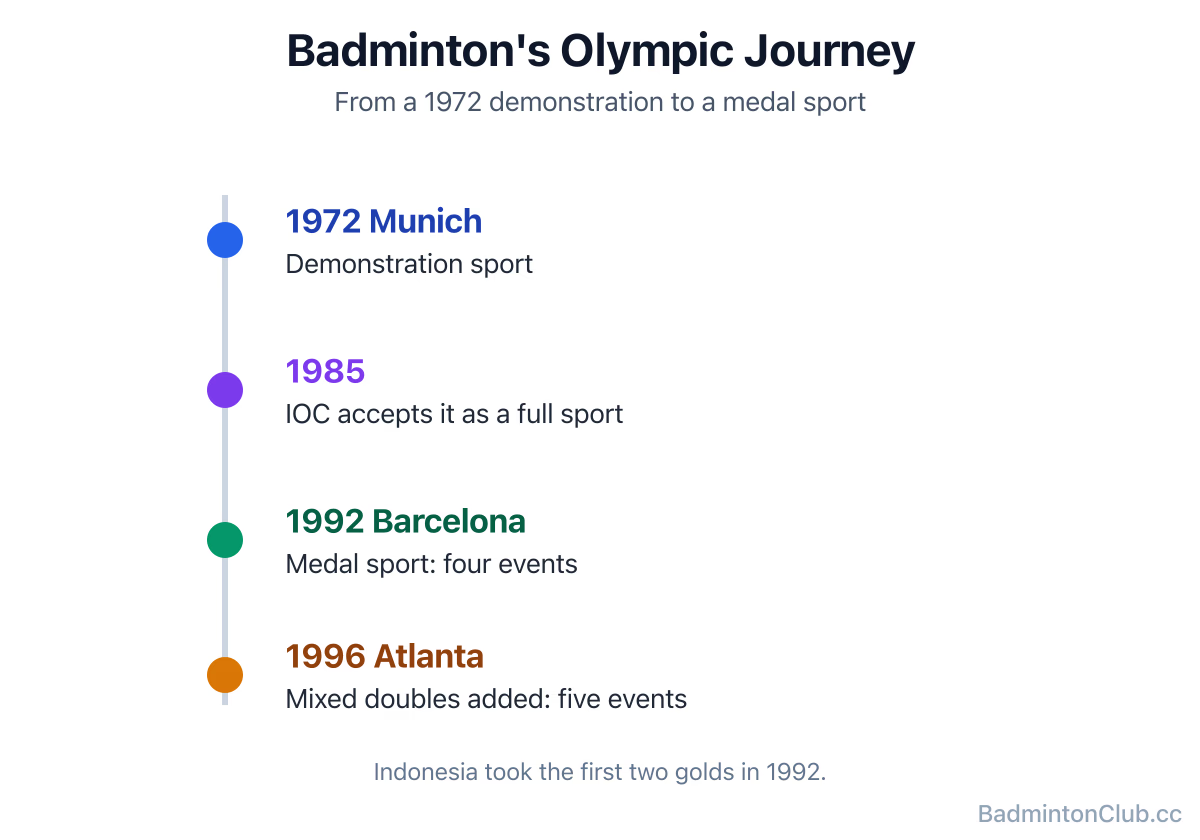
Badminton has been a full Olympic medal sport since Barcelona 1992, after a one-off demonstration at Munich 1972. This guide covers how it joined the Games, the five events contested today, the first champions (Indonesia's Susi Susanti and Alan Budikusuma), the nations that dominate the podium, and the format quirks — like why mixed doubles only arrived in 1996 — with every date checked against the BWF and Olympic records.
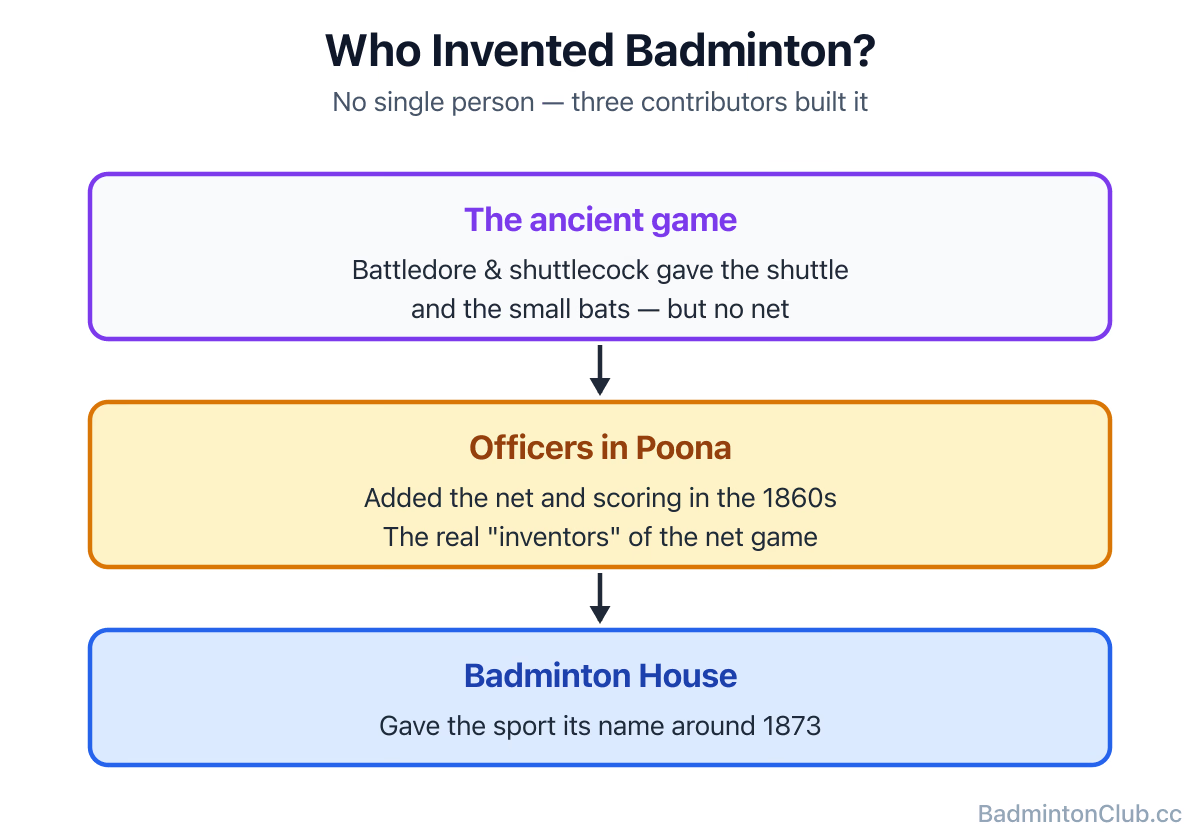
No single person invented badminton — and that's the honest answer most pages dodge. The game evolved from ancient battledore and shuttlecock, was turned into a net sport by British officers in Poona, India, in the 1860s, and was named after Badminton House in England around 1873. This guide untangles who actually did what, why the Duke of Beaufort gets the credit he doesn't quite deserve, and which 'inventor' claims to treat with caution.
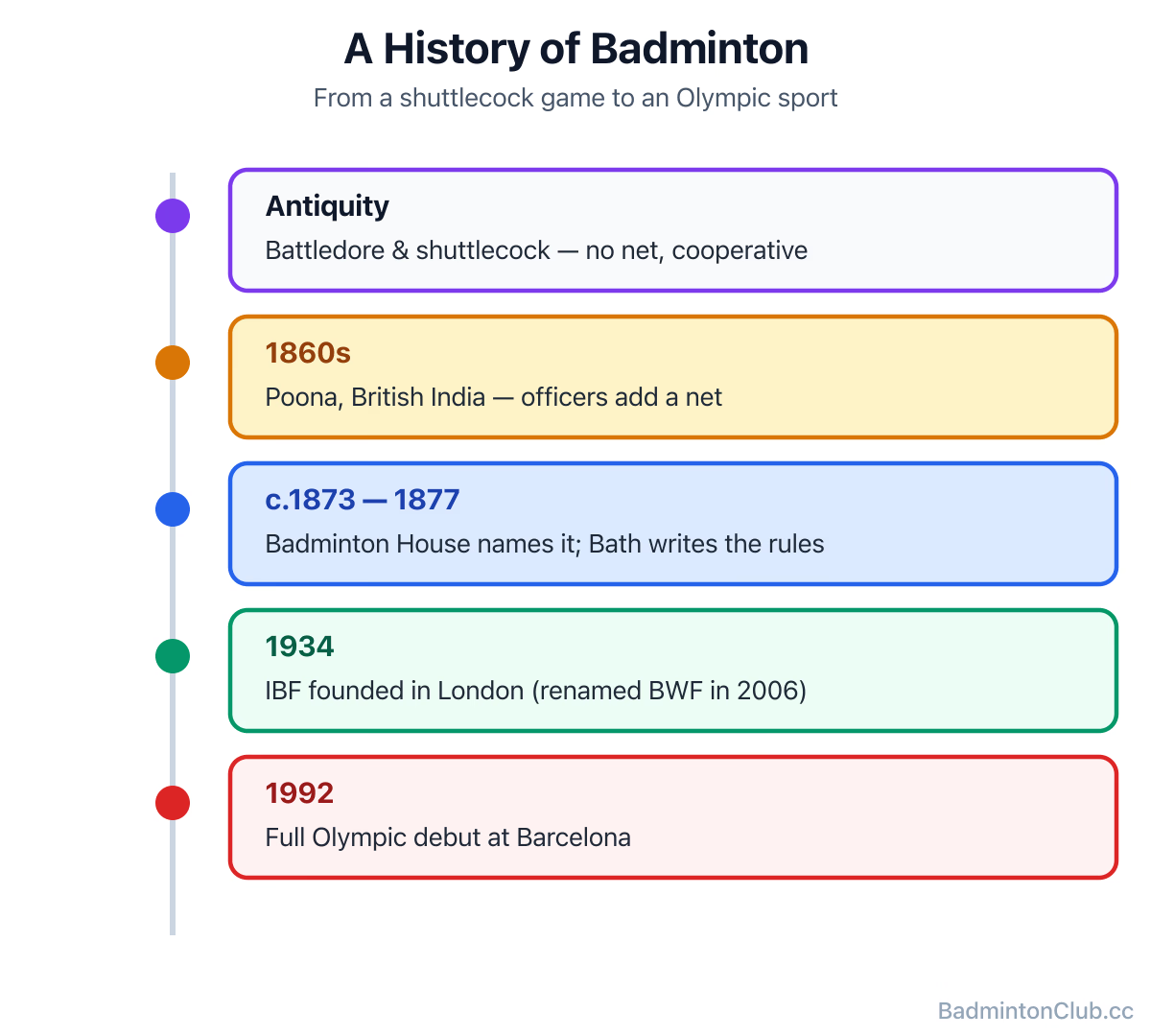
Badminton's history runs from an ancient shuttlecock game to British India, where army officers in Poona added a net, to an 1870s garden at Badminton House in England that gave the sport its name. Here's the whole story in order — where badminton originated, who shaped its first rules, how it spread worldwide through the IBF (now the BWF), and how it ended up on the Olympic stage at Barcelona in 1992 — with the dates checked against Britannica, the BWF and Olympic records.
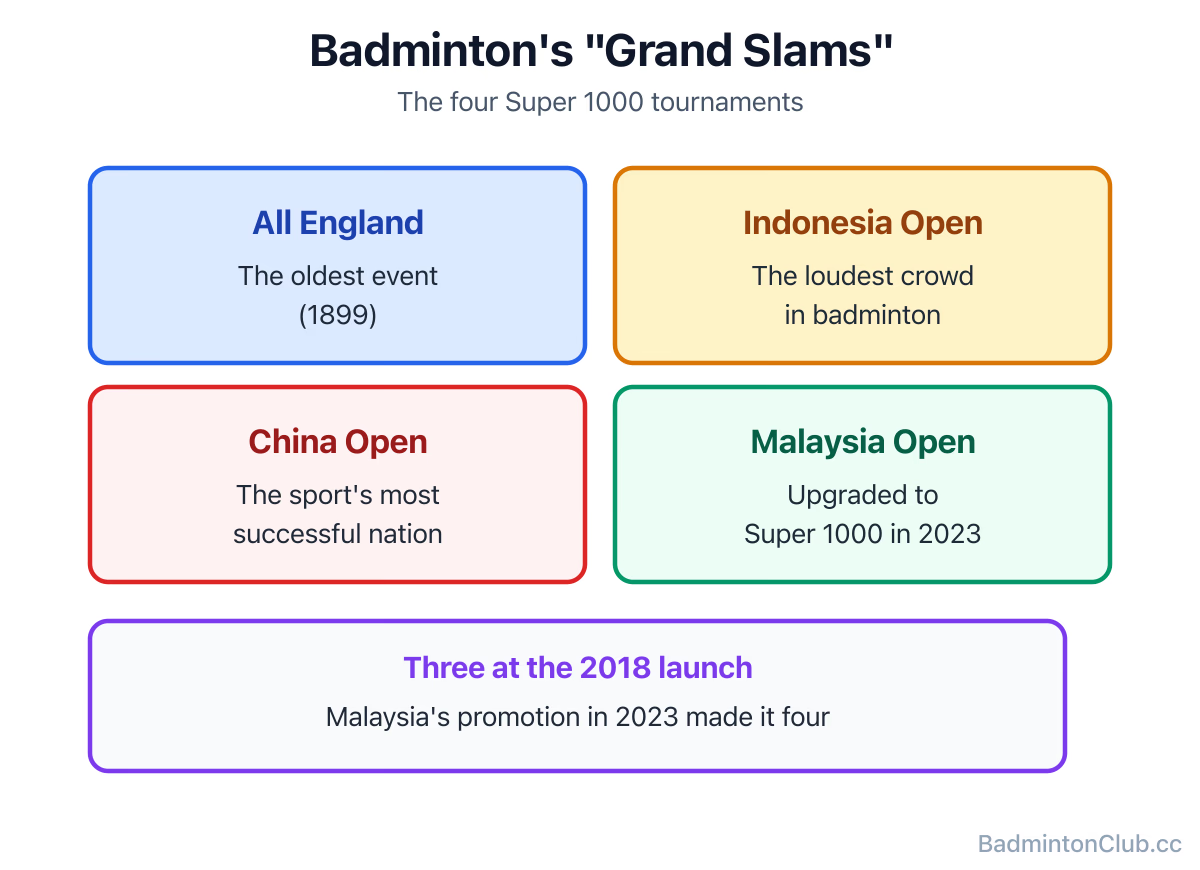
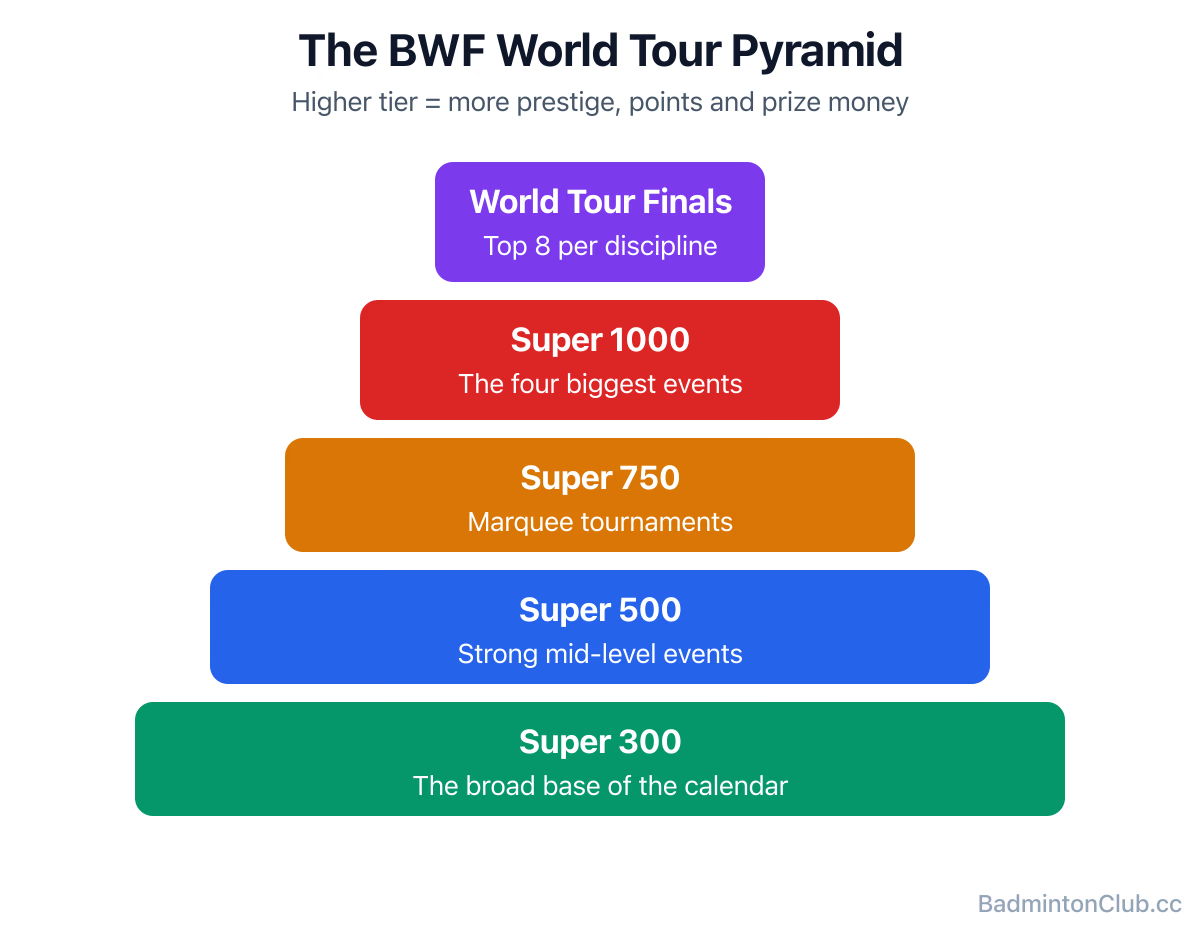
Badminton doesn't have official 'grand slams' like tennis — but the Super 1000 tournaments are widely treated as them: the All England, Indonesia Open, China Open and Malaysia Open. This guide explains what makes these four events the sport's biggest, how 'grand slam' is also used for a player winning every major title (Lin Dan's feat), and how the Super 1000s sit at the top of the BWF World Tour, with prestige and points to match.
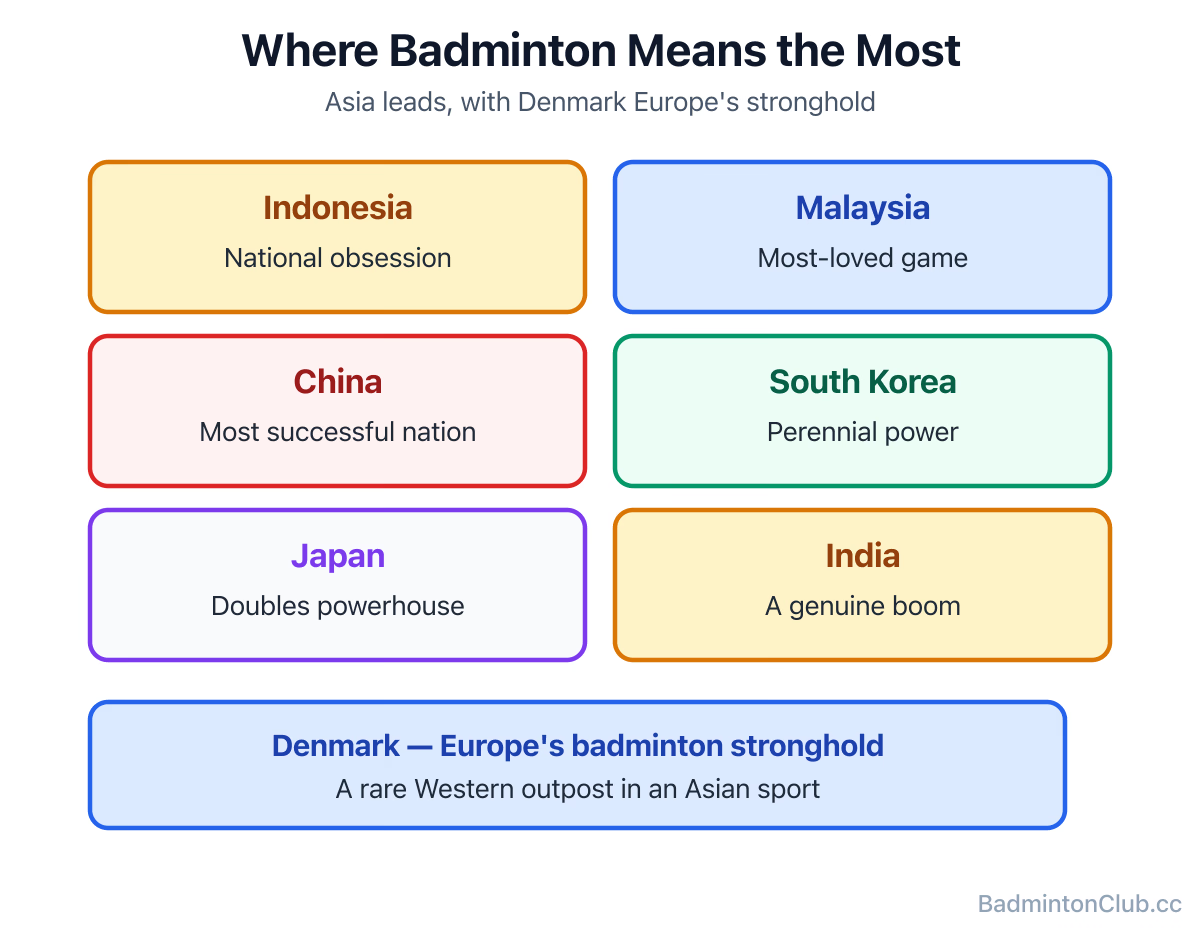
In some countries badminton isn't a hobby — it's a national obsession. This guide explains where badminton is the national or most-loved sport: Indonesia (where it's woven into the national identity), Malaysia, China, and its huge followings across Asia and northern Europe. It covers why the sport took such deep root in these places, how it became a source of national pride, and the players and team cups that turned badminton into more than a game.
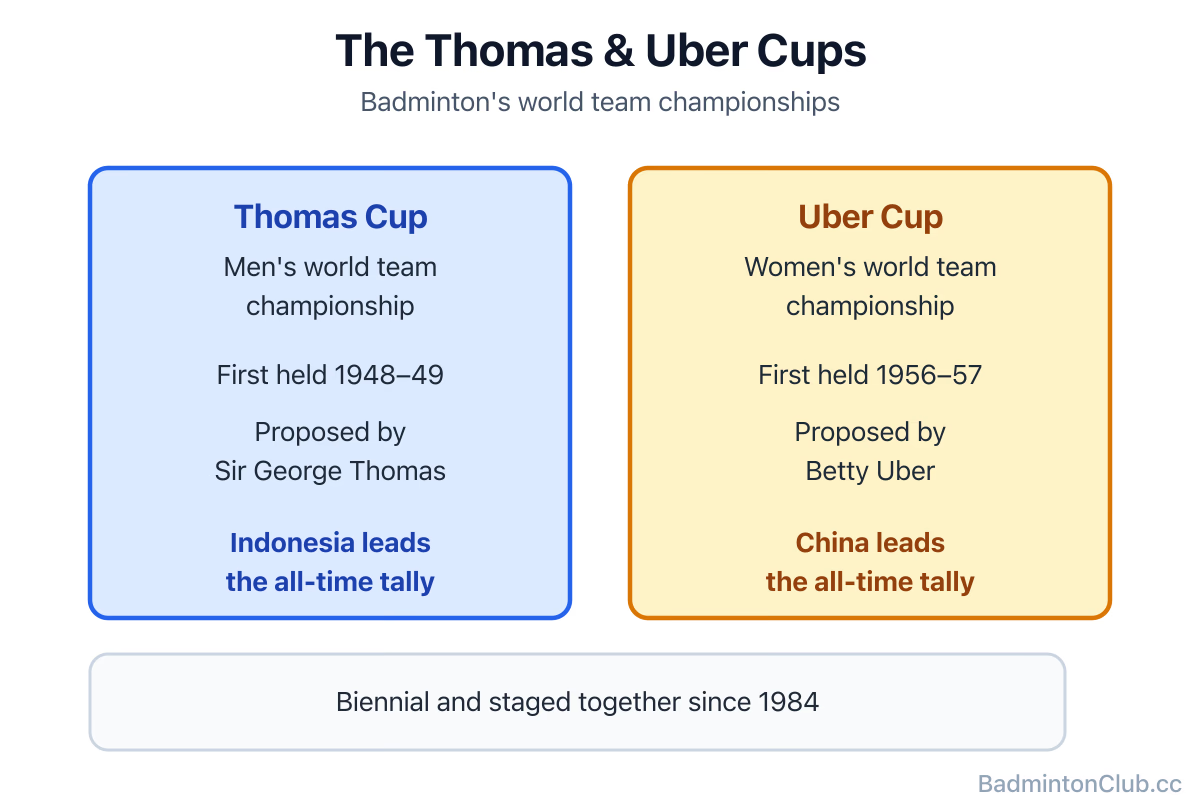
The Thomas Cup (men) and Uber Cup (women) are badminton's world team championships, where nations — not individuals — compete for the sport's most coveted team trophies. This guide explains their history (the Thomas Cup from 1948–49, the Uber Cup from 1956–57), how the tie format works, why Indonesia and China dominate the honours, and how these cups differ from the mixed-team Sudirman Cup — with the dates checked against the BWF.
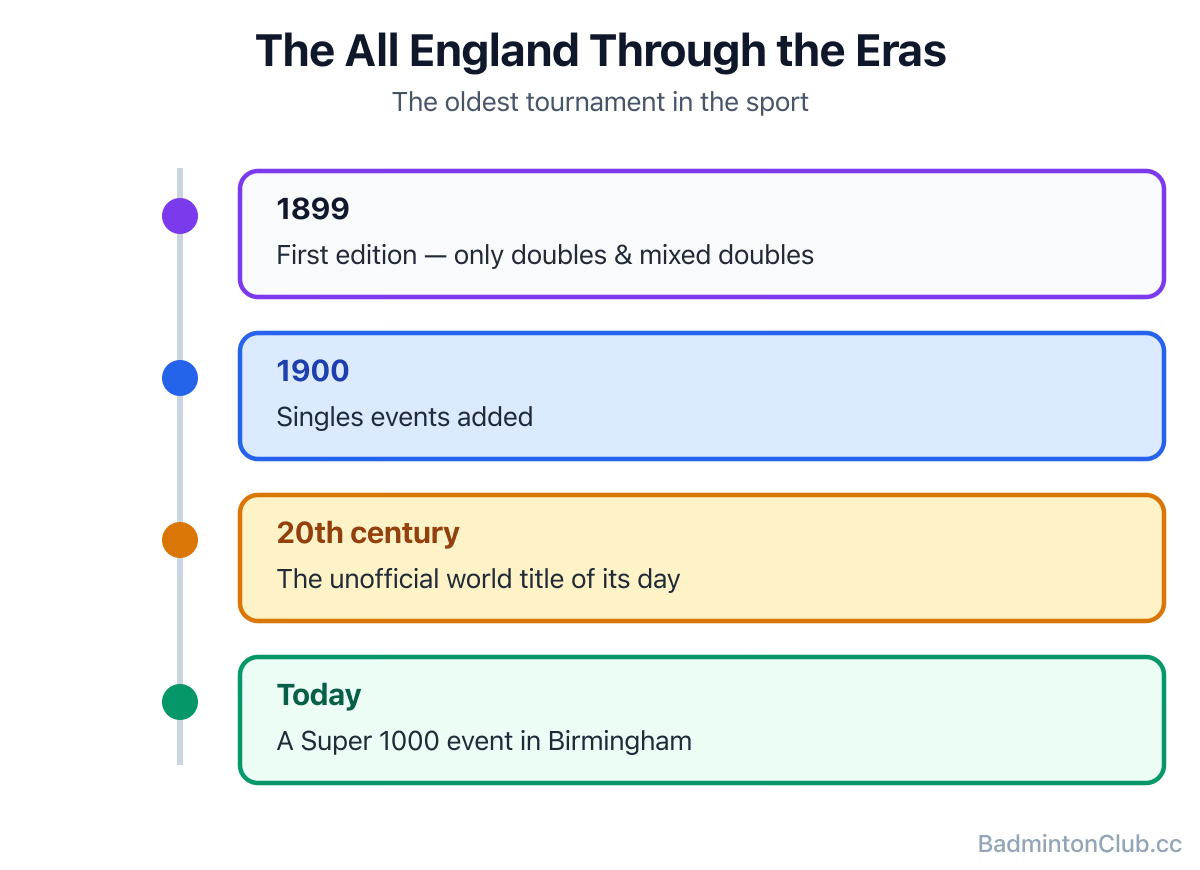
First held in 1899, the All England Open is the oldest badminton tournament in the world and one of its most prestigious — a title every great player wants on their record. This guide covers its history from a Victorian church hall to a modern Super 1000 event, why winning it carries such weight, the legends who've dominated it (Lin Dan's six titles, the Danish and Indonesian eras), and how it fits into today's BWF World Tour.
The BWF World Tour is professional badminton's main circuit: a season-long series of tournaments graded from Super 1000 down to Super 300, climaxing in the season-ending World Tour Finals. This guide explains the levels, how many events there are, how prize money and ranking points scale with prestige, how players qualify for the Finals, and how the Tour fits alongside the Olympics and the big team cups — with the structure checked against the BWF.
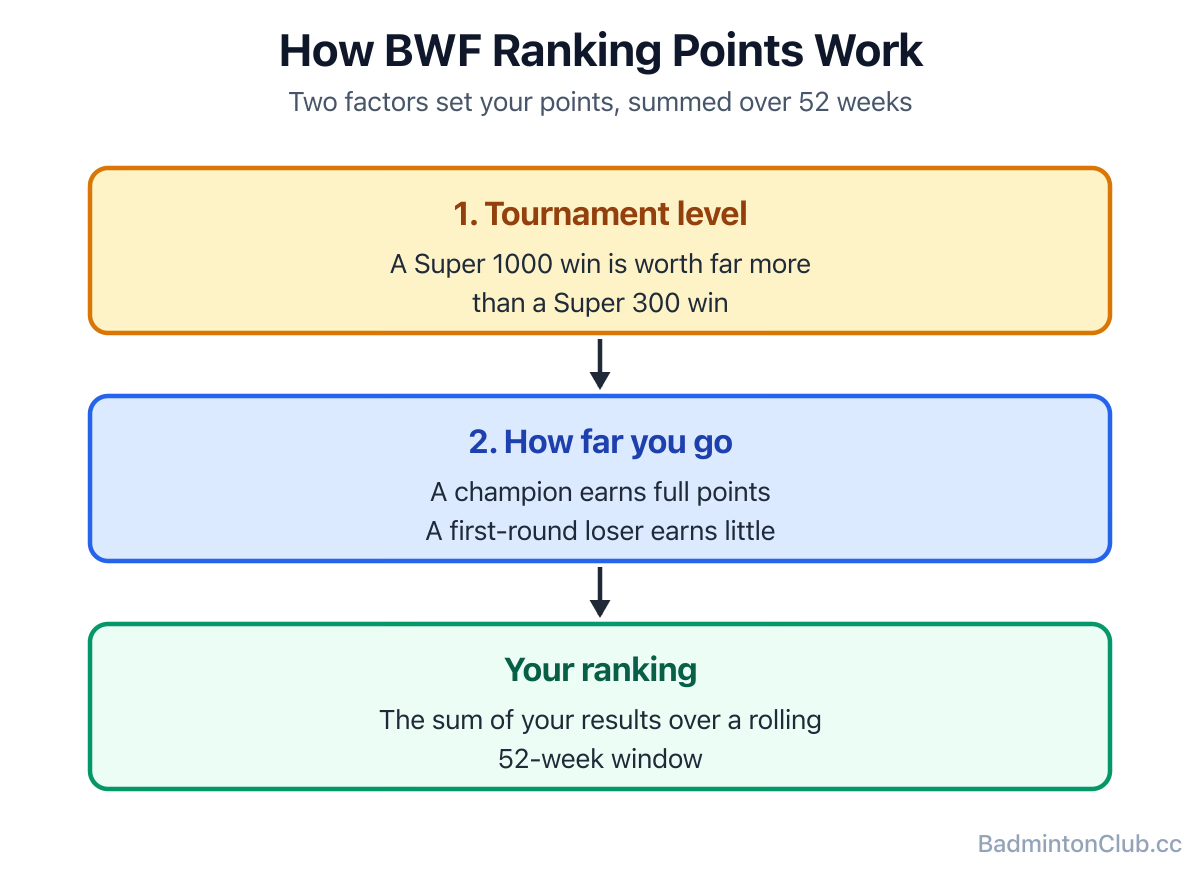
How do badminton world rankings actually work? The BWF World Ranking is a rolling 52-week points system: you earn points by how far you go at sanctioned tournaments, bigger events pay more, and only your best results count once you've played enough. This guide explains the points, the 'best 10' rule, why rankings decide tournament seeding and Olympic qualification, and the quirks that make a player's number jump or drop — checked against the BWF's own statutes.
Is badminton an Olympic sport? Yes — it's been a full Summer Olympic medal sport since Barcelona 1992, with five events today and a roll of champions dominated by Asian and European nations. This guide covers when badminton joined the Games, the road from demonstration sport to medal sport, every Olympic event, and the countries that rule it. A concise, fully-sourced answer to a question a surprising number of people still ask.