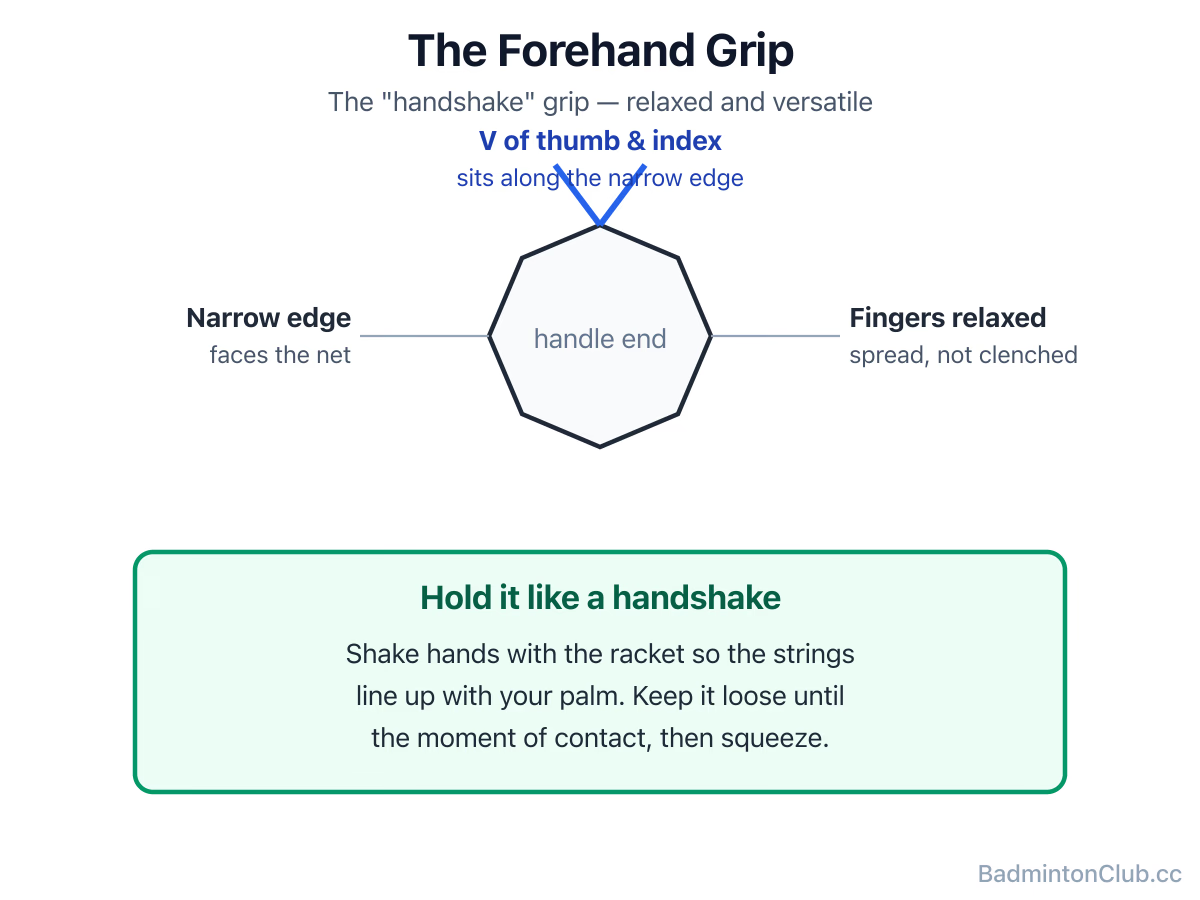
How you hold the racket determines almost everything else in badminton — power, control and whether your wrist survives. This guide covers the forehand (handshake) grip, the backhand (thumb) grip, how to switch between them mid-rally, the right grip pressure, and the panhandle 'frying pan' grip that quietly wrecks most beginners' technique. Fix your grip first and every other shot gets easier.
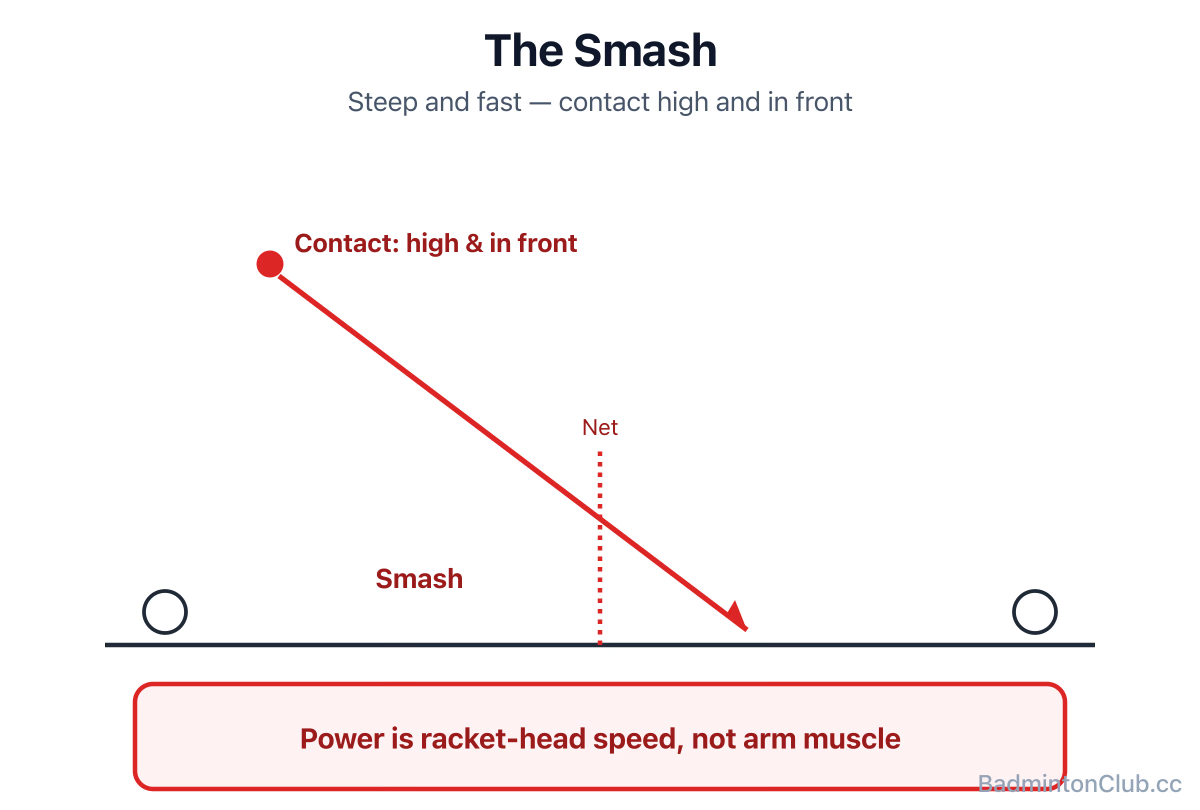
The smash is badminton's knockout punch — a steep, fast downward shot that ends rallies — but power comes from technique, not muscle. This guide breaks down the jump and standing smash, the forearm pronation that generates real racket-head speed, where to aim, and the part most guides skip: when NOT to smash, because a mistimed smash from the wrong position loses more points than it wins for a beginner.
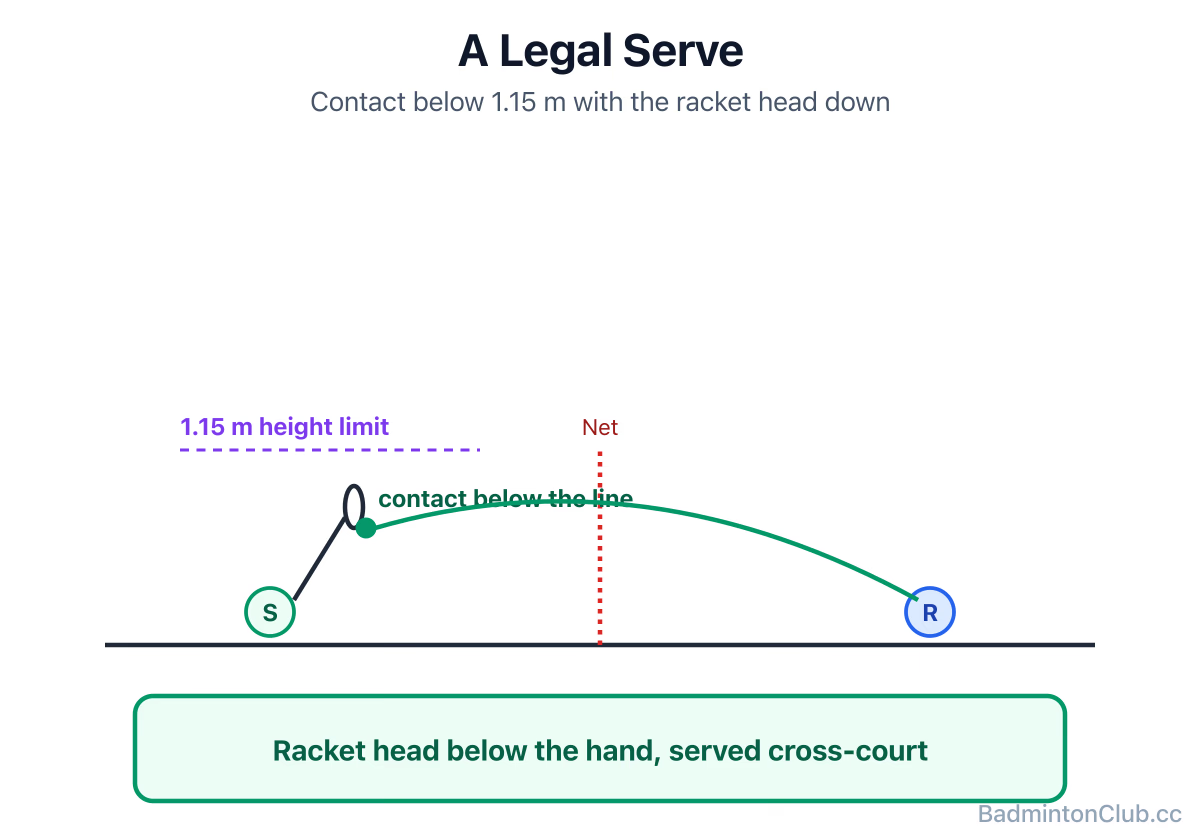
Learn how to serve in badminton legally and consistently: the underhand technique, the 1.15 m height rule, where to stand by score, and when to use a low serve versus a high serve. The serve is the only shot you fully control and the easiest place for a beginner to leak points — this breaks down a legal serve step by step, the faults service judges actually call, and the low doubles serve that takes the attack away from your opponent.
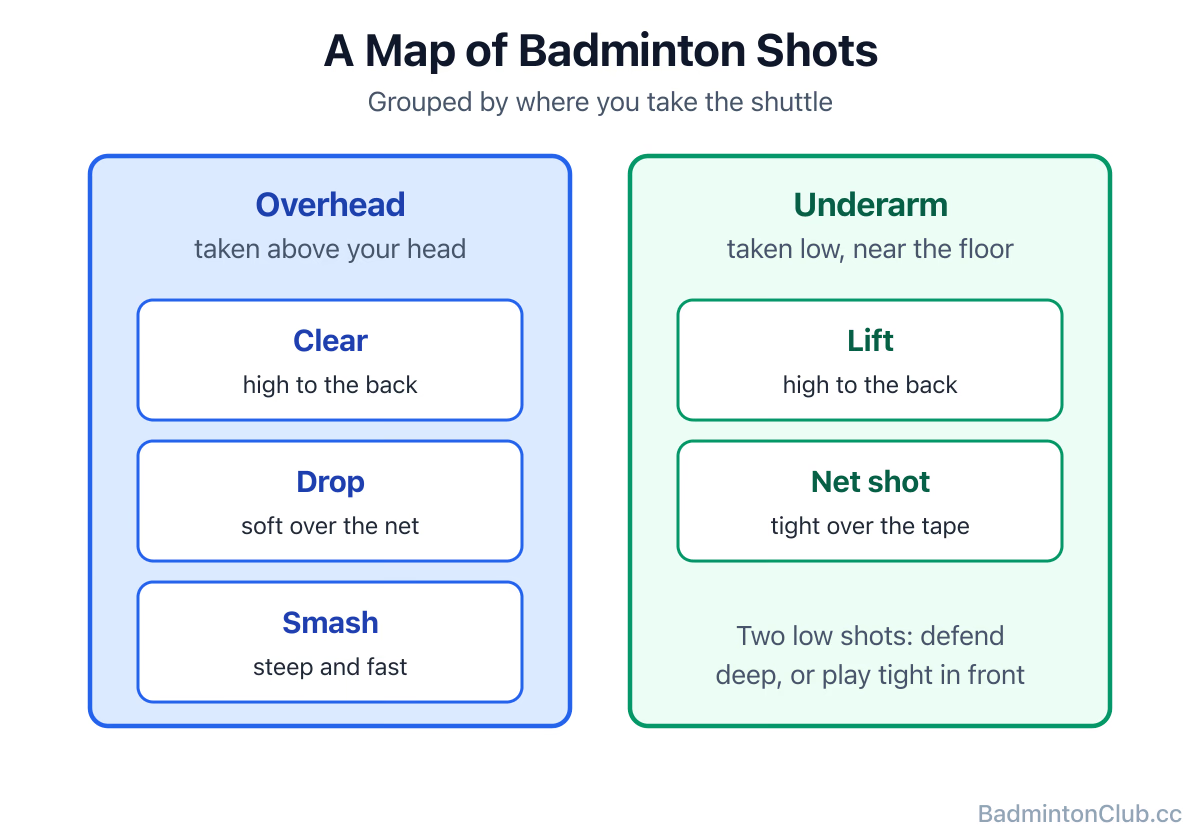
A clear map of every badminton shot by name and trajectory — serve, clear, drop, smash, drive, net shot, lift and block — and exactly when each one is the right choice. Instead of a flat list of definitions, this groups the shots the way they actually work on court (overhead vs underarm, attacking vs defending) so you can see why a drop and a smash come from the same swing, and pick the right shot under pressure.
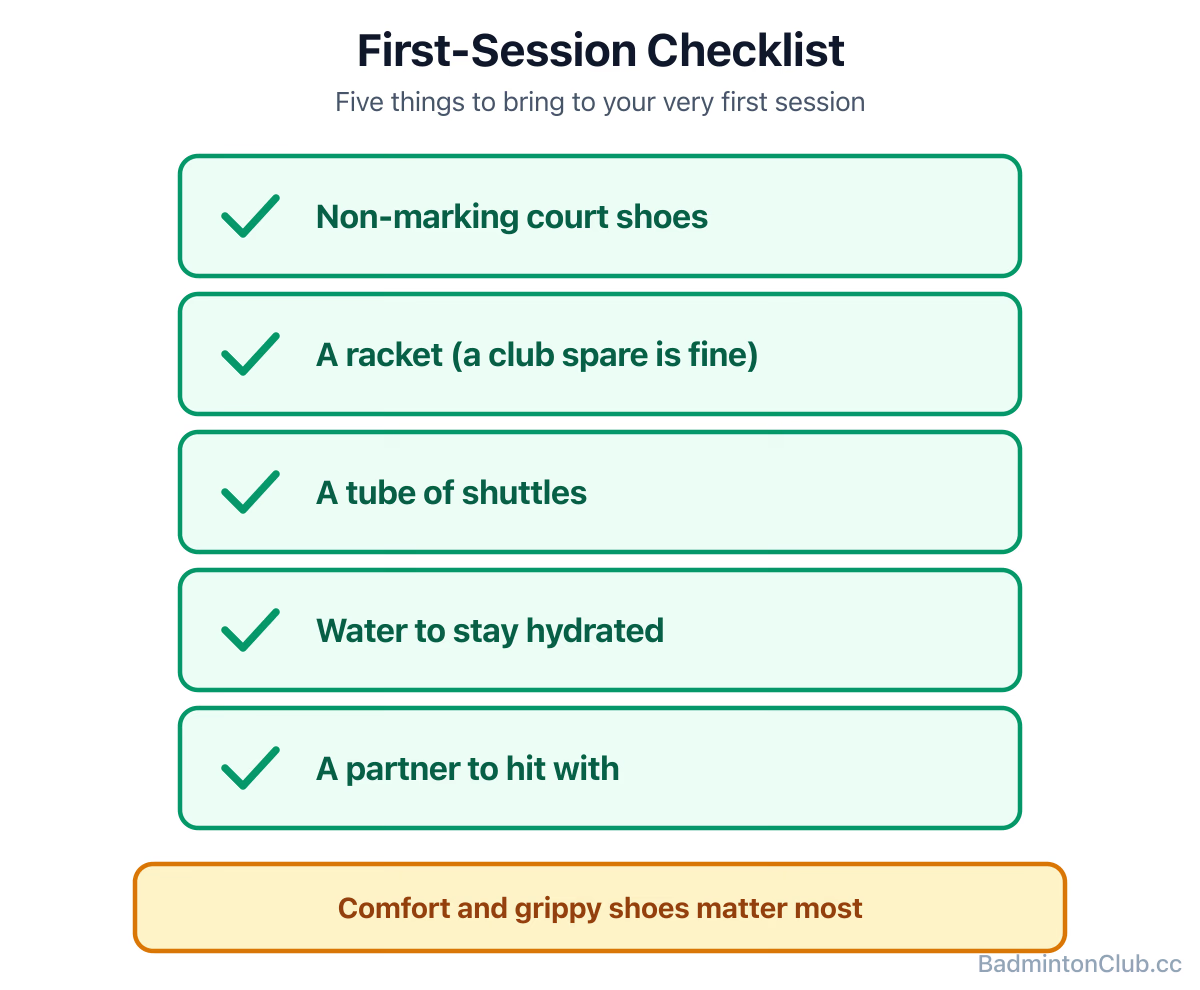
New to badminton? Here's exactly what to do at your first session: what to bring, the basic rules and grip, the ready position that fixes half of all beginner problems, and the order to learn things in so you improve fast. Written as the lesson we'd give a friend coming to a club night for the first time — what really happens, what nobody tells you, and the few things worth practising before everything else.
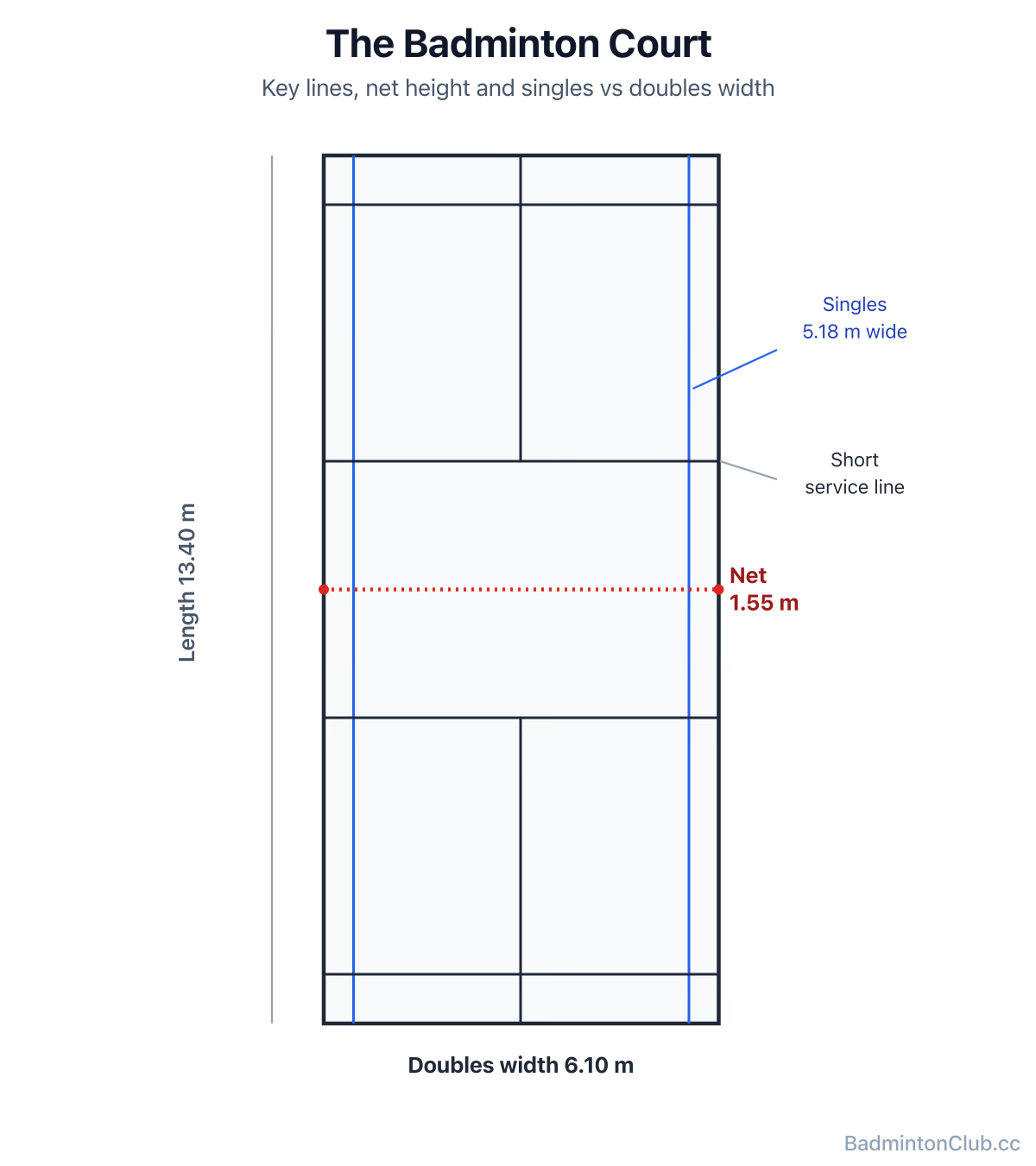
Learn how to play badminton from scratch: the court, the kit, the 21-point rally scoring system, a legal serve and the handful of shots you actually need on day one. This is the plain-English walkthrough we give every newcomer who turns up to a club night — no jargon, just what to do when the shuttle comes at you, how a game to 21 is won, and the three mistakes that mark you out as brand new (and how to skip them).
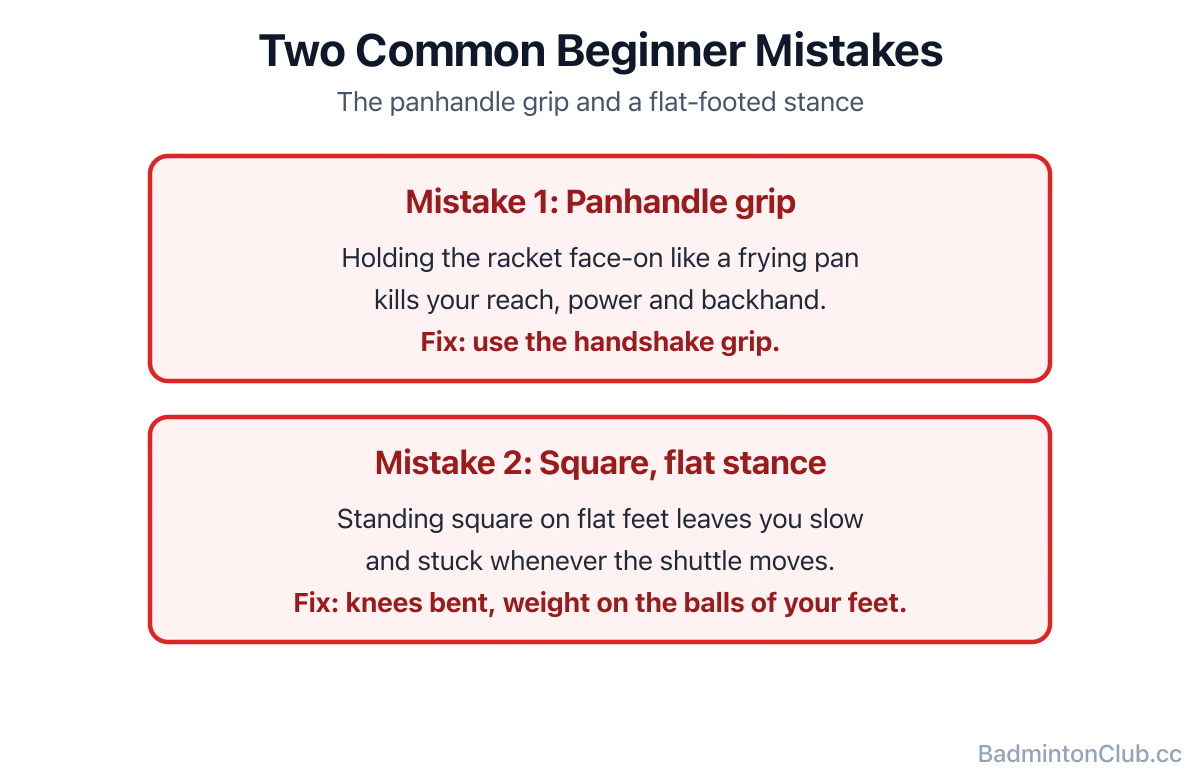
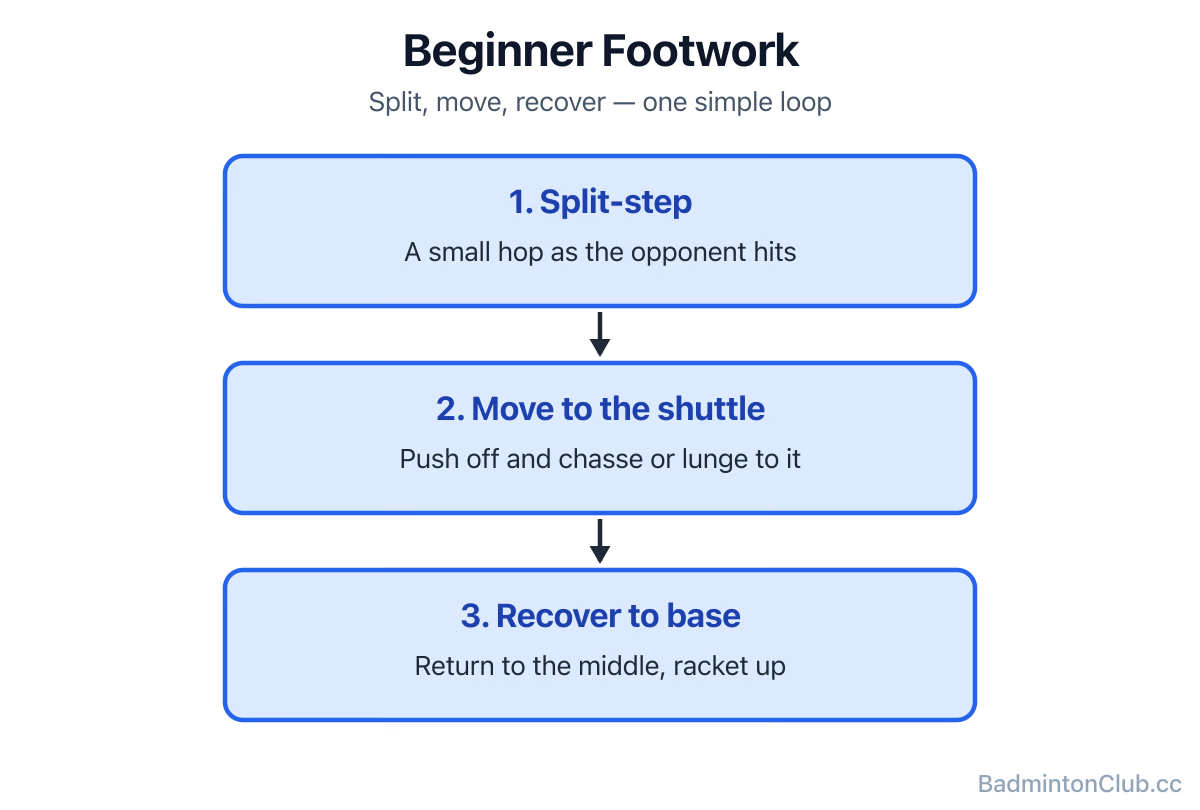
Most beginners lose points to the same handful of fixable mistakes: a panhandle grip, gripping too tight, standing flat-footed, never recovering to the middle, lifting when they should attack, and smashing from bad positions. This guide names each common badminton mistake, explains why it hurts you, and gives the specific fix — so you can skip months of frustration and the bad habits that are hardest to unlearn later.
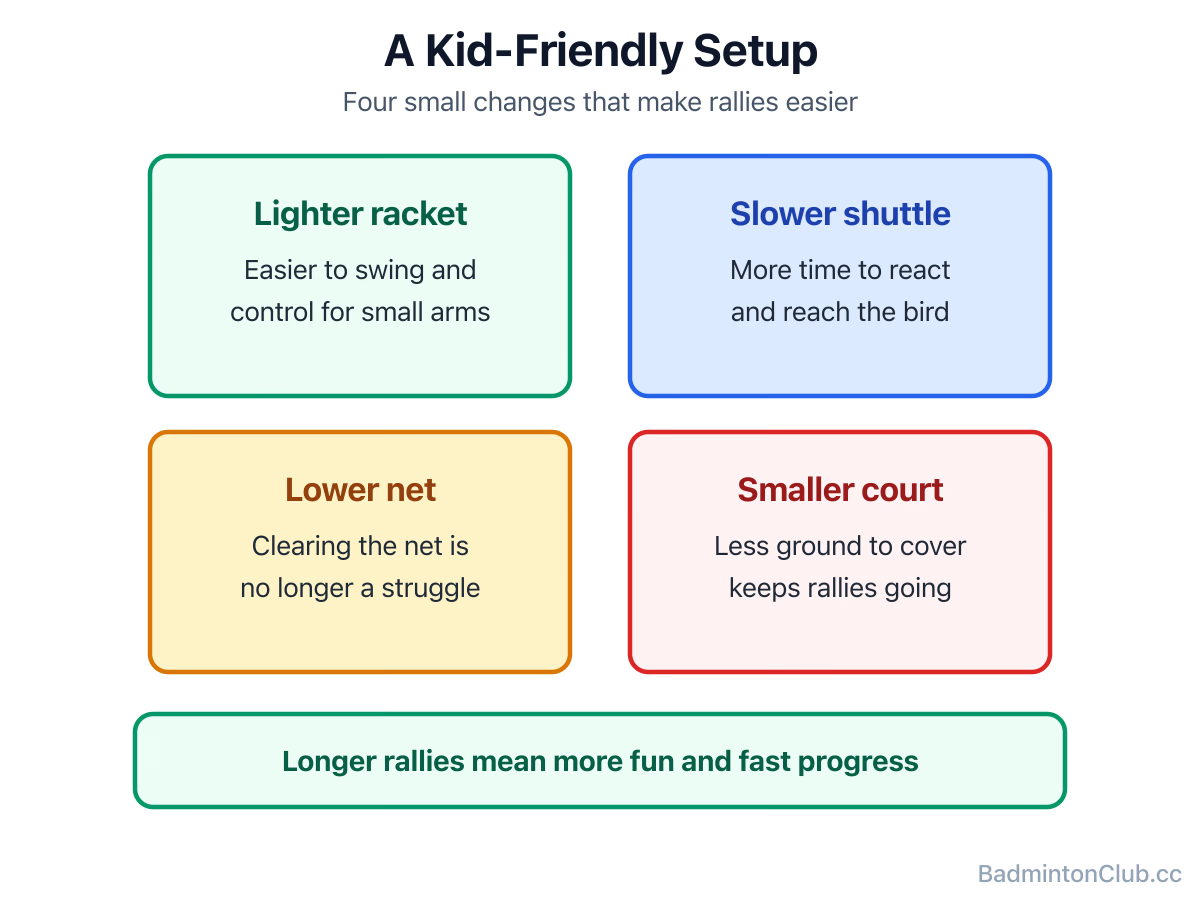
Badminton is one of the best sports for kids — cheap, safe, sociable and playable indoors or in the garden from age five or six. This guide covers the right kid-sized rackets and lighter shuttles, how to set up a lower net and smaller court, simple games that teach skills without feeling like drills, and how to keep it fun so children actually want to come back. Practical, parent-tested advice, not theory.
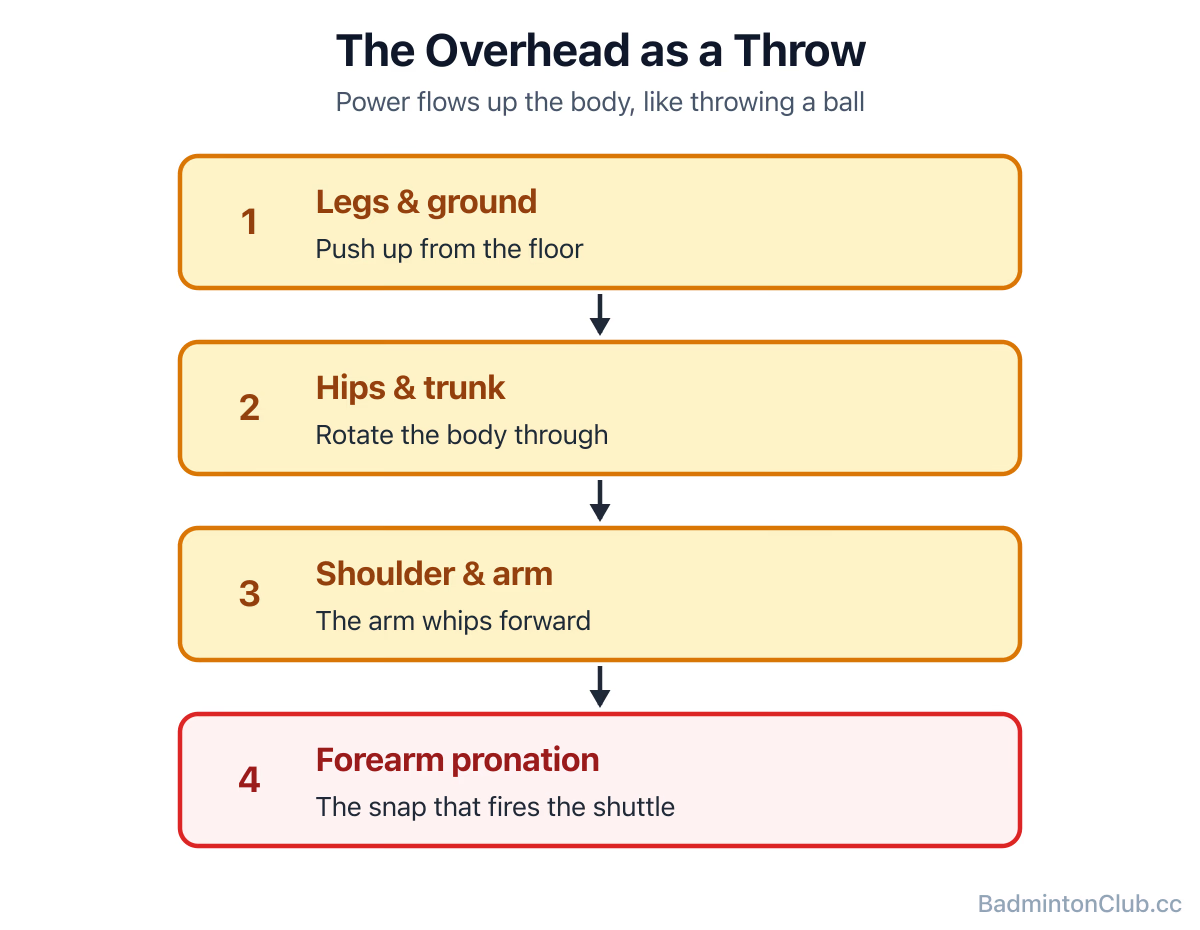
Good badminton swing technique is the difference between effortless power and a tired, weak arm. This guide breaks down the overhead 'throwing' motion, the forearm pronation that actually generates racket-head speed, the role of a relaxed wrist snap, and why beginners who muscle the shuttle with a stiff arm get it exactly backwards. Learn the swing once and your clear, drop and smash all improve together.
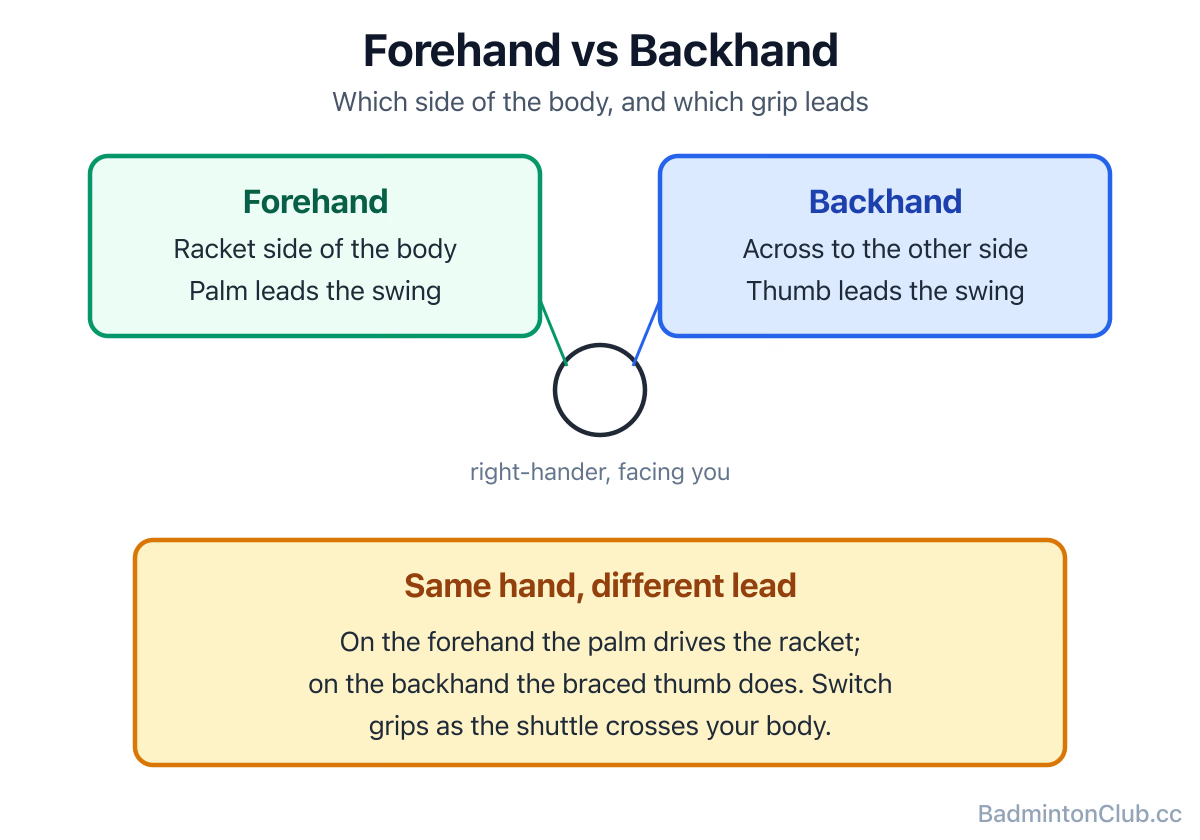
Forehand and backhand are the two sides of every badminton stroke, and most beginners are far stronger on one. This guide explains the difference in grip and technique, when to use each, the round-the-head forehand that lets you avoid a weak backhand, and how to actually improve your backhand instead of hiding it forever — because the players who fix their weak side stop getting picked apart in the back corner.
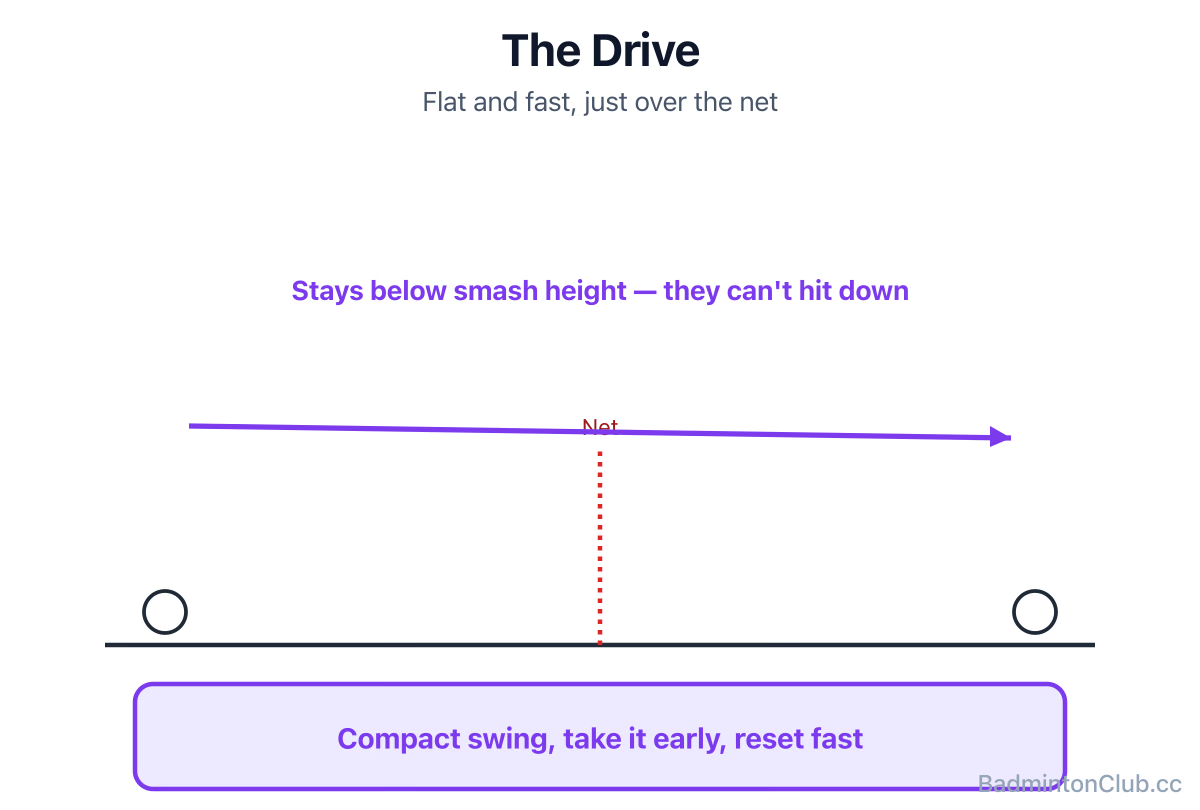
A drive is a flat, fast shot hit roughly parallel to the floor, straight at your opponent or down the sidelines — the engine of doubles midcourt exchanges. This guide covers forehand and backhand drives, the compact swing and relaxed grip that let you hit fast and recover instantly, how to take the shuttle early and flat, and why the drive is the shot that turns doubles from gentle rallying into a fast, attacking battle.
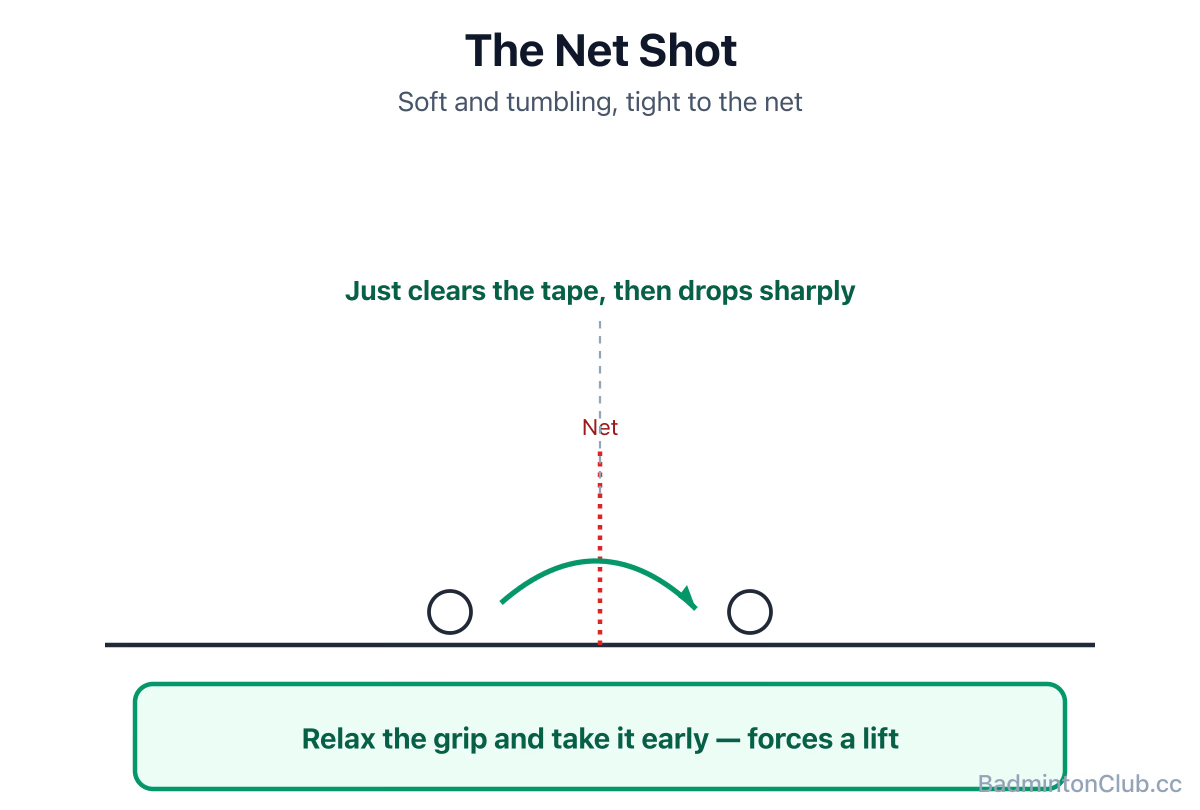
The net shot is a soft, delicate shot played close to the net so the shuttle tumbles just over and drops sharply — and it's where touch beats power. This beginner guide covers the relaxed grip and gentle technique, how to take the shuttle early and high near the net, the difference between a net shot and a net kill, and why winning the net is the secret to controlling rallies that most beginners completely overlook.
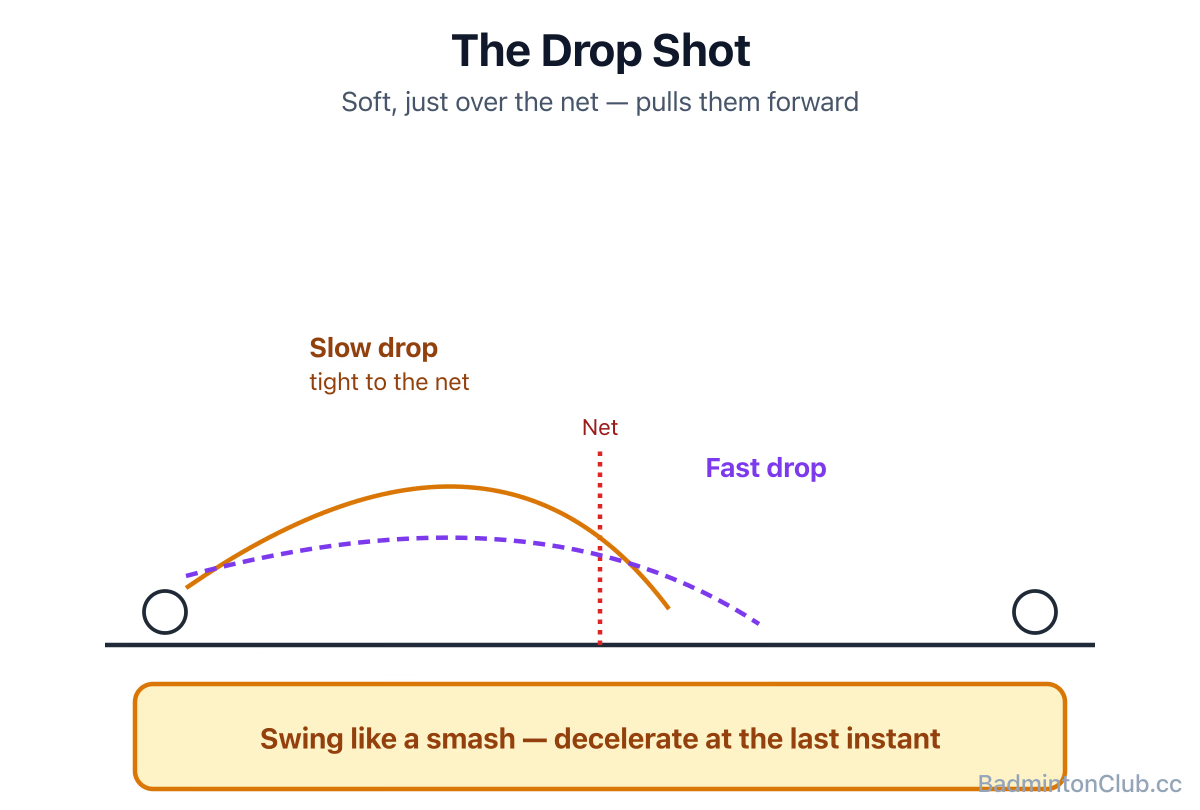
A drop shot is a soft overhead shot that falls just over the net, dragging your opponent forward and opening up the back of their court. This guide explains slow drops versus fast drops, the deception that comes from hitting them with your smash and clear swing, the gentle technique that keeps them tight to the net, and how to use the drop as part of a clear-drop-smash attacking pattern.
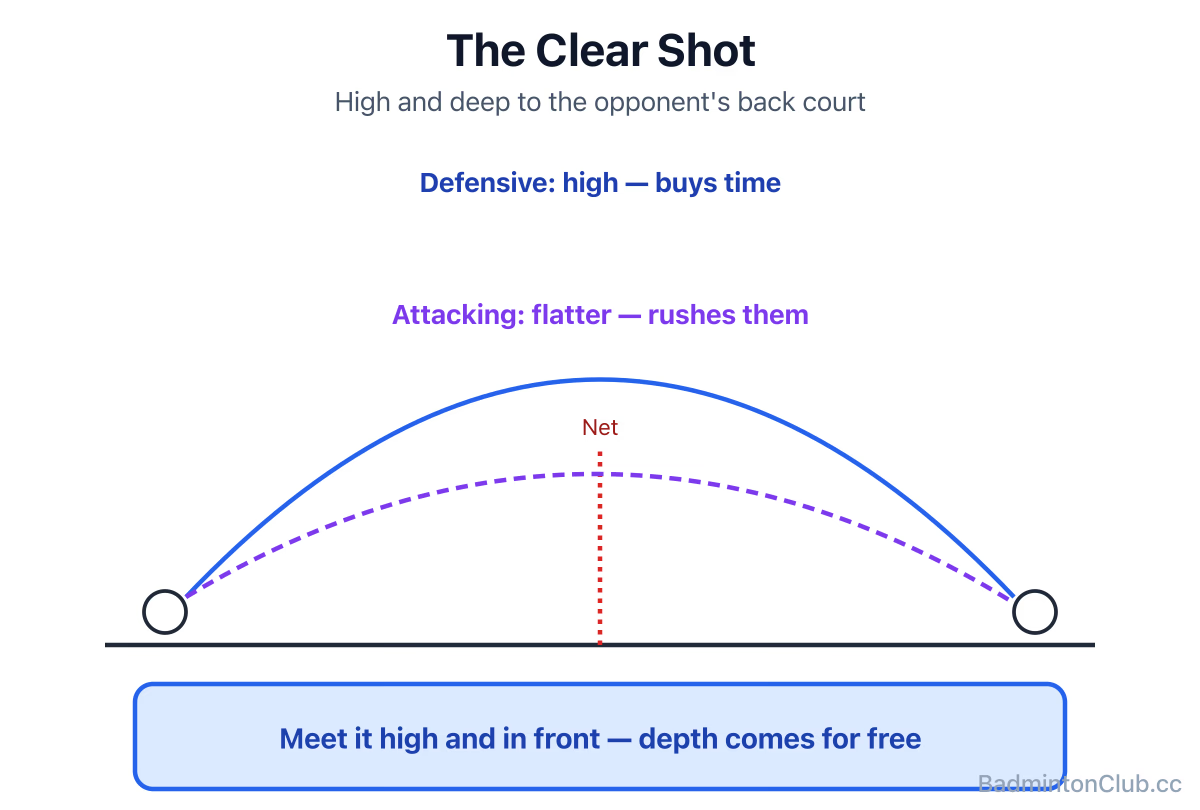
The clear is the first overhead shot every badminton player should master — a high, deep shot to the opponent's back court that resets the rally and buys you time. This guide covers the forehand and backhand clear, the difference between attacking and defensive clears, the forearm-rotation technique that gets depth without muscling it, and the drills to make your clear reliably reach the back line.
Practical badminton tips for beginners that fix the real things holding you back: loosen your grip, recover to the middle, serve low, use your wrist not your arm, and stop swinging at full power. These are the cues that take a new player from flailing to competent in a few weeks — the same short list a coach would give you courtside, with the why behind each one so it sticks.