How to Hold a Badminton Racket: Forehand, Backhand and Grip Mistakes to Avoid
8 June 2026 · Badminton Fans
Hold a badminton racket like you're shaking hands with it: the "V" between your thumb and index finger sits along the narrow edge of the handle, fingers spread slightly, grip relaxed. That's the forehand grip. For backhands, rotate slightly and brace your thumb flat against the back of the handle — the thumb grip. Grip is the foundation of the whole sport; get it wrong and no amount of practice fixes the shots built on top of it.
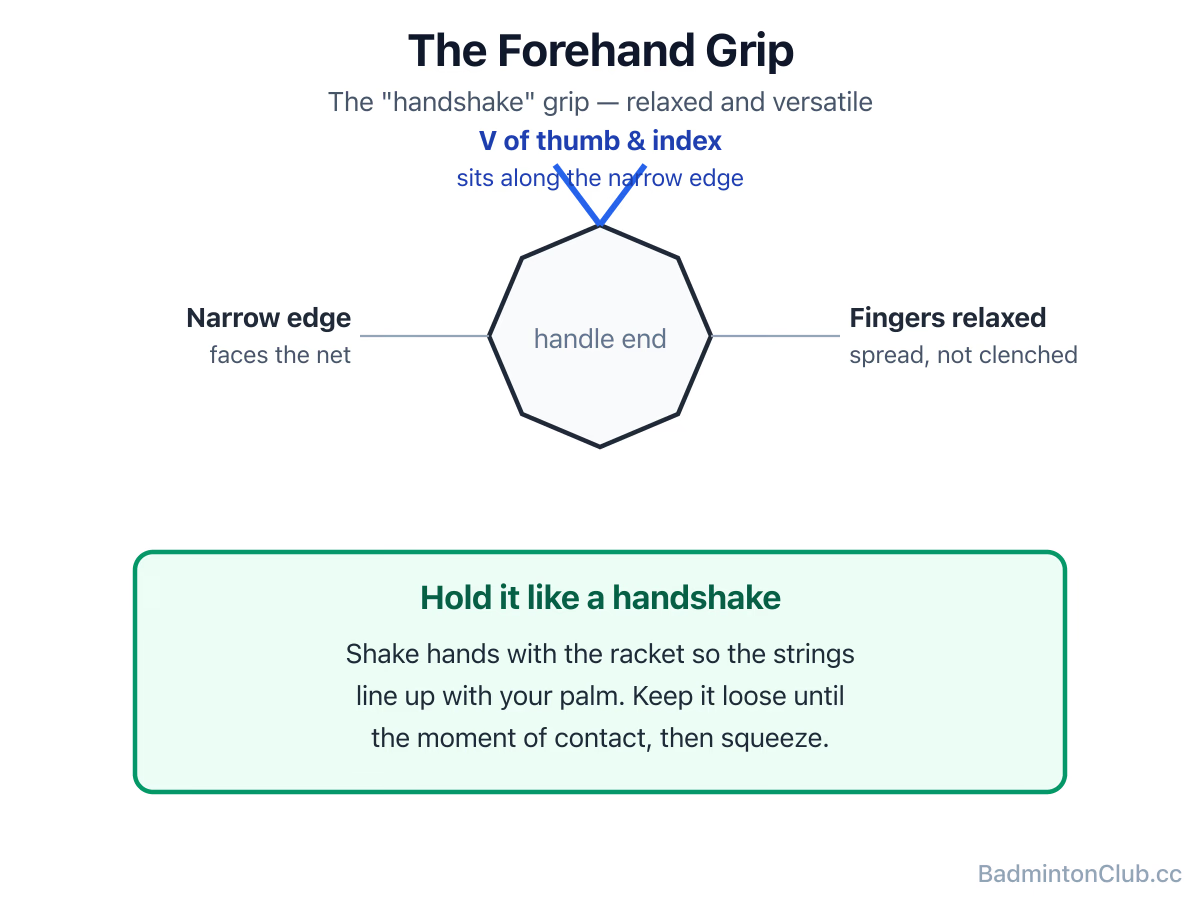
The forehand grip (handshake / V-grip)
Hold the racket out in front, edge-on, and "shake hands" with the handle. The V formed by your thumb and forefinger runs down the top narrow bevel. Your fingers are slightly spread — not bunched in a fist — with a little gap between index and middle finger for control. Grip lightly; you should be able to wiggle the racket. This is your default for almost every forehand shot.
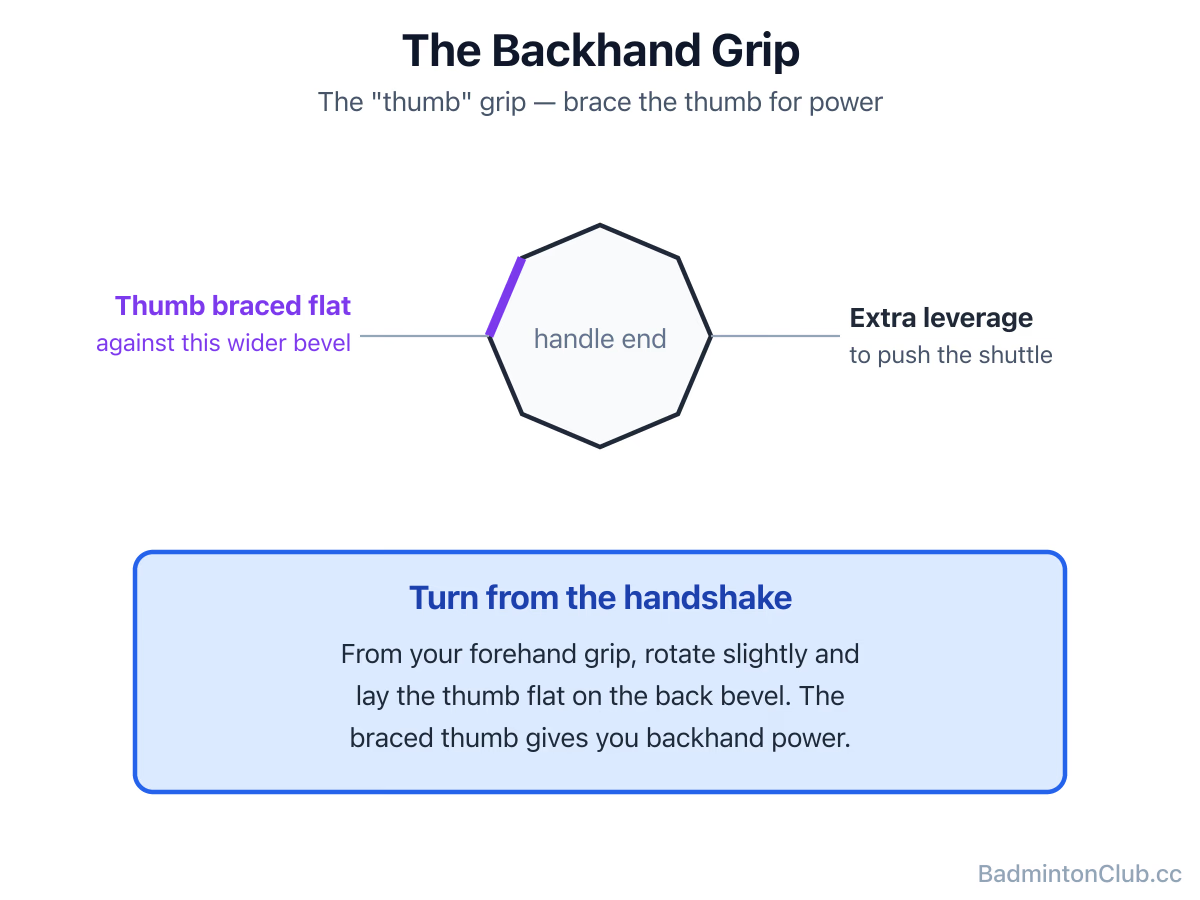
The backhand grip (thumb grip)
For backhand shots, rotate the racket slightly in your hand so your thumb lies flat against the wider back bevel, pressing for leverage. This thumb push is what gives a backhand its power — without it, backhands are weak and wristy. Switching to the thumb grip for backhands and back to the handshake for forehands is a core skill, and it happens fast once it's habit.
Switching grips mid-rally
You change grips constantly, often in a fraction of a second. The trick: loosen your fingers and let the racket rotate in your relaxed hand, nudged by your thumb and fingers, rather than re-gripping with a tight fist each time. This is only possible because your grip is relaxed — another reason a death-grip is so damaging. Practise the forehand-to-backhand switch slowly until your hand does it without thinking.
The grip that's quietly ruining your game
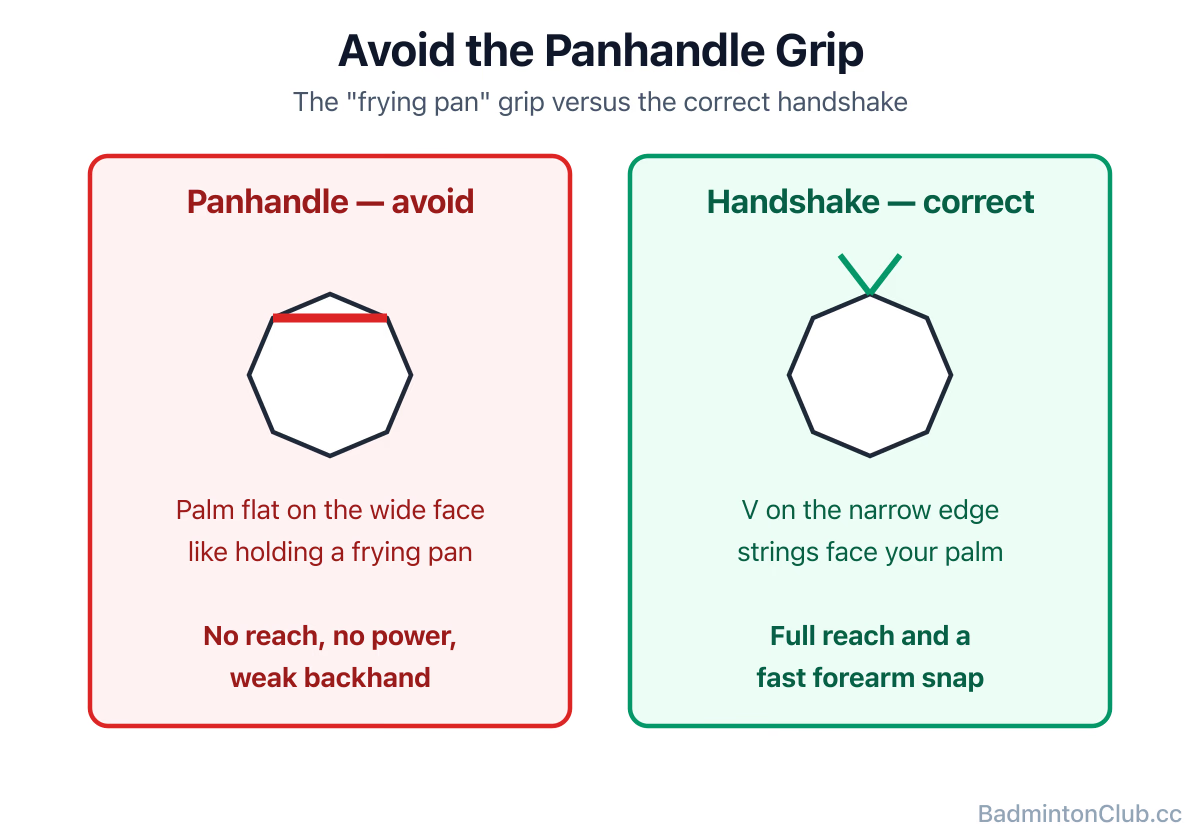
Here's the single most common beginner fault, and it's worth the whole article: the panhandle or "frying pan" grip, where you hold the racket face-on like a frying pan and slap at the shuttle. It feels natural and intuitive — and it's a dead end. It locks your wrist, kills your reach, and makes proper overhead shots impossible. Almost every beginner does it; the ones who improve are the ones who consciously switch to the handshake grip even though it feels weird at first.
My blunt advice: if you fix only one thing this month, fix your grip. A relaxed handshake grip with a thumb-grip switch for backhands unlocks power, reach and wrist health all at once. It feels awkward for about a week, then it feels like cheating. Persist through the awkward week.
Grip pressure: the relaxed-then-snap rule
The right pressure isn't constant. Hold loosely between shots and through most of the swing, then tighten briefly at the instant of contact for power, then relax again. Think of it as a pulse, not a clench. A permanently tight grip is slow, weak and a fast track to a sore forearm. Loose hands are fast hands.
The grip is alive, not fixed
Most guides present the forehand and backhand grips as two static positions you switch between, like changing gears. That's not quite right. In a real rally, your grip moves constantly — micro-adjustments of a millimetre or two as the racket rotates in your relaxed hand, finding the exact angle needed for each shot. The thumb slides slightly higher for a tight net shot, sits lower for a defensive clear, shifts sideways for a backhand drive. The best players don't "switch" grips; they have a continuously adjusting, alive grip that responds to every incoming shuttle. The goal is not to memorise two positions — it's to develop such a relaxed, sensitive hold that your fingers naturally find the right placement without conscious thought. That's why death-gripping is so destructive: a tense hand can't feel these micro-adjustments. Let yourself play with a slightly looser grip than feels safe, and trust that your hand knows where to go. It does, if you let it.
FAQ
- Q: How should you hold a badminton racket? Like a handshake: the V between thumb and index finger along the top narrow edge, fingers slightly spread, grip relaxed. This is the forehand grip and your default.
- Q: What is the difference between a forehand and backhand grip? The forehand (handshake) grip has the V on the narrow edge; the backhand (thumb) grip rotates slightly so your thumb braces flat against the wider bevel for leverage. You switch between them constantly.
- Q: What is the panhandle grip and why is it bad? Holding the racket face-on like a frying pan and slapping at the shuttle. It locks your wrist, kills reach, and makes proper overhead shots impossible — the most common beginner mistake to unlearn.
- Q: How tight should I grip the racket? Loosely most of the time, tightening only briefly at the moment of contact, then relaxing again. A constant tight grip is slow, weak and causes forearm fatigue.
- Q: How do I switch grips quickly during a rally? Keep your fingers relaxed and let the racket rotate in your hand, nudged by thumb and fingers, rather than re-clamping. A loose grip is what makes fast switching possible.
- Q: Does grip really matter that much for beginners? Yes — it's the foundation everything else is built on. A wrong grip caps how good your serves, clears and smashes can ever get, so it's the first thing worth fixing.
How you hold the racket determines almost everything else in badminton — power, control and whether your wrist survives. This guide covers the forehand (handshake) grip, the backhand (thumb) grip, how to switch between them mid-rally, the right grip pressure, and the panhandle 'frying pan' grip that quietly wrecks most beginners' technique. Fix your grip first and every other shot gets easier.