The Badminton Drive Shot: Flat, Fast Hitting for Doubles Midcourt Battles
8 June 2026 · Badminton Fans
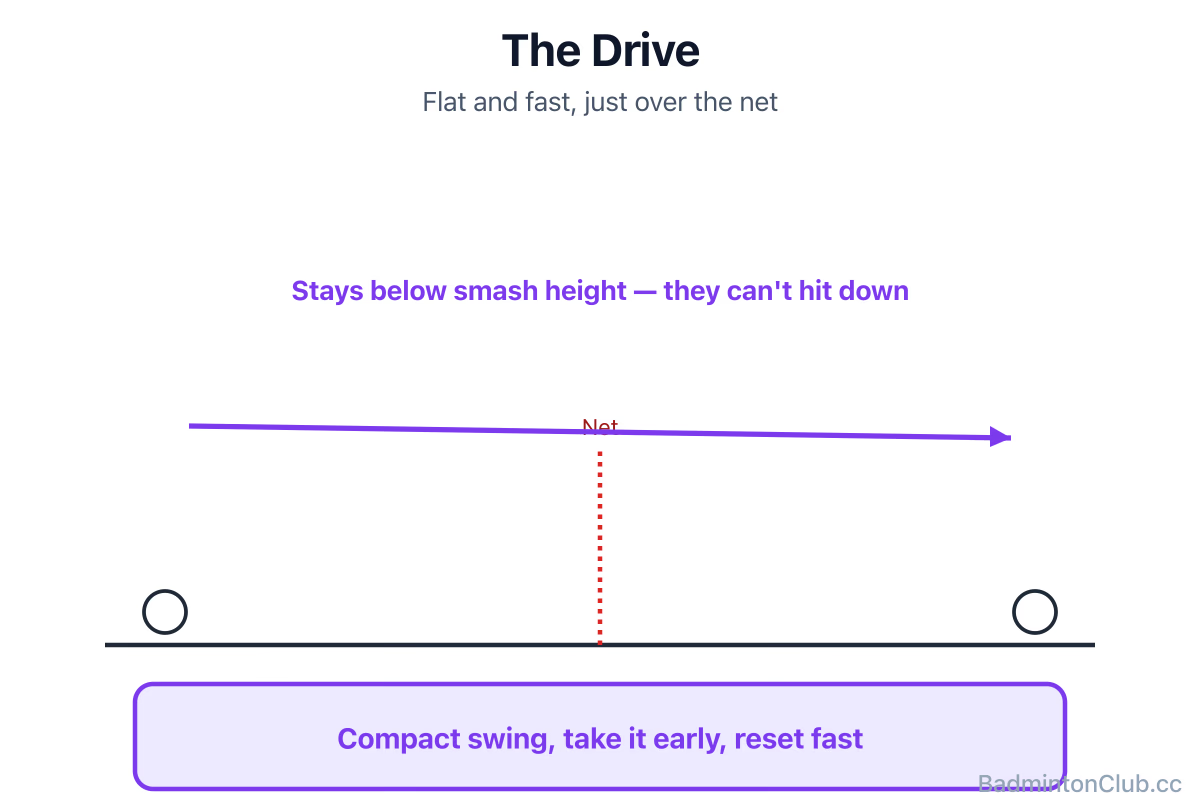
A drive is a flat, fast shot hit roughly horizontally across the net — straight at your opponent or down the sideline — at about net height. It keeps the shuttle low and quick, denying your opponent the chance to hit down, and it's the backbone of fast doubles midcourt exchanges. The keys are a compact swing, a relaxed grip and taking the shuttle early.
What the drive is for
The drive lives in the midcourt, mostly in doubles. When neither side can hit down, players exchange fast flat drives, each trying to force a weak reply that pops up to be killed. A good drive travels flat and fast so the shuttle stays below the level where your opponent could smash it — you're keeping the rally "flat" until someone makes a mistake or gets a chance to lift the attack.
The technique
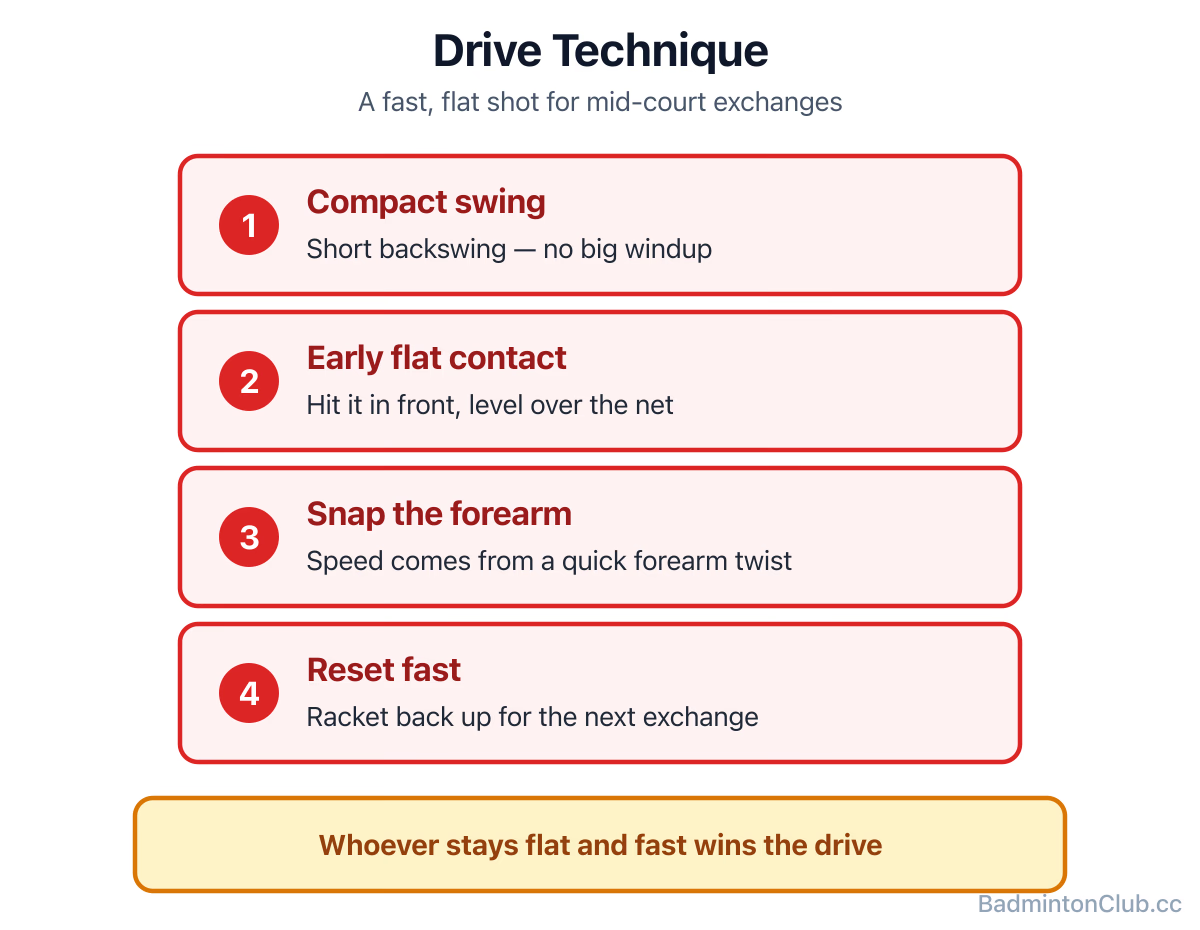
- Use a compact swing — there's no time for a big backswing in a fast exchange.
- Take the shuttle early and out in front, at about net height.
- Keep a relaxed grip and snap through with forearm rotation; let the wrist do the work.
- Hit flat — drive it parallel to the floor, aiming just over the tape.
- Reset your racket up immediately; drives come back fast.
Forehand and backhand drives
You'll need both, because in a fast exchange you can't run around your backhand. The backhand drive uses a thumb grip for leverage and a short, sharp push. The good news: drives are more forgiving than backhand clears, because you're hitting flat and not trying to generate huge depth. Many beginners find their backhand drive becomes reliable long before their backhand clear does.
The mistake that costs you the exchange
Driving is a duel of who hits flatter and earlier, and beginners lose it two ways. First, a big backswing — you wind up, the fast shuttle's already past you, and you're late. Second, hitting the shuttle slightly upward, which lets the opponent take it above net height and drive it down at you. The fix for both is the same: shorten everything and meet the shuttle in front. A punchy, compact drive taken early beats a powerful one taken late every single time. In doubles especially, the player who keeps the rally flat and refuses to lift usually wins it.
A drive drill
Stand at the midcourt with a partner and drive flat to each other, cross-court or straight, trying to keep every shuttle below net-tape height and never lifting. Count your rally length. It builds reaction speed, a compact swing and the discipline to stay flat — the exact skills doubles demands.
The drive is the honesty policy
Here's a truth about drives that applies at every level: the drive exchange reveals who is truly relaxed under pressure. In a fast flat exchange, there is no time to think. Your grip is either loose or it isn't. Your swing is either compact or it isn't. You either meet the shuttle early or you're late. The drive is the ultimate test of whether your technique has become instinctive, because there's zero time to consciously correct anything mid-rally. That's why drive drills are so revealing in coaching: they strip away all the artifice and show exactly where your tension lives. A player who drives well is almost always a player who has genuinely internalised relaxed technique — not just a player who knows they should be relaxed. If you find yourself losing every flat exchange, don't drill drives; drill staying relaxed under pressure. Do a rally where your only goal is to keep the grip loose and the swing short, and ignore where the shuttle goes. The consistency follows from the calm.
FAQ
- Q: What is a drive shot in badminton? A flat, fast shot hit roughly parallel to the floor at about net height, used mainly in doubles midcourt exchanges to keep the shuttle low and deny the opponent a chance to hit down.
- Q: How do you hit a drive in badminton? Use a compact swing, take the shuttle early and in front at net height, keep a relaxed grip, and snap flat with forearm rotation. Reset immediately because drives come back fast.
- Q: When do you use a drive shot? In fast flat exchanges, mostly in doubles, when neither side can hit downward. The drive keeps the rally flat until someone forces a weak, liftable reply.
- Q: What grip do I use for a backhand drive? A thumb grip, with the thumb braced flat against the wider bevel for leverage, and a short sharp push. See the grip guide for how to switch quickly.
- Q: Why do I keep losing fast drive exchanges? Usually a backswing that's too big or contact that's too late, so the quick shuttle beats you. Shorten the swing, take it earlier and in front, and keep it flat.
- Q: Is the drive more of a singles or doubles shot? Mostly doubles, where fast flat midcourt battles are common. It appears in singles too but far less often than the clear, drop and smash.
A drive is a flat, fast shot hit roughly parallel to the floor, straight at your opponent or down the sidelines — the engine of doubles midcourt exchanges. This guide covers forehand and backhand drives, the compact swing and relaxed grip that let you hit fast and recover instantly, how to take the shuttle early and flat, and why the drive is the shot that turns doubles from gentle rallying into a fast, attacking battle.