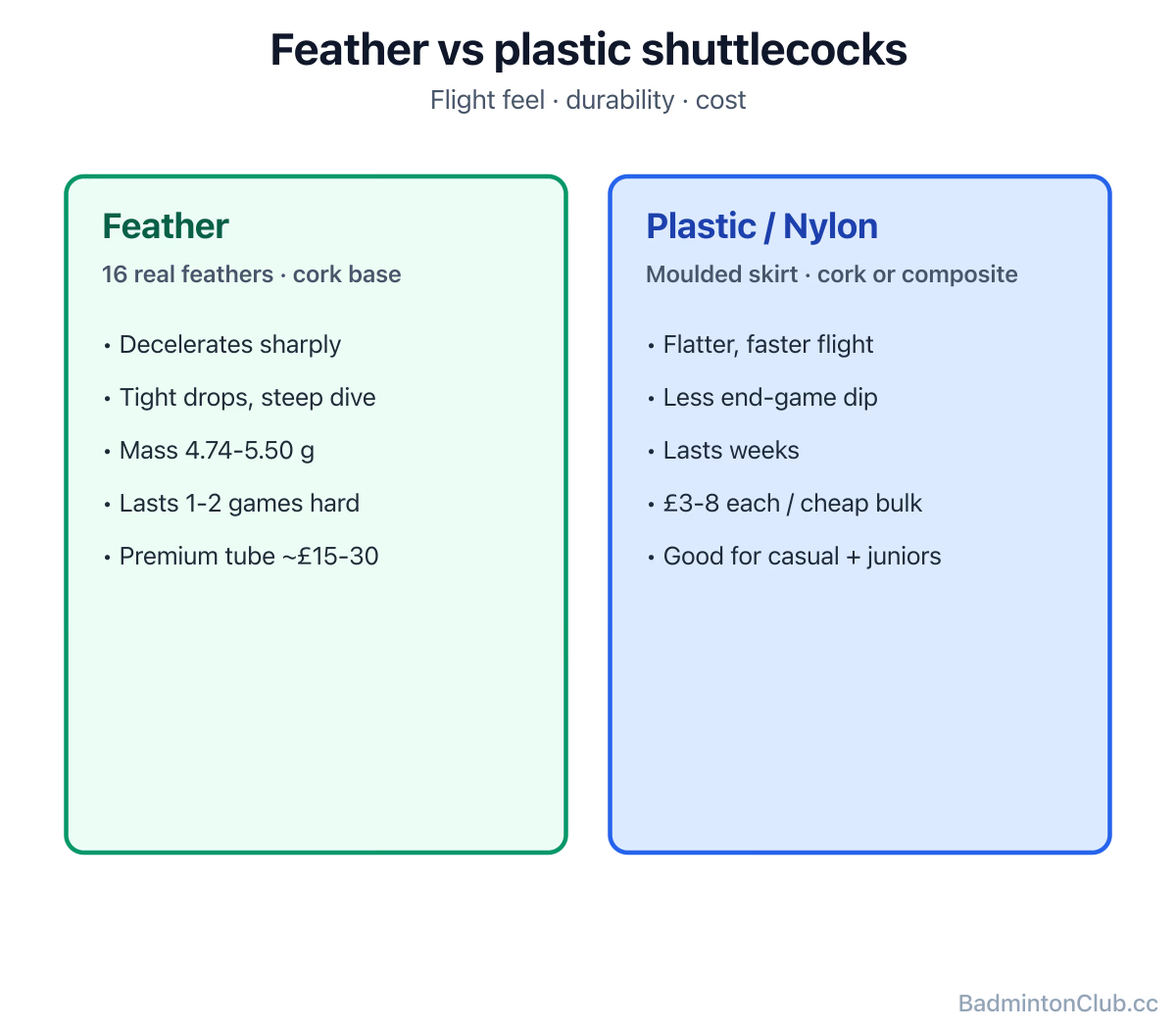
Shuttlecocks explained — feather vs plastic, the verified BWF specs (16 feathers, 4.74–5.50 g, 62–70 mm), and how to choose between speeds 76 (hot or altitude halls), 77 (standard sea-level) and 78 (cold halls). Includes the high-serve test from the back boundary line to dial in shuttle speed on the day, when plastic is fine, and the 2–3 lbs string-tension drop that comes with plastic. The article most people search after their first 'why does the shuttle feel different here?' moment.
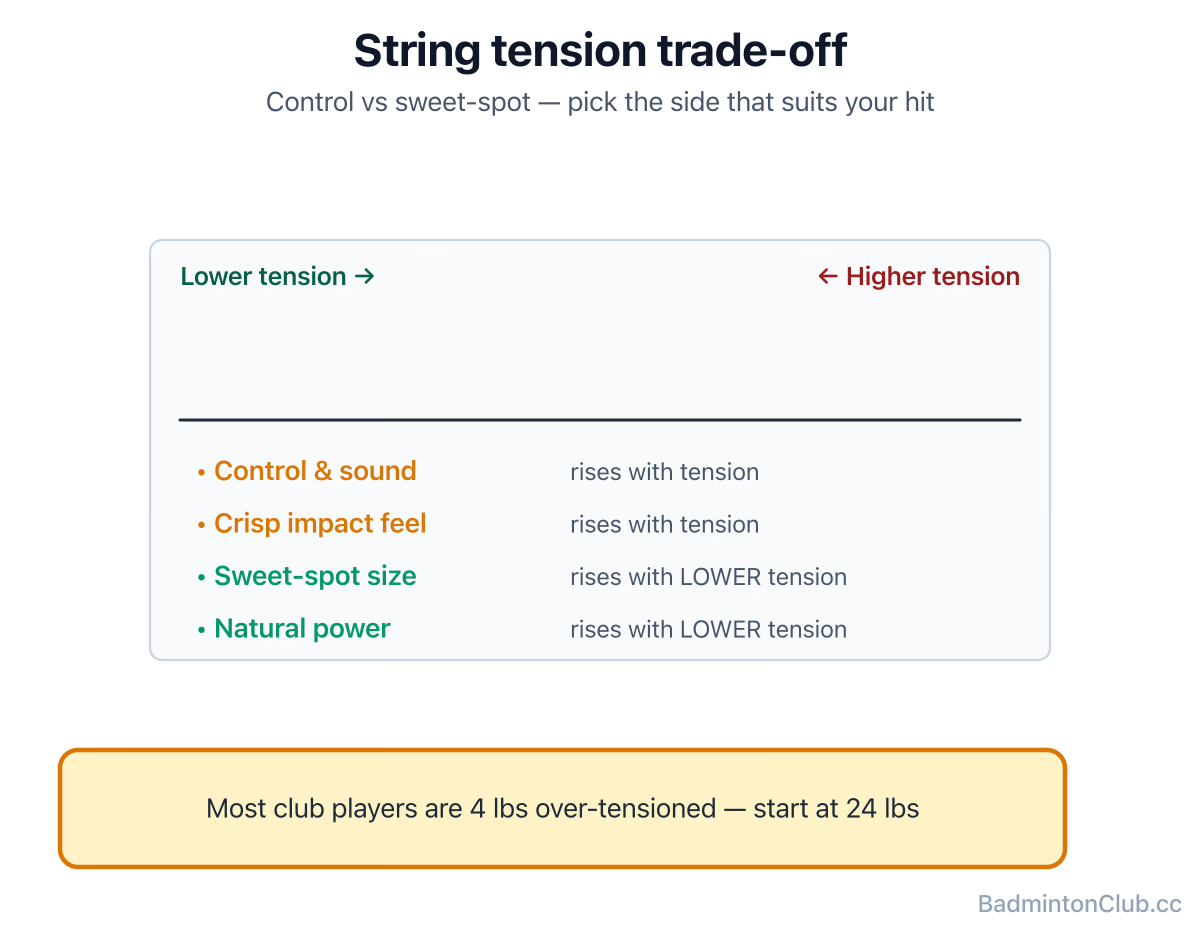
Badminton string tension by level — 17–22 lbs for beginners, 22–26 lbs for intermediates, 26–30 lbs for advanced — plus what BG65, BG80 and the Yonex BG-string family actually feel like in the hand. Covers the control-vs-sweet-spot trade-off, the manufacturer-max ceiling that protects the frame, the plastic-shuttle 2–3 lbs adjustment, and the honest answer to 'should I restring?' Most club players are 4 lbs over-tensioned.
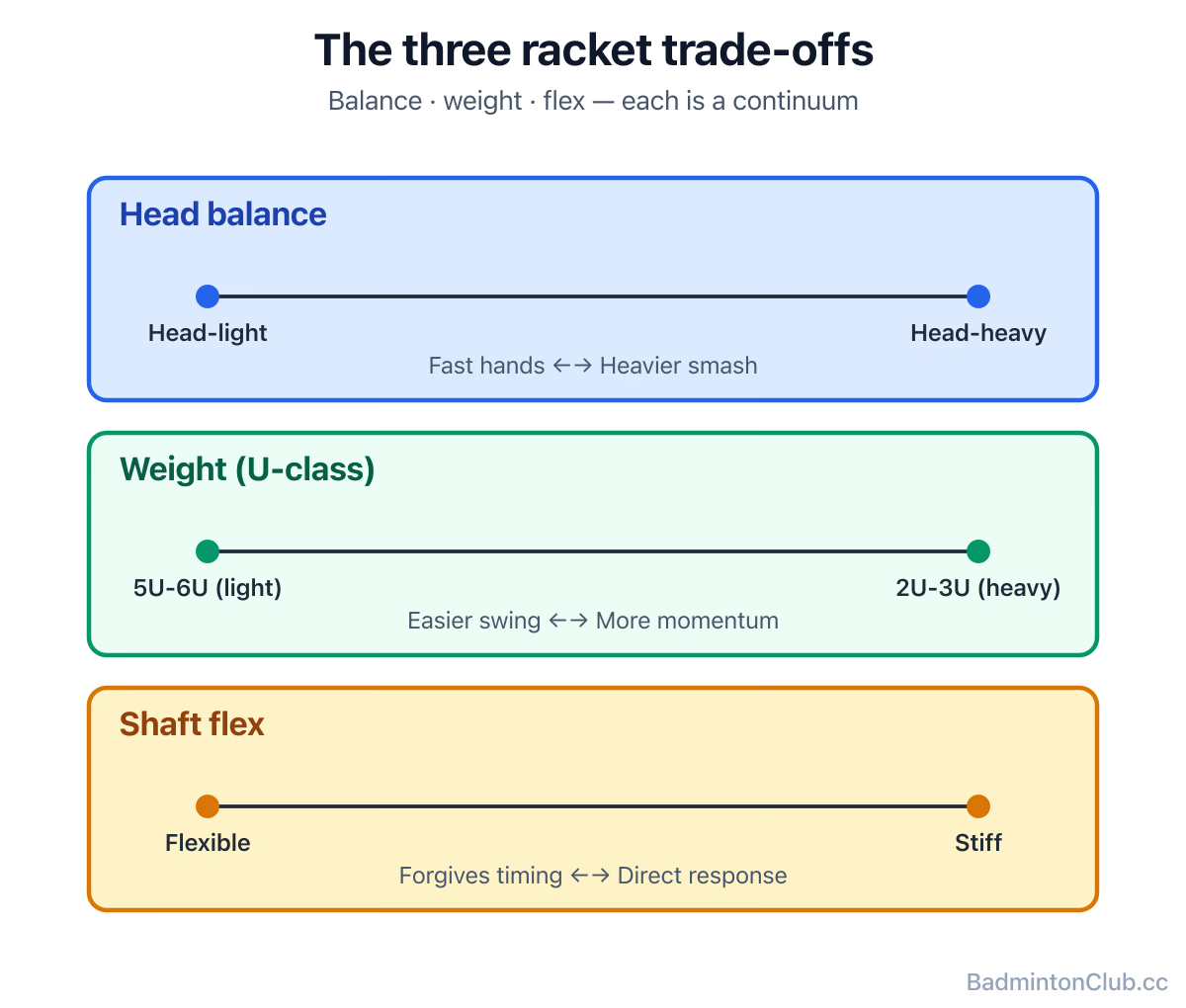
A badminton racket buying guide for club players — explaining the three trade-offs that actually matter: head balance (head-heavy vs head-light vs even), weight class (2U through 6U, with 3U for singles attackers and 4U as the doubles default), and shaft flex (flexible for beginners, stiff only for fast swingers). With a simple buyer's framework matched to playing style, and the frank reason most club players are better off one notch lighter and more flexible than they think.
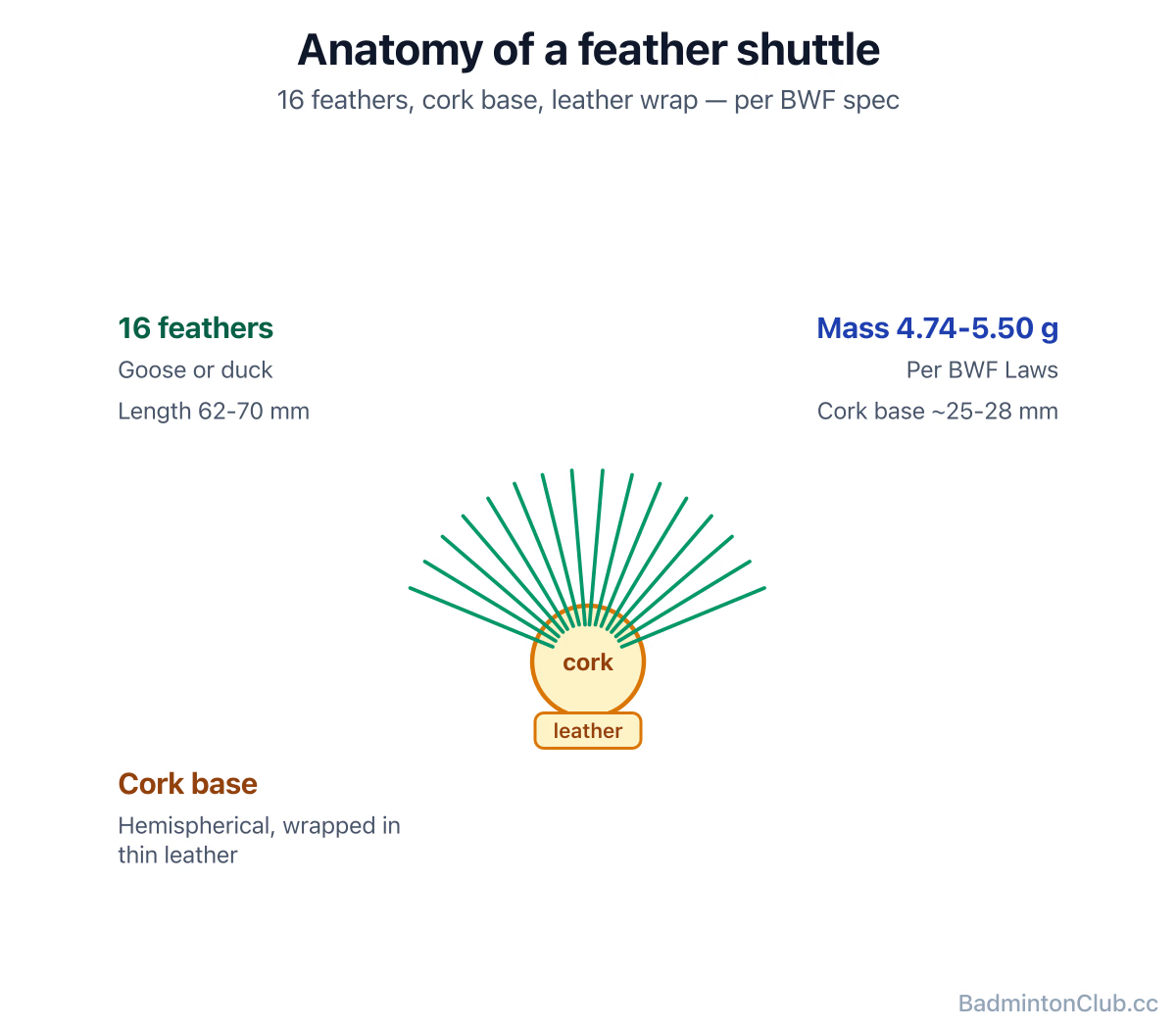
Why a shuttlecock is called a birdie — because traditional feather shuttles are made from real goose or duck feathers, 16 of them by BWF rule, fixed into a cork base about 25–28 mm wide. The name 'shuttle' comes from the Old English weaving tool; 'cock' from the feathered tail-like shape. The casual American nickname 'birdie' stuck because the projectile is literally a small bird-feather assembly. Verified specs included, plus the manual feather-tying that still happens by hand.
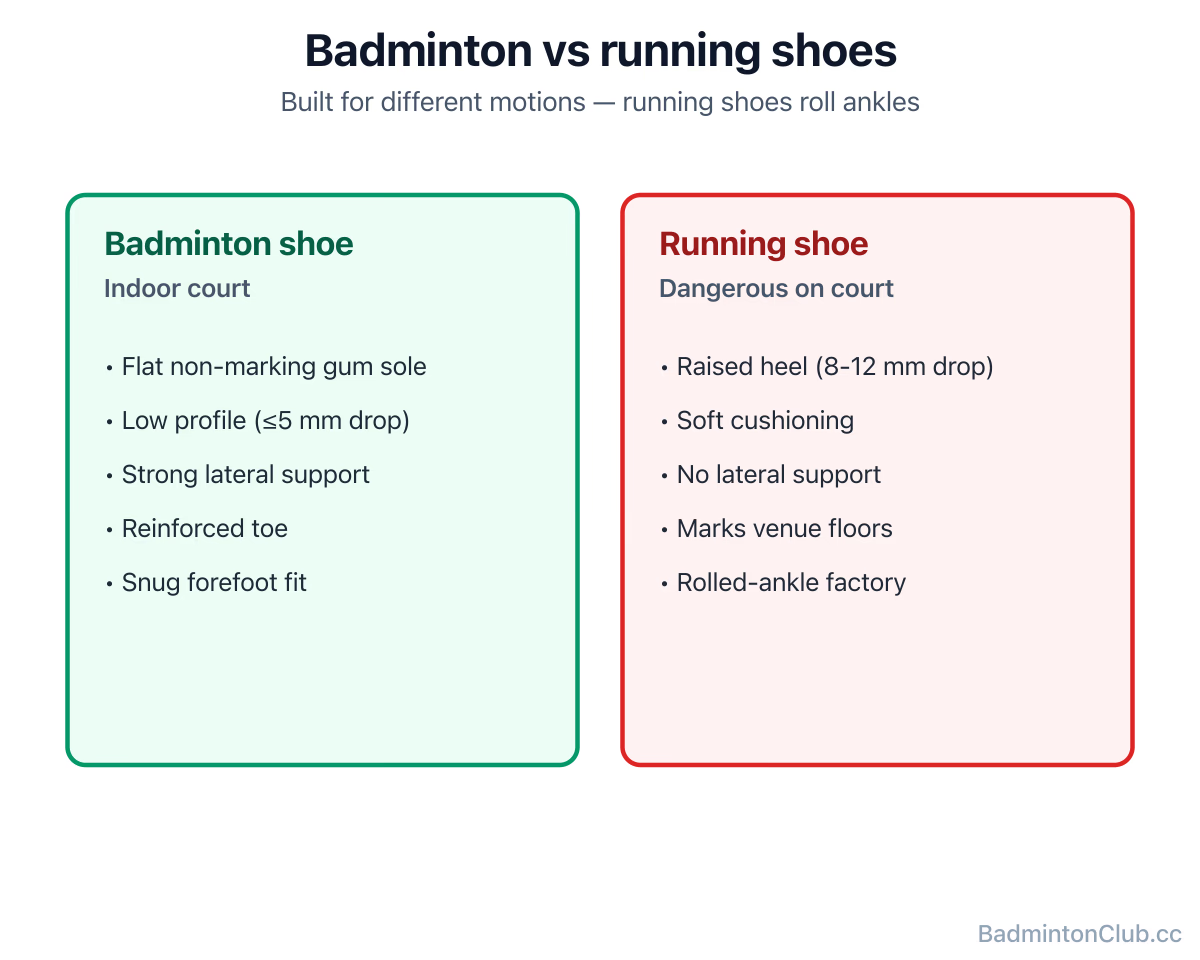
Why badminton needs dedicated non-marking indoor court shoes — flat gum-rubber sole that grips and doesn't scuff venue floors, low profile for stability on lateral lunges, and reinforced sides for the sport's stop-start motion. Running shoes are dangerous on court because of raised heels and soft cushioning that roll ankles. Includes a buyer's checklist, how often to replace (sole-wear-driven), and the £40–60 price point that's perfectly fine. The cheapest injury insurance in the sport.
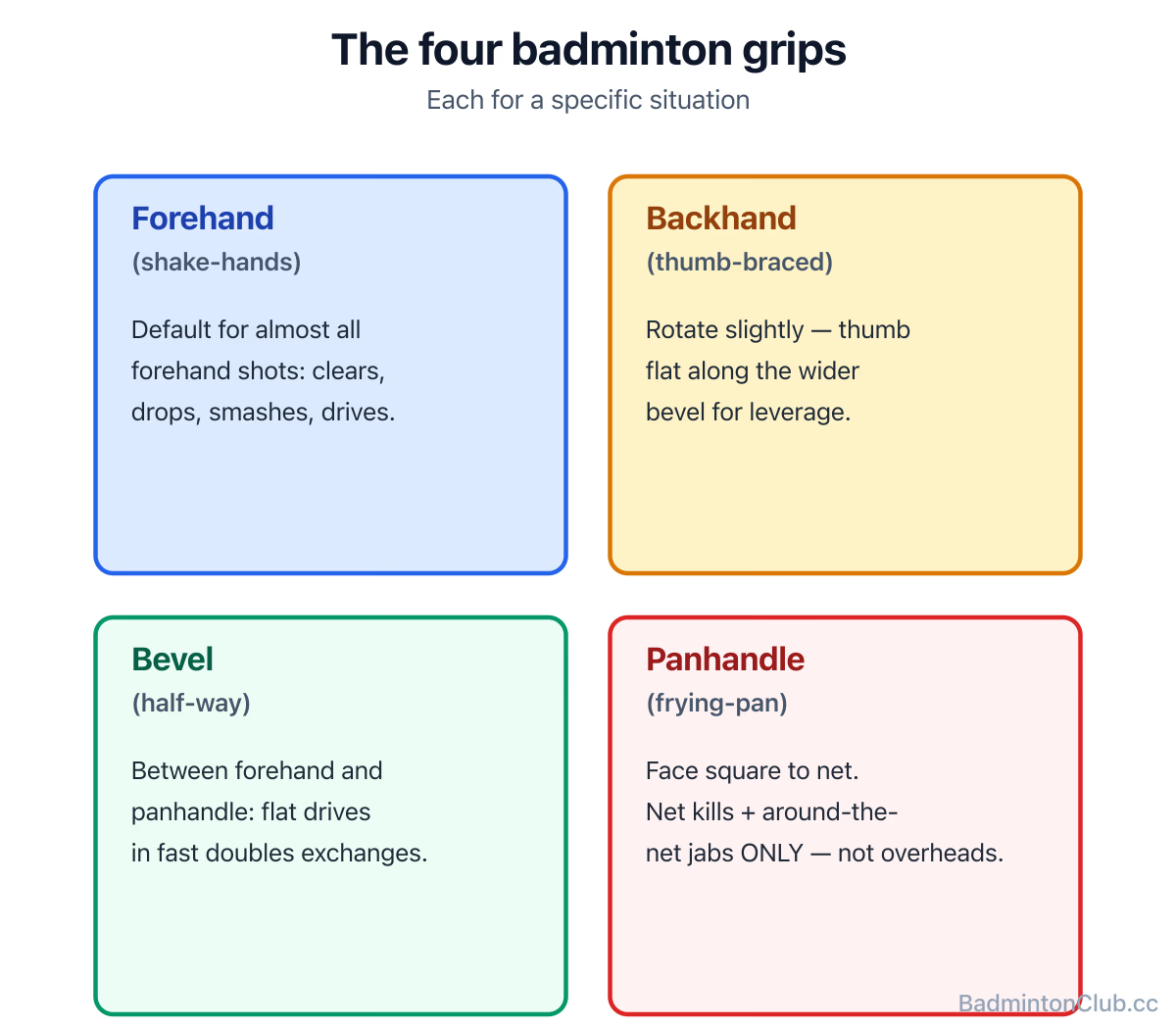
How to hold a badminton racket properly — the four grips every club player should know and when to switch between them. Default forehand (shake-hands) for forehand shots, thumb-braced backhand for backhand clear/serve/smash, panhandle (frying-pan) only situationally for net kills, and the in-between bevel grip for flat drives. The single most common error in any club hall is the player who never changes grip — five minutes of shadow grip-changes a session fixes most backhands.
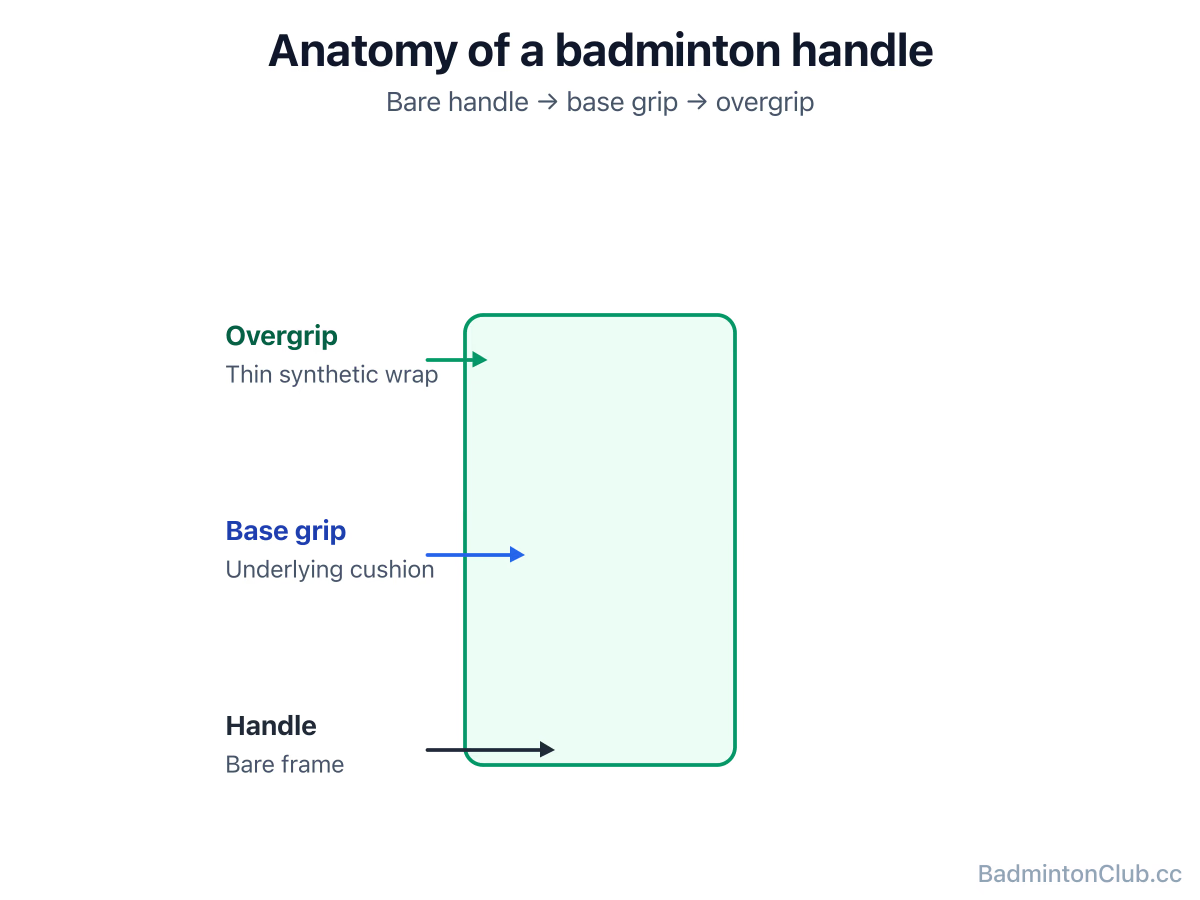
Badminton grip wraps compared — towel grip (absorbent, soft, thick, replaced often, the answer for sweaty hands), rubber/PU overgrip (slim, uniform, durable, less absorbent), and the four-step sweaty-hand fix from towel plus chalk down to perforated overgrips. Plus how grip thickness affects wrist snap, when to use one wrap vs two, and the loose-to-tight principle that matters more than any wrap choice. A short, opinionated guide for the player whose racket keeps slipping mid-rally.
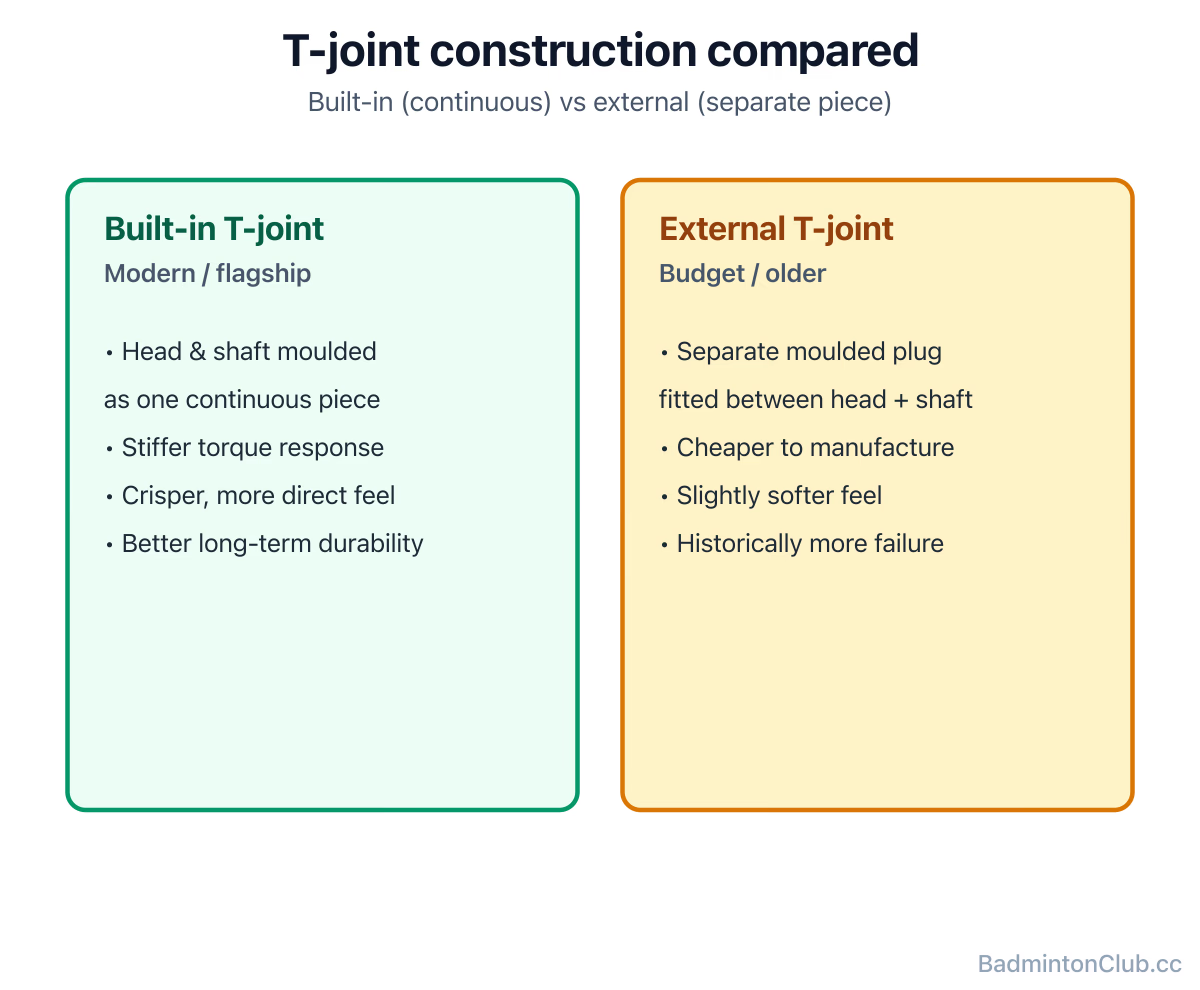
The badminton racket T-joint — the throat piece where shaft meets head — and the difference between modern built-in (moulded continuous) and older external (separate piece) construction. Built-in T-joints give stiffer torque, crisper feel and better durability; external joints are cheaper and slightly softer, with a small history of joint failure on abused frames. Honest take: T-joint type is a tie-breaker between similar rackets, not a headline spec.
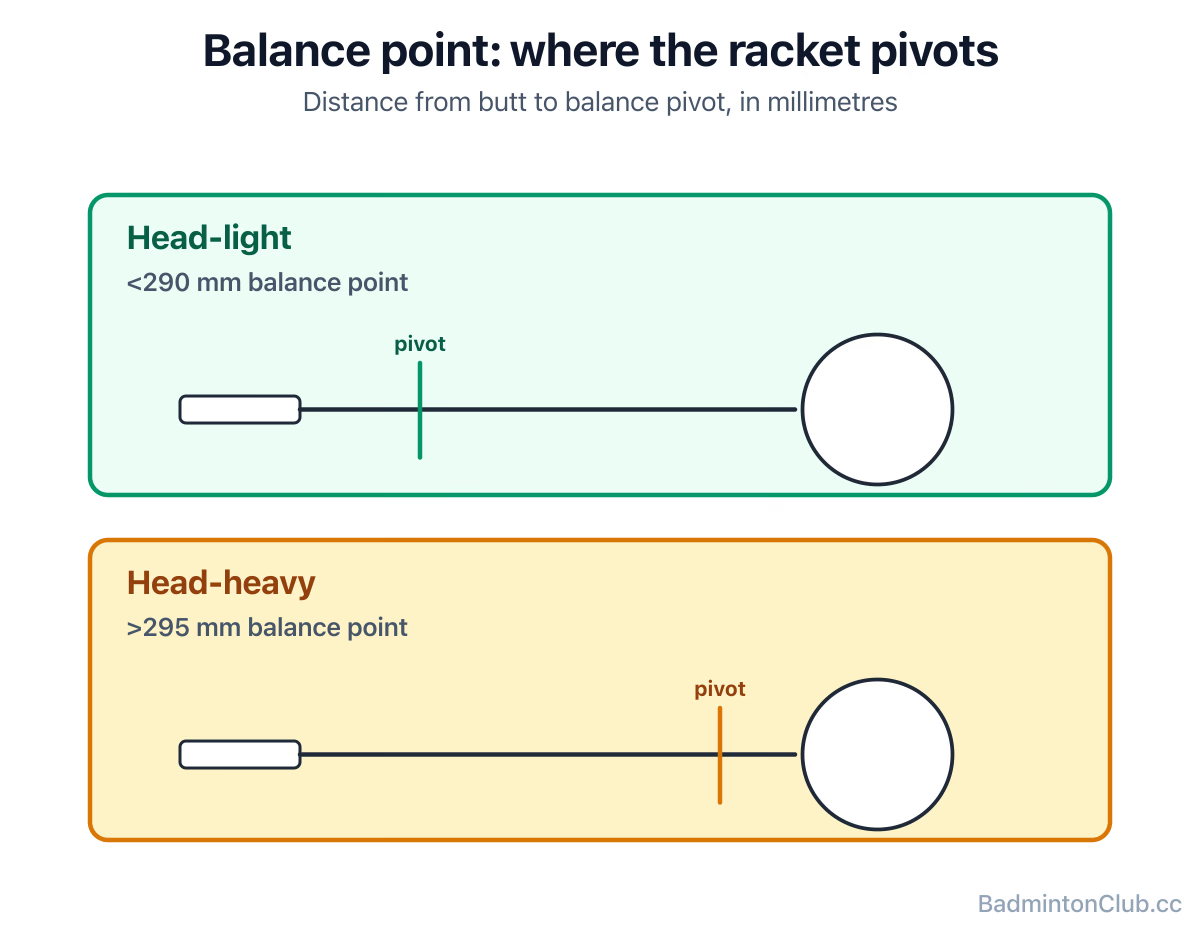
Badminton racket balance point in millimetres — under 290 mm is head-light, 290–295 mm even, above 295 mm head-heavy — and how to fine-tune balance with small (1–3 g) strips of lead tape at the racket head or under the handle wrap. Covers the standard 2/10, 3/9 and 12 o'clock placements, the 4–5 g total ceiling, and the honest caution that lead tape is a fine-tuning tool, not a fix for the wrong racket. A useful skill for players who love their frame but want a tweak.