Badminton Shoes: Why Non-Marking Court Shoes Matter (and How to Pick a Pair)
7 June 2026 · Badminton Fans
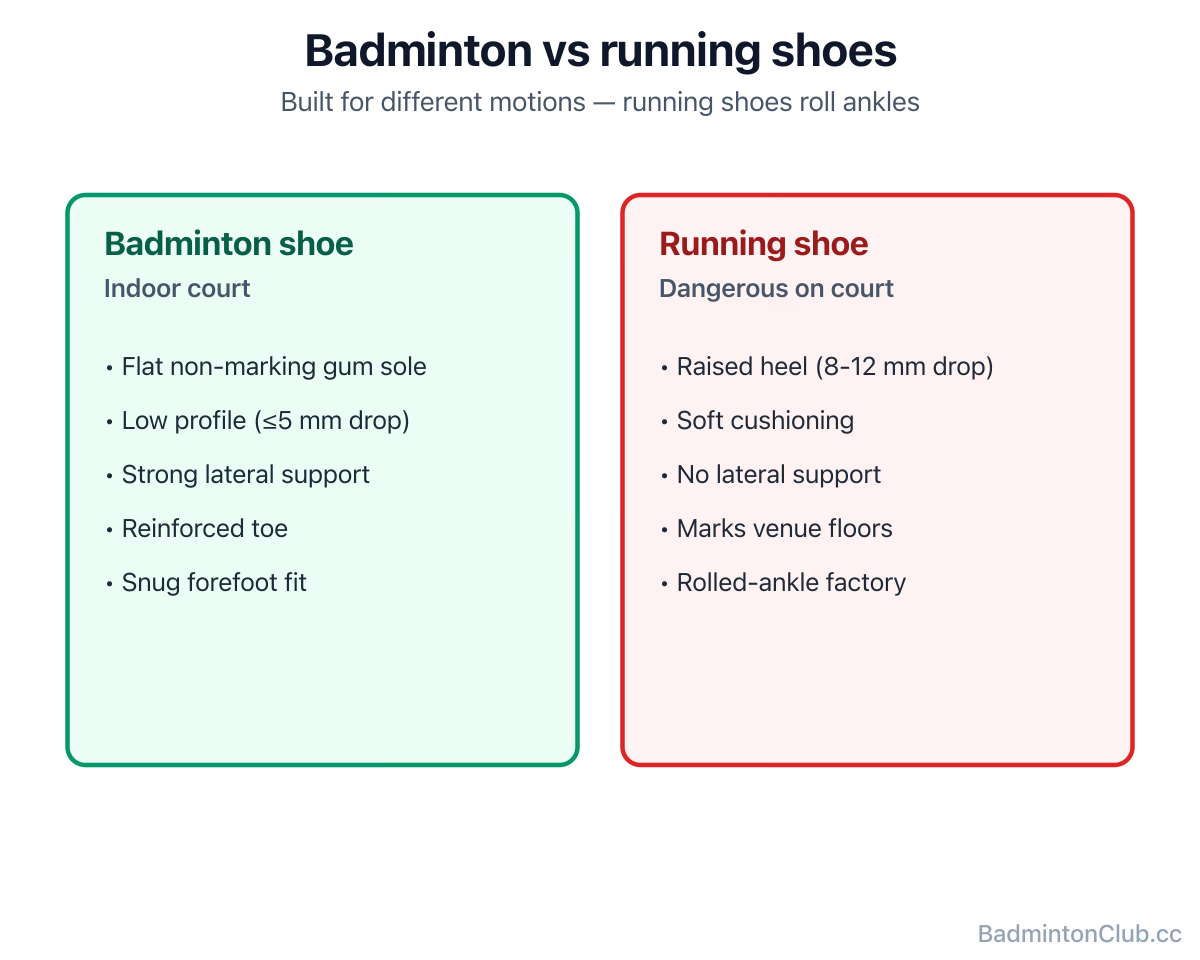
Badminton shoes are specialist indoor court shoes with a flat non-marking gum-rubber sole (so they grip wooden and synthetic courts without leaving scuffs), strong lateral support for sudden side-to-side lunges, low-profile cushioning so you stay close to the ground, and a snug forefoot fit for fast direction changes. Running shoes are dangerous on court — they're built for forward motion and roll your ankle on a lateral push. Wearing dedicated badminton or general "indoor court" shoes is non-negotiable for anything more than casual social play. They're cheaper than a sprained ankle, every time.
Why non-marking?
Non-marking means the sole is made of a gum rubber that grips the floor without leaving black scuff marks. Most badminton venues — school halls, leisure centres, dedicated badminton clubs — insist on non-marking soles because regular shoes mark the sprung wooden or synthetic surfaces and damage them over time. You'll often see signs at the door; many clubs will turn you away if your shoes mark.
How to check: look at the printing on the sole or the box — it usually says "non-marking" explicitly. If unsure, drag the sole hard across a piece of paper; if it leaves a black streak, it's marking. Most outdoor running and training shoes mark; most dedicated indoor court / squash / badminton / volleyball shoes don't.
Why running shoes are dangerous on court
Beyond marking, running shoes are built wrong for badminton:
- Raised heel (often 8–12 mm "drop") sits you up off the floor — on a hard lateral lunge, that height makes the foot more likely to roll over the side of the sole, leading to sprained ankles. Badminton shoes have a low, flat profile (usually 5 mm or less of drop) to keep you stable.
- Cushioned and soft — designed for forward heel-strike running, the soft cushioning compresses and twists on a lateral push.
- No lateral support — running uppers are designed for breathability and forward propulsion, not the side-to-side stress of a court sport.
Wearing running shoes for badminton is one of the most reliable ways to roll an ankle. It's not a maybe — it's a matter of time.
What to look for in a badminton shoe
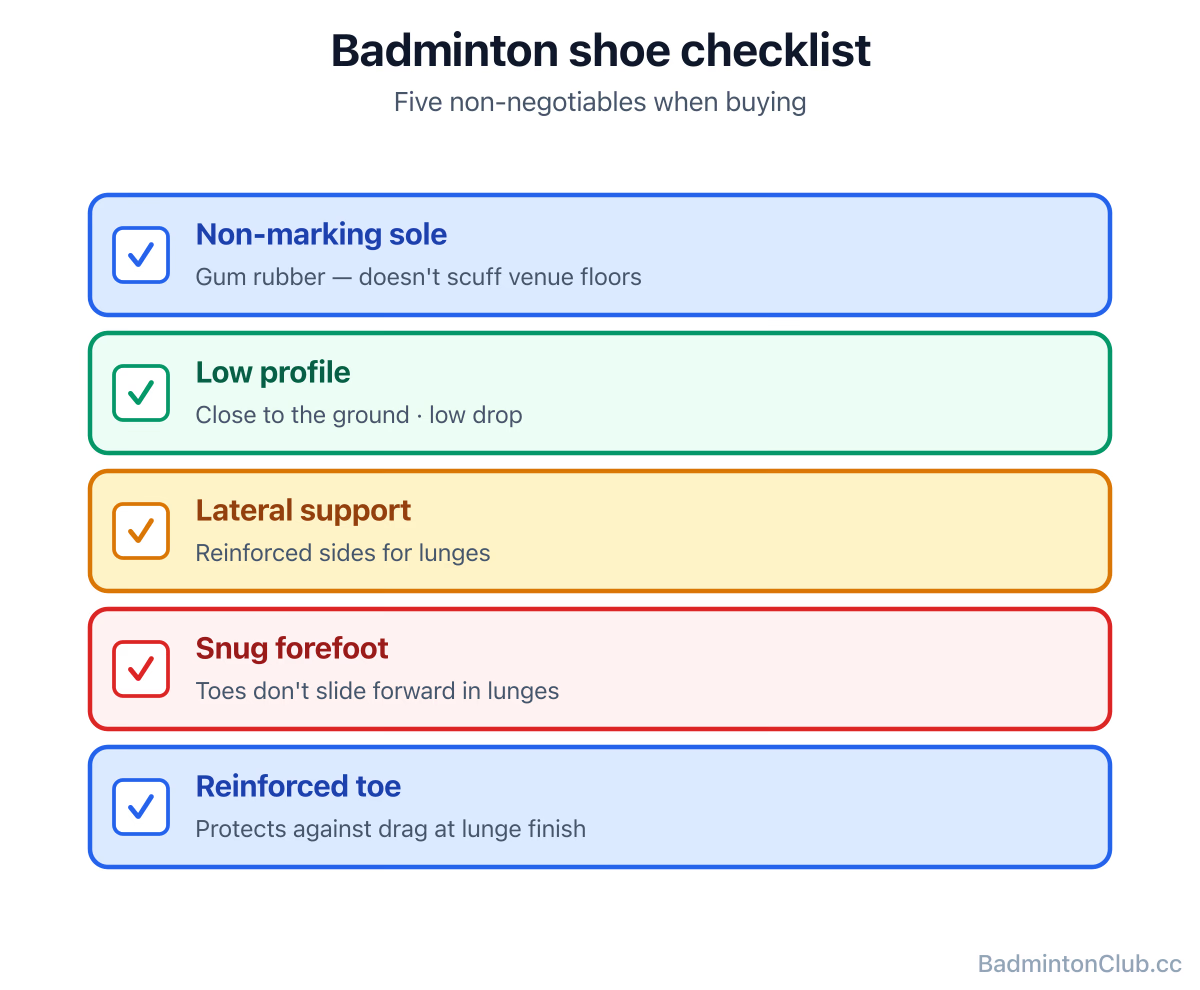
- Non-marking gum-rubber sole — the basic requirement.
- Low profile — close to the ground, low drop.
- Strong lateral support — reinforced panels at the sides for lunges.
- Snug forefoot fit — your toes shouldn't slide forward when you lunge; if they do, the shoe is too big or too narrow at the toes.
- Reinforced toe — protects against drag when you finish a lunge.
- Reasonable cushioning — enough to absorb landings without sitting you up high.
Squash and volleyball shoes share most of these properties and can stand in for badminton shoes in a pinch. Avoid generic "trainers" or running shoes.
How long do badminton shoes last?
Sole wear, not upper wear, decides the lifespan. The forefoot and the outside edge of the sole (where you push off lunges) wear fastest. Once the tread is visibly flat or smooth, replace the shoe — worn soles slip and that's the moment ankles roll. Heavy players might wear a pair out in 3–6 months; casual once-a-week players can get a year or more.
What this looks like on a club night
The "I'll just wear my trainers" player turning up to a club night is so common that most coaches stop asking. Many of them roll an ankle within their first month of regular play. A blunt opinion: there is no excuse for wearing running shoes to play badminton — a basic non-marking indoor shoe costs less than a single physio visit (read the ankle section of Common Badminton Injuries (separate guide) for what that physio visit looks like otherwise), and the difference in stability is instantly noticeable. You don't need the £150 flagship; a £40–60 indoor court shoe from a reputable brand is fine for almost everyone. The luxury choice would be saving the ankles. Most clubs that take the sport seriously already enforce "non-marking soles only" at the venue, and tools like BadmintonClub.cc make that rule a one-line entry on the booking page — saves a difficult conversation at the door.
FAQ
- Q: Do I need special non-marking shoes for badminton? Yes — for safety (lateral support and a low, flat profile that prevents rolled ankles) and because most venues require non-marking gum-rubber soles to protect their floors.
- Q: What's the difference between badminton shoes and running shoes? Badminton shoes have a flat non-marking sole, low profile, strong lateral support and snug forefoot fit for sudden side-to-side movement; running shoes have a raised heel and soft cushioning built for forward motion, both of which roll ankles on lateral pushes.
- Q: Can I wear squash or volleyball shoes for badminton? Yes in a pinch — they share most of the key properties (non-marking sole, lateral support, low profile) and stand in well, though dedicated badminton shoes fit the sport's movements best.
- Q: How do I know if shoes are non-marking? Check the box or sole label — it usually says "non-marking" explicitly. As a quick test, drag the sole hard across paper; if it leaves a black streak, it's marking.
- Q: How often should I replace badminton shoes? When the sole is visibly worn or smooth (especially on the outside edge of the forefoot, where you push off lunges) — worn soles slip and risk ankles. Most regular players replace every 6–12 months.
- Q: Do expensive badminton shoes really matter? Not at club level — a solid £40–60 indoor court shoe from a reputable brand gives most players everything they need. Flagship models save weight and add cushioning detail; the basics matter more.
Why badminton needs dedicated non-marking indoor court shoes — flat gum-rubber sole that grips and doesn't scuff venue floors, low profile for stability on lateral lunges, and reinforced sides for the sport's stop-start motion. Running shoes are dangerous on court because of raised heels and soft cushioning that roll ankles. Includes a buyer's checklist, how often to replace (sole-wear-driven), and the £40–60 price point that's perfectly fine. The cheapest injury insurance in the sport.