Badminton String Tension & Strings Guide: BG65 vs BG80, Beginner to Advanced Tensions
7 June 2026 · Badminton Fans
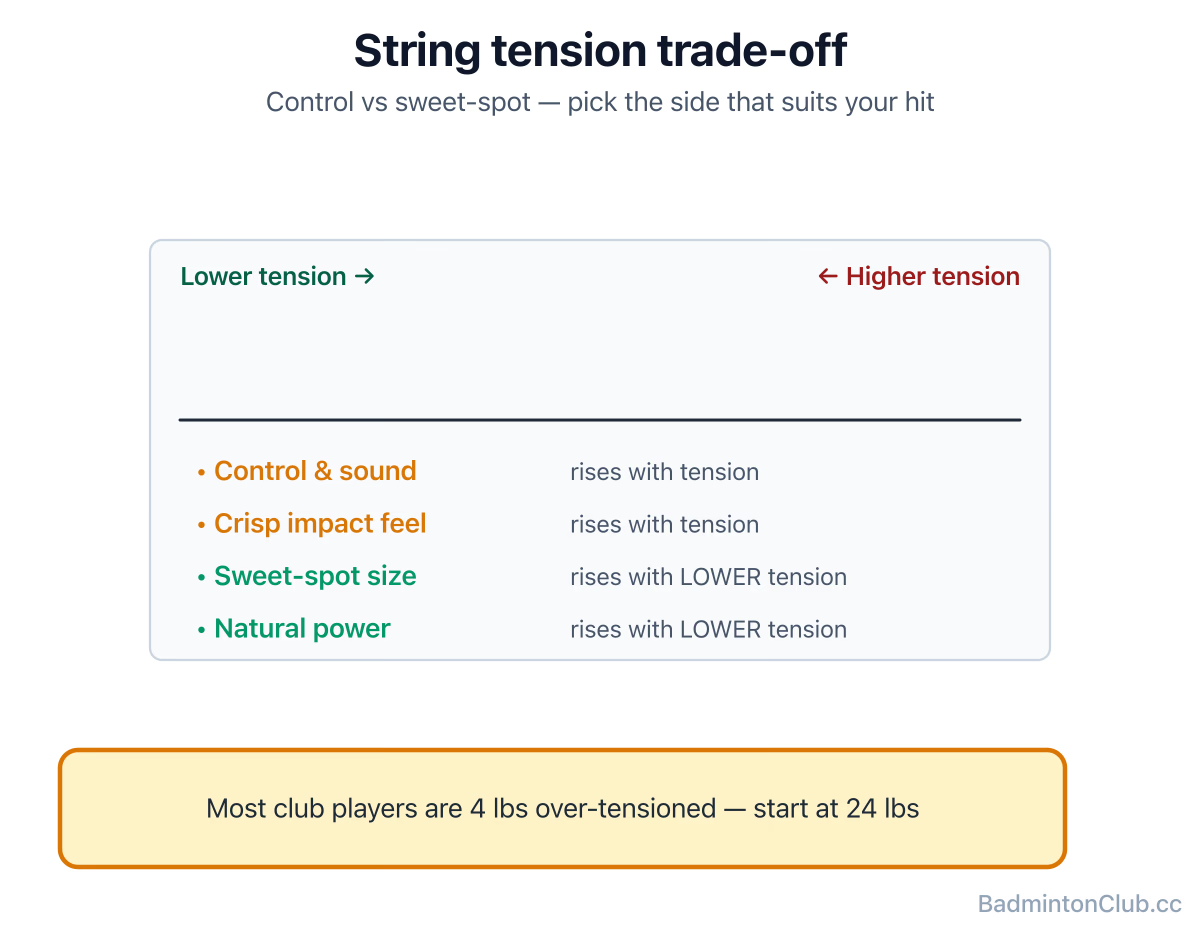
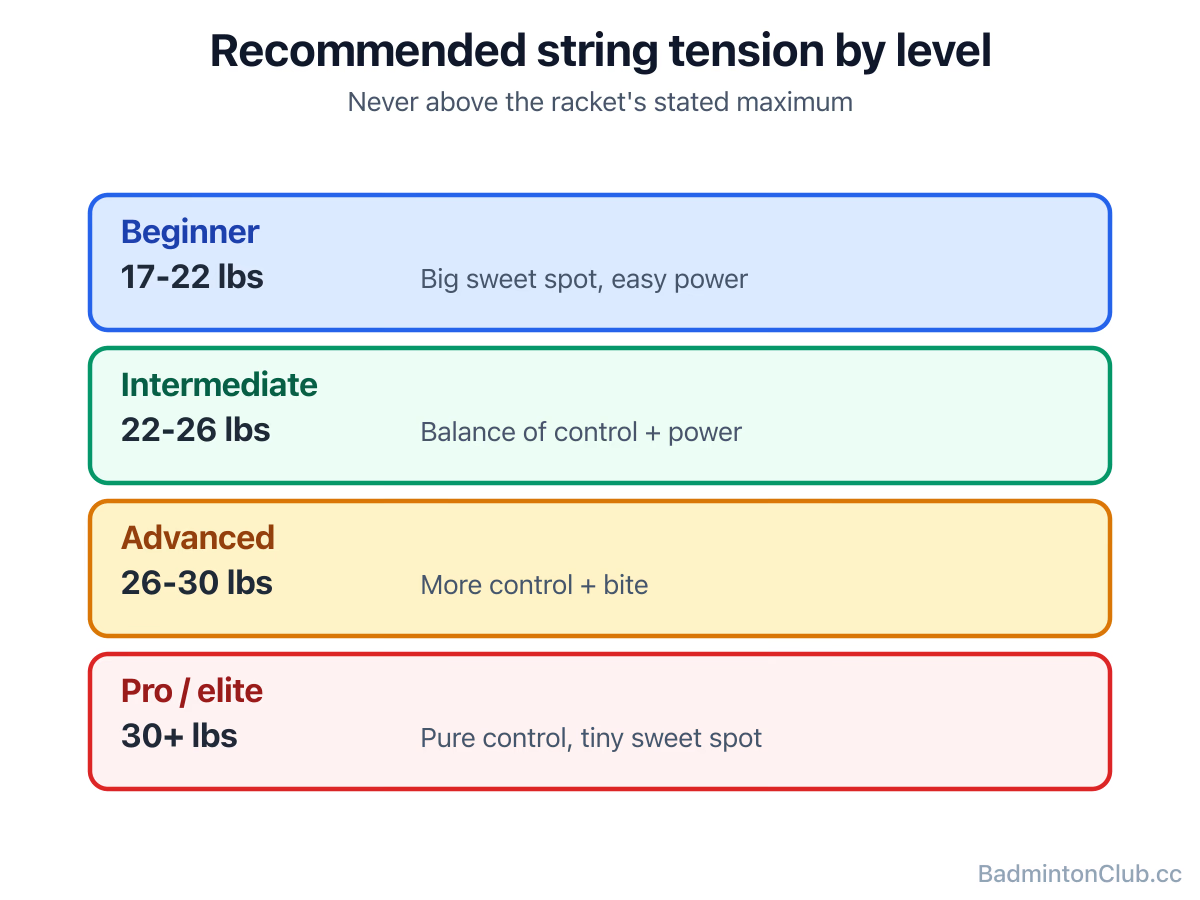
Recommended badminton string tensions are about 17–22 lbs for beginners, 22–26 lbs for intermediates, and 26–30 lbs for advanced players — never above the racket's stated maximum or you risk cracking the frame. Higher tension gives more control and a sharper sound but a smaller sweet spot and less natural power; lower tension gives a bigger sweet spot and more "trampoline" power but less control. Among Yonex strings, BG65 is the durable all-rounder; BG80 is thinner with more repulsion and bite for attacking players.
What string tension actually does
A higher-tension string bed is stiffer — the strings deform less on contact, so the shuttle leaves with a sharper, more responsive feel. You get more control and a satisfying crack. The cost: the sweet spot shrinks, and off-centre hits feel dead. A lower-tension bed is springier — like a small trampoline — so even off-centre hits launch the shuttle reasonably, but the feedback is mushier and you lose precision. Players over-tension because pros play at 30+ lbs; most club players miss the sweet spot too often at those tensions and get a worse result than at 24 lbs.
Recommended tension by level
| Level | Tension | Why |
|---|---|---|
| Beginner | 17–22 lbs | Forgiving, big sweet spot, easy power without perfect technique |
| Intermediate | 22–26 lbs | Balance of control and power; standard for most club players |
| Advanced | 26–30 lbs | More control and bite; demands consistent centre hits |
| Pro/elite | 30+ lbs | Pure control; tiny sweet spot, restrung frequently |
Hard ceiling: never exceed your racket's manufacturer-stated maximum tension. Going beyond it shortens the frame's life and can crack it outright — this is the single most common way rackets die. The max is usually printed on the throat or in the spec sheet (often 24–28 lbs for older/cheaper frames; 28–32 lbs for modern attacking frames).
Plastic shuttles tip: if you mostly play with plastic shuttles, drop tension 2–3 lbs below your normal feather-shuttle tension — plastic is heavier on the strings and the higher tension feels harsher.
BG65 vs BG80 (and the Yonex string family)
Yonex BG-series strings dominate the market; you'll see them on shop walls everywhere.
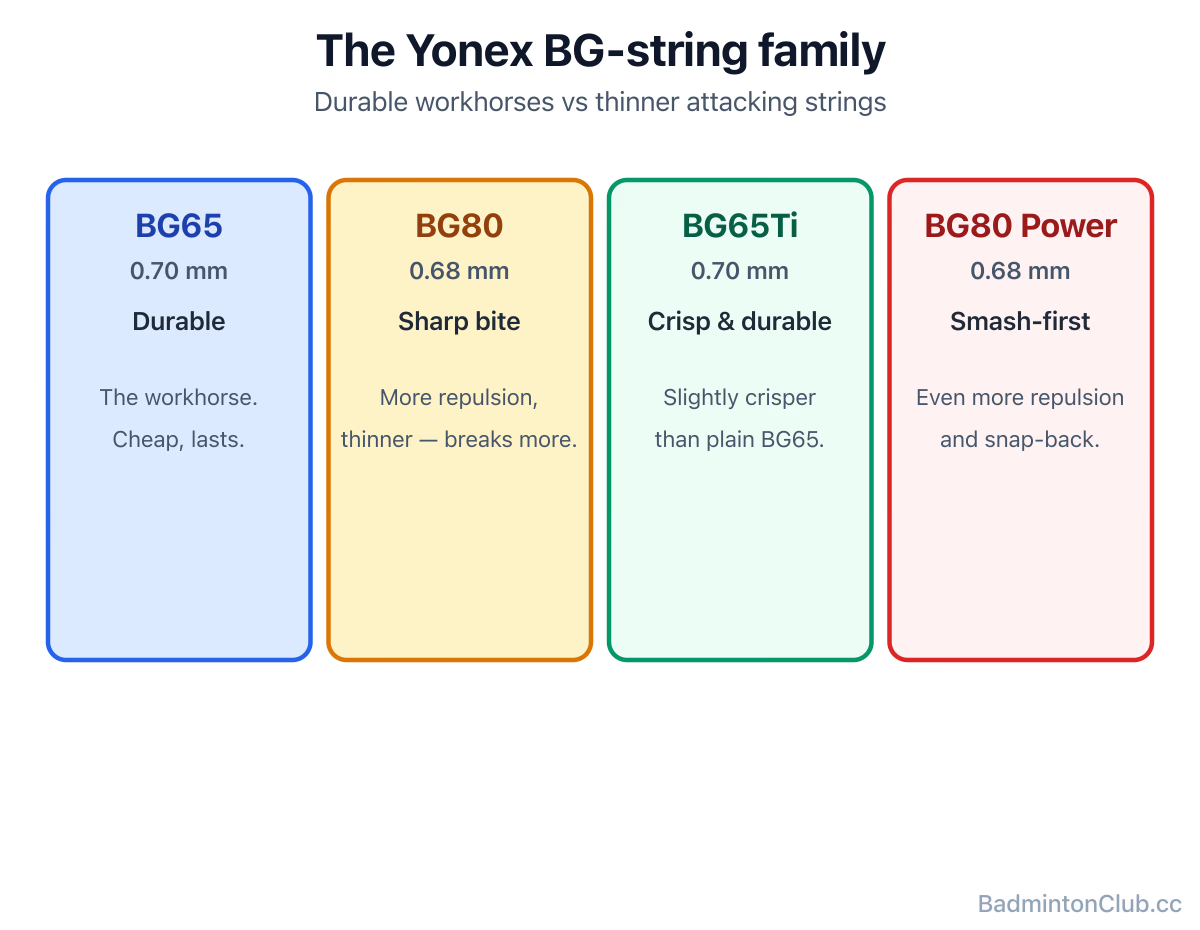
- BG65 (0.70 mm) — the workhorse. Durable, decent repulsion, a touch deader on impact. Best for beginners, doubles players who don't restring often, anyone who breaks strings frequently. Cheap and reliable.
- BG80 (0.68 mm) — thinner, more repulsion and a sharper "bite" on the shuttle. Sounds better, smashes feel sharper. Less durable — breaks faster. Best for attacking intermediate and advanced players willing to restring more often.
- BG80 Power — even more repulsion and snap-back; smash-focused.
- BG65 Titanium — slightly more durable than plain BG65 with a marginally crisper feel.
- Aerobite (hybrid) — different mains and crosses; control on one side, power on the other. A more advanced choice.
There's no universal "best". The honest order of importance is: tension first, string choice second, brand badge third.
When to restring
A reasonable rule of thumb: restring after the string count of months equals lbs you play at, divided by 10 — at 26 lbs, every ~2.6 months feels right for regular players. More practically:
- The string breaks → restring.
- The string sounds different (duller, deader on a clean centre hit) → restring soon.
- The string moves visibly out of pattern and you keep pushing it back → restring.
- You haven't restrung in 6+ months of regular play → restring whatever it sounds like.
Strings lose tension constantly; a fresh string bed at 24 lbs often feels better than an old one strung at 28.
What coaches actually shout from the side
"Drop your tension!" — to anyone who's been struggling to clear to length or whose elbow's gone sore. The conviction that "higher tension = pro level" is so widespread that most club players are playing 4 lbs higher than they should — and the elbow ache that follows is exactly the lateral-epicondylitis profile covered in Common Badminton Injuries (separate guide). A blunt opinion: a properly-tensioned 24-lb string bed will out-perform an over-tensioned 28-lb one for the majority of players, and your forearm will thank you for it. If you've been over 26 lbs with a tired smash and a sore elbow, try 24 next restring. You'll feel the difference inside one session. (If you log restrings into your player profile on BadmintonClub.cc with the date and tension, you'll quickly spot the pattern of "smash stops landing" three months after each restring — that's the string going dead, not your form going off.)
FAQ
- Q: What string tension should a beginner use in badminton? 17–22 lbs — a forgiving, big sweet spot that gives easy power without demanding perfect technique.
- Q: What's a good string tension for intermediate players? 22–26 lbs — a balance of control and power that's standard for most club players. Most intermediates over-tension; 24 lbs is a sensible starting point.
- Q: What's the difference between BG65 and BG80 strings? BG65 is a durable all-round string with decent repulsion; BG80 is thinner with sharper "bite" and a more responsive feel but breaks faster. BG65 suits doubles/heavy hitters who break strings; BG80 suits attacking intermediates.
- Q: Which badminton strings are most durable? BG65 and BG65 Titanium are the durability picks in the Yonex BG range — thicker gauge and a tougher coating make them last longer than thinner attacking strings.
- Q: Can I string above my racket's max tension? No — exceeding the manufacturer's stated max is the most common cause of cracked frames. Stay at or below the printed maximum.
- Q: How often should I restring my racket? When the string breaks, sounds dead, or visibly moves out of pattern — and every 6 months whether or not, for regular players. Old high-tension strings often perform worse than a fresh string bed at lower tension.
Badminton string tension by level — 17–22 lbs for beginners, 22–26 lbs for intermediates, 26–30 lbs for advanced — plus what BG65, BG80 and the Yonex BG-string family actually feel like in the hand. Covers the control-vs-sweet-spot trade-off, the manufacturer-max ceiling that protects the frame, the plastic-shuttle 2–3 lbs adjustment, and the honest answer to 'should I restring?' Most club players are 4 lbs over-tensioned.