Learn how to play badminton from scratch: the court, the kit, the 21-point rally scoring system, a legal serve and the handful of shots you actually need on day one. This is the plain-English walkthrough we give every newcomer who turns up to a club night — no jargon, just what to do when the shuttle comes at you, how a game to 21 is won, and the three mistakes that mark you out as brand new (and how to skip them).
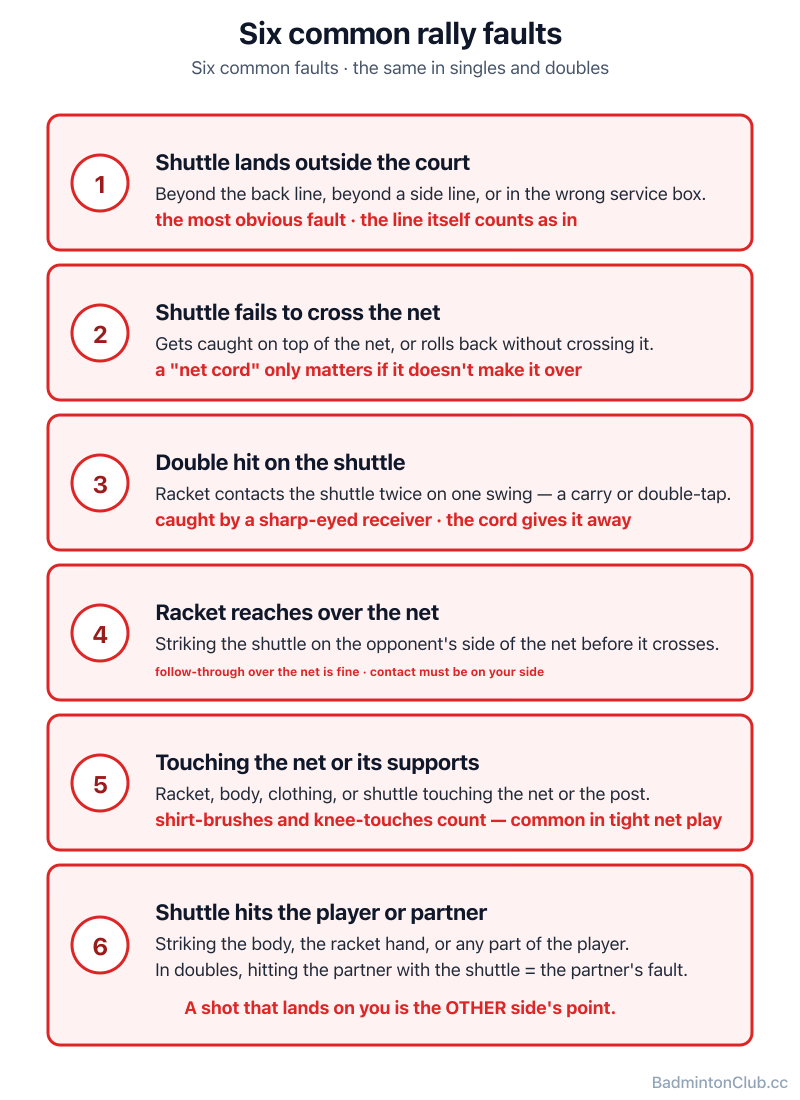
A fault in badminton is any illegal action that immediately ends the rally and hands the point to your opponent. This guide covers every fault that matters — shuttle out, into the net, double hit, carry, body contact, reaching over, touching the net, and distraction — including the ones quietly ignored in club play but called without hesitation in competition.
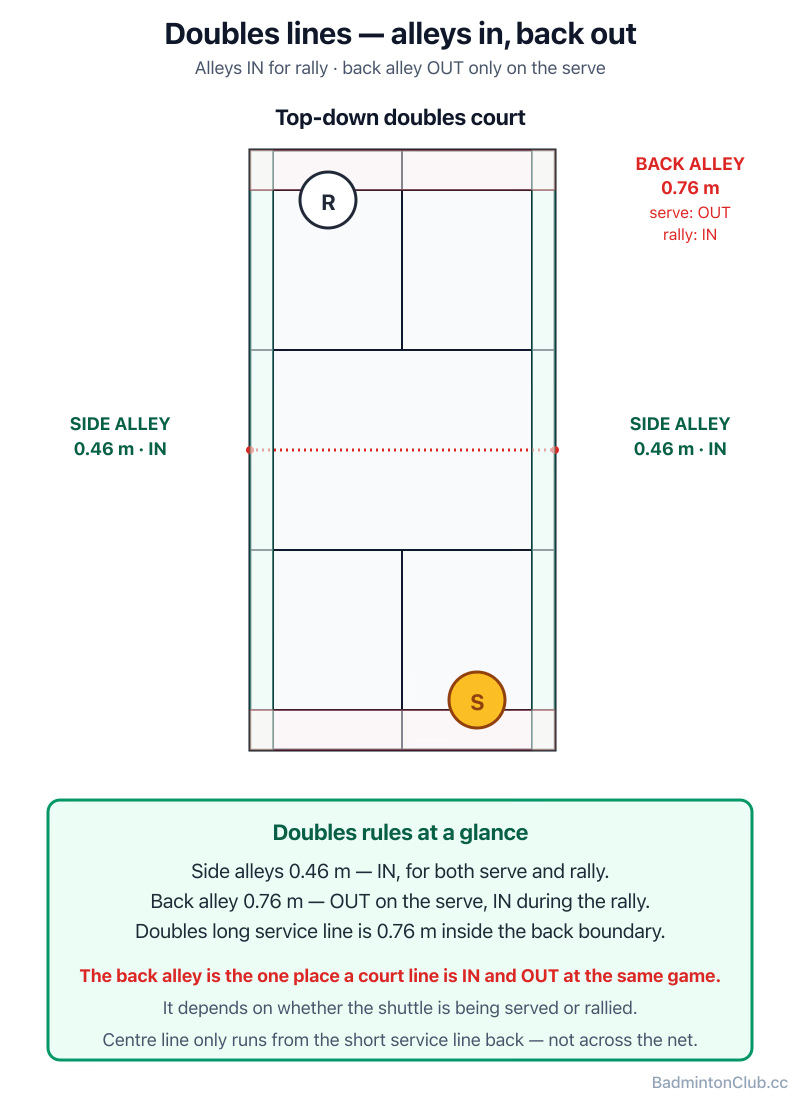
Doubles badminton uses the full-width court — side alleys are always in — but the serve must land short of the back alley. Learn exactly when the back alley is out (serve) versus in (rally), plus every line that matters in doubles, with simple mental models and quick FAQ answers.
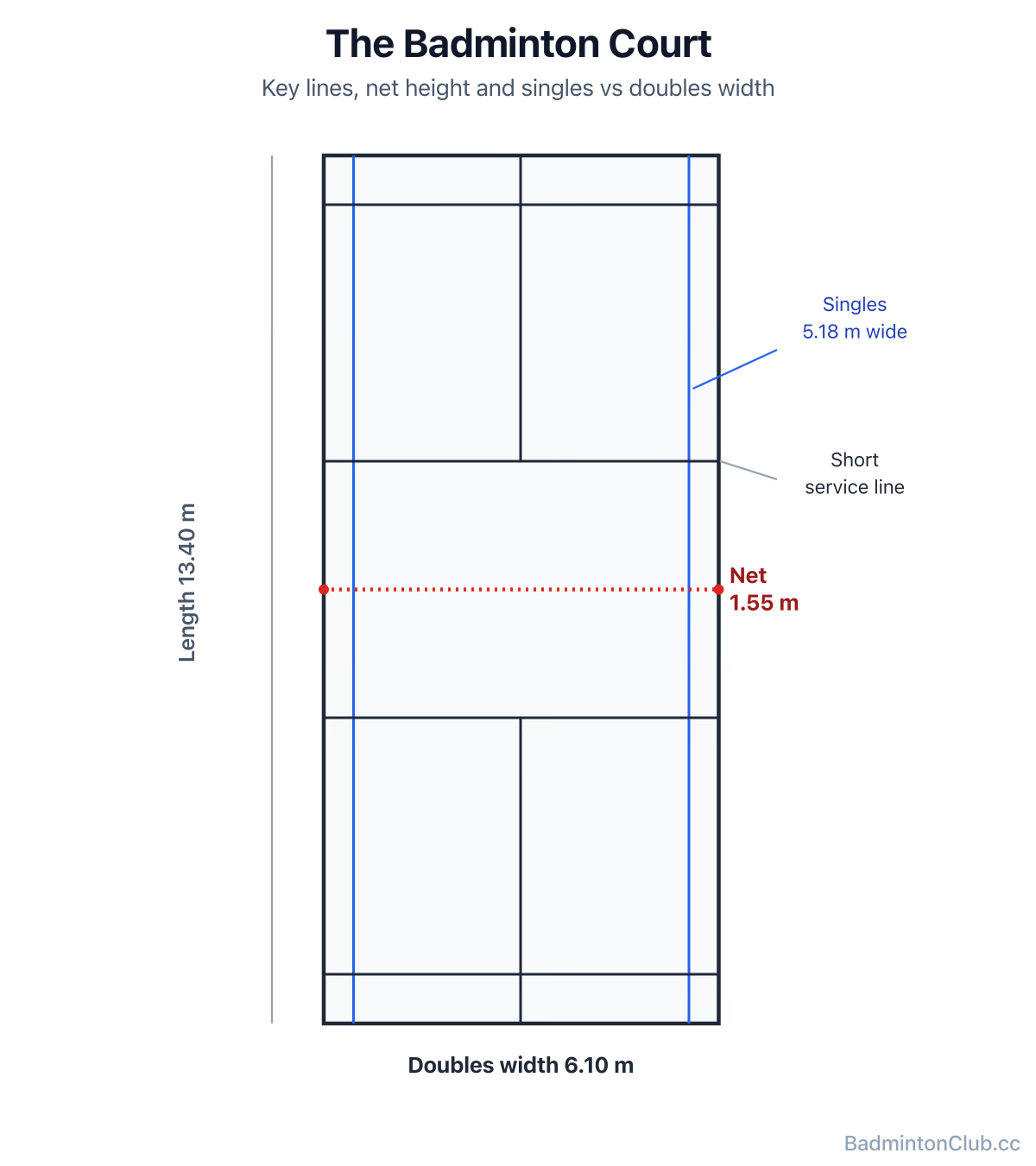
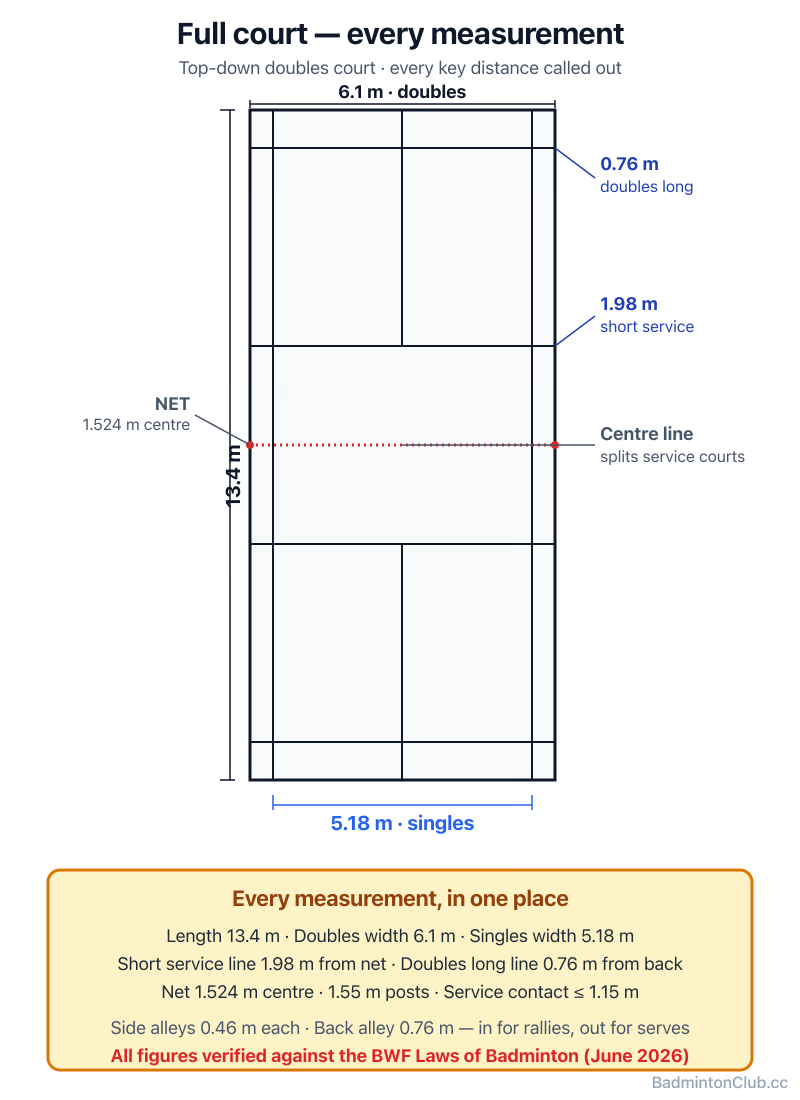
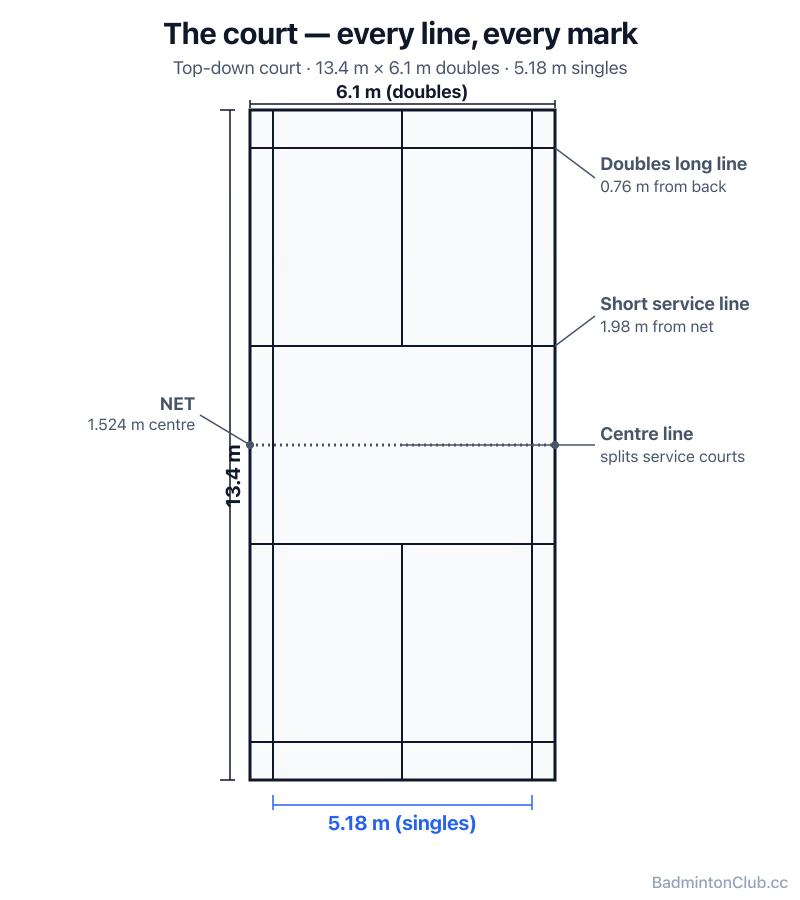
Badminton court dimensions at a glance: 13.4 m × 6.1 m (44 × 20 ft) for doubles, narrowing to 5.18 m (17 ft) for singles. This guide covers every line and measurement — short service line, doubles long service line, net heights, tramlines and back alley — in both metres and feet, with tips on marking a court correctly from scratch.
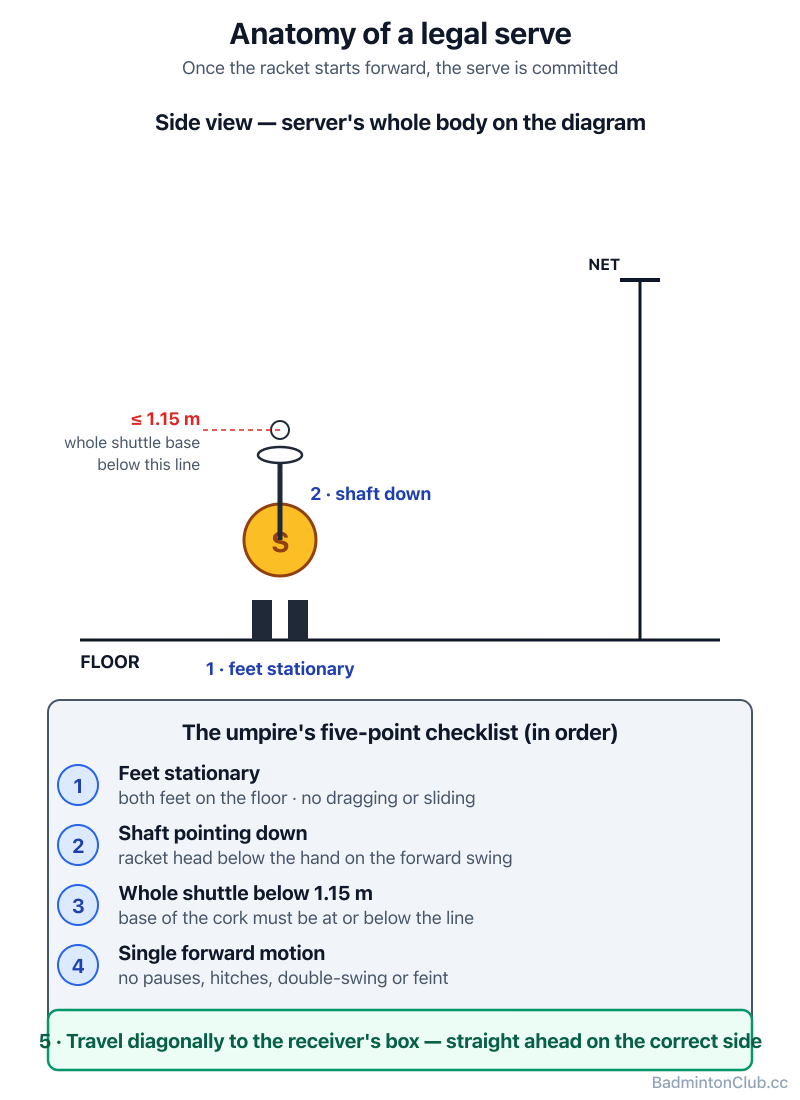
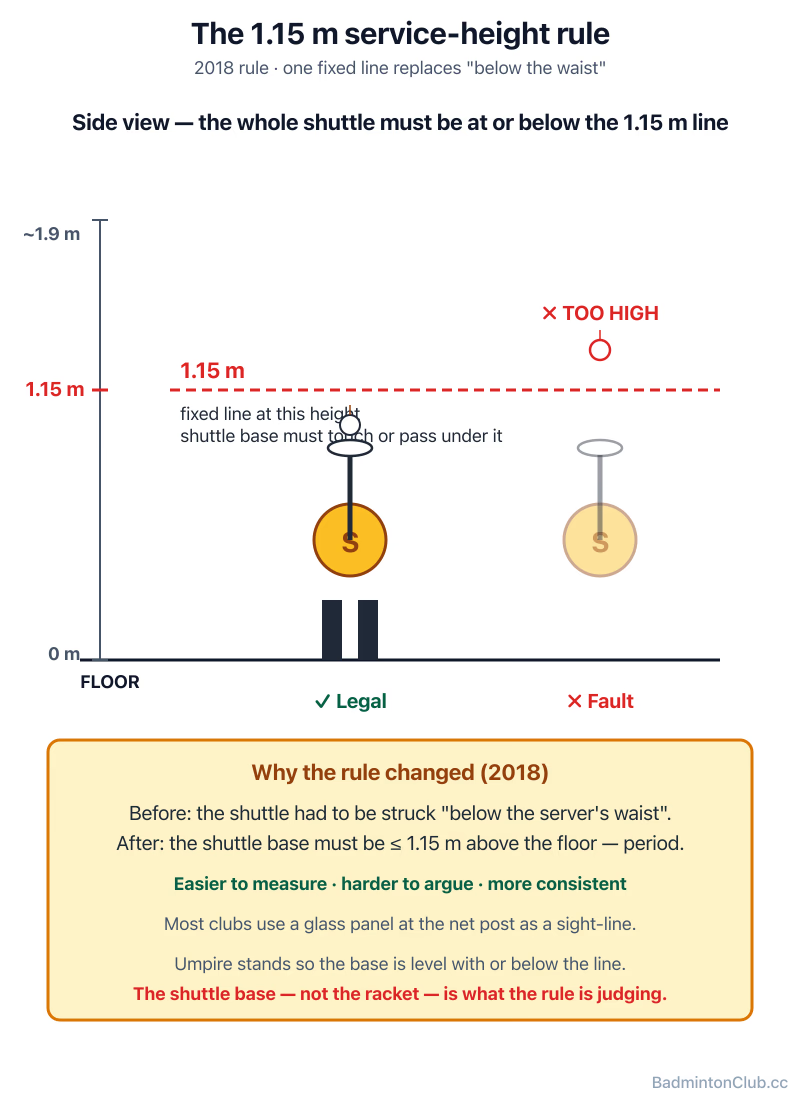
Badminton service rules require an underarm strike with the whole shuttle below 1.15 m, both feet stationary and off the lines, served diagonally into the correct court. This guide walks through every condition — contact height, racket angle, footwork, and court selection — so you can serve legally every time and spot a service fault the moment it happens.
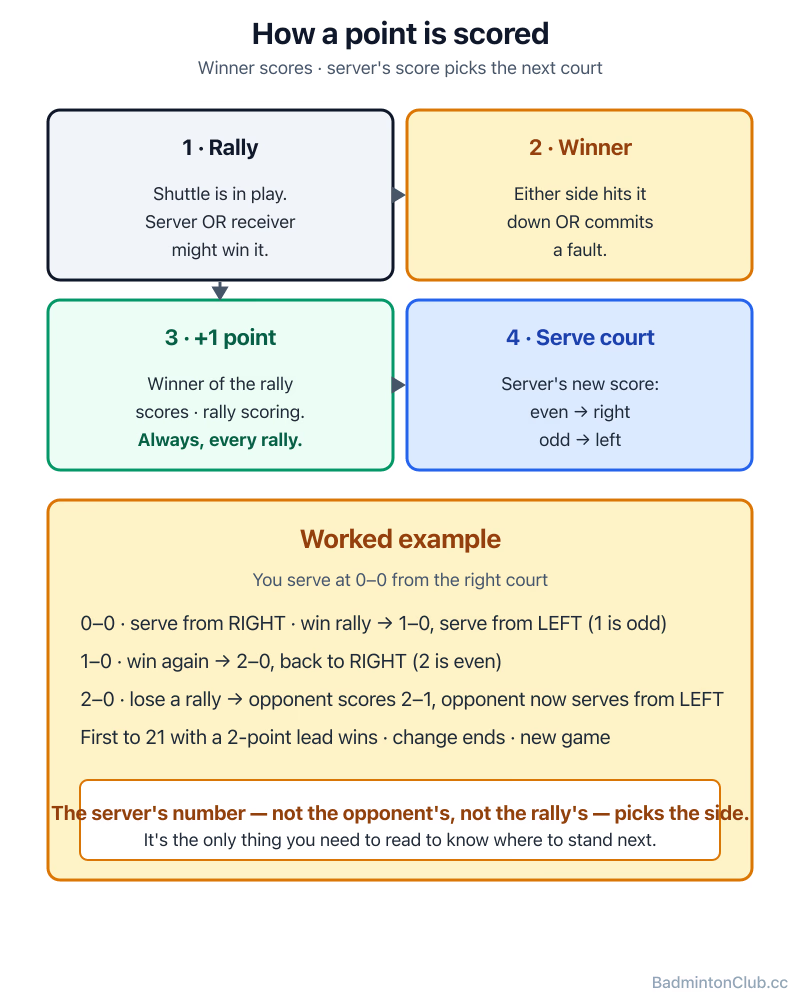
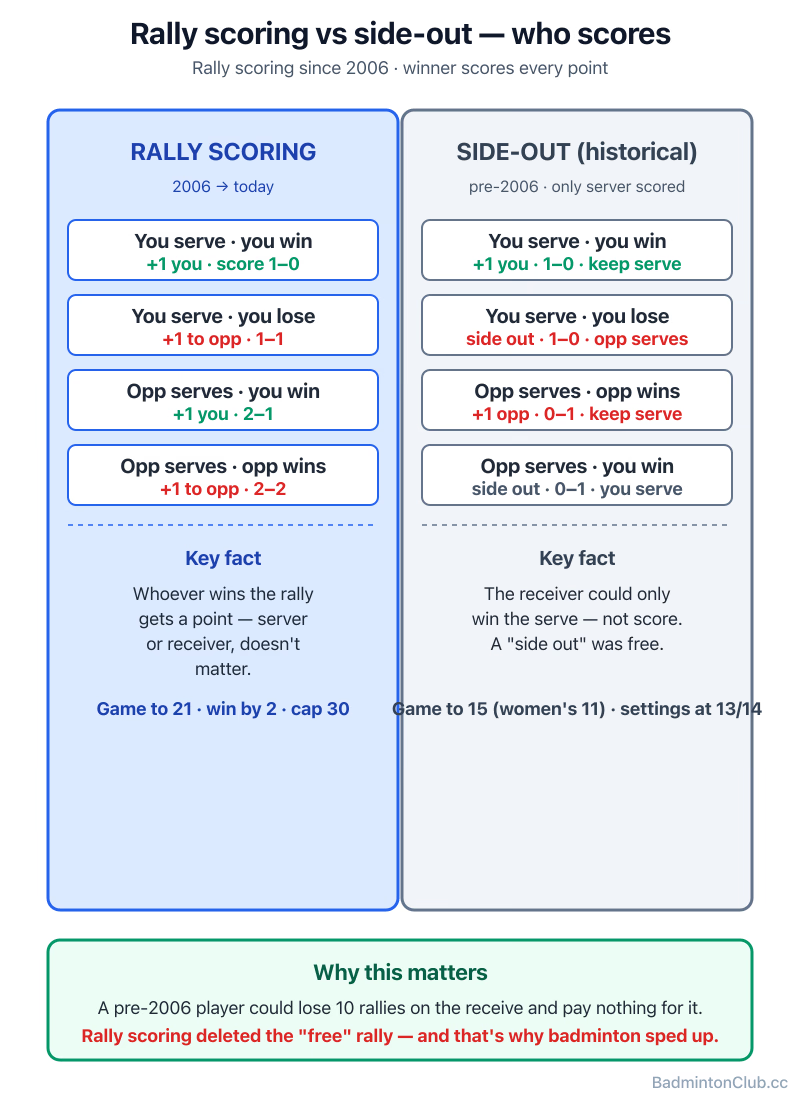
Badminton uses rally scoring to 21 points — every rally won earns a point, no matter who served. You must win by 2, with a hard cap at 30–29. This guide explains how to count points, read the scoreboard, determine the service court from the score, and what happens at deuce. Covers the full match format (best of three) and common scoring questions for beginners and club players.
Badminton rules explained for 2026 — from rally scoring and the 21-point game to legal serve height, court lines, and common faults. Whether you're a complete beginner or brushing up before a club night, this guide covers every rule that actually comes up in play: when deuce kicks in, which side to serve from, why the line is always in, and what counts as a fault.
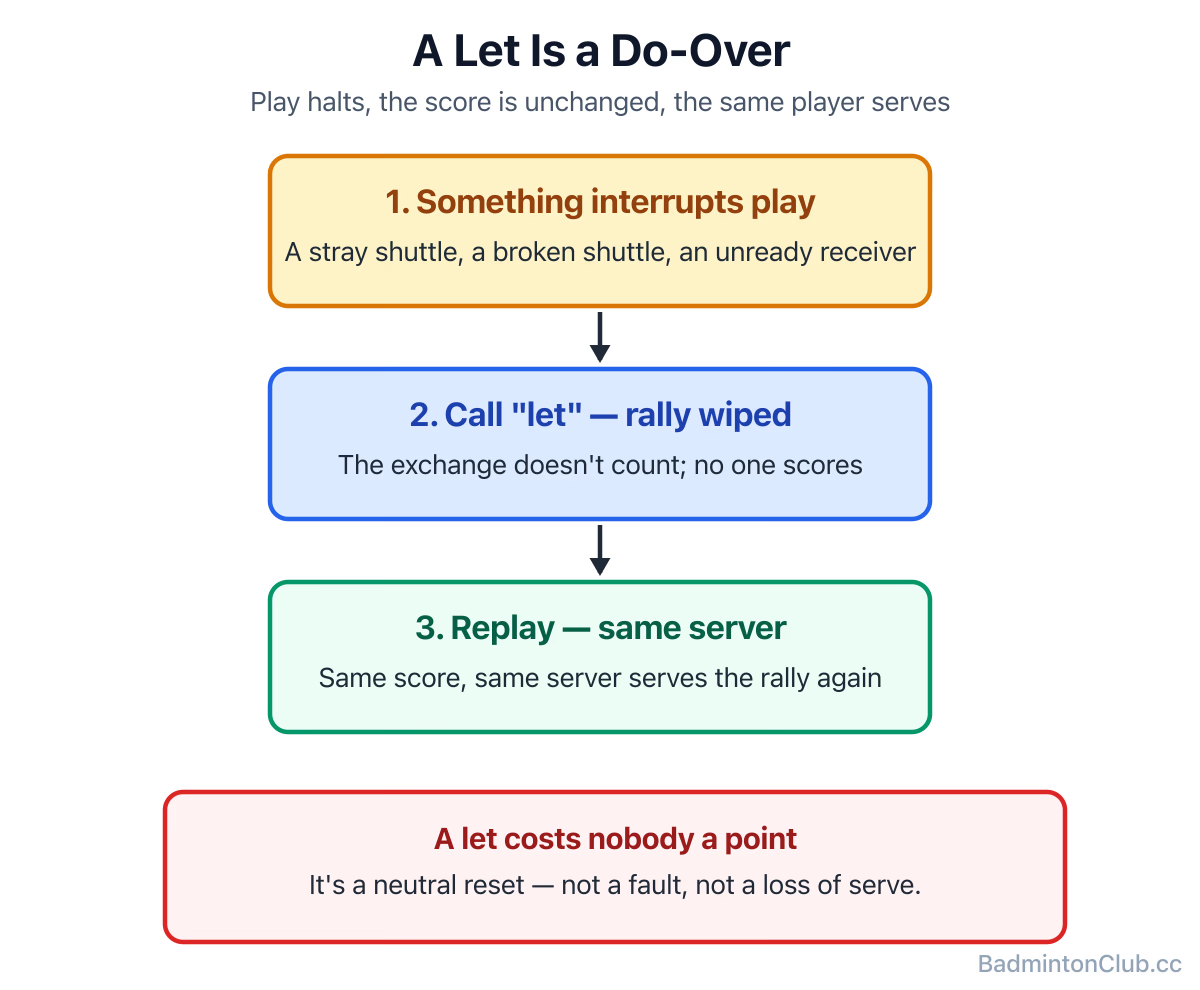
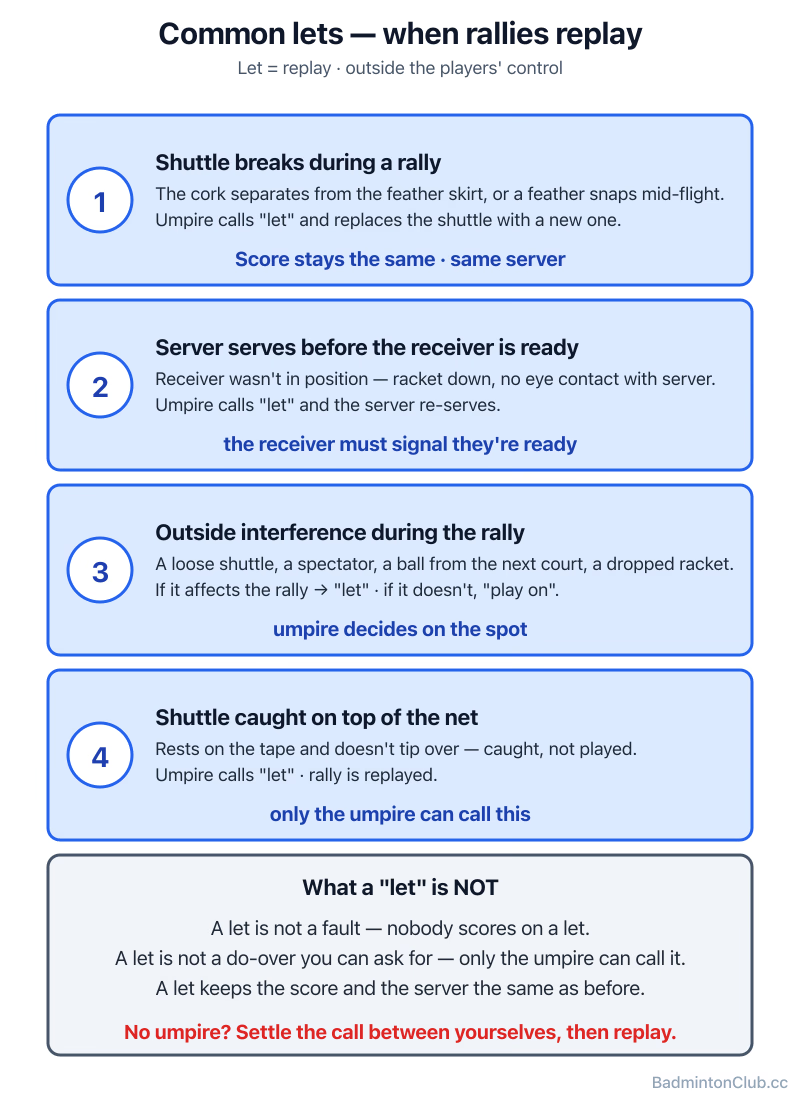
A let in badminton is a replay: play stops, the rally doesn't count, no point is scored, and the same player serves again. This explains the situations that cause a let — serving before the receiver is ready, a shuttle disintegrating mid-rally, outside interference — and the key distinction beginners miss: a let costs nobody a point, while a fault always gives the point away.
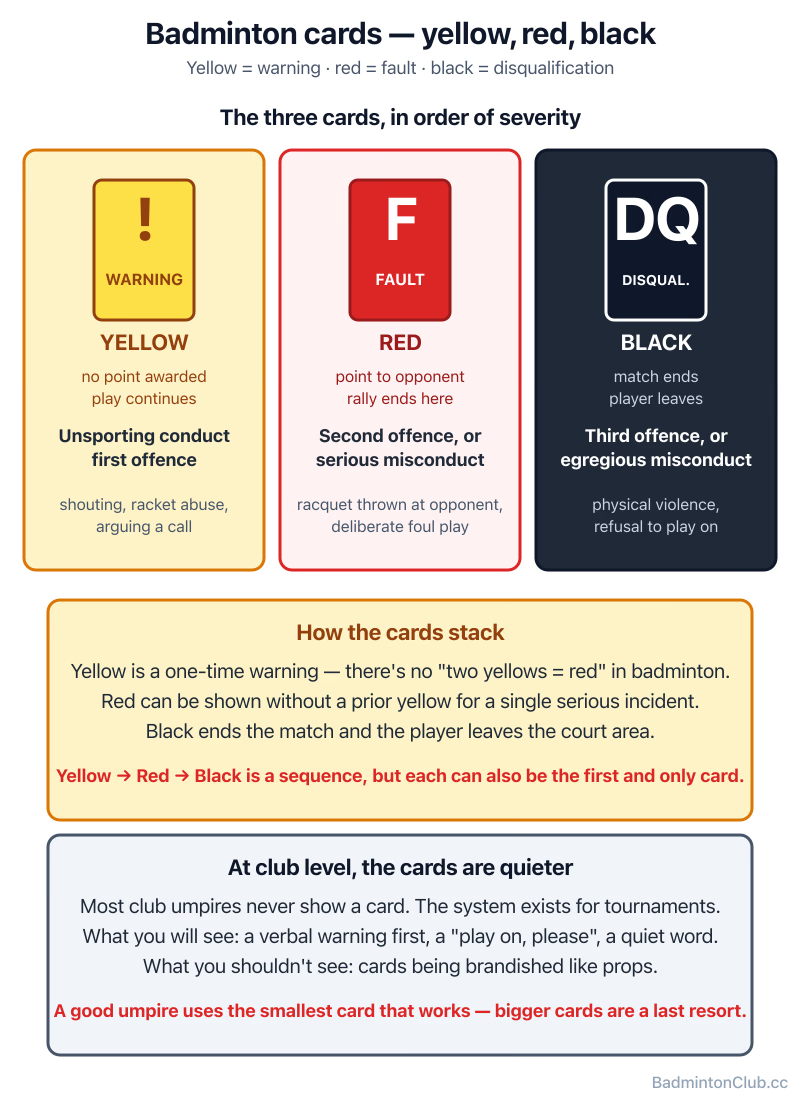
Badminton's yellow, red, and black cards are issued for misconduct — not mistakes. A yellow card is a warning, a red card hands the opponent a point, and a black card means disqualification. This guide covers what triggers each card, which official issues it, and why tournament players need to know the difference between the umpire and the referee.
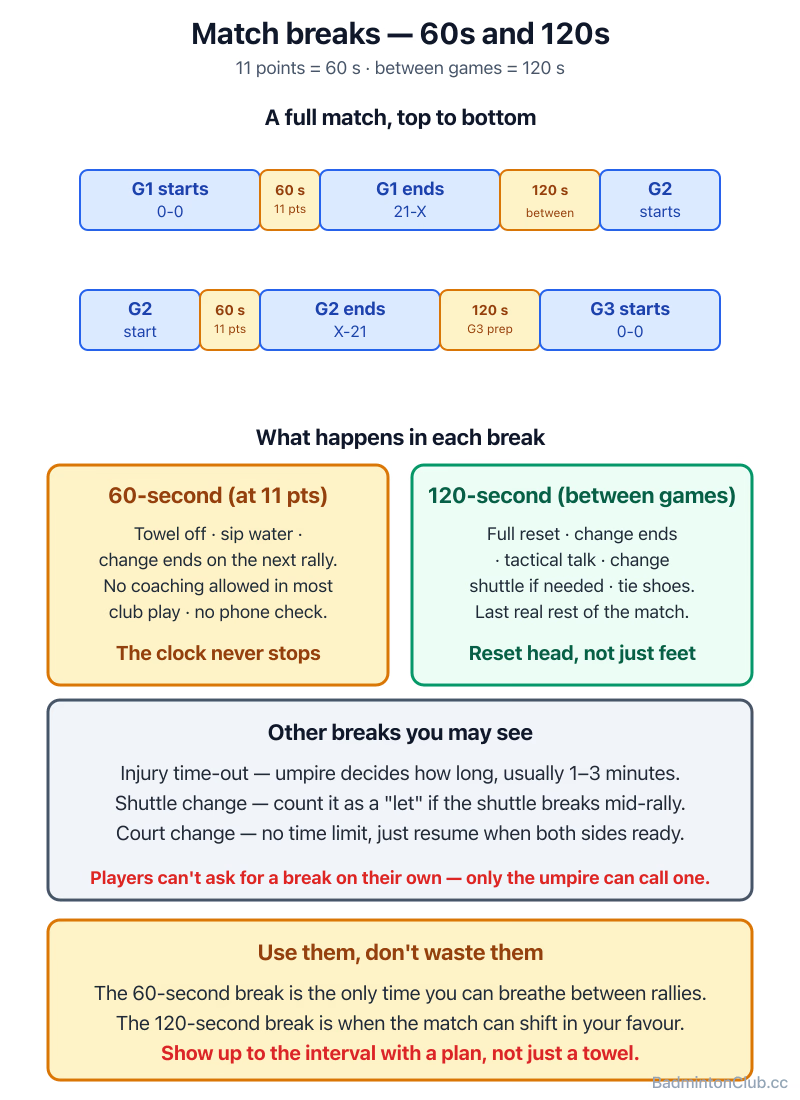
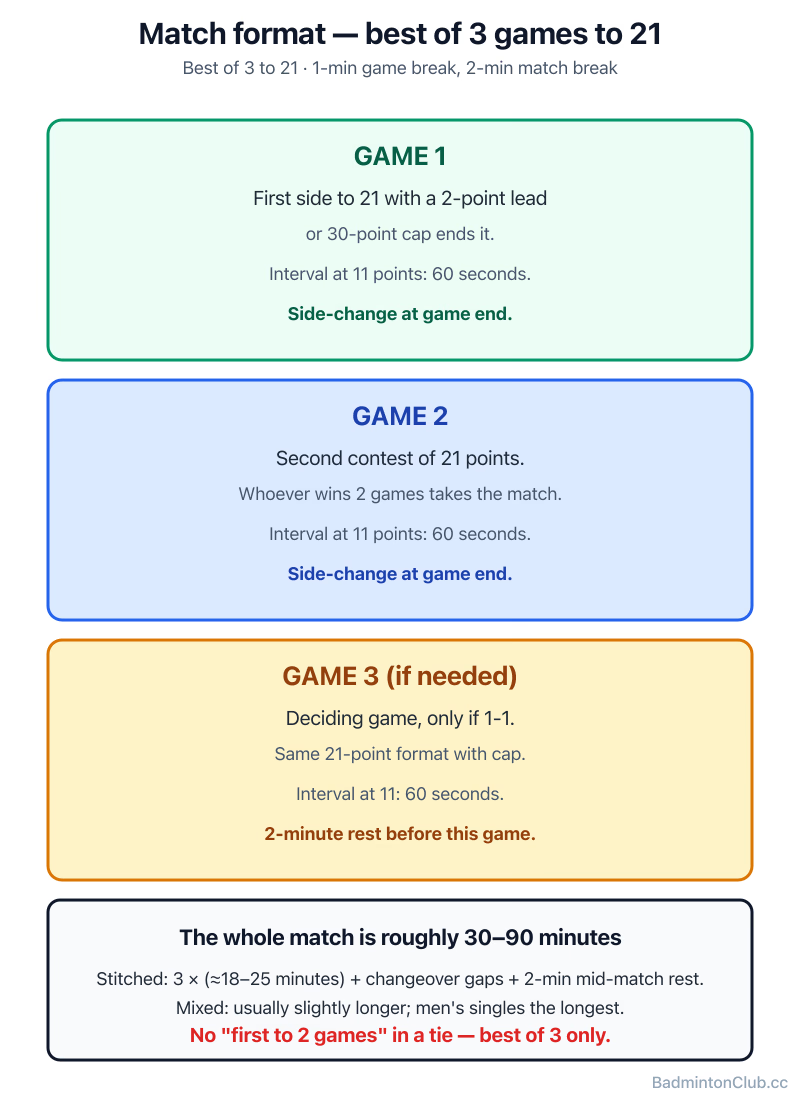
Official BWF interval rules explained: a 60-second break when either player hits 11 points, a 120-second break between games, and when coaches are allowed to give advice. Covers on-court coaching rules, whether players can leave the court, and where to find the full BWF Laws of Badminton PDF — useful for players and umpires at any level.
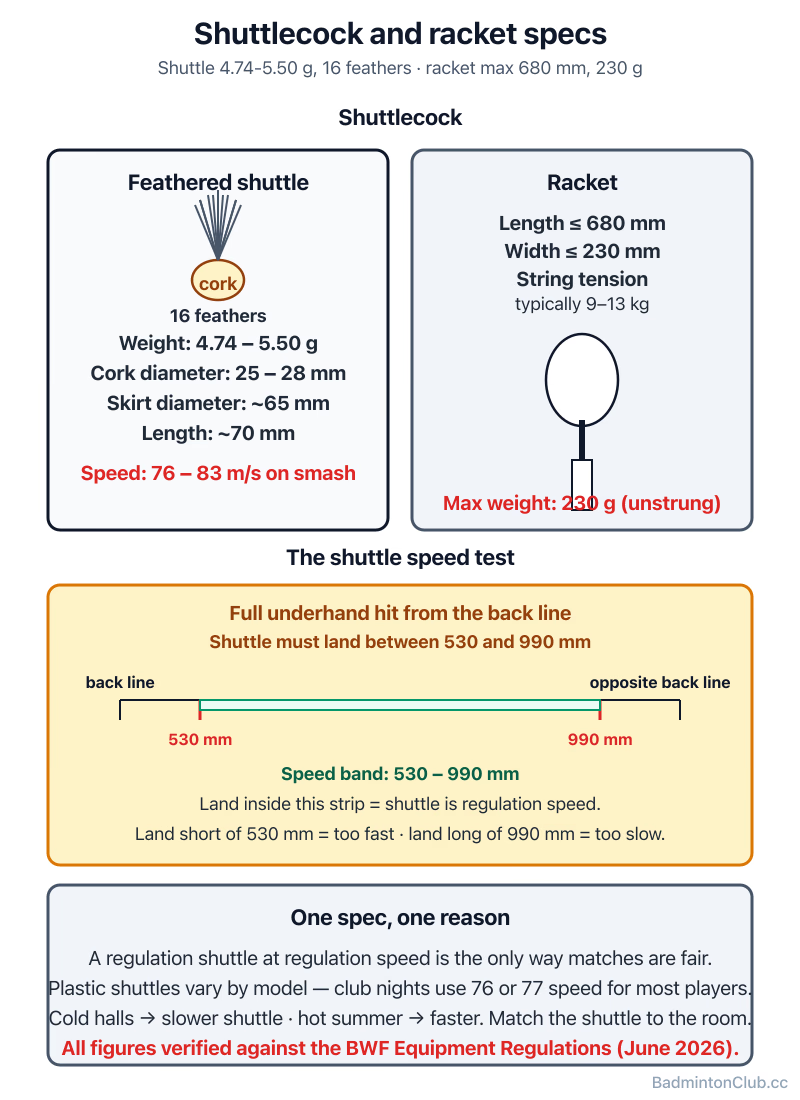
Official BWF specs for shuttlecocks and badminton rackets: a legal shuttle has 16 feathers, weighs 4.74–5.50 g, and must pass the speed test by landing 530–990 mm short of the far back boundary. Racket frames cap at 680 mm long and 230 mm wide. Covers why shuttle speed numbers matter and how to run the speed test before a match.
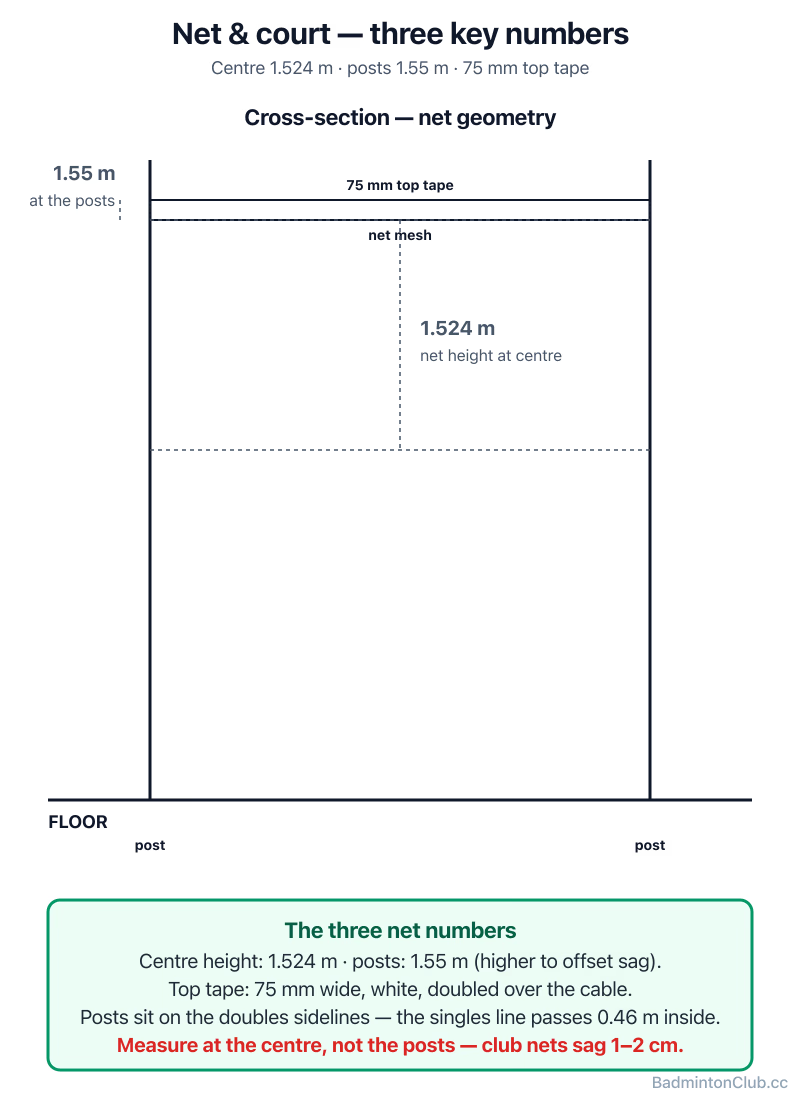
Badminton net height is 1.524 m at the centre and 1.55 m at the posts — most club nets hang too low because players measure the posts and ignore the sag in the middle. This guide covers official BWF net dimensions, post placement rules, court line widths, and a quick setup checklist to make sure your court is regulation before you play.
A let in badminton replays the rally with no score change and the same server serving again. This guide covers every situation that triggers a let — broken shuttle, server too early, outside interference — and clears up a common misconception: a net-cord serve is not a let in badminton, it's live play.
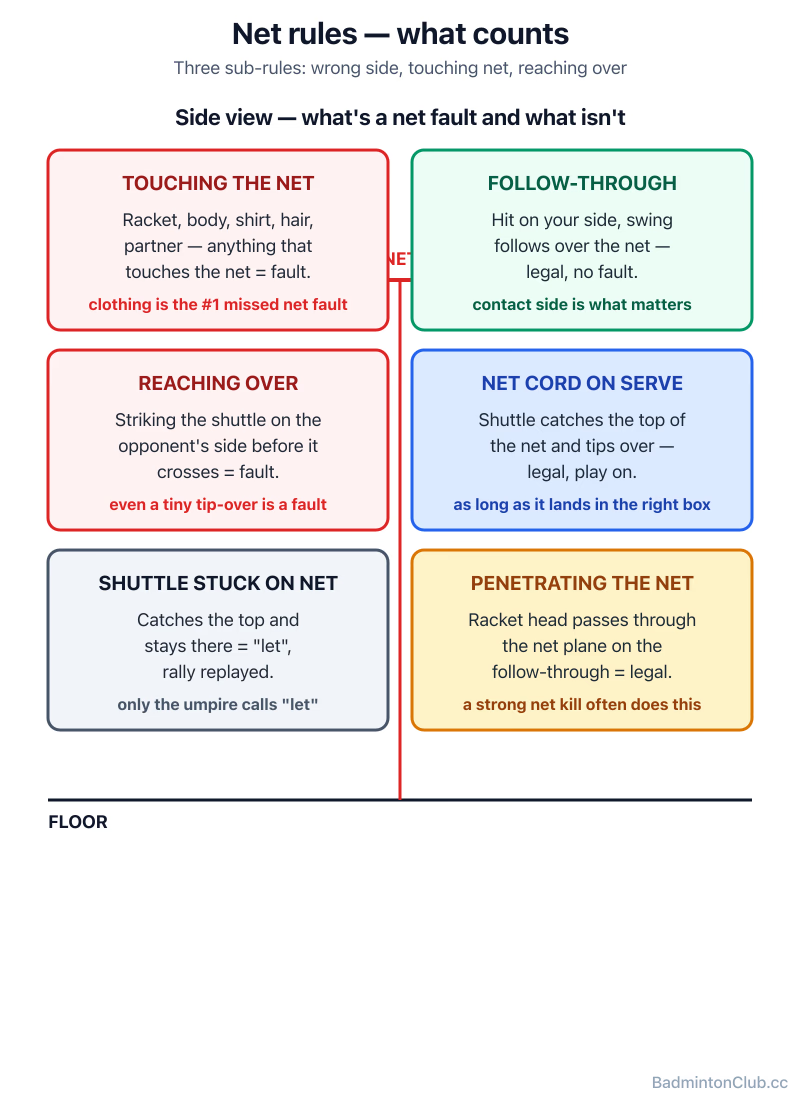
Touching the net with your racket, body, or clothing during a rally is an instant fault in badminton — but your racket can legally follow through over the net after you've hit the shuttle on your own side. This guide explains exactly when a net contact costs you the point, what counts as reaching over illegally, and covers the most-missed rule: clothing faults.
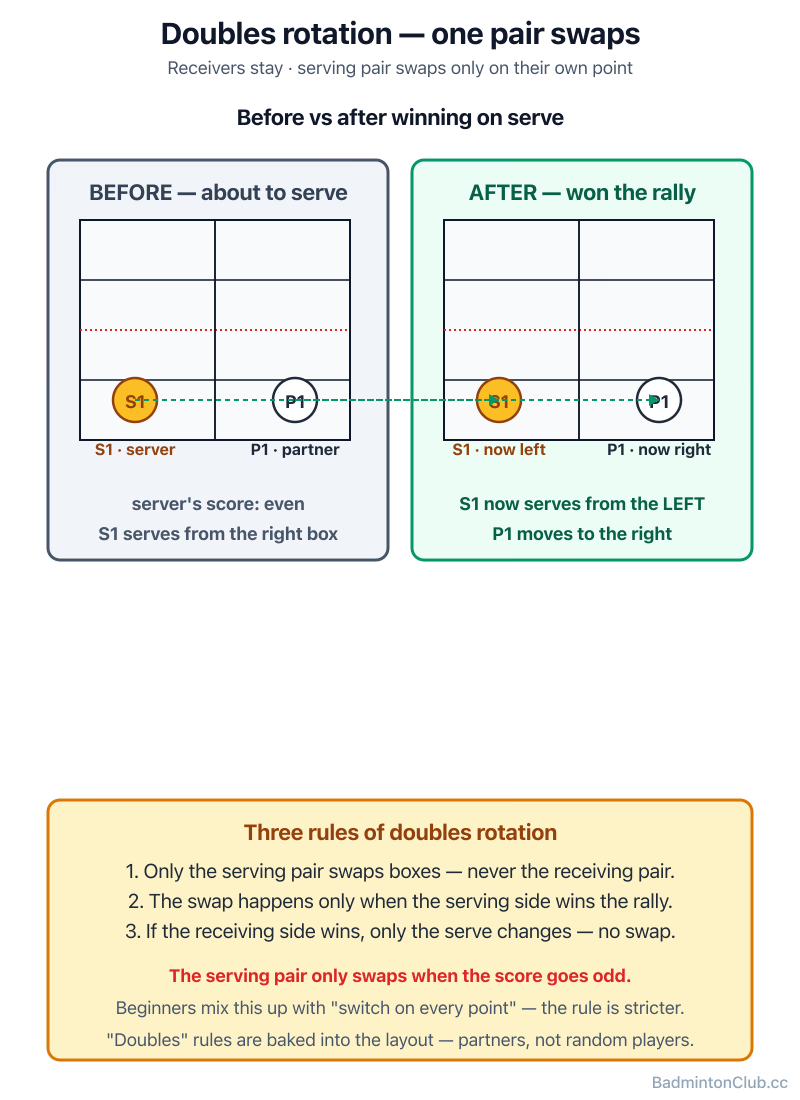
Understand who serves next in badminton doubles and how the rotation works under rally scoring. This guide covers the one rule that resolves most confusion — your side only swaps courts when you score on your own serve — and walks through the FAQ every club player asks.
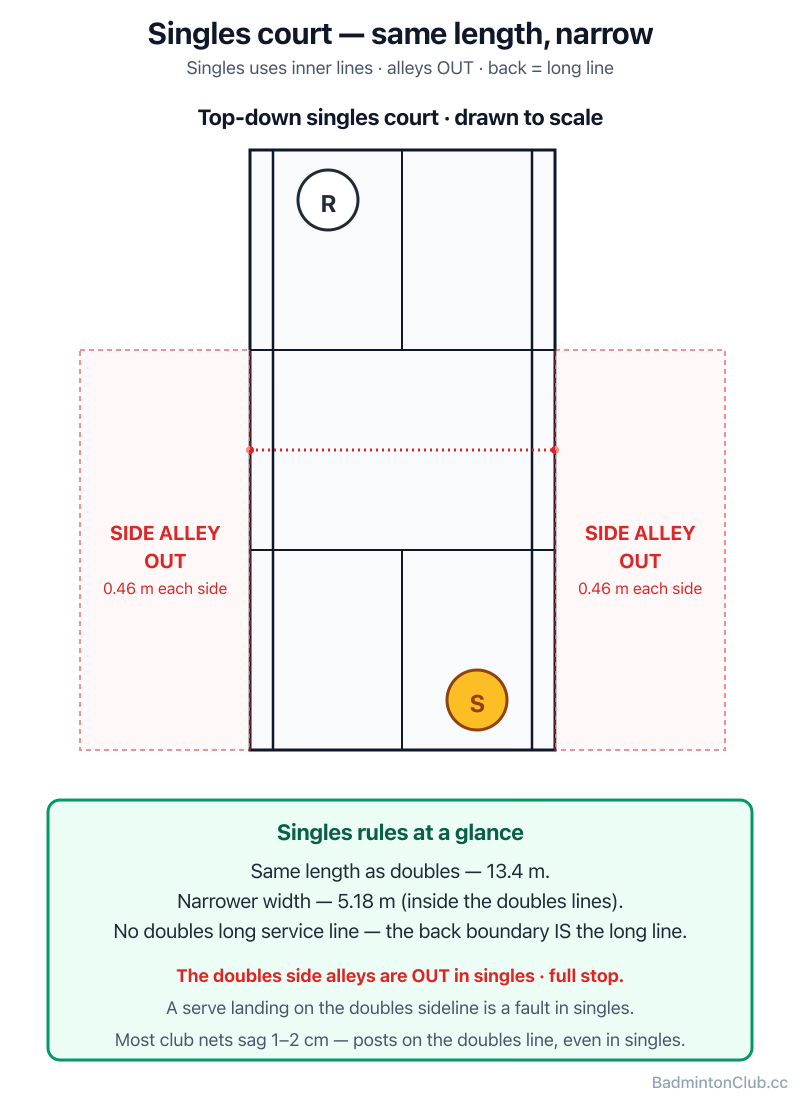
Badminton singles uses the narrower inner court (alleys out) but the full length — including on the serve. Learn which lines are in, how the serve direction works, and the key ways singles differs from doubles in court width and serving rules.
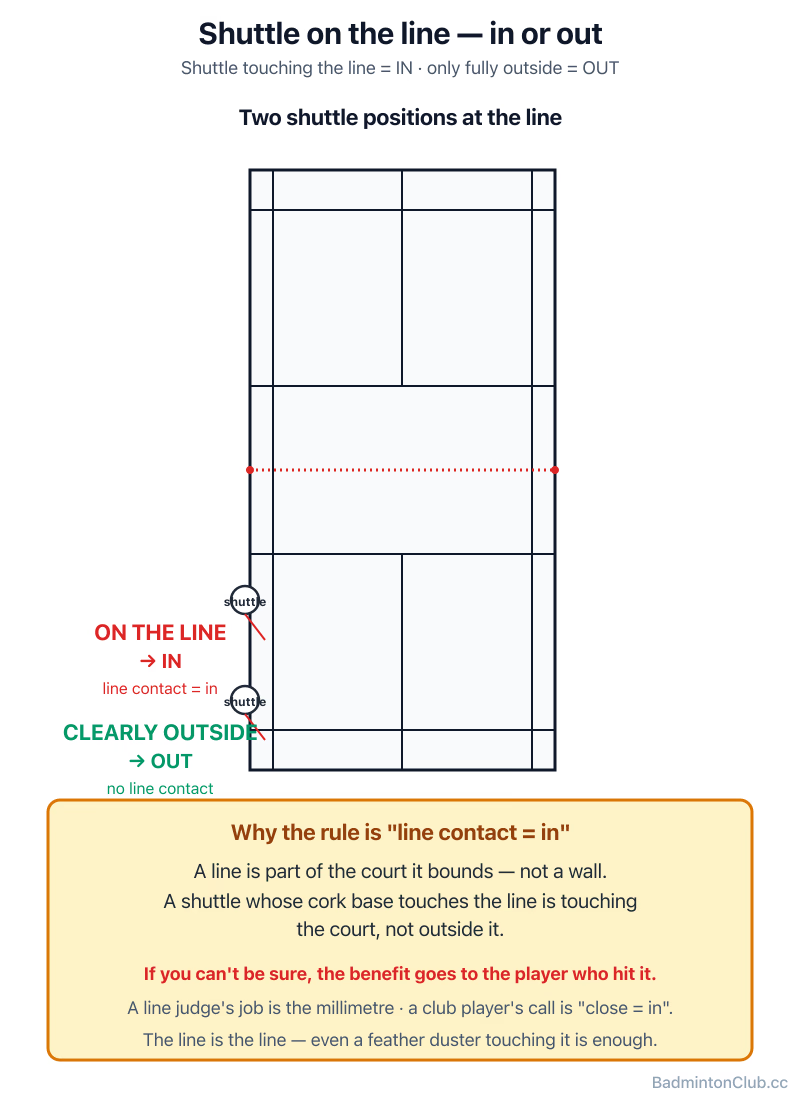
In badminton, any shuttle that touches a boundary line counts as in — the rule is decided by where the base first contacts the floor, not where it skids or leans afterward. This guide explains the exact boundary rule, how line judges apply it, and why singles and doubles use different court lines.
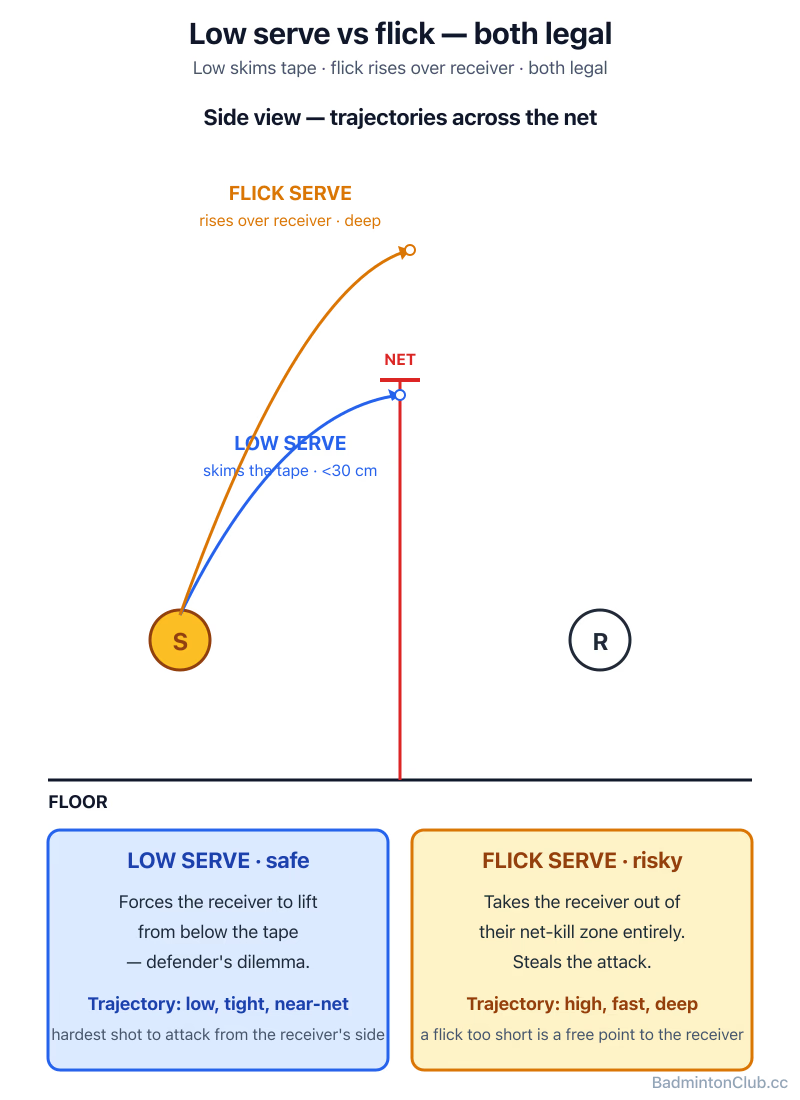
Can you smash a serve in badminton? The server cannot — a serve must go upward and underarm below 1.15 m — but the receiver can absolutely attack or smash a loose serve. The flick serve is legal provided it still meets those contact rules. This piece covers what the server is and isn't allowed to do, why doubles serves hug the net, and when the receiver can pounce.
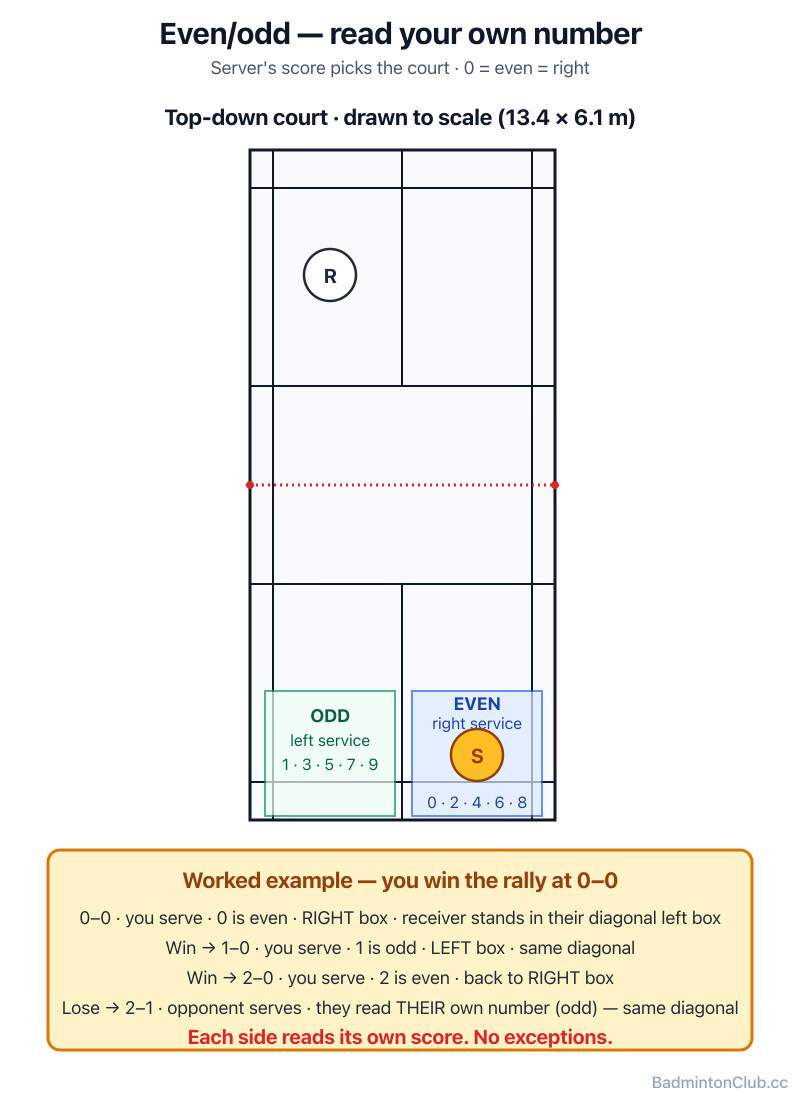
Even score means serve from the right, odd score means serve from the left — and the server's own score is what decides it. This guide explains the even/odd rule for singles and doubles, where the receiver stands, and the one mental habit that stops you serving from the wrong court.
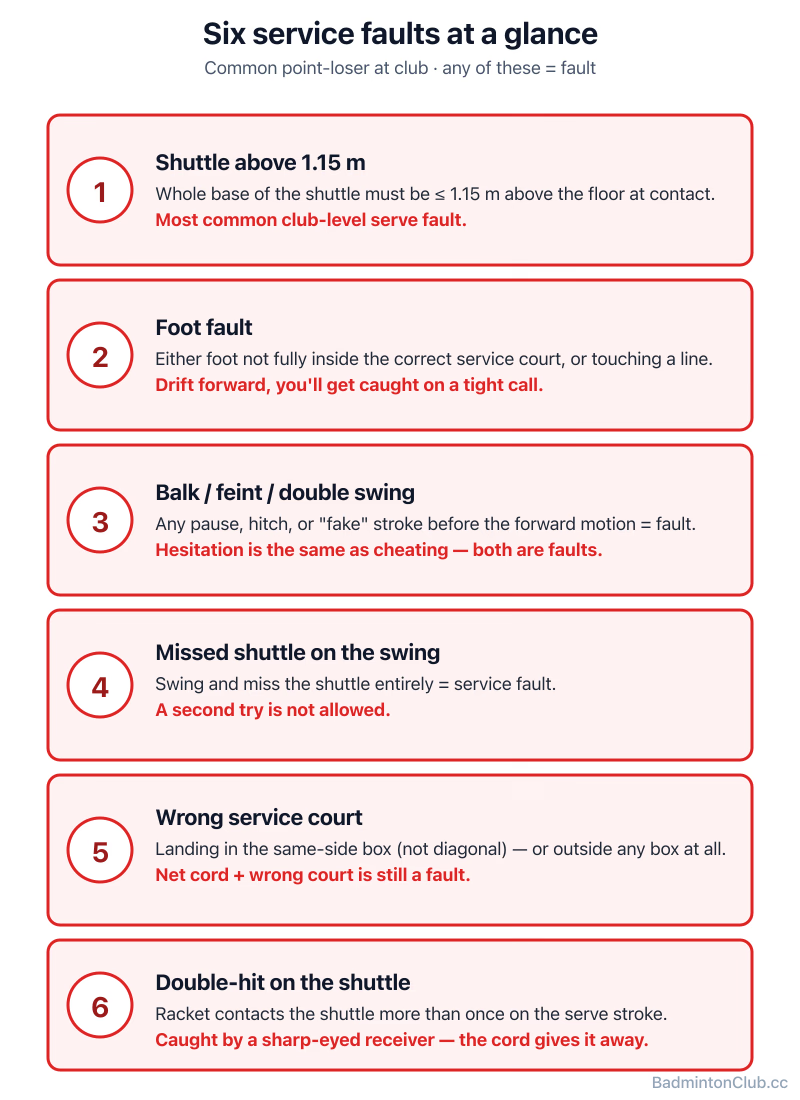
Service faults in badminton cover every illegal serve — wrong height, foot fault, balk, missed shuttle, double hit, or wrong court — and each one hands the rally straight to your opponent. This guide lists every server and receiver fault with a plain-English explanation, so you know exactly what to avoid the next time you step up to serve.
The badminton serve height rule requires the whole shuttle to be below 1.15 metres at the moment of contact. Learn why BWF introduced this fixed line in 2018, how it replaced the old waist-height judgement, and what it means for your low serve and flick serve today.
A badminton match is best of three games — first to win two takes the match. Each game goes to 21 points using rally scoring, with a 2-point lead required and a 30-point cap at deuce. Learn the interval rules, end changes, and how long matches really last.
Rally scoring means every rally produces a point — yes, you can score on your own serve in badminton. This article explains how the 21-point rally system works, what changed from the old 15-point side-out era, and why every rally now matters more than ever.
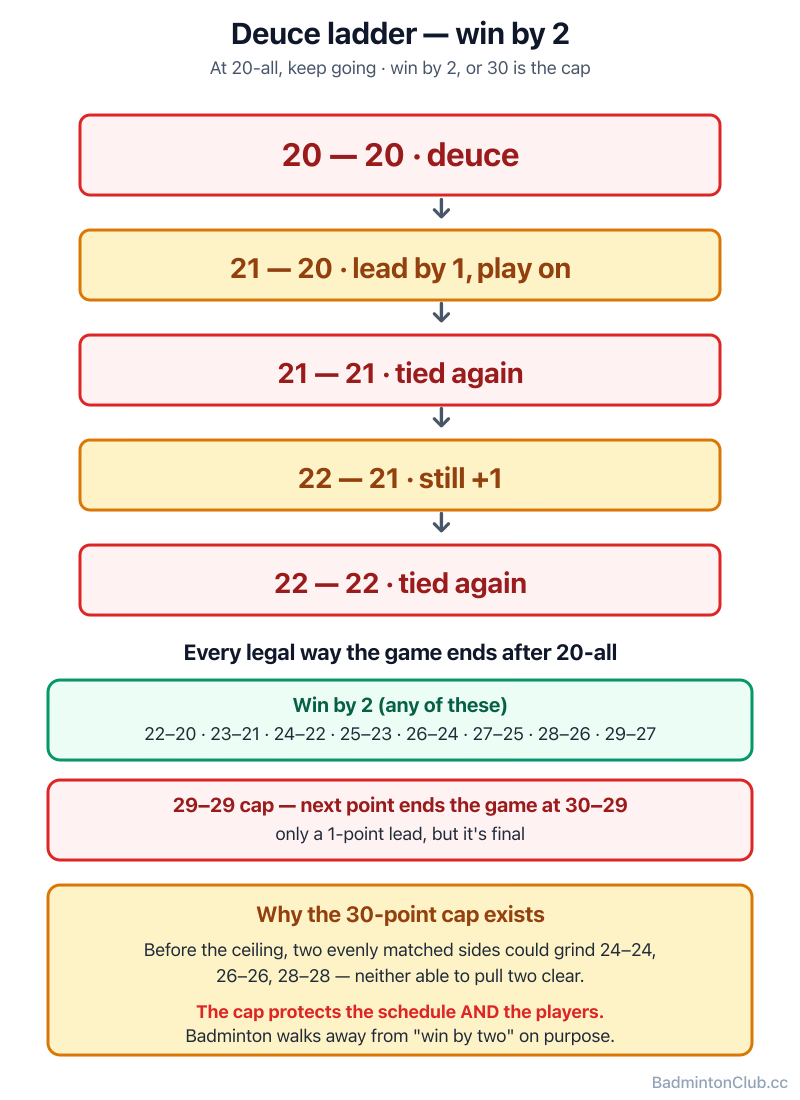
At 20–20 in badminton, the game goes to deuce — you must win by 2 clear points, up to a hard cap of 30. Learn exactly how the deuce rule works, what "setting" means historically, and why 29–29 is decided by a single sudden-death point. Essential for players who want to know the end-game rules cold.