Badminton Service Rules: The Complete Guide to a Legal Serve (Court, Position & Contact)
6 June 2026 · Badminton Fans
A legal badminton serve is hit diagonally into the opposite service court, underarm, with the whole shuttle below 1.15 m at contact, both feet stationary and touching the floor, and the racket moving in one continuous forward motion. Get any of those wrong and it's a service fault.
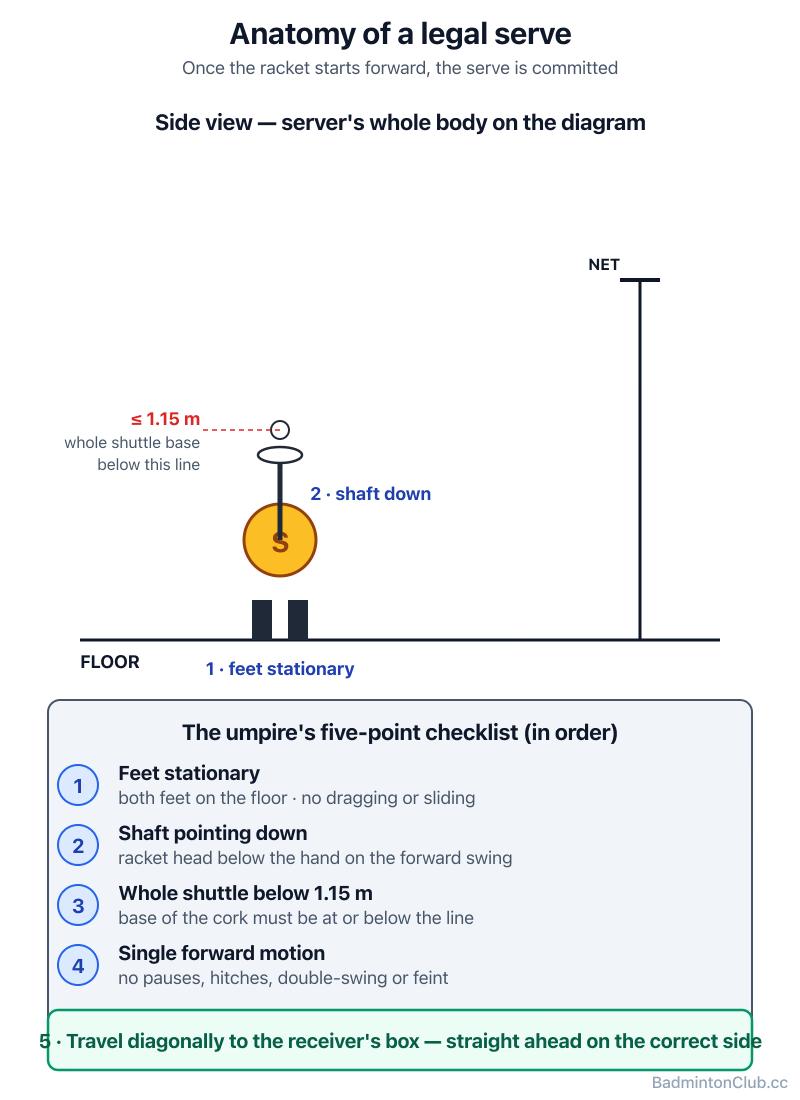
The order an umpire checks your serve
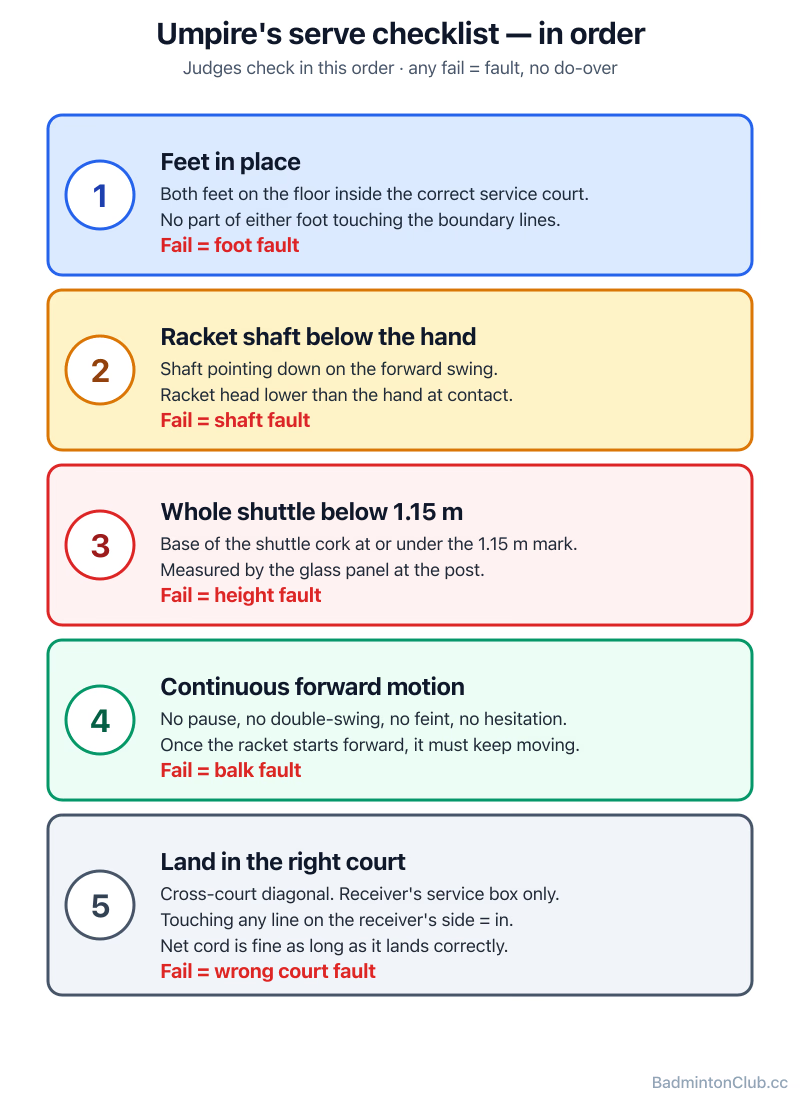
A service judge isn't watching one thing — they run a checklist in a fraction of a second, and it helps to know the order. Feet first: both planted, nothing on a line, nothing sliding. Then contact height: is the whole shuttle under the 1.15 m line at the strike. Then the action: one continuous upward swing, racket head below the hand, no hitch or pause to bait the receiver. Recreational players almost always get pinged on the action, not the height — a little stop-start fake feels clever and is an instant fault. Serve boring and legal; it beats serve clever and called every time.
The conditions for a legal serve
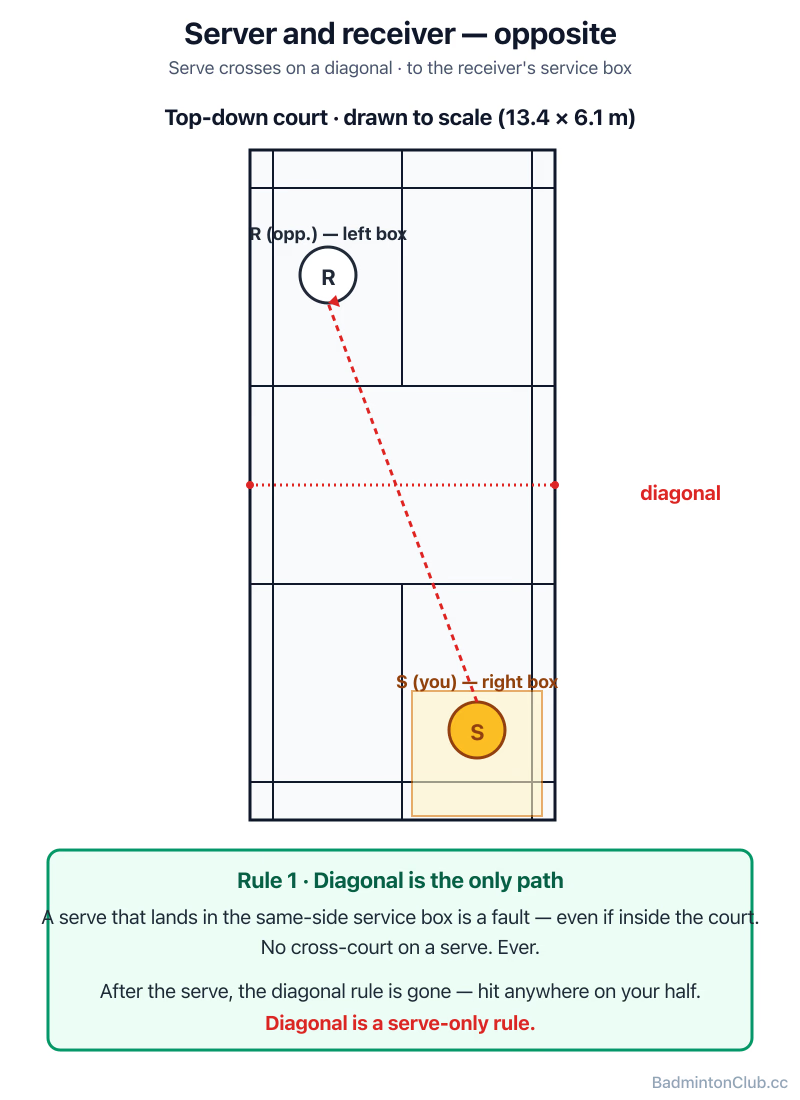
- Diagonal: server and receiver stand in diagonally opposite service courts.
- Contact height: the whole shuttle below 1.15 m from the floor when struck (see the 1.15 m rule).
- Underarm & shaft down: the racket head must be below the hand and the shuttle hit base-first, in one upward, continuous motion (no double action / balk).
- Feet: both feet stationary, part of each touching the ground, not touching any line, until the serve is struck.
- Receiver: must stand still until the serve is struck; may not move feet until then.
Which service court?
The server's score parity decides it: even → right court, odd → left court (full detail in "Where to stand"). The short service line is 1.98 m from the net; the serve must clear it. In doubles, court selection also determines who serves next and how rotation works — worth understanding before your first pairs match.
Example
At 0–0 you serve from your right service court, diagonally into the receiver's right court (your diagonal). Shuttle struck at, say, 1.05 m — legal. Strike it at 1.20 m and it's a fault even if it lands in.
FAQ
- Q: What makes a badminton serve legal? Underarm, whole shuttle below 1.15 m, feet stationary and off the lines, served diagonally into the correct service court.
- Q: Which service court do I serve into? The one diagonally opposite yours.
- Q: Where is the short service line? 1.98 m (6 ft 6 in) from the net — your serve must pass beyond it.
- Q: Can my feet move during the serve? No — both feet must stay still and touching the floor until contact.
- Q: Underarm only? Yes — the racket head must be below your hand; overhead serves are illegal.
- Q: Does the receiver have to stay still? Yes — until the shuttle is struck.
- Q: Is a bad serve a fault? Yes — a service violation is a fault that immediately loses you the rally, giving your opponent a point under rally scoring.
Badminton service rules require an underarm strike with the whole shuttle below 1.15 m, both feet stationary and off the lines, served diagonally into the correct court. This guide walks through every condition — contact height, racket angle, footwork, and court selection — so you can serve legally every time and spot a service fault the moment it happens.