Tight Net Shots & the Hairpin: How to Play the Net So Tight It Can't Be Attacked
6 June 2026
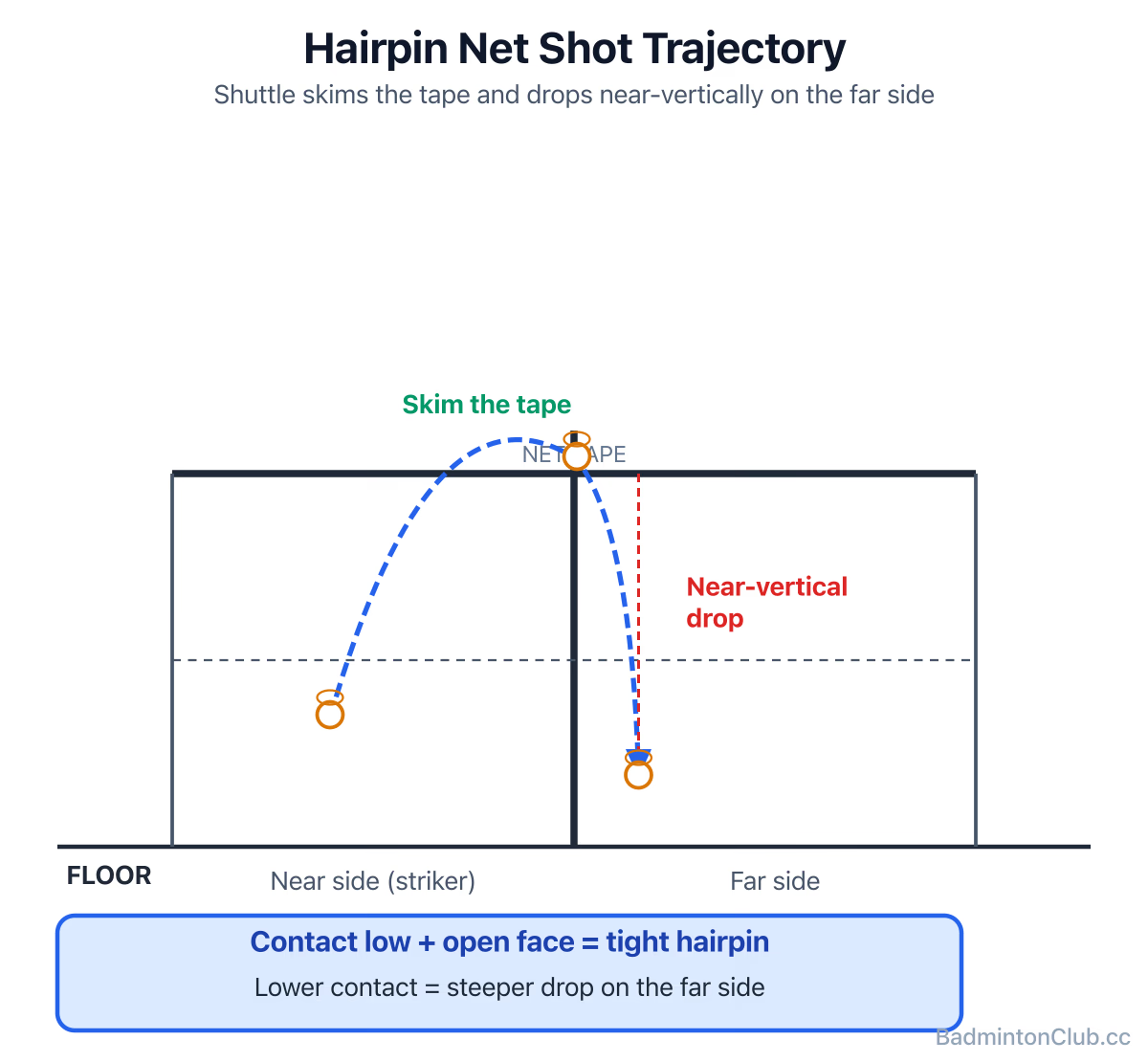
A hairpin (tight) net shot is played with soft hands and a fine fingertip grip so the shuttle rises just over the net and drops almost vertically down the other side — the trajectory mirrors a hairpin, up and straight back down. The tighter it is, the closer to the tape the opponent must take it, and the less they can do with it. Net play is decided by touch and contact point, not strength.
Touch, grip and contact point
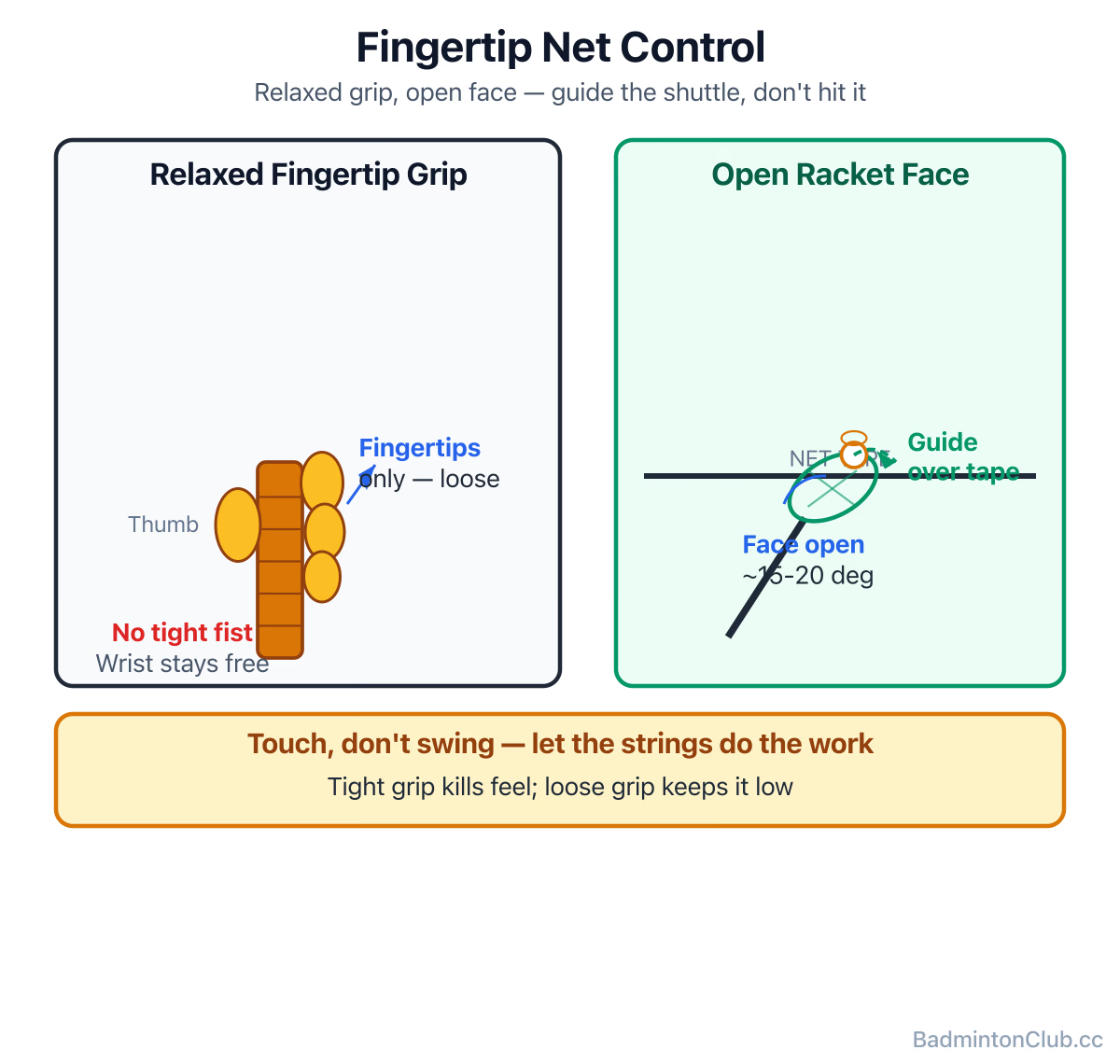
The single biggest lever is where you take the shuttle: meet it high and early, close to net height, and a tight shot is easy; let it fall low and you're scooping it up and it floats. Hold the racket with a relaxed fingertip grip — almost loose — so the racket face can "give" and guide rather than hit. The same relaxed wrist principle powers slice and reverse-slice drop shots at the back of the court — soft contact, not force, creates the angle. The motion is tiny: a gentle lift of the shuttle with the face slightly open, the wrist barely moving, the fingers doing the fine control. Think of placing the shuttle on top of the tape and letting it topple over. Power is the enemy here; the lighter your hands, the tighter the shot.
Cross-court net shot — and punishing a loose one
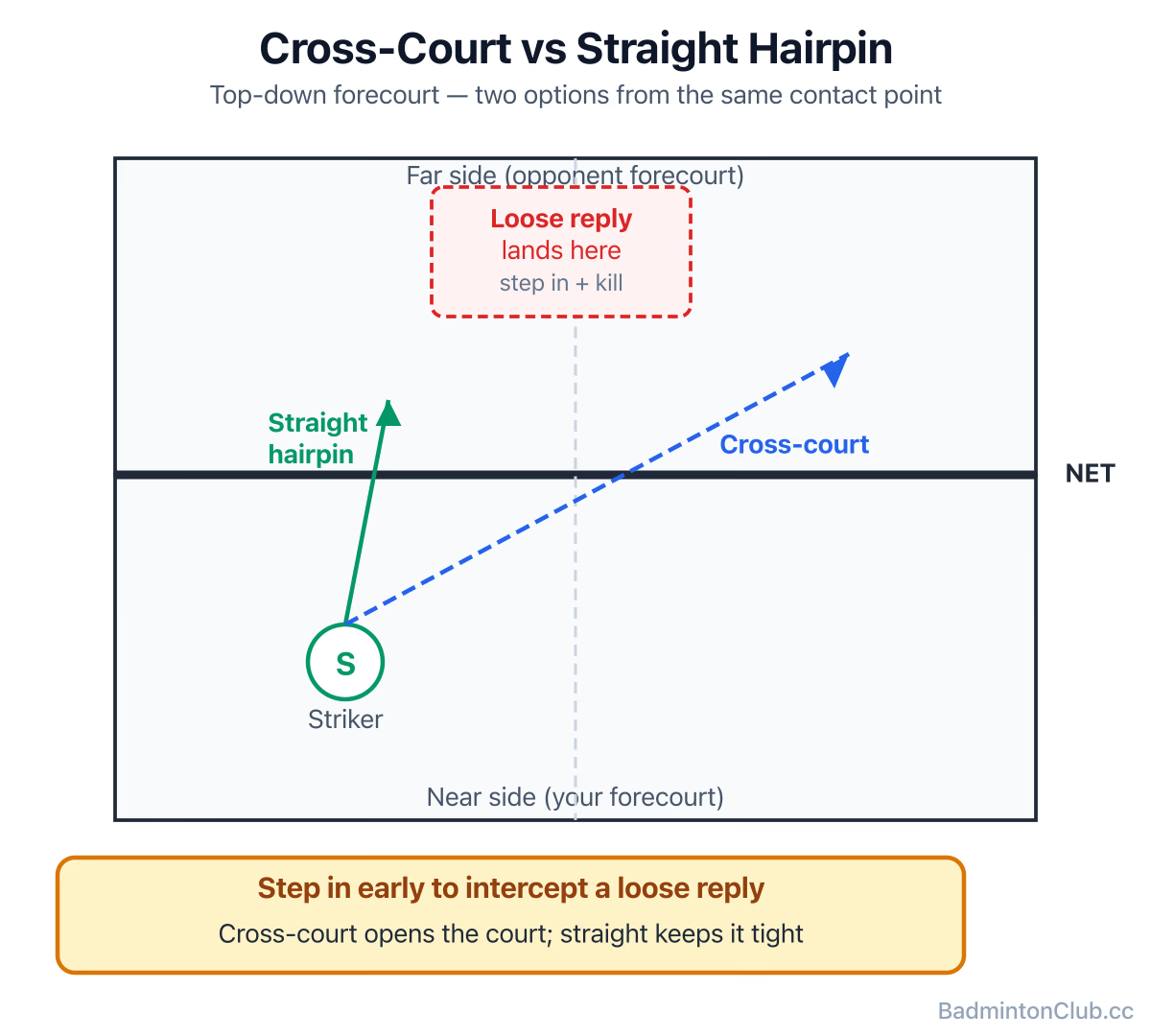
A cross-court net shot sends the shuttle diagonally just over the net — wider and more deceptive than the straight hairpin, but riskier because it travels further over the tape and gives the opponent a fraction more time. The deceptive element shares DNA with wrist snap and double-action shots: the later you commit to the direction, the harder it is to read. Use it when the opponent has over-committed to the straight net. The flip side is punishment: when your opponent plays a loose net shot (one that floats up off the tape), you must pounce — take it early and kill it or push it flat. Leaving a loose net shot unpunished is one of the most common ways improving players bleed easy points. Tight net play is a two-way discipline: play yours tight, and punish theirs that isn't.
Drill: the net touch ladder
Stand at the net with a feeder opposite. Feed yourself or have them play gentle net shots, and return 20 hairpins with one rule: each must cross within a hand's width of the tape. Mark a string or tape line a few centimetres above the net and try to land every shot in that band. Then alternate 10 straight, 10 cross-court to train the face change. The scoring metric is tightness and consistency, never pace. Finish with a "kill the loose one" set — the feeder deliberately floats some shots up, and you step in to put them away. Soft hands fatigue mentally before physically, so short, focused sets win.
What coaches actually shout from the side
"Lighter hands!" — over and over, because everyone grips too hard at the net and the shuttle sails. The best net player I ever partnered barely seemed to move her arm; the whole shot happened in her fingers, and opponents who tried to out-muscle her just fed her loose shuttles to kill. There's a quiet truth here: the front court rewards feel and bravery (taking the shuttle early), not athleticism, which is why net play is the great equaliser for smaller or older players. Get your contact point up at the tape, loosen your grip until it feels almost careless, and your net game will jump a level in a fortnight.
The "gap test"
A way to know your net shot is genuinely tight without watching the opponent react: the shuttle that feels tight is the one whose highest point clears the net by less than the shuttle's own diameter. The cork is about 25–28 mm across, so anything clearing the tape by more than a thumb's width is, in honest terms, a giveaway to a player who's paying attention. Practise by aiming to skim the white tape — literally try to clip the top band — and you'll find your tight shots get tighter without changing your swing at all. Aim for "just barely", not "comfortably over". The net rewards bravery at the tape, not a generous margin.
FAQ
- Q: What is a hairpin net shot? A tight net shot that rises just over the tape and drops almost vertically down the other side, tracing a hairpin shape.
- Q: How do you make a net shot tighter? Take the shuttle high and early near net height, use a relaxed fingertip grip, and guide it gently over the tape instead of hitting it.
- Q: Why does my net shot keep floating up? You're taking it too low and gripping too hard — meet it earlier and lighten your hands so the racket face guides rather than pushes.
- Q: When should I play a cross-court net shot? When the opponent has over-committed to covering the straight net; it's more deceptive but riskier because it travels further over the tape.
- Q: How do you punish a loose net shot? Take it early at the top and kill it down or push it flat — never let a shuttle that floats off the tape go unpunished.
- Q: Do you need a strong wrist for net shots? No — fine fingertip touch and an early, high contact point matter far more than wrist or arm strength.
Tight net shots win points by forcing the opponent to lift — but only if the shuttle barely clears the tape. This guide explains the hairpin net shot: the fingertip grip, high contact point, and relaxed swing that make net play unattackable. Covers cross-court net shots, punishing loose replies, a tightness drill, and the gap test for honest self-assessment.