Deception in Badminton: Wrist Snap, Double Action & the Late Hit That Freezes Opponents
6 June 2026 · Badminton Fans
Deception in badminton is the art of making your shot look like a different shot until the last possible instant — done with a consistent preparation that hides several options, a late forearm/wrist snap that picks the real one, and timing tricks like the double action (faking one swing, then hitting another) and the late hit (delaying contact to freeze a moving opponent). The goal isn't a trick shot; it's to make the opponent commit the wrong way, then hit into the space they just left.
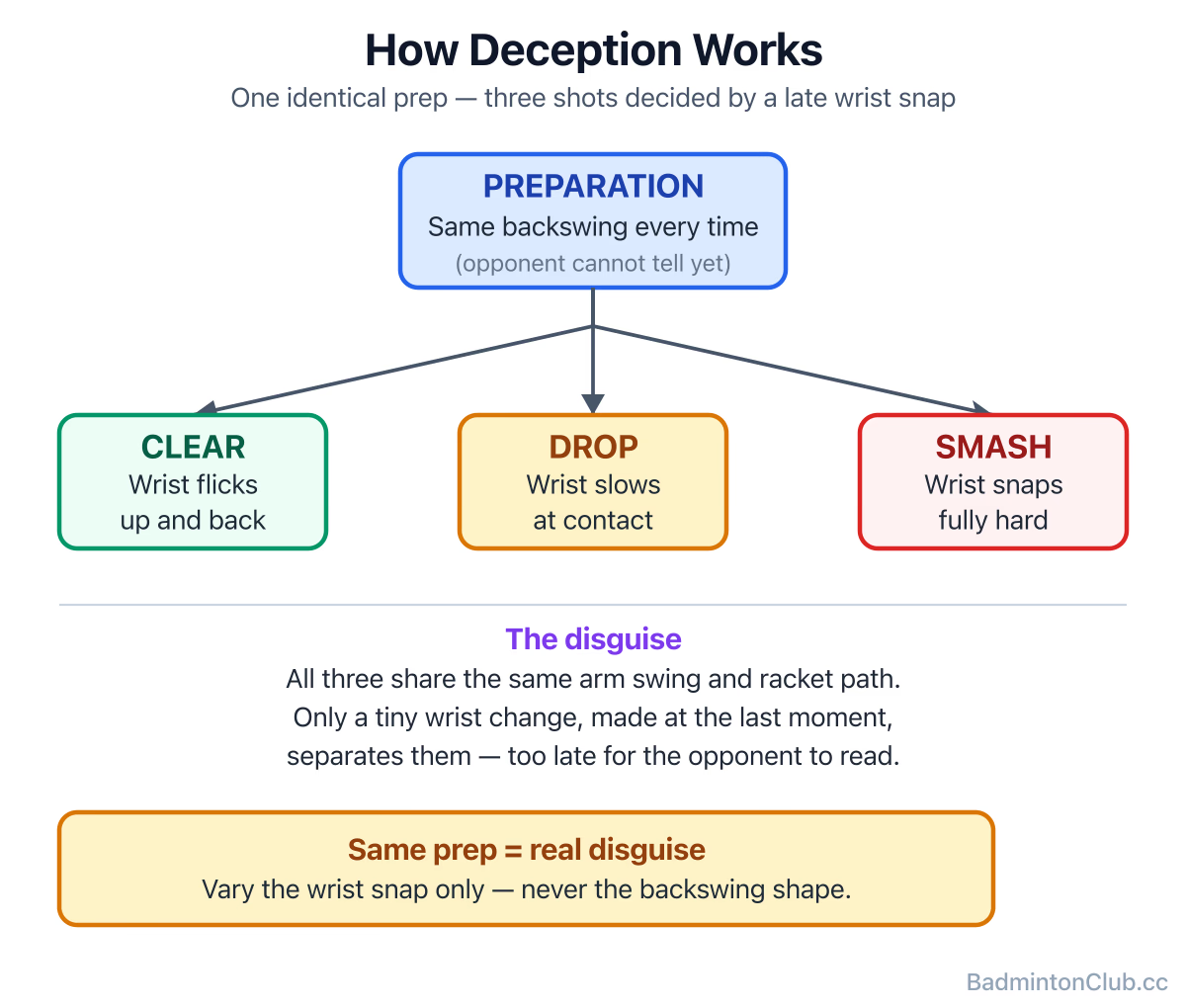
The foundation: one preparation, many outcomes
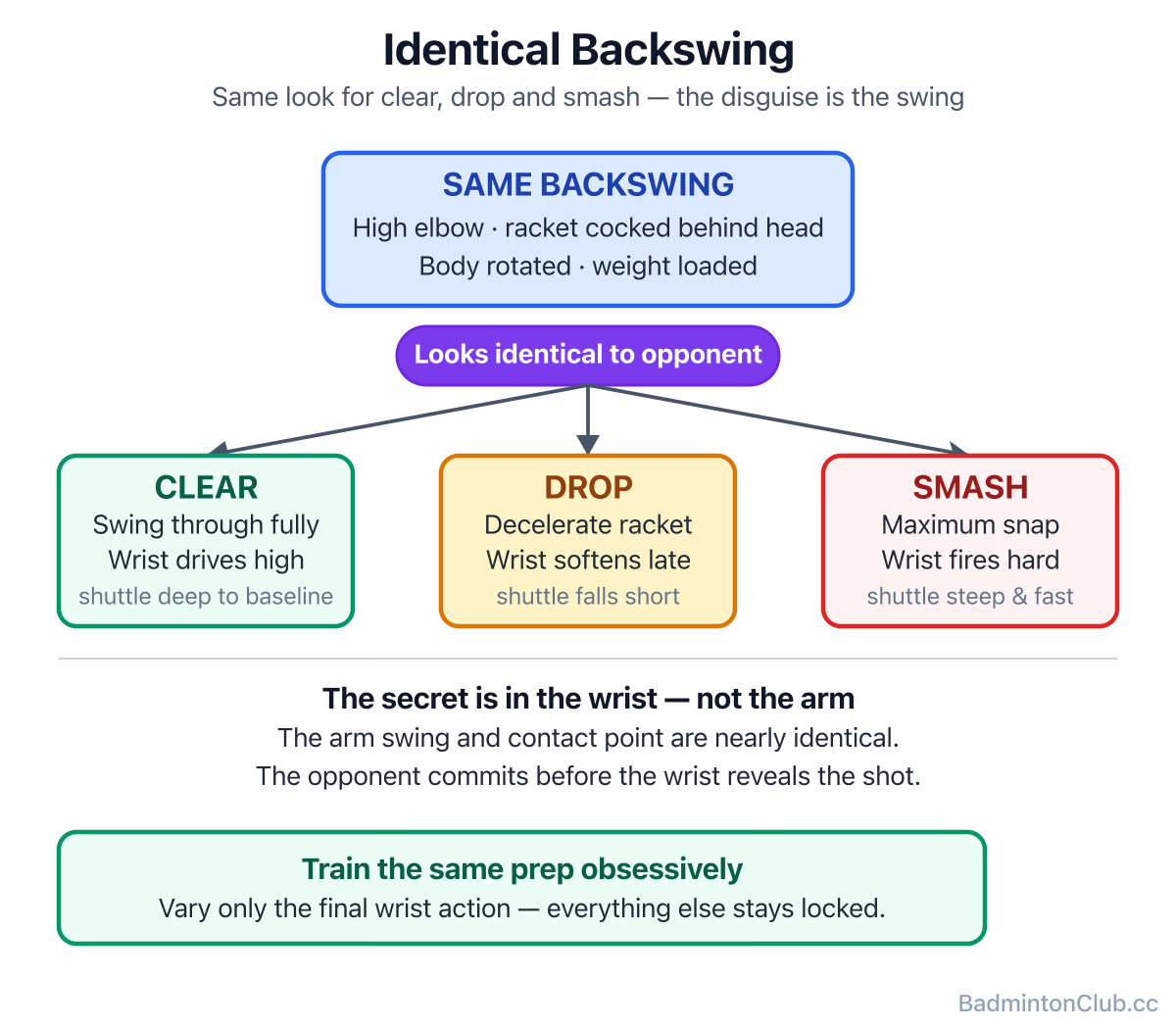
Every deceptive shot starts from the same place — a consistent racket preparation that could plausibly become a clear, a drop or a smash. If your drop has a smaller backswing than your smash, a good opponent reads you before you've hit anything; the disguise is already blown. So the first half of deception is boring: identical setup for as many shots as possible, the difference saved entirely for a late wrist-and-forearm snap at contact. Hold the racket up and ready, keep the early motion the same, and let the last few centimetres decide. Deception lives in the bit the opponent can't see in time to react.
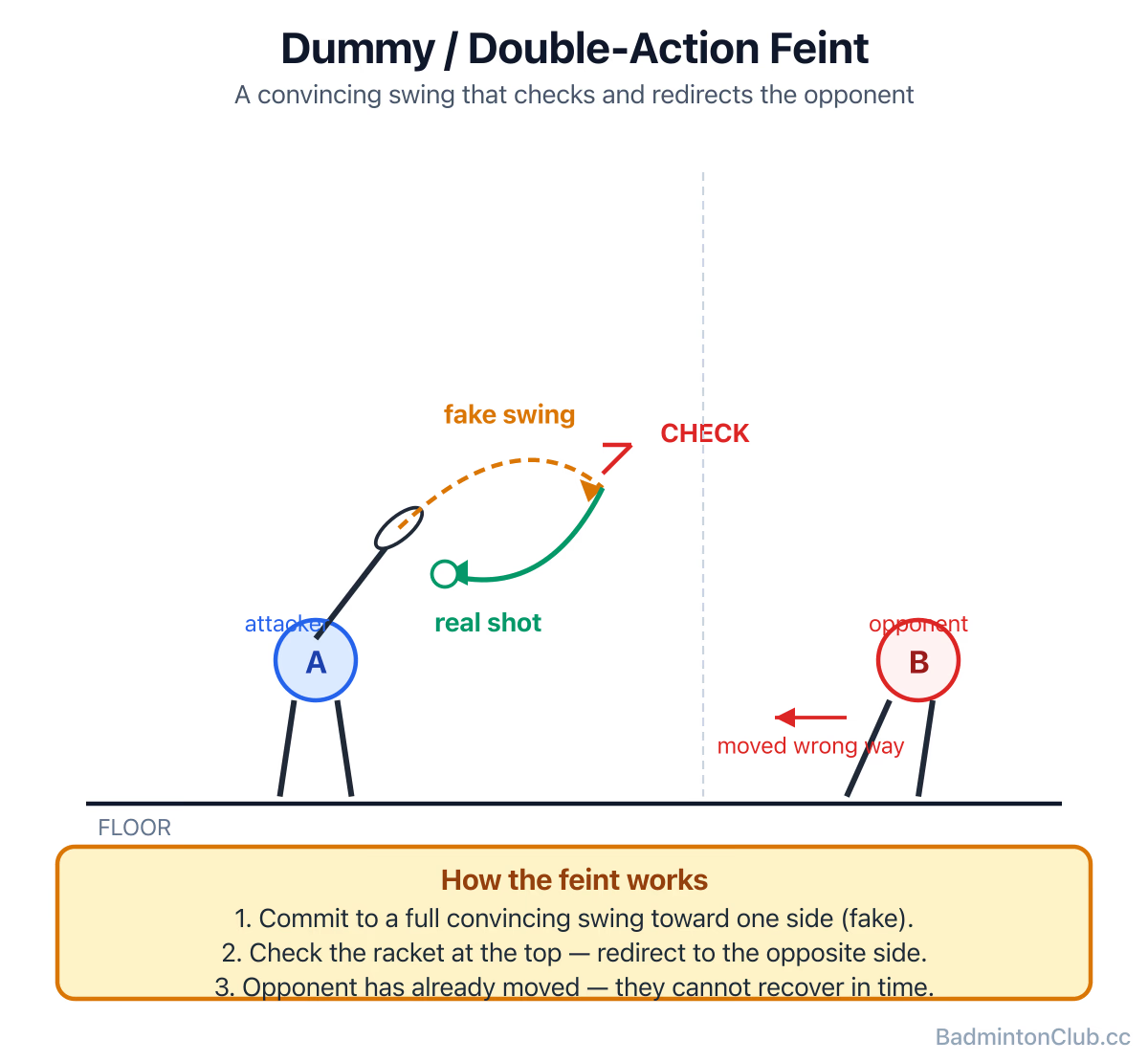
Double action and the dummy
A double action shot fakes the swing toward one corner, checks, then redirects to another — the racket starts one way, stalls, and finishes elsewhere. Pair this with slice and reverse-slice drop shots and the same preparation can hide even more exit angles. A dummy is the extreme: a full convincing swing that doesn't hit the shuttle as the opponent expects, or a body-and-racket feint that sends them moving before you've played the real, gentle shot. These work on anticipation: against an opponent who's guessing and leaning, a dummy is lethal; against a patient, balanced opponent who waits, it's wasted effort and you've added risk for nothing. Read who you're playing before you spend a dummy.
The late hit — freezing a moving opponent
The late hit delays contact a beat longer than expected, holding the shuttle until the opponent has already committed their split-step or first step the wrong way. You prepare early, then wait — the racket poised — and strike once they've shown their hand. It's especially brutal at the net and in the rear court: a held drop after a smash-look, a clear taken late as they charge in. For net-specific holds, deceptive net shots and the hold-and-flick take this same principle to its most lethal form at the tape. The skill is the hold: staying relaxed and balanced while you wait, so the delayed snap is still fast. Rush the hold and the whole shot collapses into a weak push.
What coaches actually shout from the side
"Make it look the same!" — because club players think deception is an exotic flick of the wrist, when it's really just not telegraphing. The most deceptive players in any hall aren't doing magic; they've simply removed the tells — same grip, same prep, racket always up, eyes not staring at the corner they're about to hit. A mild but firm opinion: spend your practice removing tells, not adding tricks. A clean clear and drop off an identical swing will win you more points than any fancy double-action you can only land one time in five. And don't over-deceive — a player who fakes on every shot is, paradoxically, completely predictable.
The "one-tell" check
If I had to name the single biggest deception tell at club level, it's the eyes. Almost everyone flicks their gaze toward the corner they're about to hit a fraction before the racket commits — a 100-millisecond look-away that opponents rarely read consciously but absolutely react to. Film yourself and watch the eyes, not the hand. Once you spot it, the fix is straightforward: keep your eyes on the contact zone (or on the opponent) through the stroke, and the shot becomes far more deceptive with no other change. Fixing the eyes fixes more deception than any wrist technique will — and it costs you nothing to learn.
FAQ
- Q: What is deception in badminton? Making a shot look like a different shot until the last instant, so the opponent commits the wrong way and you hit into the space they vacate.
- Q: How do you disguise a shot? Use an identical early preparation for several shots and save the difference for a late wrist-and-forearm snap the opponent can't read in time.
- Q: What is a double action shot? A fake swing toward one direction that checks and redirects to another, beating an opponent who's already leaning.
- Q: What is a late hit? Delaying contact a beat so the opponent commits their movement first, then hitting into the space — you hold the racket poised and strike late.
- Q: Does deception need a strong wrist? It needs a relaxed-then-fast forearm and good timing more than raw wrist strength; the snap must stay quick even after a hold.
- Q: Can you over-use deception? Yes — faking on every shot makes you predictable and adds risk. Disguise everything, but only spring an actual dummy when the opponent is guessing.
Deception in badminton turns the same preparation into multiple threats — learn how a late wrist snap, double action fake, and held hit freeze your opponents. Covers identical backswing technique, dummy shots, the hold-and-strike sequence, and the one tell (your eyes) that gives everything away at club level.