Slice & Reverse-Slice Drop Shots: Cutting the Shuttle for Deceptive Angles
6 June 2026 · Badminton Fans
A slice drop is hit by brushing across the shuttle rather than hitting flat through it, which kills pace and steepens the drop while keeping a fast, smash-like arm action for disguise. A reverse slice is the cross-court version hit with an outward "reverse" brush — your racket face slices the opposite way to where the shuttle goes, so the body and arm say "straight" while the shuttle travels cross-court. Done well, both look like a smash until contact.
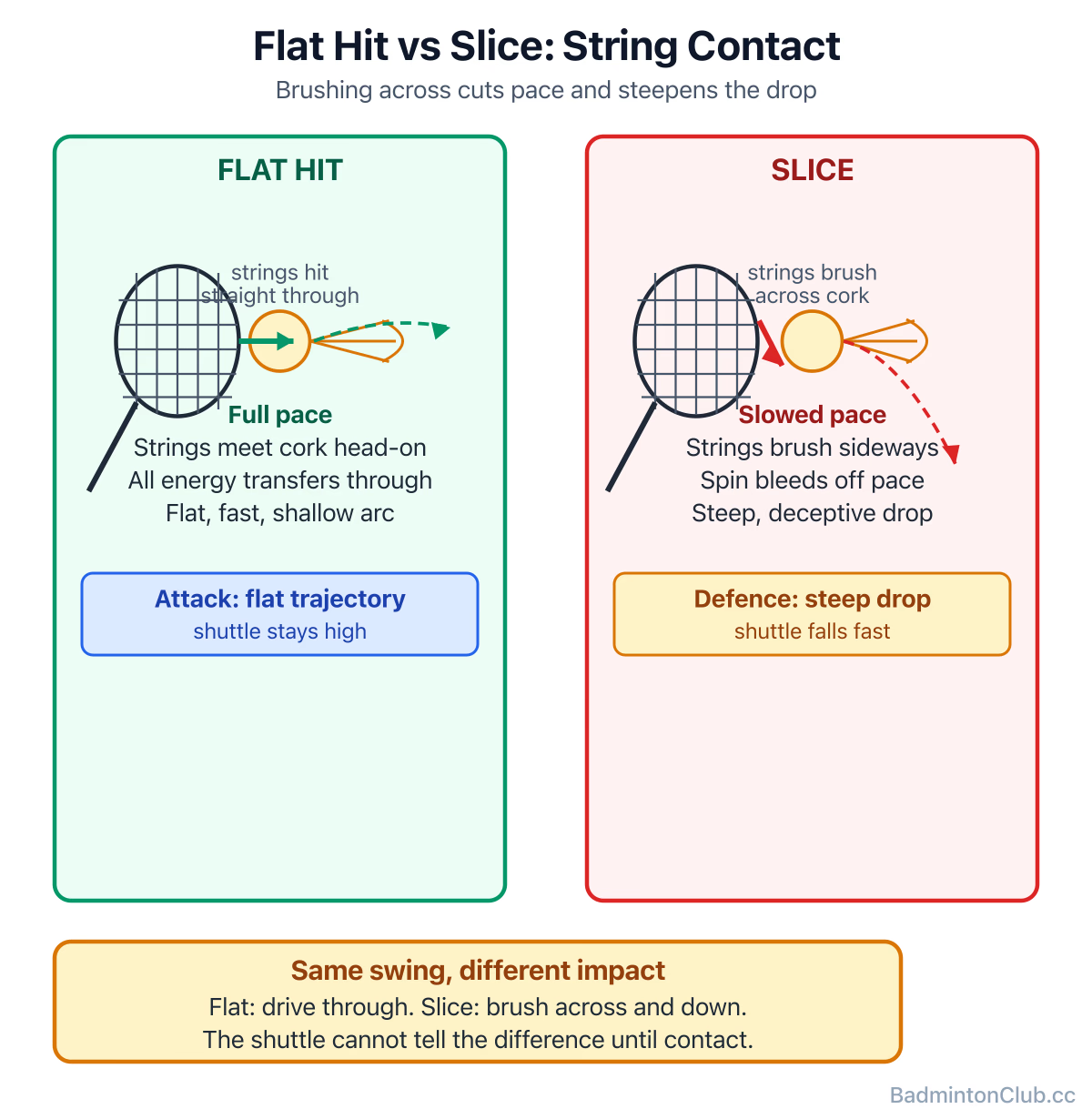
How slicing works
When you hit through a shuttle it flies fast and far. When you brush across it — strings travelling sideways over the cork — you transfer less forward speed, so the shuttle slows abruptly and falls steeply just over the net, often with a slight curve. The disguise is the gift: because you can keep a full, fast arm swing (it looks like a smash) and let the slice do the slowing, the opponent prepares for power and gets a feather. A straight slice uses an inward brush; the drop dives down your own side. Contact is still high and early — slicing is a brush at the top of the same overhead motion, not a soft poke.
The reverse slice — the deceptive one
The reverse slice is the cross-court sliced drop, and it's the money shot because the deception is doubled. Your arm swings as if hitting straight (or even down-the-line smash), but the racket face brushes outward across the shuttle, sending it softly cross-court — the opposite direction to everything your body language advertised. Pair it with a credible smash threat and the defender has no safe read; it belongs in the same toolkit as the fake smash and check smash for keeping a defender pinned deep. It curves away from the lunging opponent. It's harder to control than a straight slice (more brush, less margin over the net), so groove the straight one first. The sliced smash applies the same idea to a full power shot: a brush across a smash to bend its angle and add a checking, falling quality that wrong-foots a blocker.
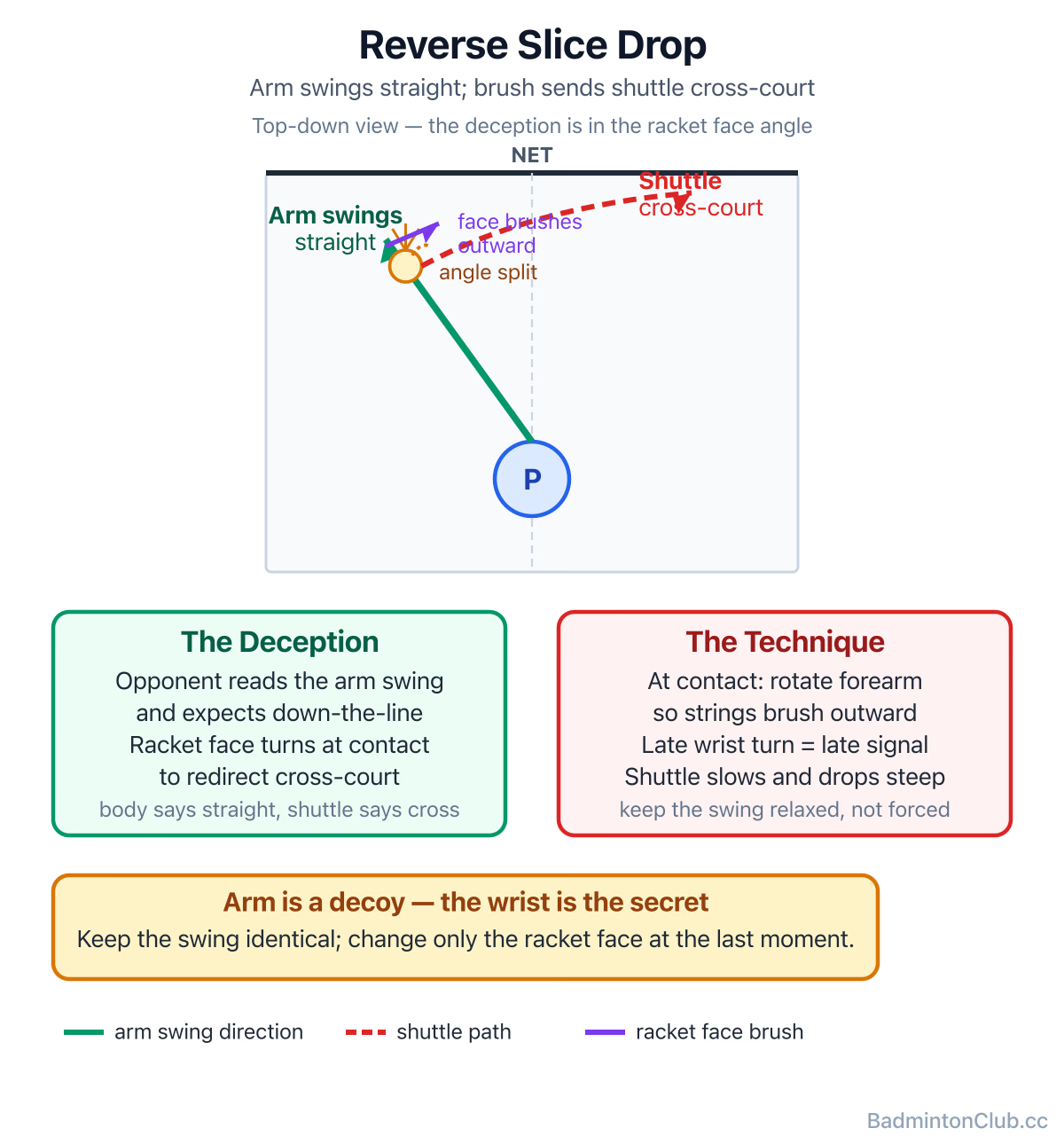
Drill: shadow the brush, then groove the corners
Start with no shuttle: shadow an overhead and feel the racket face brush sideways at the top instead of punching through — inward for straight, outward for reverse. Then have a feeder lift to your forehand rear corner and hit 20 straight slice drops aiming to land inside the first metre past the net, full smash-speed arm each time. Once those are consistent, switch to 20 reverse slices cross-court. Track how many land in the front tramlines on the diagonal — placement, not pace, is the score. Film it: if your arm visibly slows before contact, the disguise is gone and so is the point of the shot.
The mistake that gives it away
The dead giveaway on a club court is the slowed arm. Players want the soft result so they decelerate, and a good opponent reads "drop" the instant your swing eases off — then strolls in and kills it. The whole trick is fast arm, slow shuttle, and the only thing that delivers that is the brush. This is exactly the same principle behind deception in badminton: the disguise lives in the swing, not the wrist flick. The other tell is contact too low: take a slice late and it floats long and sits up. My honest take — most players try reverse slices two years before they should. Build a disguised straight slice that you can land blindfolded first; the cross-court version is a small change to a solid motion, not a separate party trick.
Why some halls make it easier
String tension affects slicing more than most club players realise. A lower-tension stringbed gives the strings more "give" to bite across the cork, so slices spin more readily and the brush feels natural; a tight, hard stringbed is great for flat smashes but noticeably tougher to slice with. If you struggle to land a reverse slice in a session, check what rackets you're borrowing — they may be strung for power, not touch. Dropping your own tension by a kilogram or two for a month is a small experiment that can quietly transform the slice, especially in cooler halls where the shuttle is already sluggish on the cork.
FAQ
- Q: What is a slice drop shot in badminton? A drop hit by brushing across the shuttle instead of through it, killing pace and steepening the drop while keeping a fast, smash-like arm for disguise.
- Q: What is a reverse slice drop? The cross-court sliced drop — the racket face brushes outward while your body swings as if hitting straight, sending the shuttle softly the opposite way.
- Q: Why slice instead of hitting a plain drop? Slicing lets you keep a full fast arm swing (so it looks like a smash) while the brush does the slowing, making it far harder to read.
- Q: What is a sliced smash? A full-power smash hit with a brush across the shuttle to bend its angle and add a falling, checking quality that wrong-foots blockers.
- Q: Why does my slice drop float long? Usually contact is too low/late or your arm decelerates — keep contact high and early and let the brush, not a slow swing, take the pace off.
- Q: Straight slice or reverse slice first? Straight. Groove a disguised straight slice you can land reliably before adding the harder cross-court reverse slice.
Learn how to hit deceptive slice and reverse-slice drop shots in badminton by brushing across the shuttle with a full smash-speed arm. Covers the straight slice, the cross-court reverse slice, common giveaways like the slowed arm, a groove drill for both corners, and string tension tips — ideal for intermediate players ready to add the most disguised drop in the game.