The Low Serve & Backhand Serve in Badminton: Consistency, Rhythm & Disguise
6 June 2026
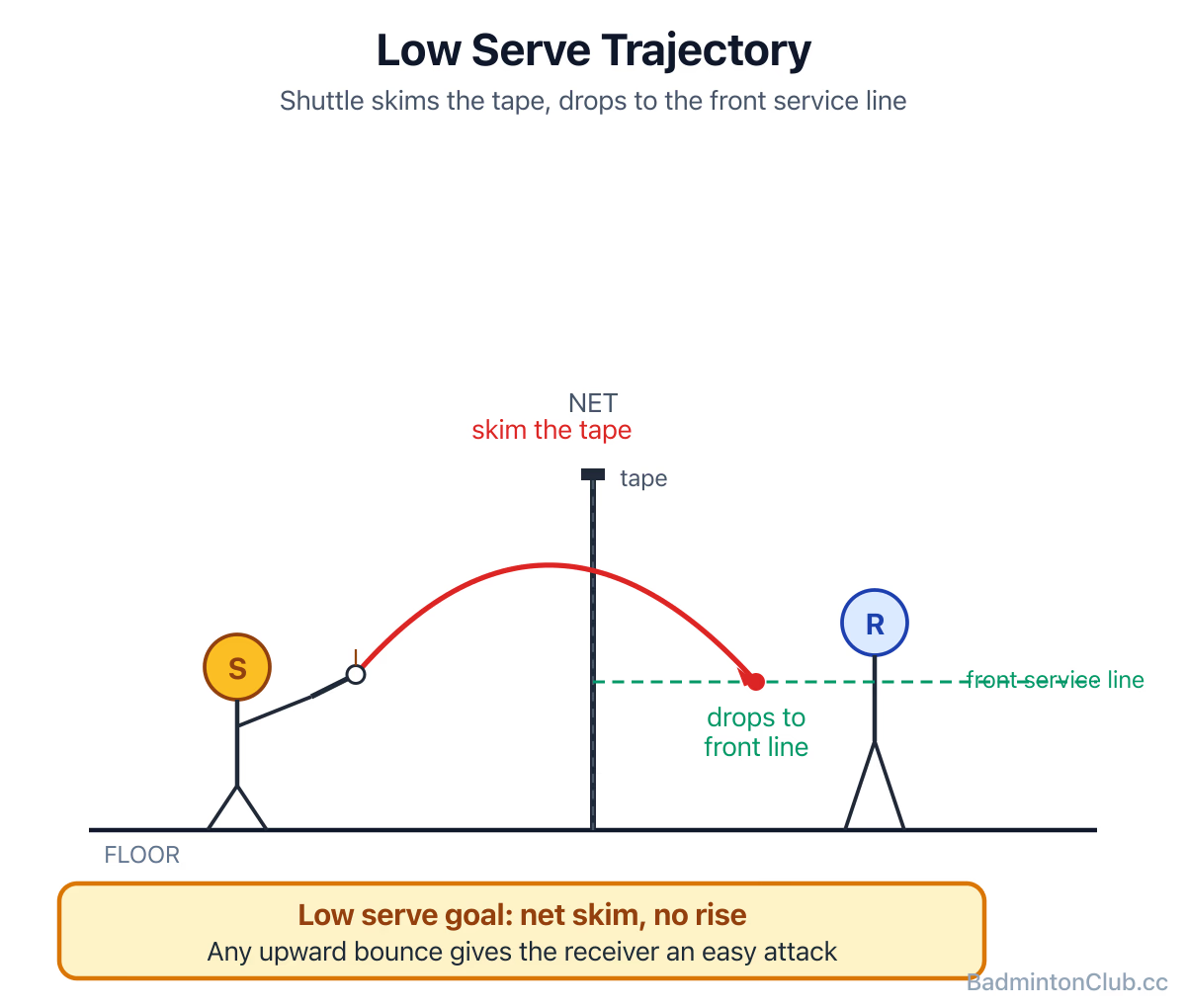
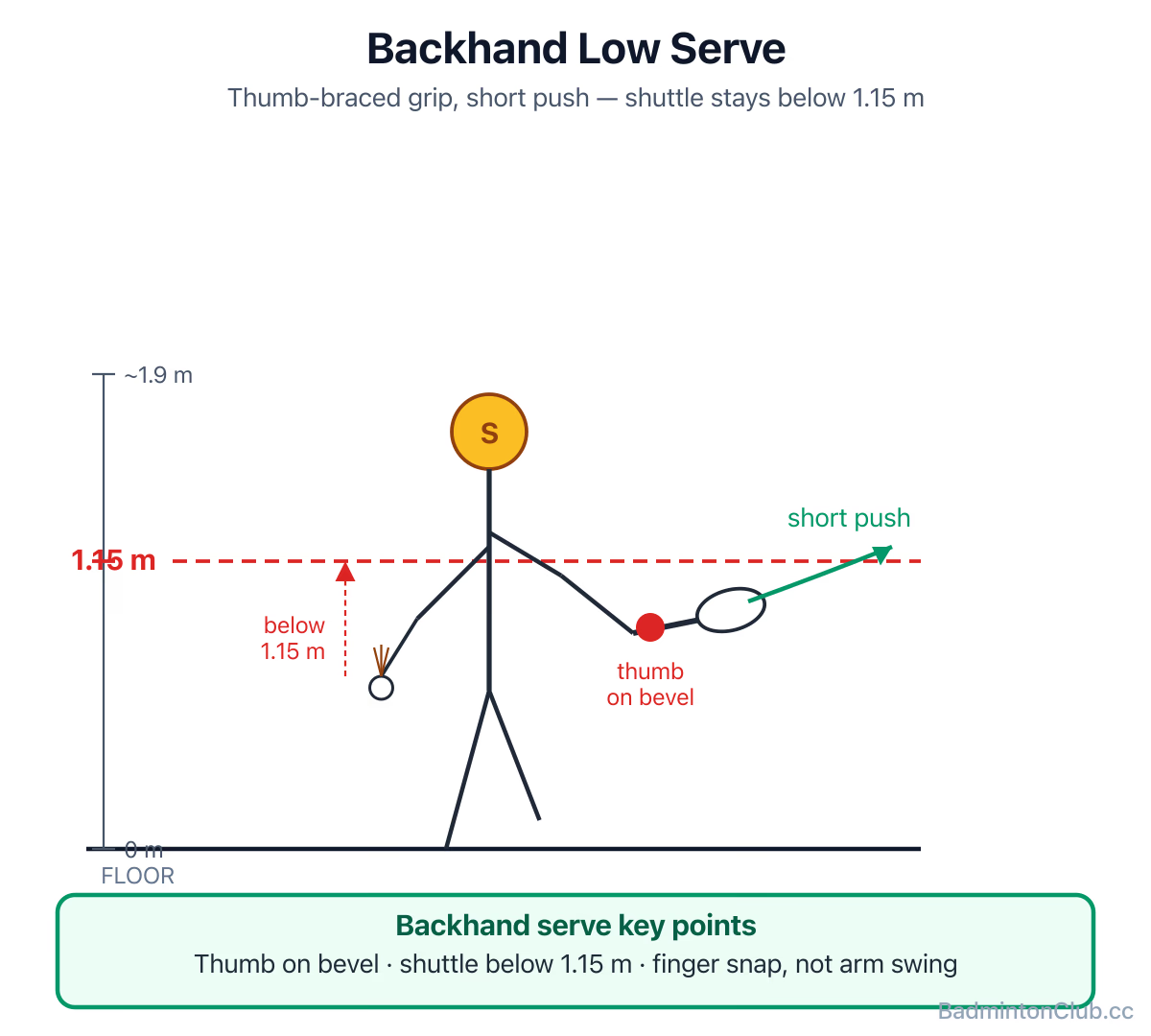
A good low serve sends the shuttle skimming just over the net to land right on the front service line, given almost no pace so the receiver can't attack it — and in modern doubles it's nearly always played backhand, with a thumb-braced grip, a short controlled push, and the whole shuttle struck below 1.15 m to stay legal. Consistency here is worth more than any flashy shot: the low serve starts more rallies than anything else you do.
The backhand low serve technique
Stand close to the front service line, racket-foot forward, weight settled. Hold the racket with a thumb-braced backhand grip and the shuttle by the feathers in front of you at about waist height. The serve is a short, controlled push from the forearm and fingers — almost no arm swing — that lifts the shuttle just over the tape. The contact must be below the 1.15 m service-height line (the BWF fixed-height law used in all international play), so keep it compact and low. The target is the receiver's front service line, the shuttle arcing down so it's falling as it crosses — that's what makes it unattackable. Brush the tape and it's perfect; clear it by a foot and you've offered a free kill.
Consistency, rhythm and disguise
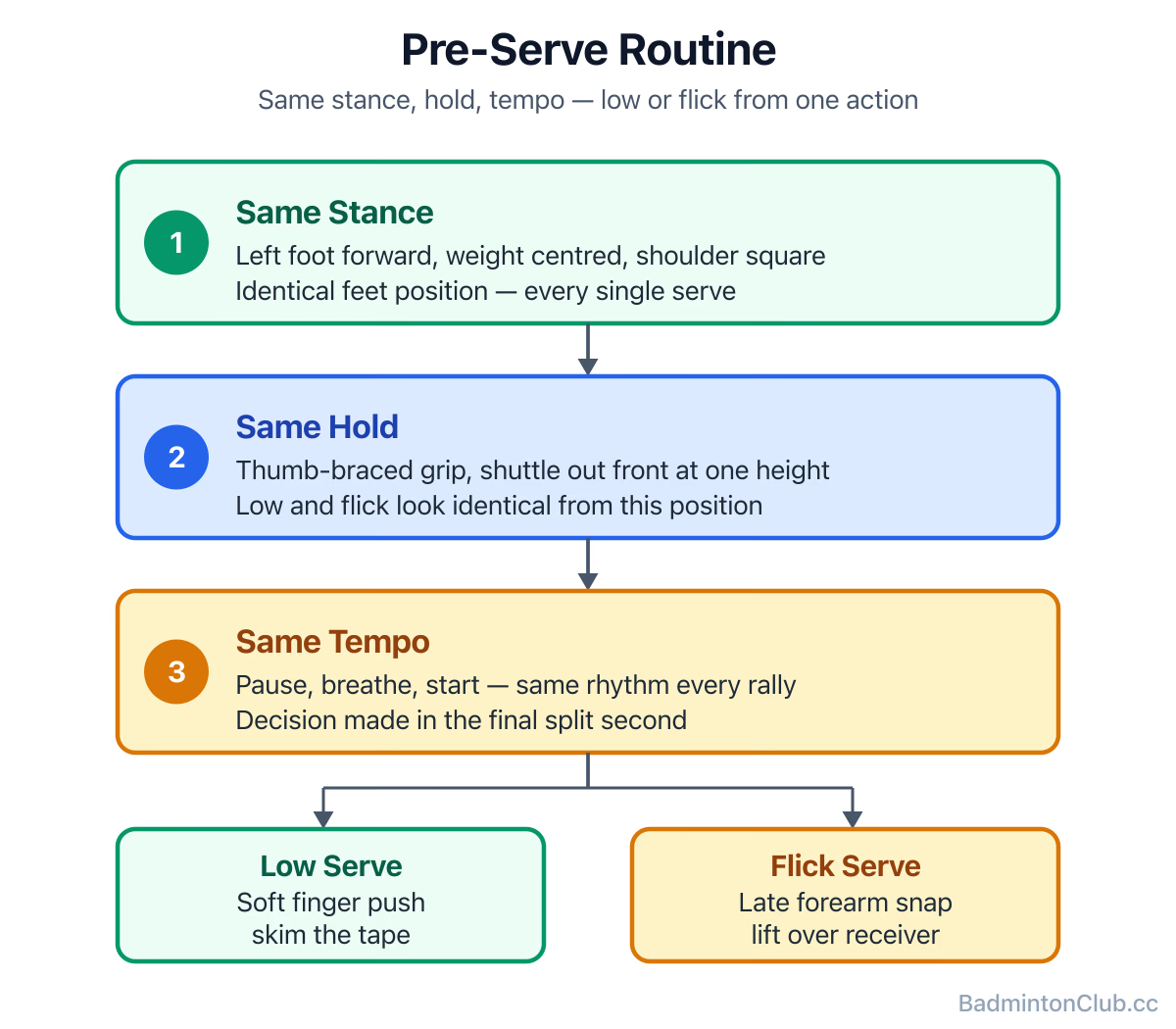
The low serve is a pressure skill — it has to hold up at 19–20 in the third, not just in the warm-up. Build a fixed pre-serve routine: same stance, same shuttle hold, same breath, every time, so the motion is grooved and tension can't change it. Rhythm matters — a smooth, identical tempo on every serve means the receiver can't time your release. And the same setup must hide the flick: if your low serve and flick serve look different in preparation, a good receiver reads you and either rushes the low or sits back for the flick — the same principle of deception in badminton that applies to every touch in the game. The whole point of a disciplined low serve is that it's identical to the threat behind it.
Drill: target the line
Put a target — a towel or a shuttle tube laid down — straddling the front service line in the service box. Serve 50 low serves at it, tracking two numbers: how many land within a racket-length of the line, and how many skim within a few centimetres of the tape. Don't chase one perfect serve; chase a boring, repeatable one. Then mix in the occasional flick or drive serve from the identical action so the low serve never becomes readable. Serve practice is dull and almost nobody does enough of it — which is exactly why a genuinely reliable serve is such an edge.
What coaches actually shout from the side
"It's only a serve — until you miss it." The low serve is the most under-practised, over-blamed shot in club badminton. People spend an hour on their smash and zero minutes on the serve that starts every rally, then wonder why they gift cheap points or get their serve killed. My strong opinion: a player with an unattackable low serve and a credible flick off the same action has a bigger competitive edge than one with a 50-km/h-faster smash. It wins the start of the rally, sets the tone, and it never gets tired. Groove it until it's automatic and you've quietly upgraded your whole game.
The shuttle's quiet sound
A clean low serve that just clears the net has a barely audible "tck" as the cork crosses the tape — not a thwack, not a thump, just a soft tick. If you hear a clear impact, the shuttle is hitting the tape from above — legal, but high. Train the ear for that quiet sound and you'll know when you're serving at the right height, without ever looking down. Listen to the tape in the warm-up and you can adjust to the day's net tension in two or three serves. It's also a cue for the receiver: the quieter your serve, the harder it is for them to time the contact. The big "thwack" low serve is a serve that's also an alarm bell.
FAQ
- Q: How do you serve low consistently in badminton? Use a thumb-braced backhand grip and a short controlled finger-and-forearm push that skims the shuttle just over the tape onto the front service line, with a fixed pre-serve routine so it holds up under pressure.
- Q: How high can you serve in badminton? The whole shuttle must be below 1.15 m from the court at the instant of contact under the BWF fixed-height service law used in international play.
- Q: Why is the backhand serve used in doubles? It's compact and easy to disguise and control, letting you place the shuttle tight to the front line and hide a flick behind the same action.
- Q: Why does my low serve keep getting killed? It's clearing the net by too much or arriving with pace — aim to brush the tape so the shuttle is falling as it crosses the front service line.
- Q: How do I disguise my serve? Use an identical stance, hold and tempo for the low serve and the flick so the receiver can't tell which is coming until it's struck.
- Q: Where should a low serve land? Right on the receiver's front service line, falling as it crosses the net so it can't be attacked downward.
Master the backhand low serve in badminton — a thumb-braced grip, a short push that skims the tape, and a fixed routine that holds under pressure. This guide covers technique, the 1.15 m service law, a 50-serve drill for repeatability, and how to disguise the flick behind the same action so receivers can never read you early.