Return of Serve in Badminton: Rushing, Reading & Punishing the Serve
6 June 2026
A good return of serve starts from an aggressive ready position — racket up, weight forward, ready to rush the net — so you can attack a loose low serve downward, intercept a flick before it gets behind you, and disguise your own return so the server can't predict it. In doubles, the receiver who attacks the serve dictates the rally; the one who lets it land is already on the back foot.
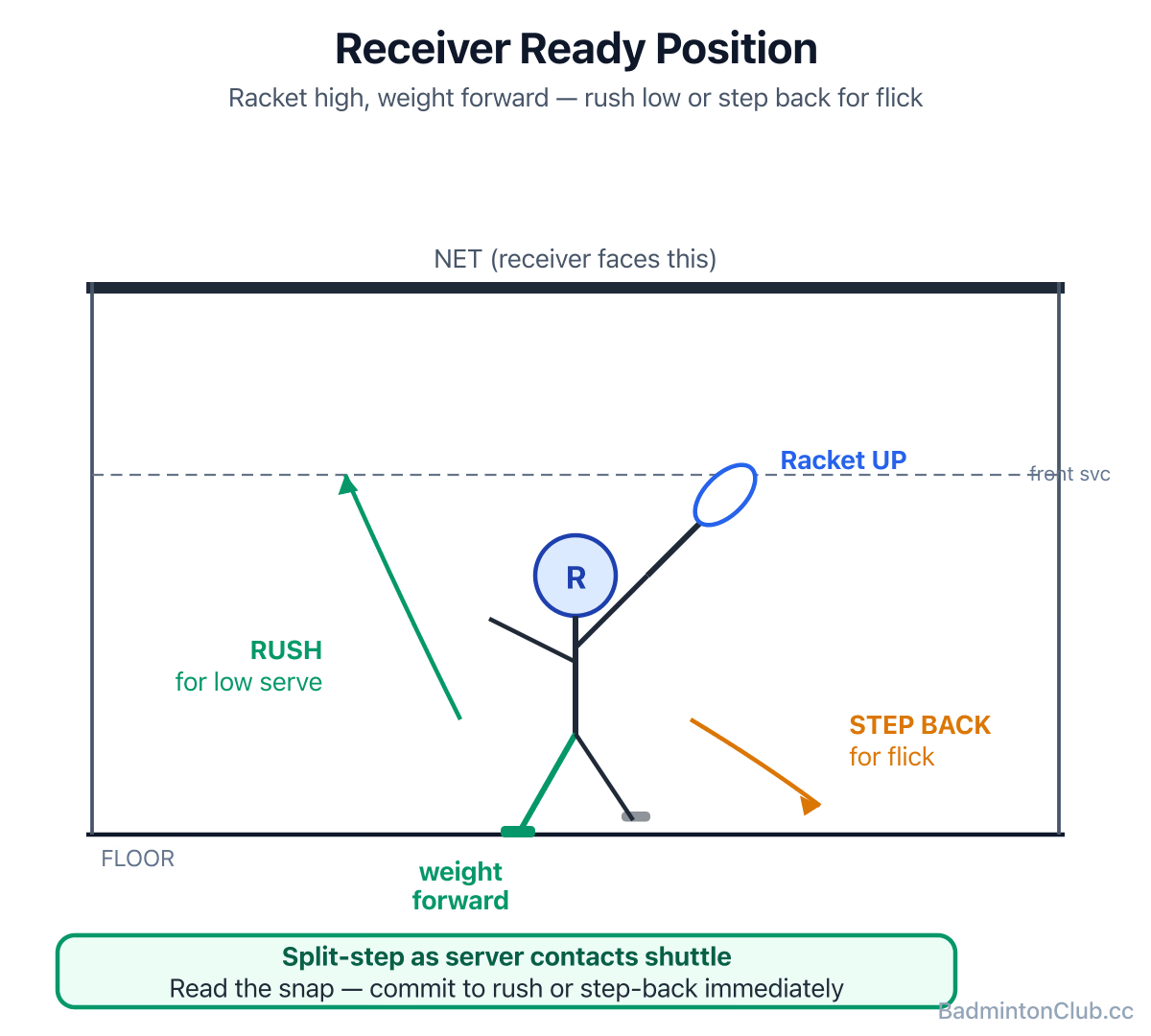
Positioning and the rush
Stand close to the front service line in doubles, racket up and high, weight on the front foot, eyes on the server's shuttle and racket. The mindset is attack first: as the low serve is struck you rush — a quick step-in to meet a loose serve early and high, ready to net-kill or push it down. The higher and earlier you take the serve, the more pressure you pile on. A passive, flat-footed receiver invites the server to keep serving low all day; an aggressive one forces errors and tighter serves. Even when you don't kill it, the threat of the rush makes the server's life hard.
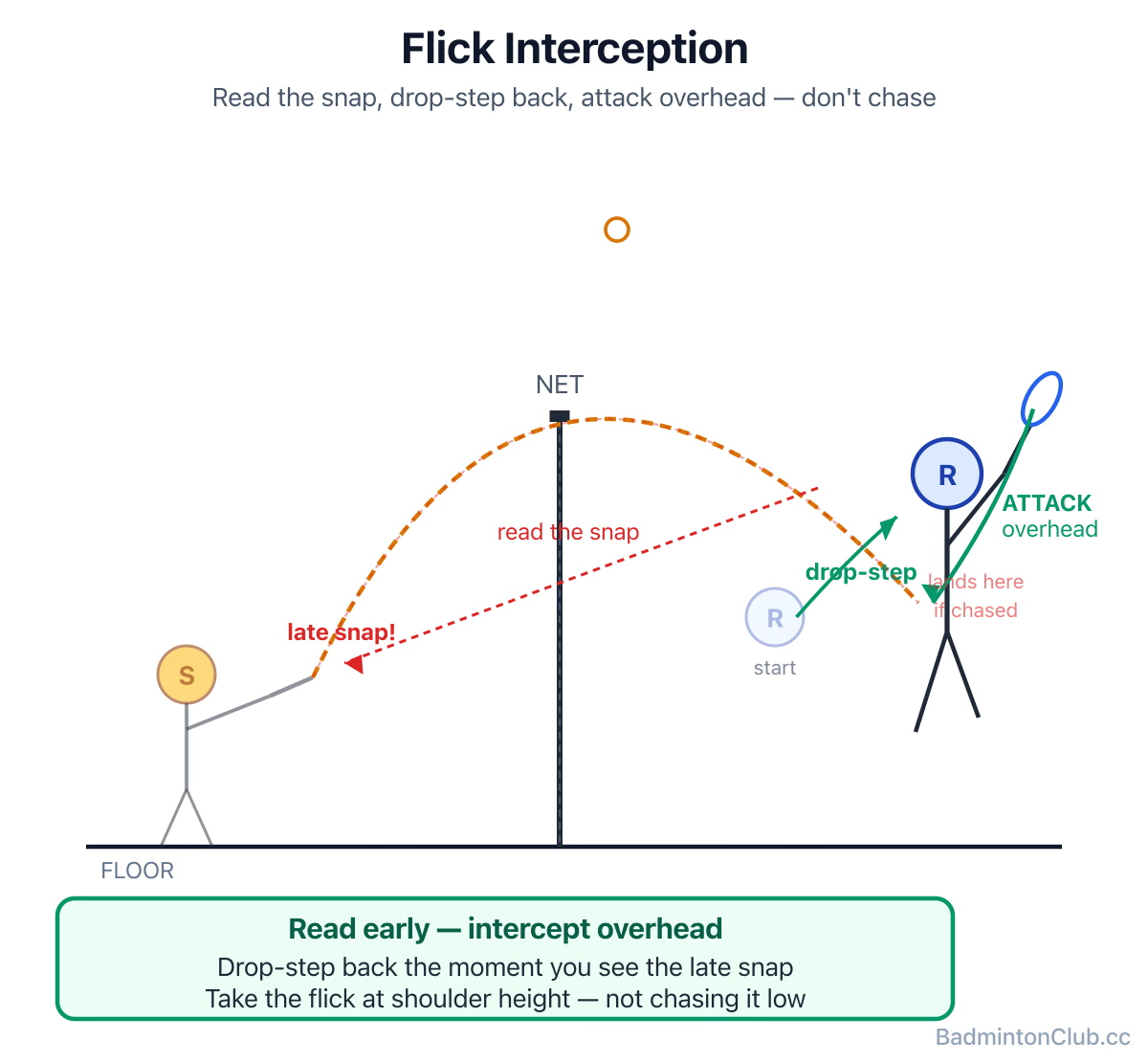
Intercepting the flick — without overcommitting
The risk of rushing is the flick serve sailing over you. The answer isn't to stop rushing — it's to rush in a way you can recover from. Keep your weight balanced enough that a flick triggers a fast drop-step back and an overhead reply rather than a stranded lunge. Flick interception is reading the late snap early (from the server's forearm, not the shuttle) and stepping back in time to attack the flick as a smash or sharp clear instead of scrambling. For a deeper look at what the server is actually trying to do with these deliveries, flick, drive and high serves each carry their own attacking intent — understanding that logic sharpens your read. The best receivers look like they're about to rush every serve, yet are never caught out by the flick — that balance is the whole skill.
Deceptive returns and "ghosting"
Don't just return the serve — disguise where. A deceptive serve return uses a consistent contact and a late change of face to send the shuttle somewhere the server didn't expect: a net shot that becomes a flat push, a straight look that goes cross-court. This is the same wrist snap and double-action principle used throughout deceptive badminton — the server reads your body and swing, so the later you commit the face, the more they're frozen. Ghosting the return is the subtle art of hovering and feinting movement — drifting as if to rush, freezing the server's commitment — so they tighten up and miss their serve, or serve predictably. Vary your returns (kill, push, net, flat lift) so the server can never groove a serve against you; predictability on the return is what lets a server settle.
What this looks like on a club night
The receive is where doubles momentum is quietly decided, and most club players stand too far back and too flat-footed, treating the serve as something to survive rather than attack. Get the racket up and lean in, and watch how many "good" low serves suddenly float a fraction high and become kills. The flick will catch you a few times while you learn the balance — that's the tax, pay it. A blunt opinion: an aggressive, balanced receiver pressures the server into more faults than any single shot in the game. Stand on the front line like you mean to attack, and half the time you won't even need to.
Where to look
Look at the server's racket at the moment of contact, not at the shuttle. The shuttle hasn't told you anything yet; the racket face and forearm have. Then, after the contact, switch your eyes to the shuttle to judge the path. The split focus — racket, then shuttle — is the most efficient read and is genuinely trainable. Players who just stare at the shuttle from start to finish react a fraction later every time. A small drill: in the warm-up, have a partner serve to you, but deliberately look only at the racket face at contact. You'll find your reads on flick and low serve sharpen within a session or two.
FAQ
- Q: How do you return serve aggressively in badminton? Start racket-up with your weight forward on the front service line and rush loose low serves to take them early and high, ready to kill or push them down.
- Q: How do I stop getting beaten by the flick serve? Rush in a balanced way you can recover from — read the late snap from the server's forearm and drop-step back to attack the flick overhead rather than lunging at it.
- Q: Where should the receiver stand in doubles? Close to the front service line, racket high, weight on the front foot, poised to rush the low serve while still able to step back on the flick.
- Q: What is a deceptive serve return? A return that uses a consistent contact and a late change of racket face to send the shuttle where the server didn't expect — net, push or cross-court off the same look.
- Q: What does "ghosting" the serve return mean? Hovering and feinting movement as if to rush, pressuring the server's commitment so they tighten up, fault, or serve predictably.
- Q: Should I vary my return of serve? Yes — mix kills, pushes, net shots and flat lifts so the server can never groove a serve against a predictable return.
Mastering the return of serve in badminton means standing racket-up, weight forward, ready to rush any loose low serve — not waiting for it to land. This guide covers the aggressive receiver stance, how to intercept the flick without overcommitting, and how to use deceptive returns to keep the server guessing. Written for doubles players who want to seize the initiative from the very first shot of each rally.