Spinning & Tumbling Net Shots: How to Make the Shuttle Tumble Over the Net
6 June 2026 · Badminton Fans
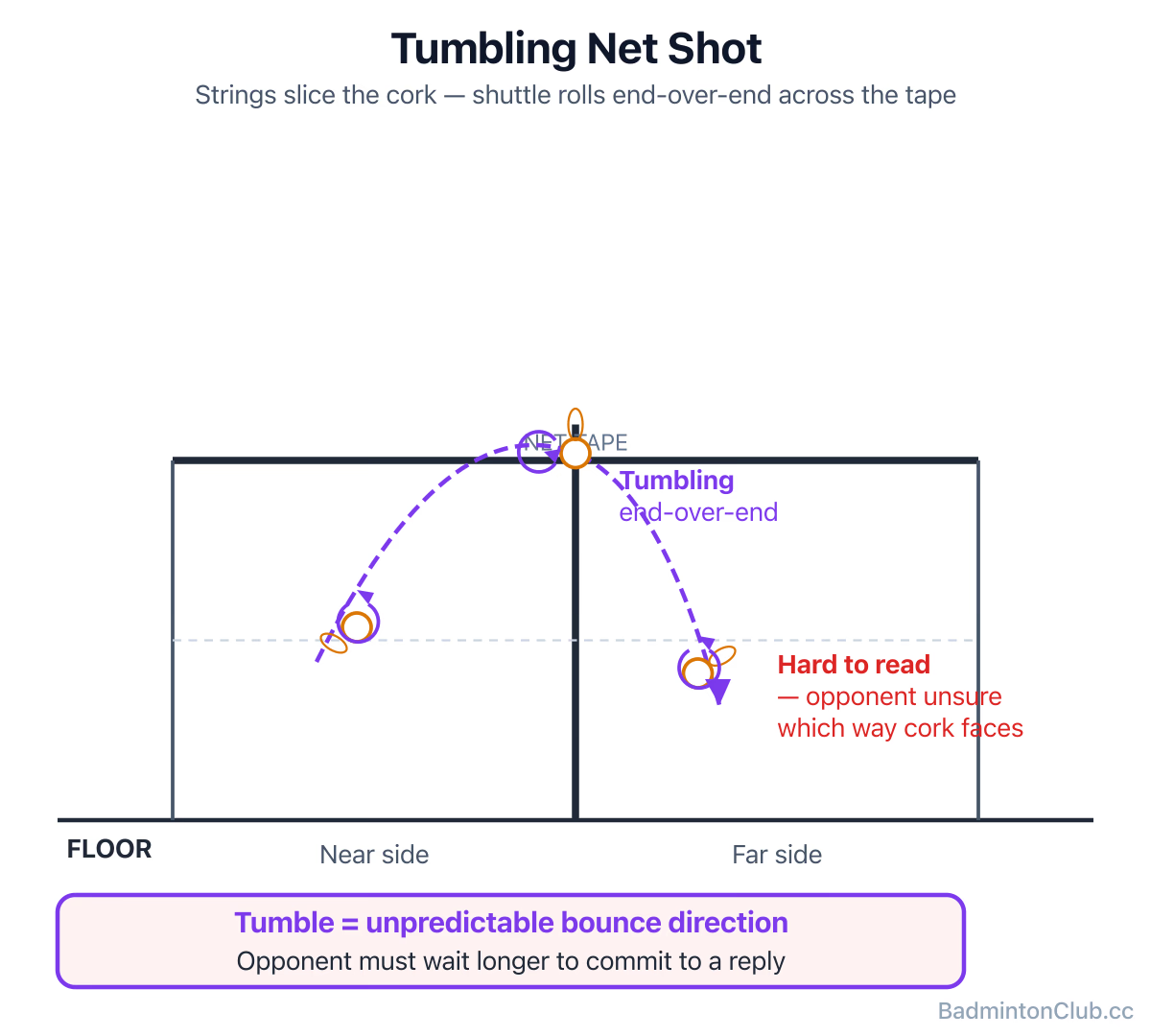
A spinning or tumbling net shot is played by slicing the racket strings across the cork of the shuttle as it crosses the net, so it tumbles end-over-end and lands feathers-first — the spin forces the opponent to wait for it to settle before they can hit, killing their attacking options. It's the tight hairpin plus a brush, and it's the single most demoralising shot to receive at the net.
How the tumble is made
A normal net shot crosses cork-first and stable. A tumbling shot is sliced: you brush the strings sharply across the cork — usually underneath and across — at the moment of contact, imparting spin so the shuttle rotates as it crosses. Because a spinning shuttle is unstable, the opponent can't take it cleanly until it stops tumbling, by which time it has dropped low and tight. Done at the very top of the net, it leaves them with no shot but a desperate, loose net reply or a lift. The forehand net spin uses an outward-and-under brush; the backhand net roll mirrors it with a thumb-led slice across the base of the cork. The same late, wrist-led action that underpins deception in badminton applies here: the slower your hand looks on the way in, the less readable your spin becomes.
Cork slicing — the key detail
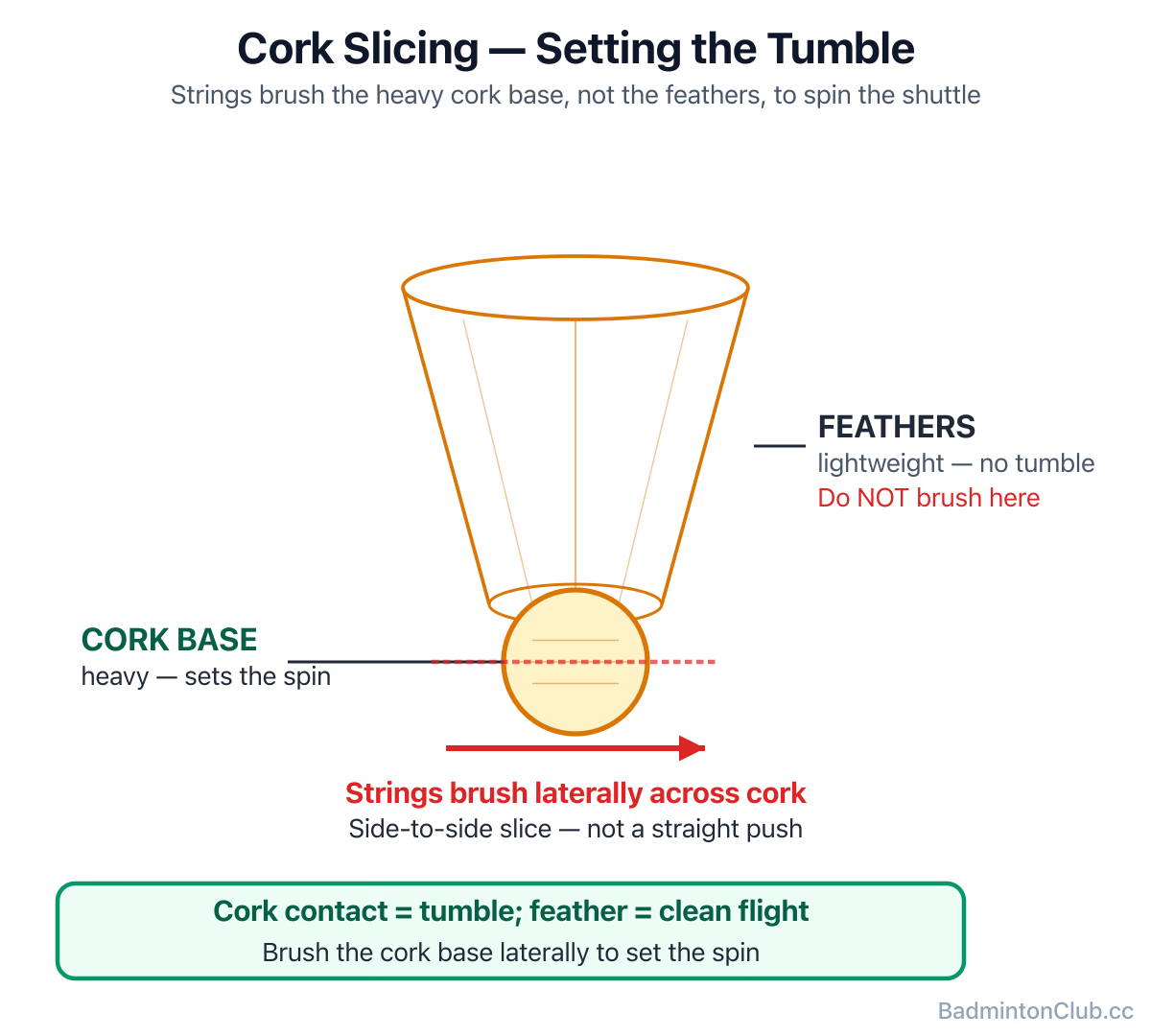
The control point is the cork, not the feathers — your strings should brush across the heavy cork base to set the tumble. Brush too gently and it merely floats; brush too hard and it flies long or pops up. The sweet spot is a crisp, shallow slice with soft hands, taken high near the tape. The shuttle should cross with a visible roll and land cork-down within the front service area. It is unapologetically a feel shot — there's no shortcut to the touch except hundreds of reps and a relaxed grip that lets you feel the strings catch the cork. The angled brushing motion is closely related to slice and reverse-slice drop shots, where cutting across the feathers achieves a similar deceptive trajectory from the back of the court.
Drill: slice and settle
With a feeder lifting or netting gently to you, play 20 forehand spinning net shots, watching only for the tumble — does the shuttle visibly roll as it crosses? Then 20 backhand net rolls. Don't chase placement at first; chase the spin, because once you can reliably make it tumble, tightness comes naturally (a sliced shot kills its own pace). Progress to a co-operative net rally where both players try to spin every shot — it's the best way to train both the production and the reading of a tumbling shuttle. Tumbles are a touch skill, so practise them fresh, not at the end of a tiring session.
What this looks like on a club night
Nothing tilts a net exchange like a good tumble — you watch the opponent reach in, hesitate because the shuttle's still rolling, and then scoop up a weak lift you've been waiting for. It's also the shot that most separates "can play" from "can really play" at club level, because it can't be faked or muscled; either you've put the hours into the slice or you haven't. My advice to anyone plateaued: pick the forehand spin, drill it for a month until it tumbles every time, and you'll have a weapon most of your opponents simply can't produce. Just don't over-reach for it — a missed tumble usually means a netted shuttle and a gifted point. If you run club nights and want to organise who plays who while players practise these net exchanges, BadmintonClub.cc handles court rotation so you can focus on coaching.
The hum you can hear
A properly tumbling shuttle, when struck cleanly, gives a soft hiss or hum as the cork rotates through the air — quite different from the flat whirr of a normal net shot. Train the ear for it. If you don't hear the hum, you haven't put enough brush on the cork, no matter how good the shot looks on film. It's also a useful diagnostic when the net exchange is messy: a flat whirr tells you your opponent's shot didn't spin, and you can attack it with less fear. Two shuttles struck at the same pace — one spinning, one flat — make strikingly different sounds, and the best doubles players use that audio feedback in real time to choose the net kill.
FAQ
- Q: What is a tumbling net shot? A net shot sliced across the cork so the shuttle tumbles end-over-end as it crosses, forcing the opponent to wait for it to settle before hitting.
- Q: How do you make a shuttle spin over the net? Brush the strings sharply across the cork base (not the feathers) at contact, with soft hands and high, tight contact near the tape.
- Q: Why does a tumbling net shot work so well? A spinning shuttle is unstable and can't be taken cleanly until it stops tumbling, by which point it's dropped low and tight, leaving only a weak reply.
- Q: What's the difference between forehand net spin and backhand net roll? Both slice across the cork; the forehand uses an outward-and-under brush, the backhand a thumb-led slice across the base.
- Q: Why does my spin net shot fly long? You're brushing too hard or hitting through the cork — use a crisp but shallow slice with a relaxed grip taken high near the tape.
- Q: Is a tumbling net shot harder than a normal hairpin? Yes — it adds a sliced brush on top of tight net control, so groove the plain hairpin first.
Master the spinning net shot by learning to slice across the cork with soft hands and high contact. This guide covers forehand and backhand technique, the cork-slicing detail most players miss, a drill to groove the tumble, and why the hum you hear — or don't hear — is your best diagnostic tool.