Badminton Starter Kit: What to Buy First (and What to Skip) as a New Player
8 June 2026 · Badminton Fans
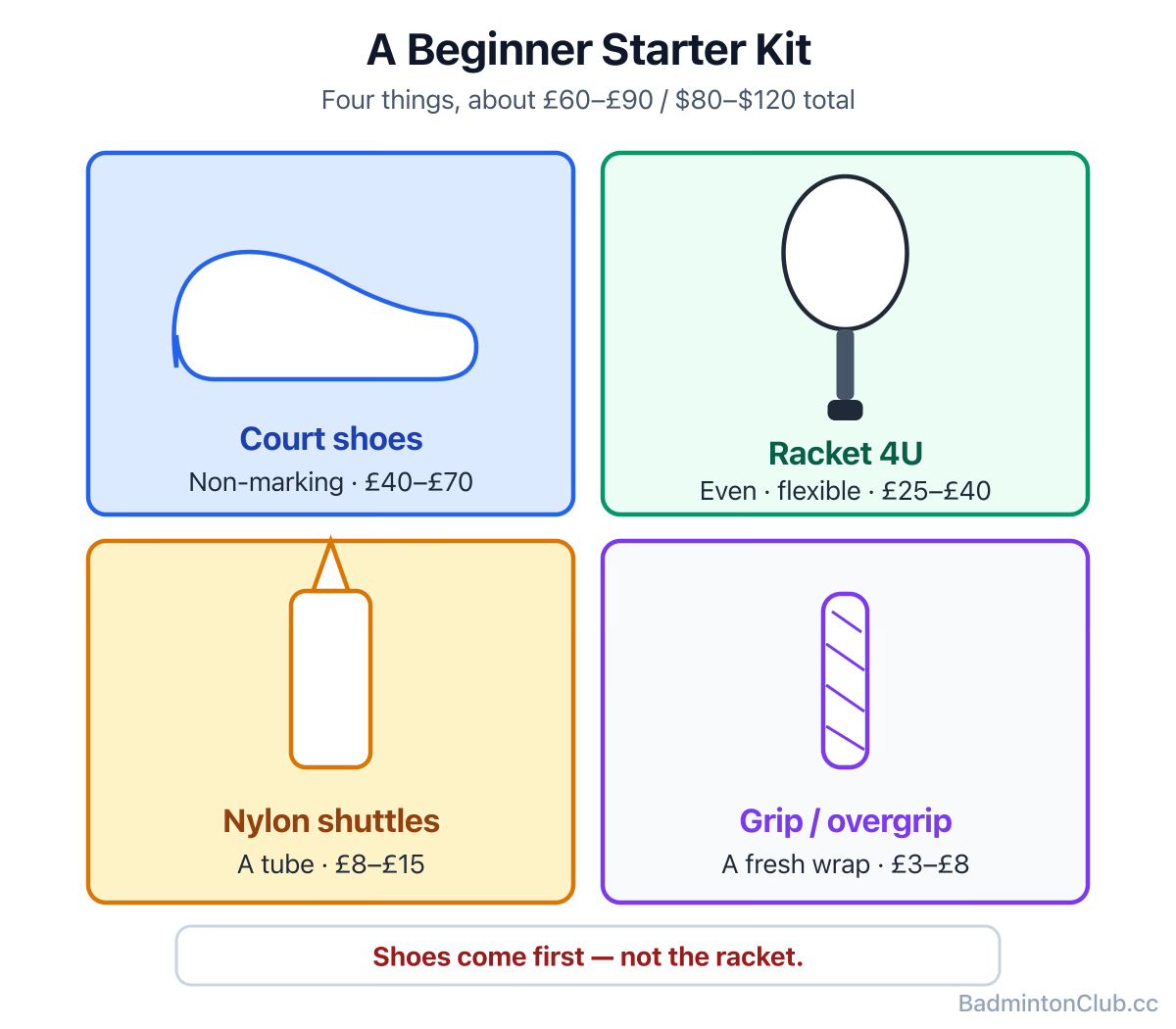
If you're starting from absolutely nothing, you need four things: non-marking court shoes, a lightweight racket, a tube of nylon shuttles, and a grip. Total spend is roughly £60 to £90, or $80 to $120. And the single most important item on that list is the shoes — not the racket. Beginners always agonise over the racket and show up in running trainers or fashion sneakers, then wonder why they're slipping and sliding on the court. Everything else — bags, branded socks, feather shuttles — is optional and can wait until you're sure you're sticking with the sport. In fact, you can turn up to most club nights wearing just trainers and borrow a racket for your first session. The barrier to entry is lower than most people think.
The buy-first order (this order matters)
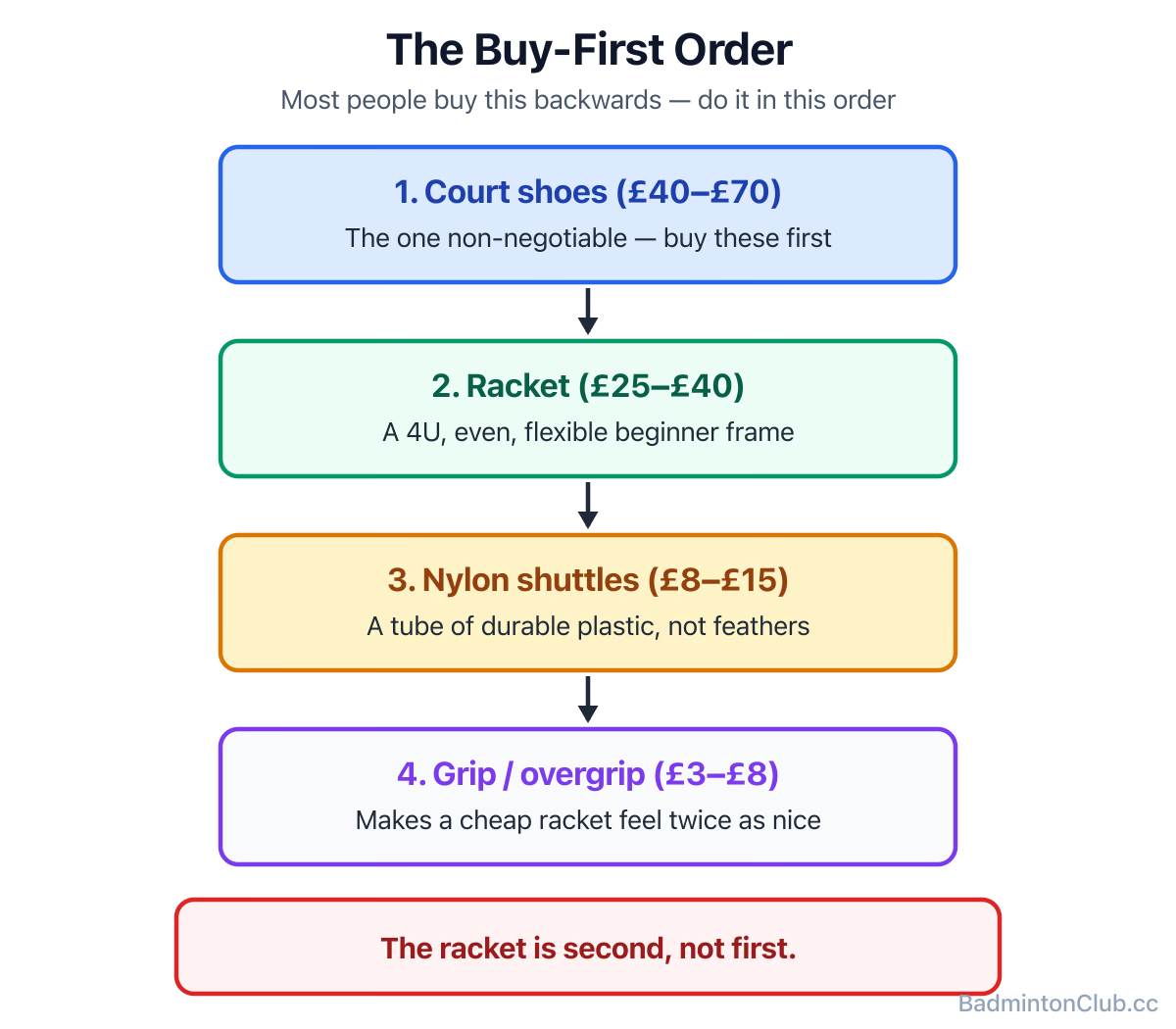
Most people buy this backwards — racket first, shoes never. Do it in this order:
- Non-marking indoor court shoes (£40–£70). The one non-negotiable. Badminton is all lunges and sudden stops; running shoes have the wrong grip and sole and will roll your ankle. Buy these first, even before a racket.
- A lightweight racket (£25–£40). A 4U, even-balance, flexible beginner frame — see the best beginner racket guide.
- A tube of nylon shuttles (£8–£15). Durable plastic, not fragile feathers. More on shuttles below.
- A grip / overgrip (£3–£8). A fresh overgrip makes a cheap racket feel twice as nice and stops your hand slipping.
That's a complete, court-ready kit. Notice the racket is second, not first.
Why nylon shuttles, not feathers, on day one
This trips up every beginner, so let's settle it. Feather shuttles fly faster, drop more sharply and feel "right" — they're what tournaments use — but they're fragile (a single hard mishit can wreck one) and cost £15–£30+ a dozen. Nylon/plastic shuttles are slower and floatier, far more durable, and £8–£15 a tube. For a beginner who's going to frame a lot of shots, nylon is the obvious choice — you'll spend your money on the game, not on destroyed feathers. Nylon tubes are usually labelled slow / medium / fast (sometimes green/blue/red) rather than the 76/77/78 feather numbers; a medium speed suits normal indoor halls. Yonex Mavis 350 is the default recommendation and worth the few extra pounds over no-name tubes. The full feather-vs-plastic breakdown lives in our shuttlecock guide.
What's a genuine waste of money on day one
I'll be blunt about the upsells. Skip on day one: feather shuttles (you'll shred them), a £100+ racket (you can't feel the difference), a stringing machine (you're nowhere near this), expensive "compression" sleeves and wristbands (do nothing for a beginner), and a giant 9-racket pro bag (you own one racket). Worth it sooner than you'd think: a second cheap racket as a spare, and a couple of fresh overgrips. A racket bag is genuinely nice once you're committed, but a tube and a racket fit in any rucksack for now.
Club night vs garden: two different kits
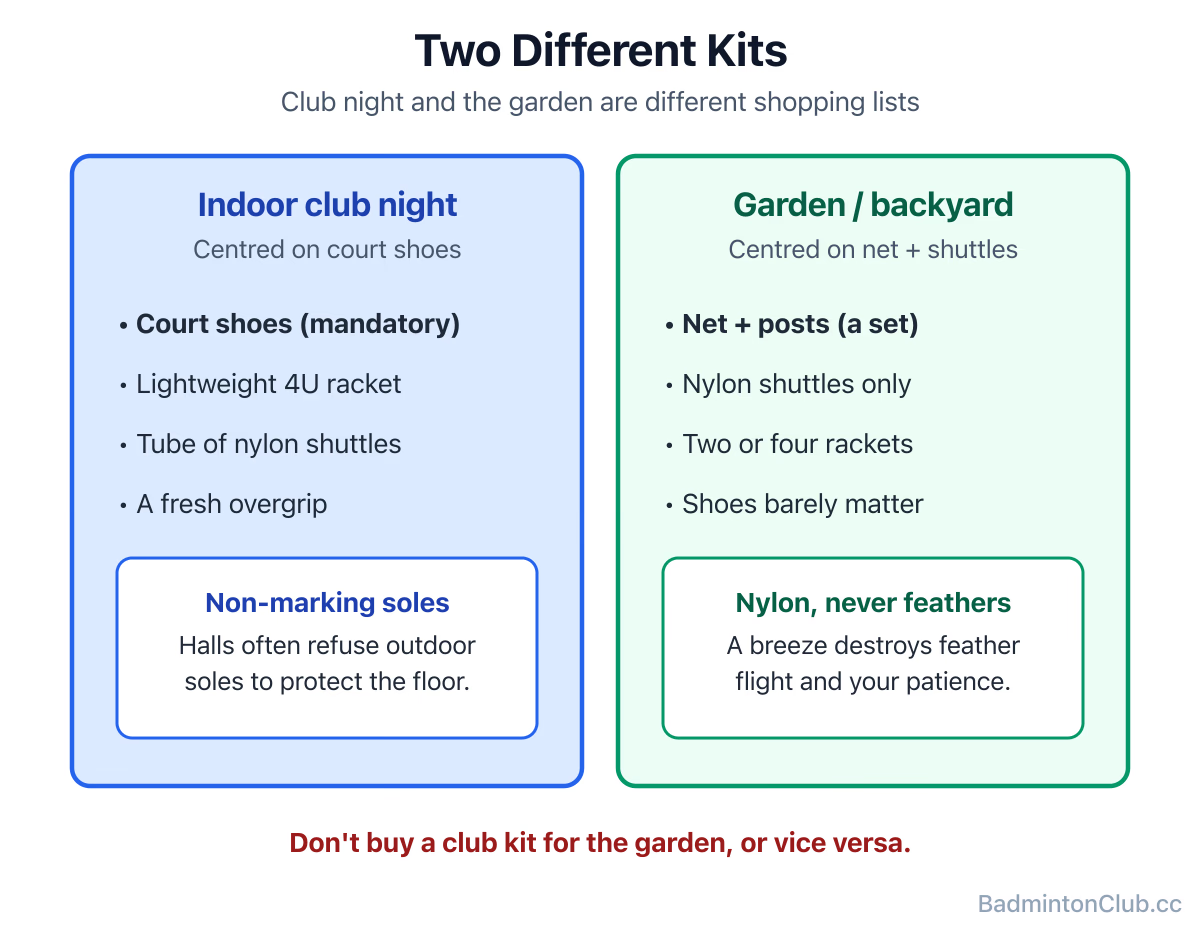
Here's the nuance the generic lists miss. If you're heading to an indoor club, the kit above is exactly right and the shoes are mandatory (many halls refuse outdoor soles to protect the floor). If you're playing in the garden, the priorities flip: shoes barely matter, but you'll want a backyard set with a net and you should buy nylon shuttles only — a breeze destroys both feather flight and your patience. Don't buy a club kit for garden use or vice versa; they're genuinely different shopping lists. And if you're buying all this for someone else, our gift ideas guide sorts it by budget.
A worked starter-kit budget
Concretely, a sensible first spend: shoes £55, racket £32, a tube of Mavis 350 nylon £12, an overgrip £4 — about £103 all in, and you're fully equipped for a club night with change. Cut it to the bone and you can start at ~£70 with cheaper shoes. Or spend nothing the first night: most clubs lend rackets and shuttles, so bring trainers, see if you enjoy it, then buy. Keeping a busy club's rotation fair so newcomers actually get games is its own job — most organised clubs run a peg board or an app like BadmintonClub.cc so you're guaranteed court time instead of standing around.
FAQ
- Q: What do I need to buy to start playing badminton? Four things: non-marking court shoes, a lightweight racket, a tube of nylon shuttles, and a grip — roughly £60–£90 total. Many clubs lend rackets, so you can start with just court shoes.
- Q: What's in a good badminton starter kit? Court shoes (the priority), a 4U even-balance beginner racket, durable medium-speed nylon shuttles, and a fresh overgrip. Skip feather shuttles, expensive rackets and big bags until you're committed.
- Q: What's the most important thing to buy first? Non-marking indoor court shoes — before the racket. Badminton's stop-start lunging needs proper grip and ankle support; running shoes are a sprain waiting to happen.
- Q: Should beginners use feather or plastic shuttlecocks? Plastic (nylon). They're durable and cheap (£8–£15 a tube) and survive the mishits every beginner makes. Feathers are faster and tournament-accurate but fragile and pricey — switch later if you want.
- Q: How much does it cost to start badminton? About £60–£90 / $80–$120 for a full beginner kit, or as little as £0 on your first night if your club lends gear. The shoes are the biggest single cost and the one to prioritise.
- Q: Do I need a racket bag to start? No. A racket and a tube of shuttles fit in any rucksack. A proper racket bag is a nice upgrade once you own two or three rackets and play regularly — fine as a gift, not essential to start.
A complete badminton starter kit for a beginner is cheaper than you think: court shoes, a lightweight racket, a tube of nylon shuttles and a grip — and that's genuinely all you need to start. This guide gives you the exact buy-first order with real price bands, explains why the shoes come before the racket, names what's a waste of money on day one, and shows how to kit out for a club night versus the garden without overspending.