The Best Badminton Racket for Beginners: How to Choose (and What Not to Buy)
8 June 2026 · Badminton Fans
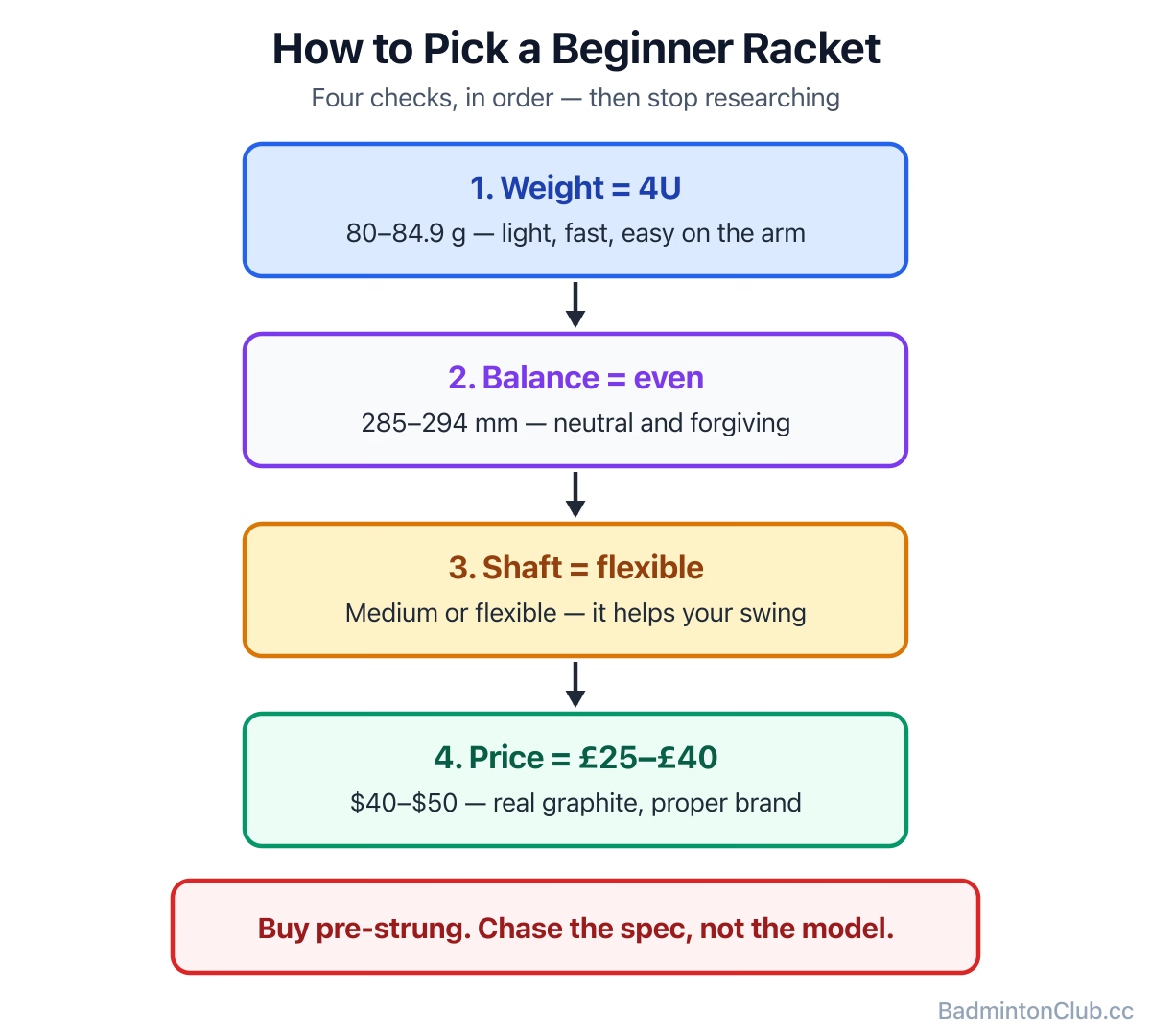
Here's the short answer up front: look for a 4U frame (80 to 84.9 grams), even balance, and a flexible shaft, from Yonex, Victor, or Li-Ning, in the £25–£40 / $40–$50 range. That's the sweet spot. You don't need an expensive head-heavy power racket designed for players who've been training since childhood, and you should absolutely skip the £15 steel racket from a supermarket — those things weigh twice what they should and will actively teach you bad technique. The goal for a beginner is a racket you stop thinking about the moment you start playing. It should feel light, responsive, and forgiving. Get those three specs right and the racket fades into the background so you can focus on learning the game.
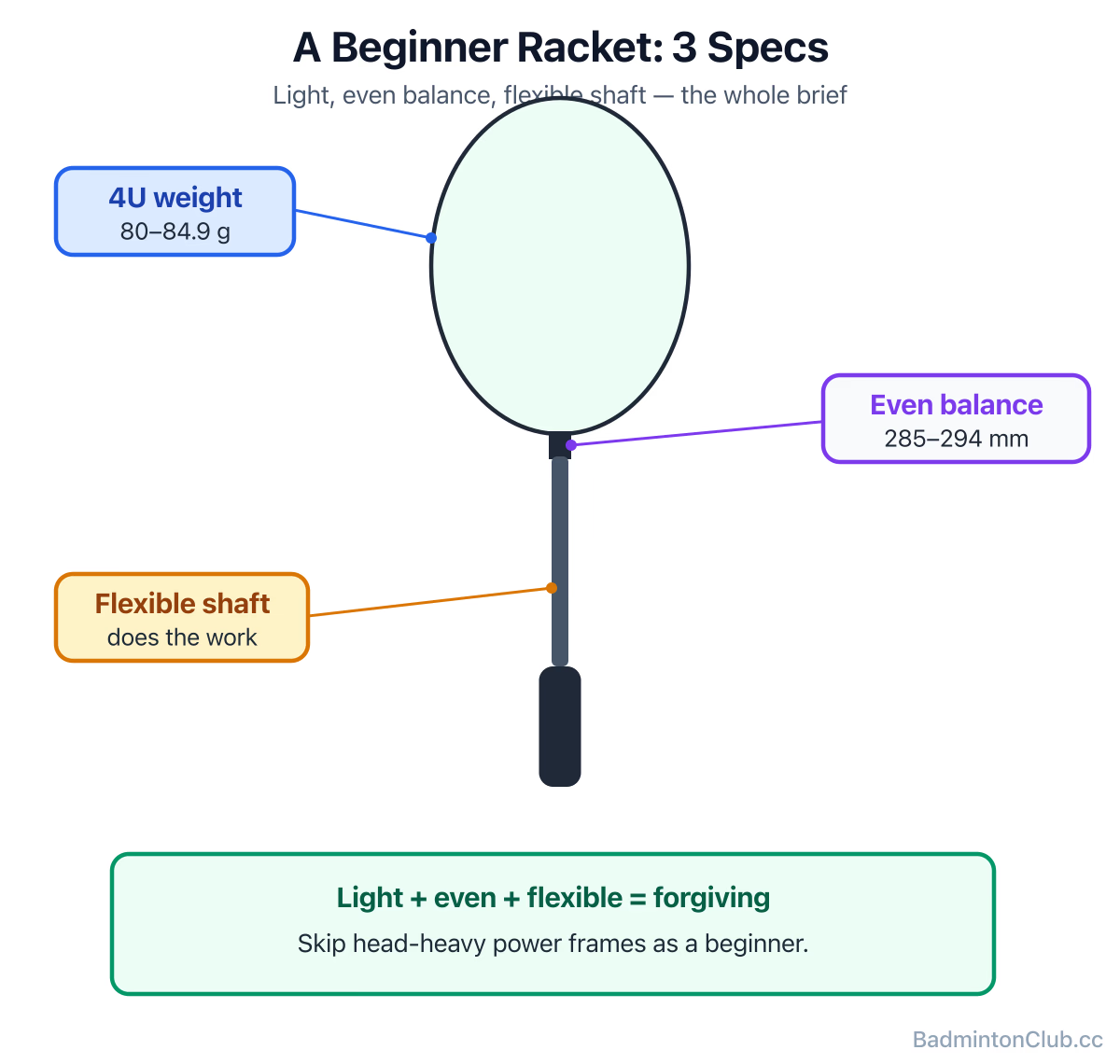
The only three specs that matter at the start
Forget the marketing. For your first racket, three things decide whether it helps or hurts:
- Weight (the "U" number). Lower number = heavier. 3U is 85–89.9 g, 4U is 80–84.9 g, 5U is 75–79.9 g. Go 4U — light enough to swing fast and save your forearm, heavy enough to feel stable. Juniors and smaller players can drop to 5U.
- Balance. Where the weight sits. An even balance (around 285–294 mm) is forgiving and neutral. Head-heavy rackets add smash power but punish a slow swing and tire a beginner out — wrong tool for now.
- Shaft flex. A flexible (or medium) shaft does some of the work for you, flinging the shuttle deep without a perfect swing. Stiff shafts only reward fast, well-timed arms.
That's it. There's far more nuance — the deep version lives in our racket buying guide — but at the start, light + even + flexible covers you.
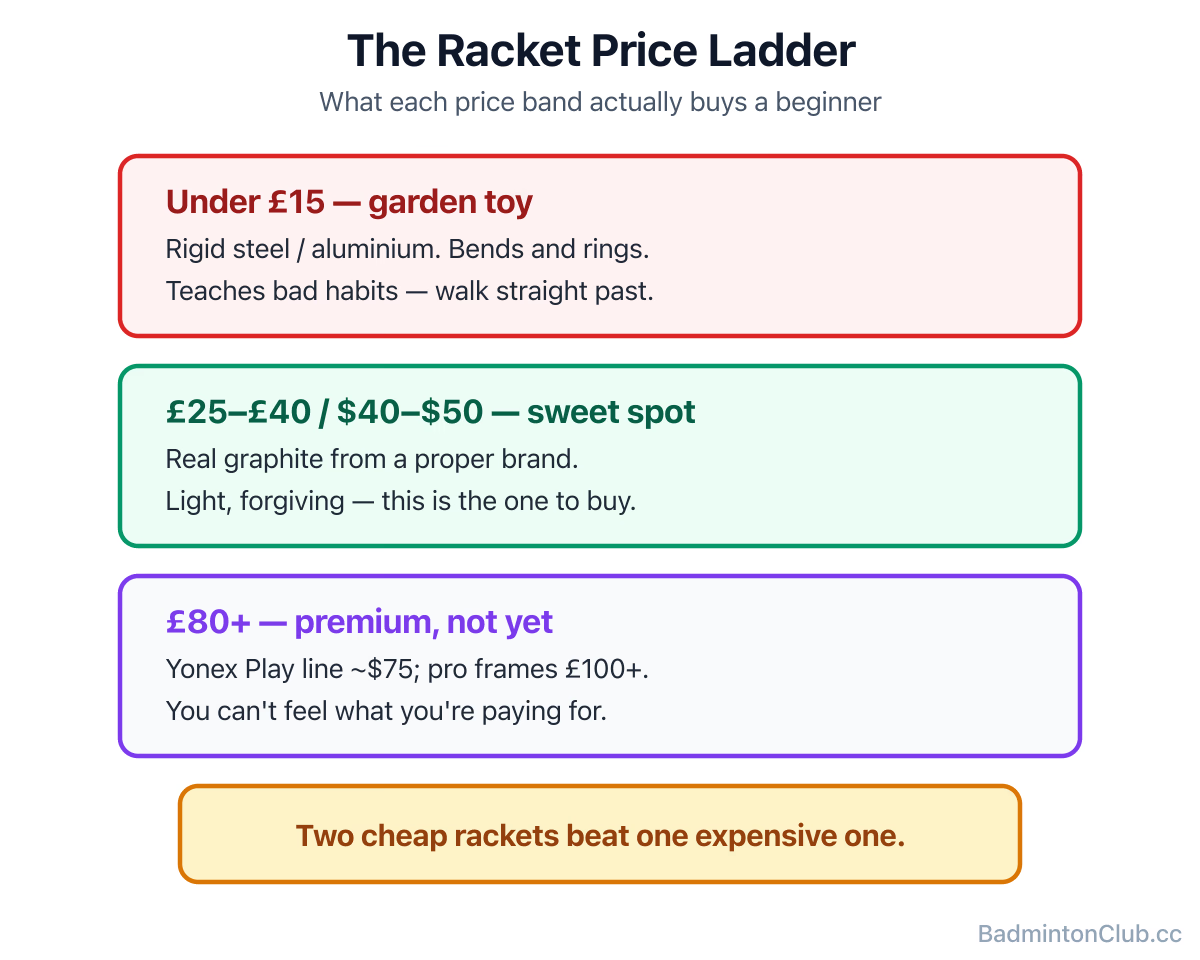
The price band that's actually worth it
Here's the honest money picture. Below about £15 you get rigid steel/aluminium rackets that bend, ring in your hand and teach you bad habits — fine to bash a balloon around the garden, not for a court. The £25–£40 / $40–$50 band is the sweet spot: real graphite frames from proper brands, light and forgiving, and cheap enough that you won't cry if you clash rackets with your partner (you will). Yonex's budget "Play" line sits a bit higher around $75 and is lovely, but it's not necessary. Spending £100+ on a first racket is money lit on fire — you can't yet feel what you're paying for.
Brands that are safe bets (and how to actually choose)
You can't go far wrong with Yonex, Victor, Li-Ning, Carlton, Apacs, Senston or Karakal in the beginner range — they all make a competent £30 graphite racket. Every "top 10 beginner rackets" list will throw model names at you (a Yonex Nanoray or Voltric, a Victor Thruster, and so on), but here's the catch nobody admits: those line-ups get renamed and discontinued yearly, so a 2024 model pick is already half out of stock. Don't chase the model — chase the spec. Filter a reputable badminton retailer (not a general sports megastore) by "beginner / lightweight," sort by price, and pick any 4U even-balance flexible racket from that list — whatever's in stock at a good price this month is the right one. Buy it pre-strung at the factory tension for now — you can learn about string tension later.
What I'd actually tell a friend buying their first racket
Real talk, because I've handed a lot of people their first proper racket. Buy two cheap ones, not one nice one. A £30 racket plays 90% as well as a £90 racket for a beginner, and if you buy a pair you've got a spare for when a string pops mid-game (it will, usually on a club night, usually when you're 18-19 up). The second thing nobody says: the racket matters far less than your shoes. A £30 racket and £50 non-marking court shoes beats a £120 racket and running trainers every single time — the trainers will roll your ankle on a lunge. If your budget is tight, spend it on the shoes and keep the racket cheap. The racket you obsess over now you'll replace in six months once you actually know what swing you have.
A quick buyer's checklist
Before you click buy, confirm: it's 4U (or 5U for a junior), even balance, medium/flexible shaft, from a real badminton brand, in the £25–£40 band, pre-strung, and ideally there's a cheap second one in the basket. Tick those and stop researching — you're overthinking a beginner racket, which is the most common way to waste a weekend.
FAQ
- Q: What is the best badminton racket for a beginner? A lightweight 4U racket with an even balance and a flexible shaft, from a reputable brand (Yonex, Victor, Li-Ning, Carlton, Apacs), priced around £25–£40 / $40–$50. Light, even and flexible beats expensive and powerful for a new player.
- Q: How much should a beginner spend on a badminton racket? About £25–£40 / $40–$50. Under £15 gets you a garden-toy steel racket; over £100 is paying for performance you can't yet use. Two cheap rackets beats one expensive one.
- Q: Should a beginner get a head-heavy or even-balance racket? Even-balance. Head-heavy rackets add smash power but feel sluggish and tire your arm — the opposite of what helps you learn. Add power later once your technique is solid.
- Q: Is 3U or 4U better for a beginner? 4U (80–84.9 g). It's lighter, swings faster and is easier on the forearm, which lets you focus on technique. 3U is fine but slightly more demanding; only juniors usually need 5U.
- Q: Do I need an expensive racket to start badminton? No. A £30 graphite racket from a good brand plays brilliantly for a beginner. Put any extra budget into non-marking court shoes instead — they matter more than the racket at the start.
- Q: Should I buy a racket pre-strung or string it myself? Pre-strung. Factory tension (usually a low, forgiving ~20–24 lb) is fine for a beginner, and a lower tension gives a bigger sweet spot while you're still finding the middle of the strings. Learn about stringing once you know whether you want more control or more power.
Looking for the best badminton racket for beginners? You want a lightweight 4U frame, an even balance and a flexible shaft — and you should spend about £25–£40, not £15 and not £150. This is a plain buyer's guide that tells you the three specs that actually matter for a new player, the price band that's worth it, which brands are safe bets, and the garden-toy rackets to walk straight past, with no affiliate-spam padding.