How to Play Against a Left-Handed Badminton Player: Tactics Vs the Reversed Backhand Corner
7 June 2026
**Against a left-hander, every spatial pattern you've grooved against right-handers is mirrored — their backhand corner is on their left (your right), their forehand smash bends the opposite way, the serve diagonal flips, and the comfortable doubles middle changes shape. The practical adjustment: target their (now reversed) backhand corner just as deliberately, expect mirrored smash arcs, and accept that your reads will be slightly slower for a game or two while your eye recalibrates.** It's not a different sport. It's the same sport, reflected — and most right-handers never adjust, which is why the lefty's "trick" advantage usually evaporates the moment somebody does.
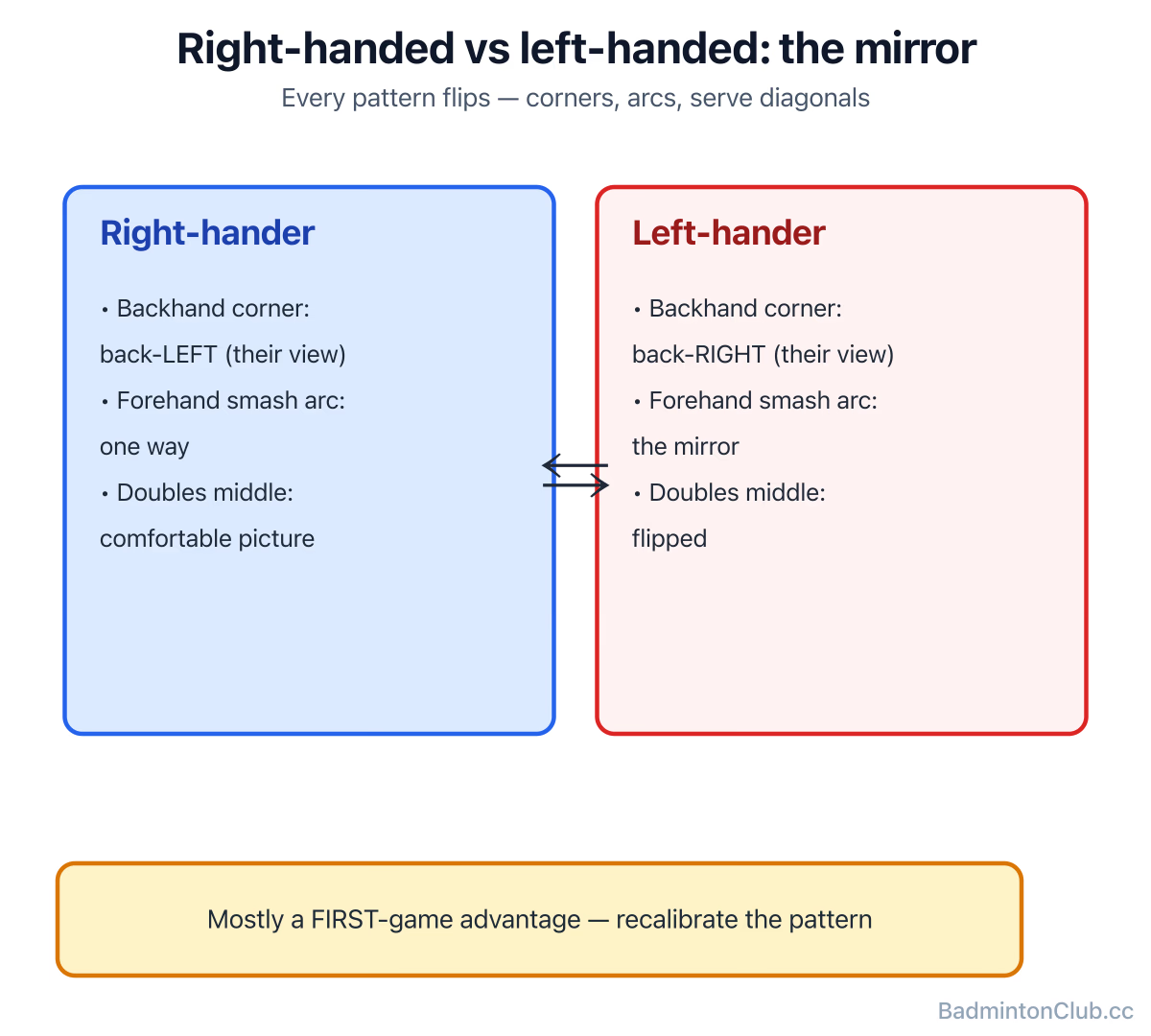
What actually changes
Most things stay the same — the rules, the shots, the basic geometry of the court. What flips:
- Backhand corner location. A right-hander's backhand corner is their back-left (from their view). A left-hander's is their back-right. Your target for "load the backhand" moves to the opposite side of the court.
- Forehand-smash arc. A right-hander's cross-court forehand smash curves a particular way; a lefty's mirrors it. Your defensive lean is on the other side of where habit puts it.
- Serve diagonals. When you serve, your own diagonal is the same — but their receive position and rush angles flip.
- Doubles middle. Two right-handers playing two right-handers leaves a known "middle hole" between them. One lefty in a pair flips it, because the comfortable forehands now flank the centre differently.
Tactics that work specifically against lefties
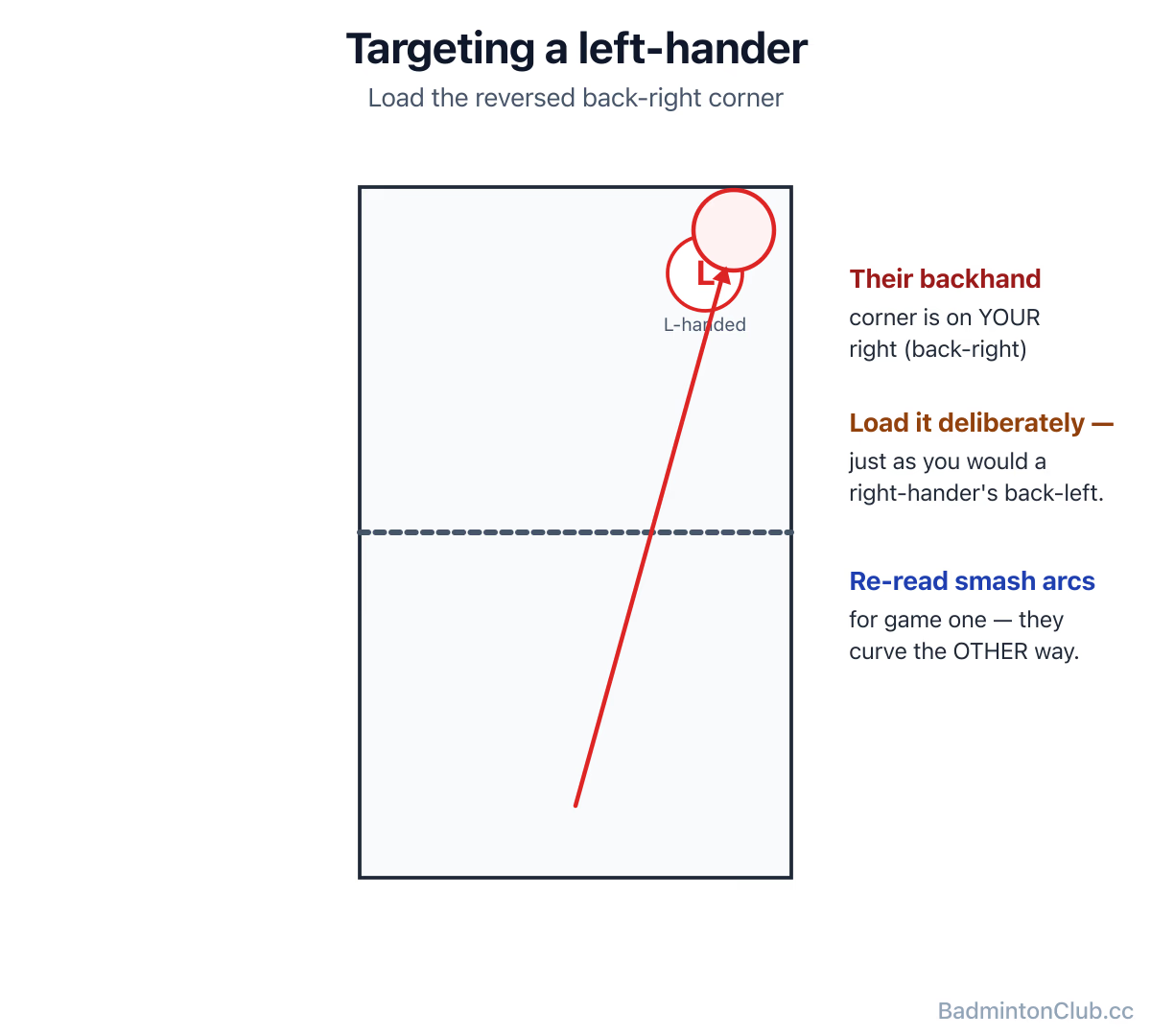
- Target the reversed backhand corner. Just as you'd load a right-hander's back-left, load a left-hander's back-right with clears, drops and pressure. Many lefties have built matches against right-handers and become subtly comfortable with the right-handed corner pattern; they get tested less often on the flipped one.
- Anticipate cross-court more carefully. Your visual habit reads a right-hander's arc; a lefty's mirrors it. Slow your defensive committal a beat for the first few rallies until your eye recalibrates.
- In doubles, watch the two-forehand middle. A right-handed/left-handed pair has both forehands flanking the centre, which changes the comfortable middle picture. The middle smash that worked perfectly against two same-handers might be eaten cleanly by a mixed-handed pair.
- In mixed, recalibrate "attack the woman" geometry. A jam that hits a right-handed lady on her racket shoulder hits a left-handed lady on her non-racket side — easier for her to defend with a backhand. Target the racket shoulder, not the geometric "same side" you've grooved.
Lefty patterns to watch for
- Sliced drops curving the "wrong" way — looks unfamiliar at first; recalibrate after a couple of points.
- Cross-court forehand smashes from your right-side corner — your habit may expect a straight smash there. Re-read.
- In doubles, a lefty back-attacker generates down-the-line angles a same-side defender hasn't grooved.
The cure for all of it: deliberate first-game observation. Spend the opening rallies watching and adjusting rather than committing fully — most surprises evaporate inside one game.
What this looks like on a club night
The first game against a good lefty is genuinely uncomfortable for habitual right-handers, and a lot of players blame the loss on "tricks" when really their reads were a beat late. By game two, most experienced players have flipped their pattern and the lefty's advantage is gone. A frank opinion: the lefty advantage is mostly a first-game advantage — players who lose to lefties consistently haven't done the work. Five minutes of conscious thought before the match — "their backhand is on my right" — goes a long way. A small but useful trick: if your club's player profiles in BadmintonClub.cc flag handedness, scout opponents before league nights so the recalibration happens before the first rally, not during it.
To left-handers reading this: most of your edge against right-handers at intermediate level comes from opponents who never adjust. As you face better-prepared players, expect the gap to narrow. The deeper tactics (see Reading the Game) matter more than the mirror at that level.
FAQ
- Q: How do you play against a left-handed badminton player? Re-target the reversed backhand corner (now back-right from your view), expect mirrored smash arcs and serve diagonals, and slow your defensive reads a beat for the first few rallies while your eye recalibrates.
- Q: Where is a left-hander's backhand corner? Back-right of their side of the court from their viewpoint, which is back-left from yours — the mirror image of a right-hander's backhand corner.
- Q: Why are left-handers tricky in badminton? Because most players' patterns are grooved against right-handers and take a few rallies to flip — the lefty advantage is largely a first-game advantage that fades with conscious adjustment.
- Q: How does a lefty change mixed doubles geometry? It flips the formation's centre — a right-handed and left-handed pair has both forehands flanking the middle, changing the comfortable centre and where "attack the woman" should aim.
- Q: Should I serve differently to a left-hander? The serve itself doesn't change, but their receive angles and rush patterns are mirrored — a deceptive flick goes the other diagonal from your habit. The Flick, Drive & High Serves article still applies; just remember the angle flips.
- Q: Do left-handers have a real advantage in badminton? A small one at first encounter, which largely disappears once the opponent consciously flips their patterns. Pre-match scouting through a club tool like BadmintonClub.cc makes the flip happen before the first rally.
How to play against a left-handed badminton player — every spatial pattern is mirrored, so the backhand corner moves to your right, the smash arcs curve the other way, and the doubles middle shifts shape. The practical adjustment: target the reversed backhand corner deliberately, re-read every cross-court angle for the first game, and recalibrate 'attack the woman' geometry in mixed where forehands flank the centre differently. The lefty advantage is mostly a first-game advantage, and most opponents never adjust.