Drive Defence, Counters & Scramble Recovery: Turning Defence Into Attack
6 June 2026
Drive defence is countering fast, flat shots with equally flat, early returns — meeting the shuttle in front with a short punch so you trade drives on level terms instead of being forced to lift — while scramble recovery (including the diving "get") is the last-ditch defence that keeps you in a rally you've been pulled out of position on. The aim across all of it is to redirect pace and buy time to recover your base.
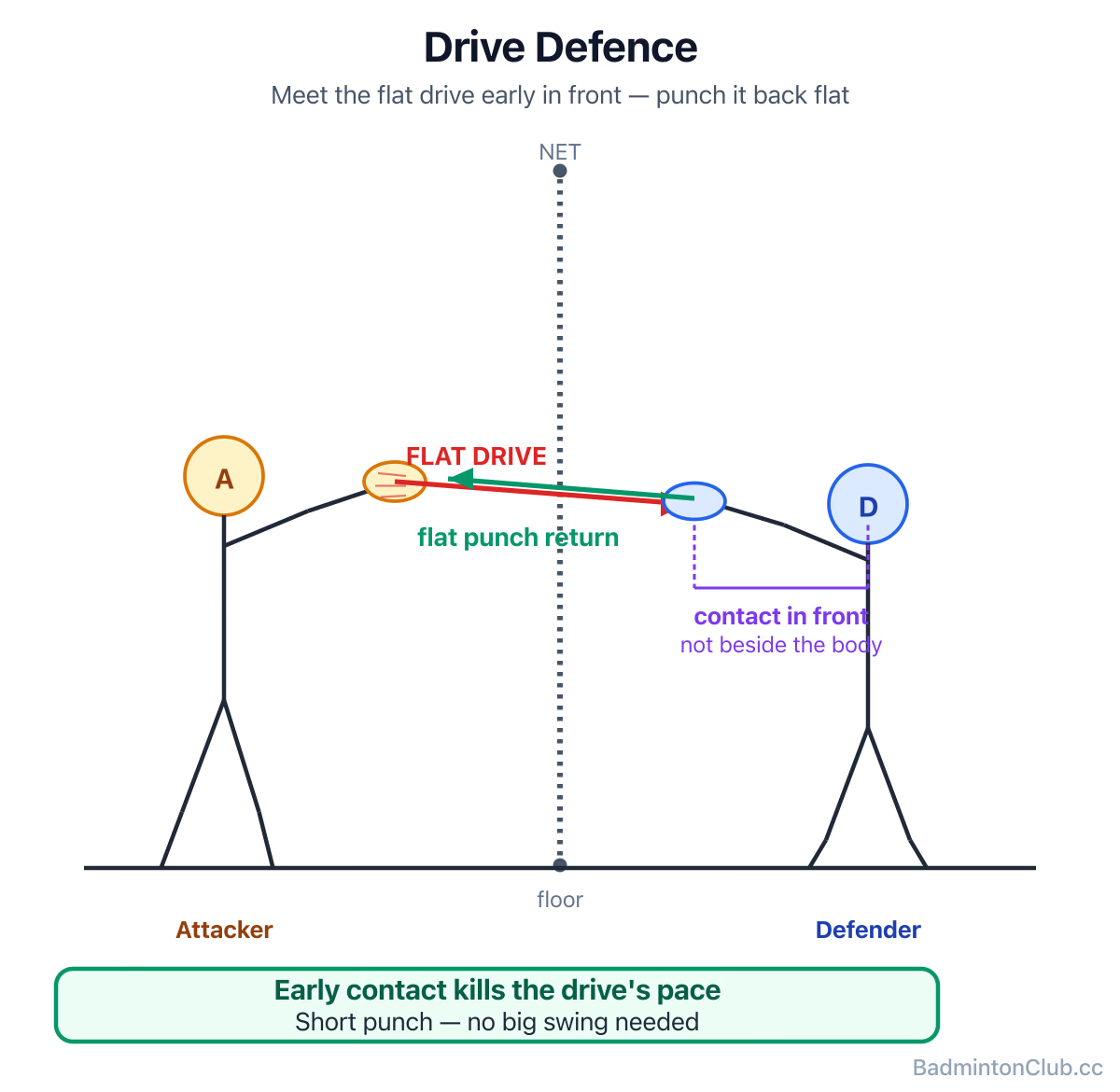
Returning drives flat
When an opponent drives hard and flat at you, the losing reaction is to lift — that hands them the attack. The winning reaction is to take it early and return it flat: racket up, short backswing, a compact punch out in front that sends the shuttle back fast and low. A defensive drive exchange is a flat-rally standoff where both players refuse to lift, and whoever takes the shuttle earliest and keeps it lowest eventually forces the other to pop one up. Stay side-on enough to use both forehand and backhand drives, keep the contact point ahead of your body, and don't over-hit — a controlled flat return beats a wild hard one that flies long.
Redirection — changing the angle
Good defence isn't just blocking back where the shuttle came from; it's redirection — subtly changing the angle so the attacker has to move and cover, which steals you time and disrupts their rhythm. (The same principle of holding the shuttle to shift weight appears in deceptive shot-making.) Block a straight smash cross-court; drive a cross-court shot back down the line; push a hard drive into the open mid-court. Every redirection forces movement on the other side, and forced movement produces weaker shots. The principle: don't just return the shuttle, return it to where the opponent isn't, even when you're under pressure.
Scramble recovery and the dive
Sometimes you're simply beaten — pulled wide, stranded, the shuttle dropping out of reach. That's where scramble recovery lives: a desperate lunge, a stretched racket "get", or a full diving defensive recovery to reach a shuttle you'd otherwise lose. A dive is a legitimate elite skill (and a crowd-pleaser), but it's a last resort — you're on the floor afterward, out of the rally for a beat. Even back-to-the-wall court coverage — defending from a poor position with quick feet and a high racket — is about surviving one more shot and resetting. The goal of every scramble is the same: get the shuttle back high and deep, buy a second, and reset your base.
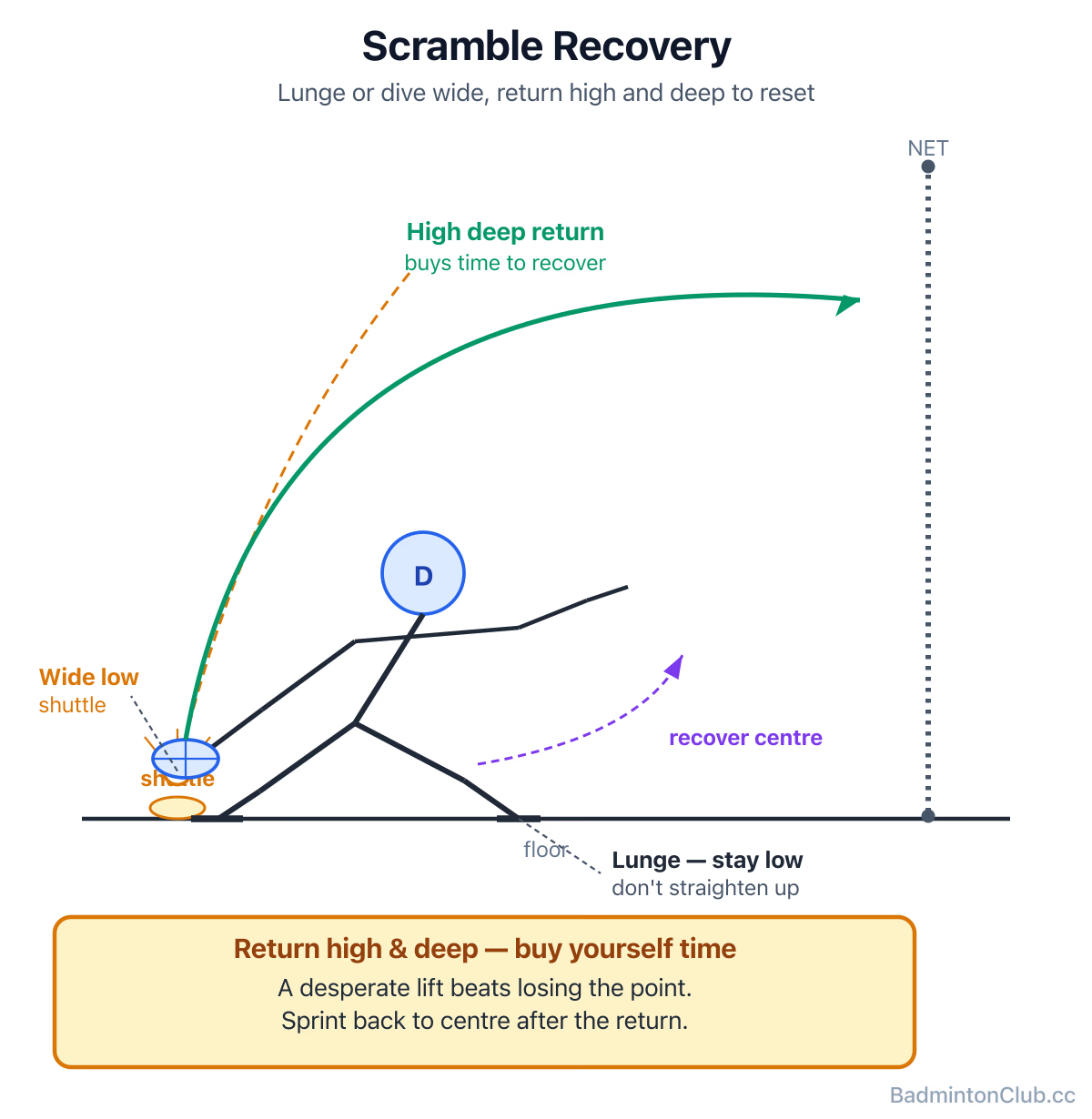
The mistake that gives it away
Club players defend flat shots by backing up and lifting, and it's a habit that caps their level. Backing up means taking the shuttle late, which means you can only lift, which means you're permanently on defence. The fix is uncomfortable but simple: stand your ground and take the drive earlier, even if you mishit a few while you learn. As for diving — please learn to lunge and recover before you learn to dive. I've watched far more players hurt themselves (and lose the next point getting up) flinging themselves at gettable shuttles than I've seen win rallies with a Hollywood dive. Footwork first, theatrics last.
The "wrong-foot" window
There's a small window in a flat rally where your opponent has committed to one side and you can hit into the side they just left — the basis of the cross-court block off a straight smash, or the cross-court flick return. The window is brief — call it a couple of hundred milliseconds between their contact and their first split-step landing — so reading and committing fast is everything. The reflex trains with shadow work: imagine the opponent's hit, step into the gap, hit cross — the same split-step timing that underpins fast court coverage. Speed of recognition is built, not gifted. Players who seem to "see the court faster" than you are usually just committing to the read a fraction earlier; that fraction is most of the skill.
FAQ
- Q: How do you defend against drives in badminton? Take the shuttle early and in front and return it flat with a short compact punch, rather than backing up and lifting, so you trade drives on level terms.
- Q: What is a defensive drive exchange? A flat-rally standoff where both players refuse to lift; whoever takes the shuttle earliest and keeps it lowest forces the other to pop one up.
- Q: What is shuttle redirection? Changing the angle of your return — block cross-court, drive down the line — so the attacker has to move and cover, stealing you time.
- Q: When should I dive for a shuttle? Only as a genuine last resort for a shuttle you can't reach otherwise — you're out of the rally while you recover, so master lunging first.
- Q: How do I stop being stuck on defence? Take flat shots earlier so you can drive or push instead of lift, and redirect your returns to where the opponent isn't.
- Q: What is back-to-the-wall court coverage? Defending from a poor, stretched position with quick feet and a high racket, aiming to survive one more shot and reset your base.
Drive defence turns fast, flat rallies in your favour by meeting the shuttle early and redirecting it rather than lifting. This guide covers drive exchanges, angle redirection, scramble recovery, the defensive dive, and the cross-court "wrong-foot" window — practical technique for club and intermediate players who want to stop being pinned on defence.