Badminton Footwork: Split Step, Chassé, Crossover & Shadow Drills for Fast Court Coverage
6 June 2026
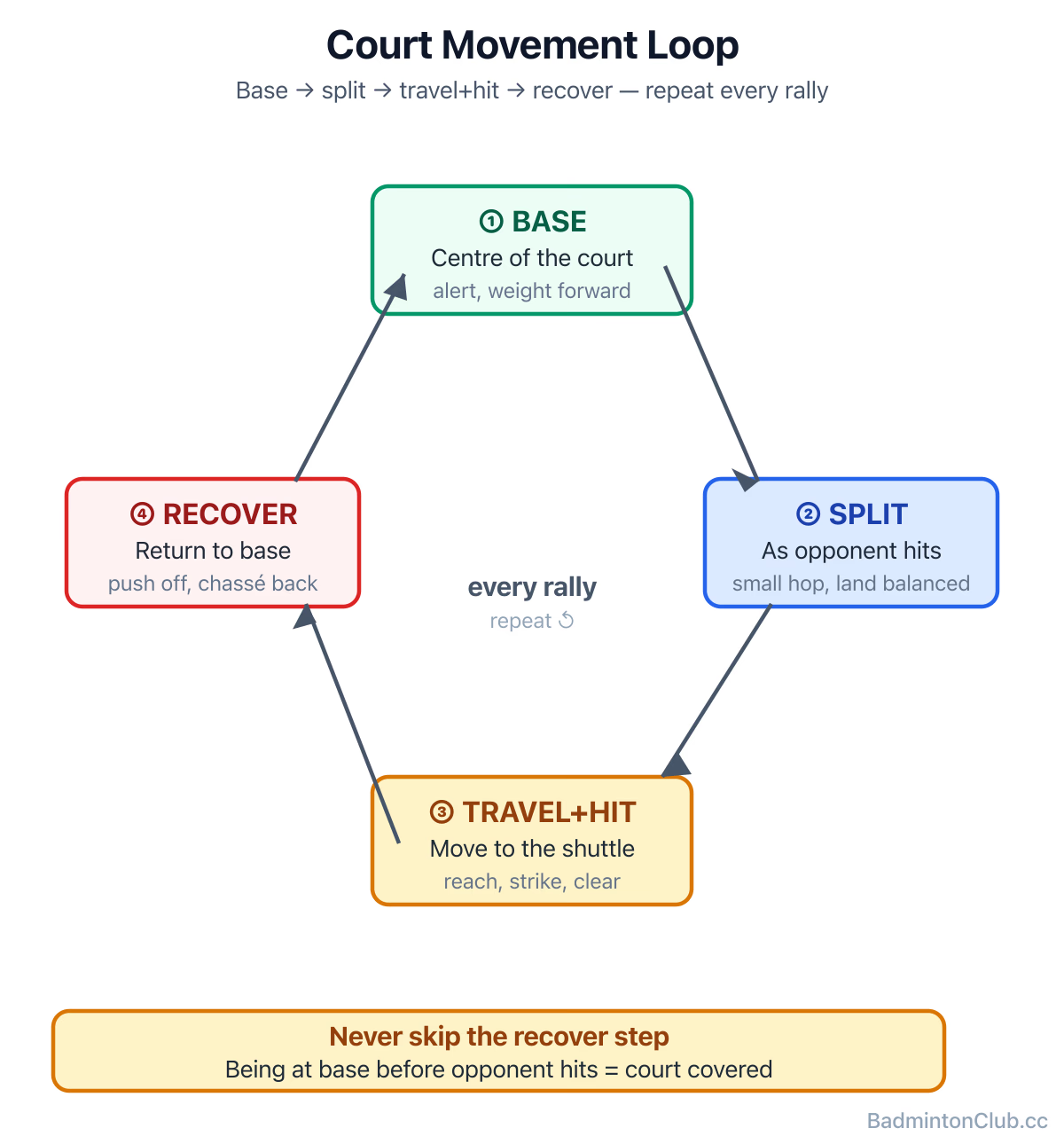
Badminton footwork is built on a base position in the centre, a split step (a small hop that lands you balanced just as the opponent hits, ready to push off in any direction), and efficient travel patterns — chassé (side-shuffle) and crossover steps — to reach the shuttle in as few steps as possible and recover to base. You don't chase the shuttle with your arm; you arrive with your feet, hit, and get back. Footwork, not strokes, is what separates levels.
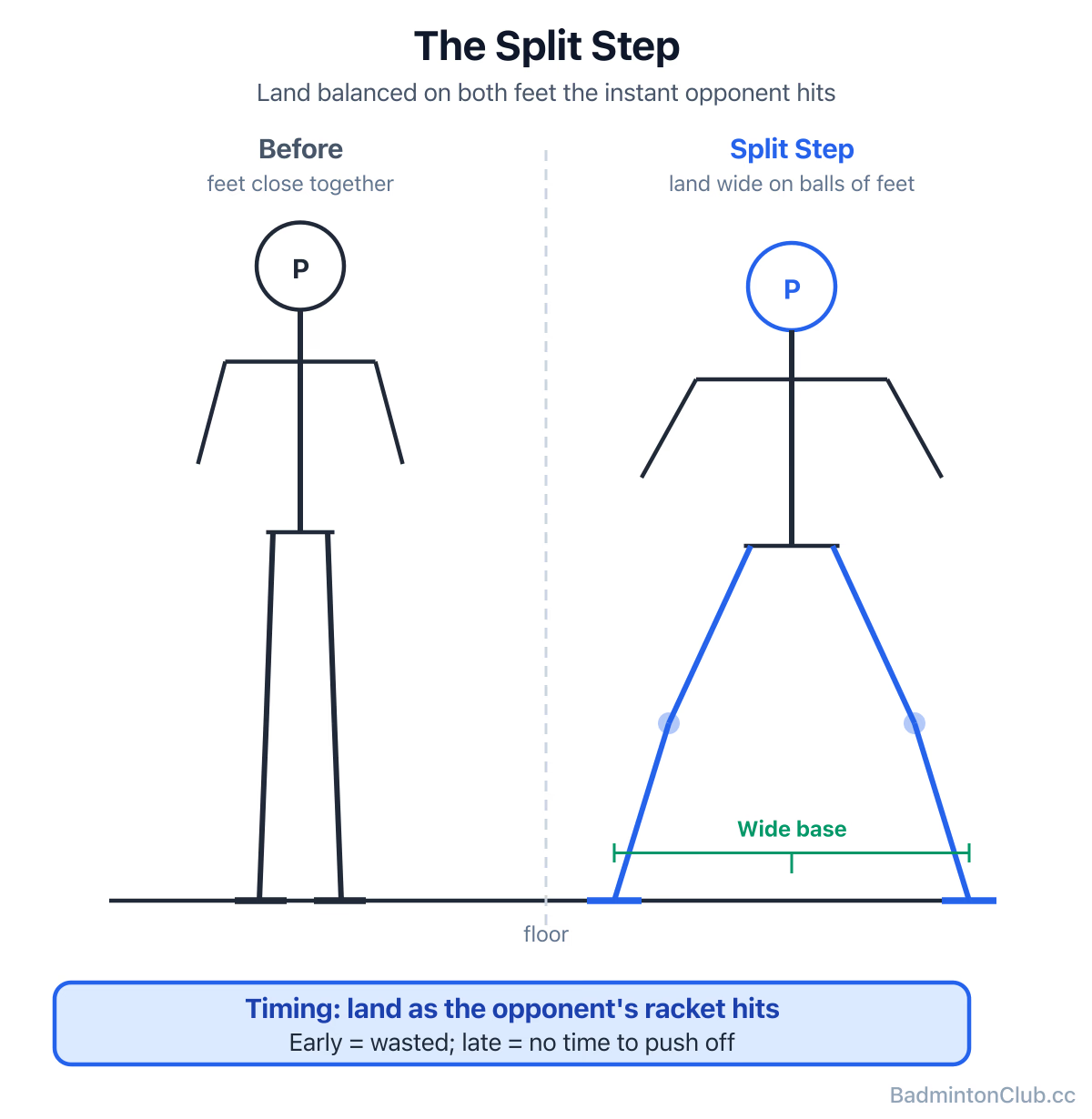
The split step — the timing trigger
The split step is the heartbeat of badminton movement: a small, light hop that you land exactly as your opponent strikes the shuttle, knees bent, weight balanced on the balls of both feet. That tiny pre-load lets you explode off in whatever direction the shuttle goes — it converts a flat-footed stand into a coiled spring. Time it too early and you've landed and stalled; too late and you're still in the air when you should be moving. Watch any elite player and you'll see this little bounce before every single one of the opponent's shots. Master the split step before anything else; it's the difference between reacting and lunging.
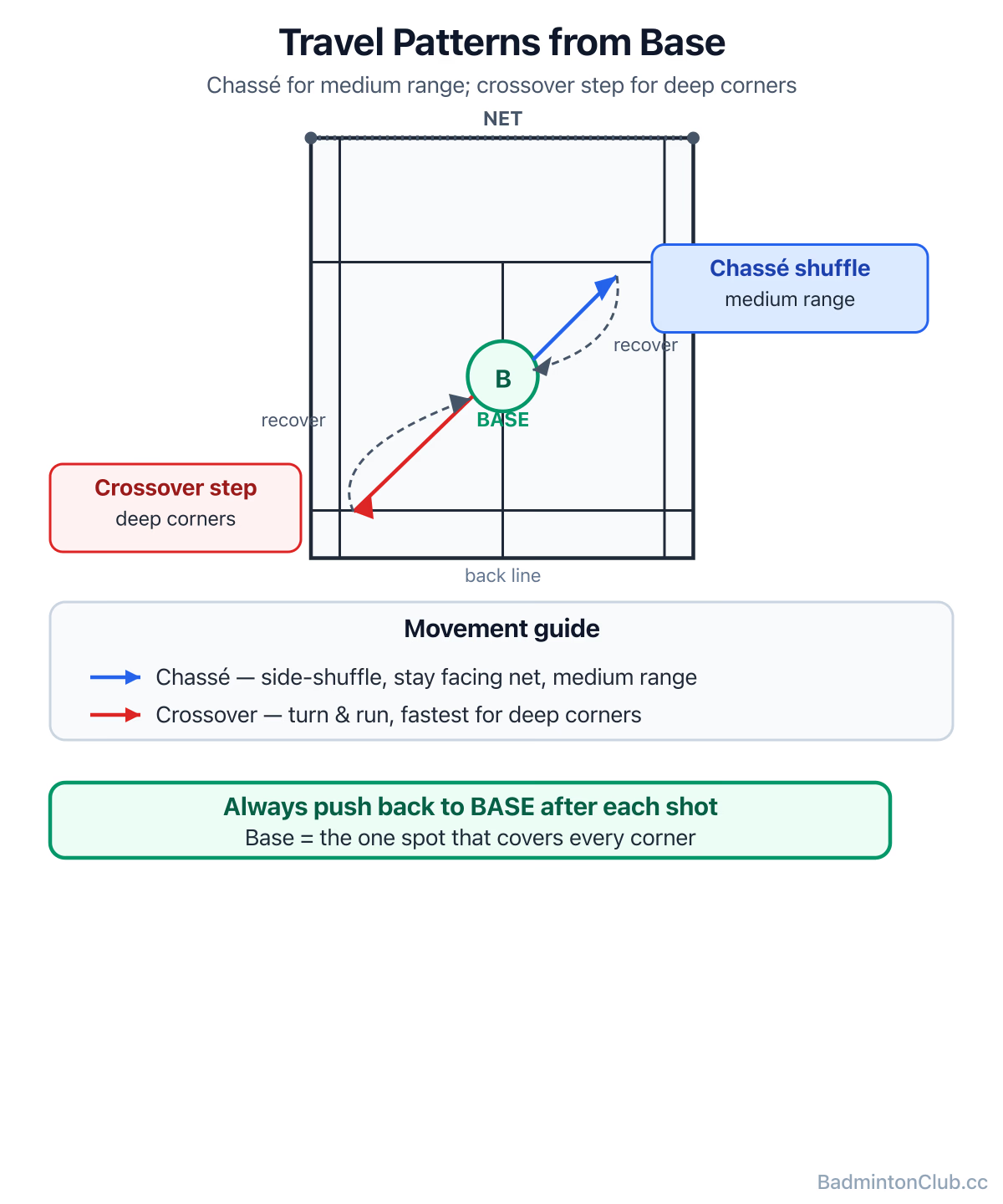
Travel patterns — chassé, crossover, base recovery
From the split, you travel efficiently. The chassé (a side-shuffle where the feet don't cross) is the workhorse for medium distances — quick, balanced, easy to stop and change direction from. The crossover step covers larger distances faster by crossing one leg over the other, used to get deep into the rear corners or wide. The non-negotiable habit is base recovery: after every shot you return toward the central base position so you're equidistant from all corners for the next shot. Players who hit and admire their shot get caught flat; players who hit and immediately recover always seem to "have more time". Arriving early also gives you time to hold the shuttle and threaten multiple options — the kind of deception in badminton that freezes opponents only works if your feet put you there first. Explosive, light, balanced movement beats raw speed.
Shadow footwork drills
You build all of this without a shuttle through shadow footwork: moving to each of the six court corners (two front, two mid/side, two rear) from base, playing an imaginary shot, and recovering — focusing on clean split, efficient travel and a balanced hit position. Six-corner drills, ghosting routines and shadow patterns train the movement until it's automatic, so in a real rally your feet go where they need to without conscious thought. It's also brutal fitness. Done honestly — full split, full recovery every rep — shadow work improves court coverage faster than almost anything else, and you can do it alone.
What coaches actually shout from the side
"Recover!" and "Split!" — the two words that fix most club rallies. The universal beginner pattern is to lunge at the shuttle from a standing start (no split), hit, and then stand and watch (no recovery), which leaves them permanently late. The fix isn't running faster; it's the split-step trigger and the discipline to return to base after every shot. A strong opinion that I'll defend: an hour of shadow footwork will do more for your results than an hour of smashing. Reaching the shuttle early and balanced makes every stroke easier — the player who's there always looks like they have the better technique, even when they don't.
The eyes-closed test
A self-test that exposes more than any mirror: shadow six corners with your eyes closed. If you can do it cleanly — the exact right number of steps, the right hip turn, the right scissor landing — your movement is grooved. If you stagger, reach or take an extra step, you don't yet own the pattern. It's brutally honest because there's no visual crutch. Do it in the garden or at home; ten minutes a week of closed-eye shadowing does more for footwork feel than most video sessions, and it forces you to feel the body position. The mental image of the court and the body in it becomes real only when the eyes can't double-check it.
FAQ
- Q: What is a split step in badminton? A small light hop you land balanced on the balls of both feet exactly as your opponent hits, pre-loading you to push off fast in any direction.
- Q: When should I do the split step? Time it to land the instant the opponent contacts the shuttle — too early and you stall, too late and you're airborne when you should be moving. The split step is especially critical on return of serve in badminton, where a well-timed hop lets you attack the shuttle before it drops.
- Q: What's the difference between a chassé and a crossover step? A chassé is a side-shuffle where the feet don't cross (best for medium distances and quick direction changes); a crossover crosses the legs to cover larger distances faster.
- Q: What is base position in badminton? The central spot you recover toward after every shot so you're equidistant from all corners and ready for the next one.
- Q: What are shadow footwork drills? Moving to each court corner from base without a shuttle, playing an imaginary shot and recovering, to groove efficient movement until it's automatic.
- Q: Is footwork more important than stroke technique? They're linked, but reaching the shuttle early and balanced makes every stroke easier — footwork is what most separates playing levels.
Badminton footwork starts with the split step — landing balanced the instant your opponent hits — then efficient chassé and crossover patterns to reach every corner and recover to base. This guide breaks down each movement, explains when and why to use it, and gives you a shadow-drill routine you can practise alone to make court coverage automatic.