How to Smash Harder in Badminton: Jump Smash, Pronation & the Power Chain
6 June 2026 · Badminton Fans
A hard badminton smash comes from forearm pronation — a fast inward rotation of the forearm that snaps the racket face through the shuttle — fed by a ground-up kinetic chain (legs, hip, trunk, shoulder, then forearm), not from a big arm swing. The jump smash adds height and a steeper downward angle on top of that; it does not, by itself, add much speed. Get the rotation right first and the jump second.
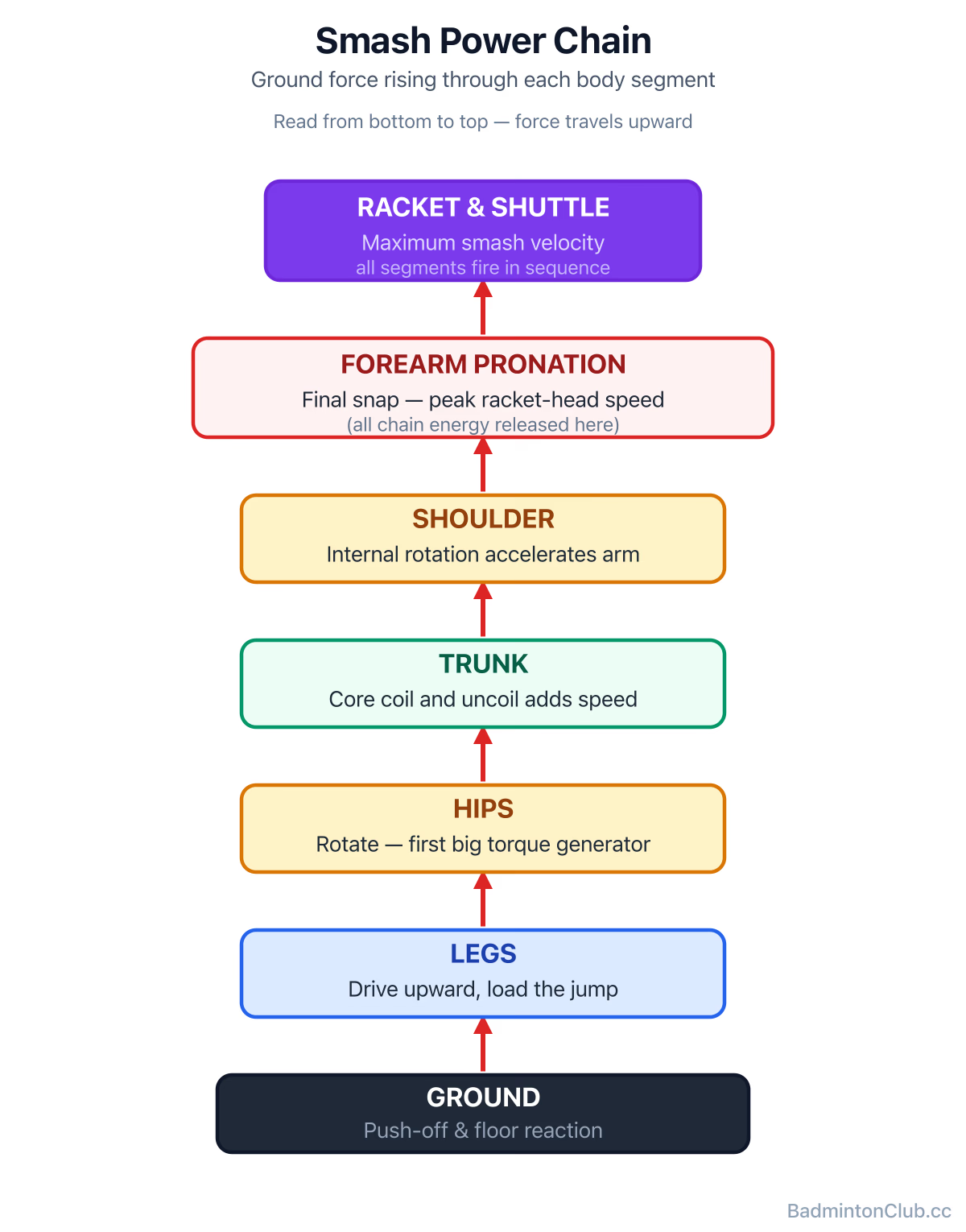
How the power is actually made
Beginners try to muscle the smash with the shoulder and arm, and they hit a ceiling almost immediately. Real racket-head speed comes from pronation: at contact the forearm rotates inward so the strings accelerate through the bird in the last few centimetres. Everything before that is just delivery — the legs push into the floor, the hip and trunk rotate, the shoulder and elbow whip forward, and all of that stored speed is dumped into the wrist-and-forearm snap at the top. Lose any link and the chain leaks: a lazy hip means a slow racket head no matter how hard your arm tries. The grip stays relaxed until the last instant, then squeezes — a "loose-to-tight" grip is what lets the forearm crack through instead of pushing.
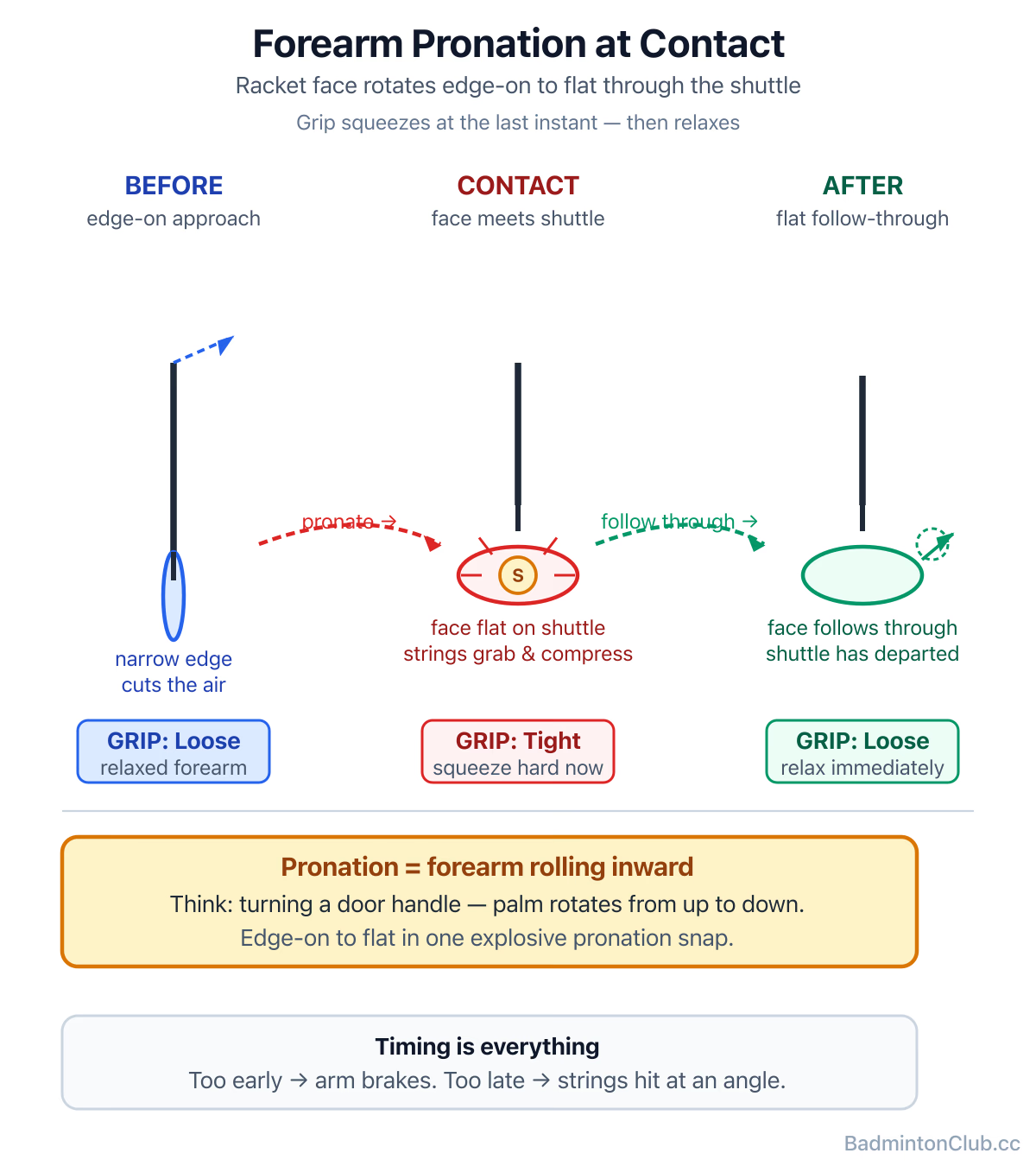
Why the jump (and what it really buys you)
A jump smash looks like the source of the power, but its real job is angle. By striking the shuttle higher you steepen the downward line so the bird drops toward the floor faster and gives the defender less time. The classic finish is the scissor kick: in the air your racket leg swings back and your non-racket leg forward, swapping positions so you land balanced and facing the net, ready to move — the same landing discipline covered in badminton footwork fundamentals. The added speed from a jump is modest — most of it is the steeper angle and the time you take away. If your standing smash isn't already heavy, jumping just makes you late and off-balance.
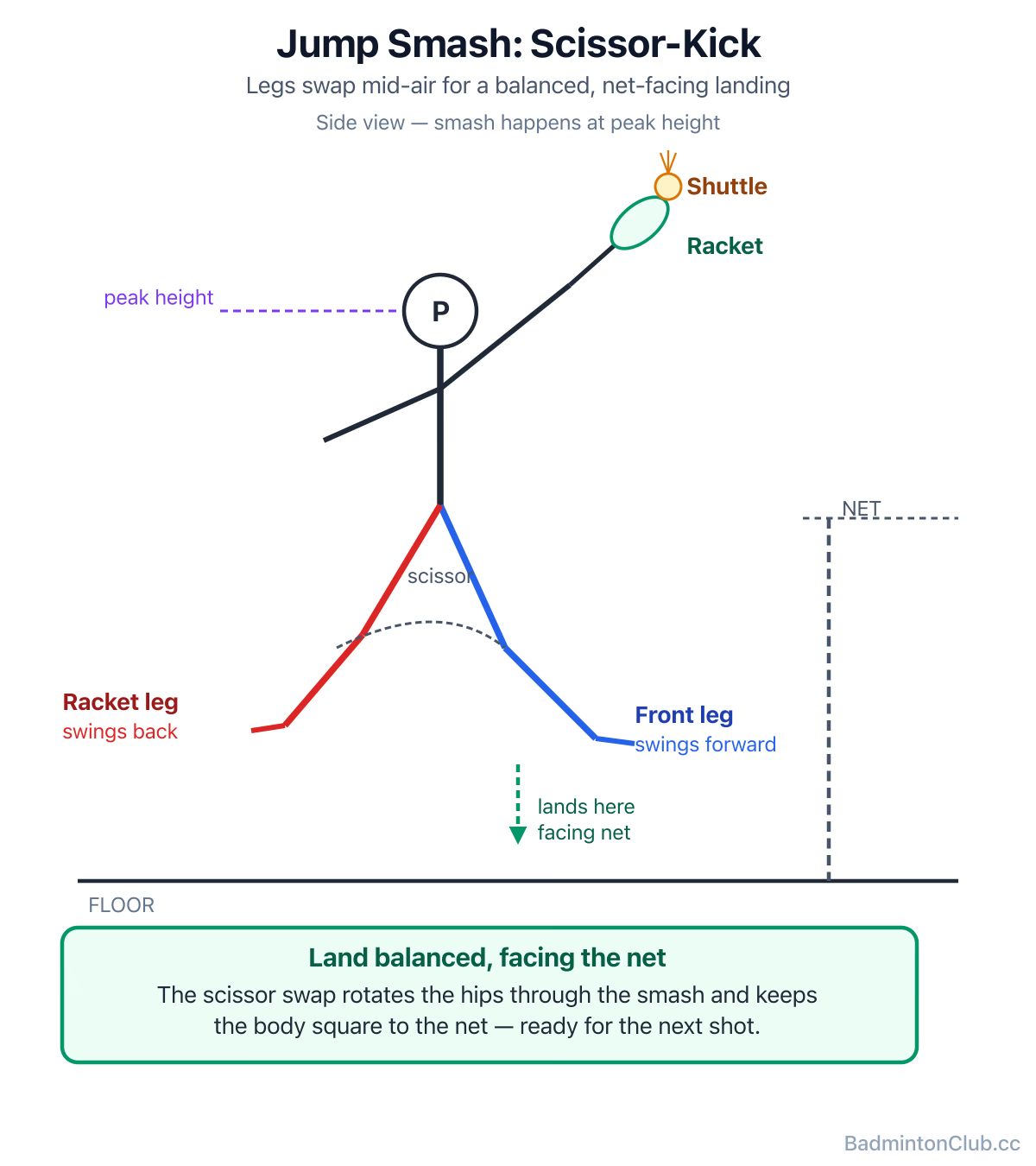
A drill that builds the snap
Stand mid-court, no jump. Have a feeder throw or hit high shuttles to your racket shoulder. Hit 30 smashes focused on one thing only: contact point slightly in front of the head, and a hard late pronation — feel the forearm rotate, not the arm push. Film it from the side; if the racket face is still tilting after contact you found the snap. Only once that standing smash lands flat and heavy do you add a small jump and the scissor kick. Work in sets of 30 with full rests — smash power is a speed quality, so quality dies when you're tired.
What this looks like on a club night
You can spot the player who's "discovered" pronation from across the hall — their smash sounds different, a sharp crack instead of a dull thump, even though their arm barely seems to move. (If you're running the rotation and want to track who's playing, BadmintonClub.cc keeps courts moving without a whiteboard.) Meanwhile the strongest-looking person in the gym winds up like they're chopping wood and the shuttle floats. Power in this sport is almost entirely timing and rotation, not muscle; some of the steepest smashes I've taken came off players half my size who simply sequenced the chain properly — and once defenders start reading a heavy smash, a well-timed fake smash or check smash becomes twice as effective. For the record-chasers: the fastest smash ever measured is 565 km/h (Satwiksairaj Rankireddy, a 2023 Guinness lab test) — but that's a controlled rig, not a rally. In a real match even world-tour smashes live nearer the 400s, and yours doesn't need to be fast, it needs to be steep and on time.
The "crack" tells you everything
The cleanest single-piece feedback in this sport is sound. A heavy, well-timed smash sounds like a sharp single "thwack" — one note, no buzz. A slow, pushy smash sounds hollow, rattly, sometimes almost like cardboard. I ask every player I coach to listen, not just look, when they smash — film from the side, mute the picture, and just play the audio. You can hear whether the strings actually caught the cork. The audible difference between a smash that found the pronation and one that didn't is night and day, and it's a faster diagnostic than any mirror or coach's eye. Once you've trained your ear, you'll hear mid-rally whether the chain held.
FAQ
- Q: Where does smash power come from in badminton? Forearm pronation at contact, fed by a ground-up kinetic chain — legs, hip, trunk, shoulder, then the forearm snap. Not the arm muscle.
- Q: Does jumping make your smash faster? Barely. The jump mainly buys a steeper downward angle and takes time from the defender; the speed still comes from pronation.
- Q: Why is my smash slow even though I'm strong? You're almost certainly pushing with the arm instead of rotating the forearm, and gripping tight too early. Relax the grip, snap late.
- Q: What is the scissor kick in a jump smash? The in-air leg swap — racket leg back, front leg forward — that lets you land balanced and facing the net.
- Q: What's the fastest badminton smash ever recorded? 565 km/h by Satwiksairaj Rankireddy in a 2023 Guinness controlled-test; in-match smashes are far slower.
- Q: Should beginners learn the jump smash first? No — build a heavy standing smash with good pronation first, then add the jump.
Forearm pronation is the true engine of a hard badminton smash — not arm muscle. This guide breaks down the ground-up kinetic chain (legs, hip, trunk, shoulder, forearm snap), why the jump smash is really about angle rather than speed, how to drill the late-pronation crack, and the sound test that instantly tells you whether your chain held. Perfect for club players who want a genuinely heavier smash.