Badminton Drives, Pushes & the Attacking Clear: Flat, Fast Mid-Court Attack
6 June 2026 · Badminton Fans
A drive is a flat, fast shot hit roughly parallel to the floor and travelling close over the net; a push is a gentler, controlled placement that drops just past the net into the mid-court; and an attacking clear is a flat, fast clear fired to the back corners to rush an opponent who's out of position. All three are "flat-game" weapons — they take time away rather than hitting down, and they're the backbone of fast doubles and tight singles exchanges.
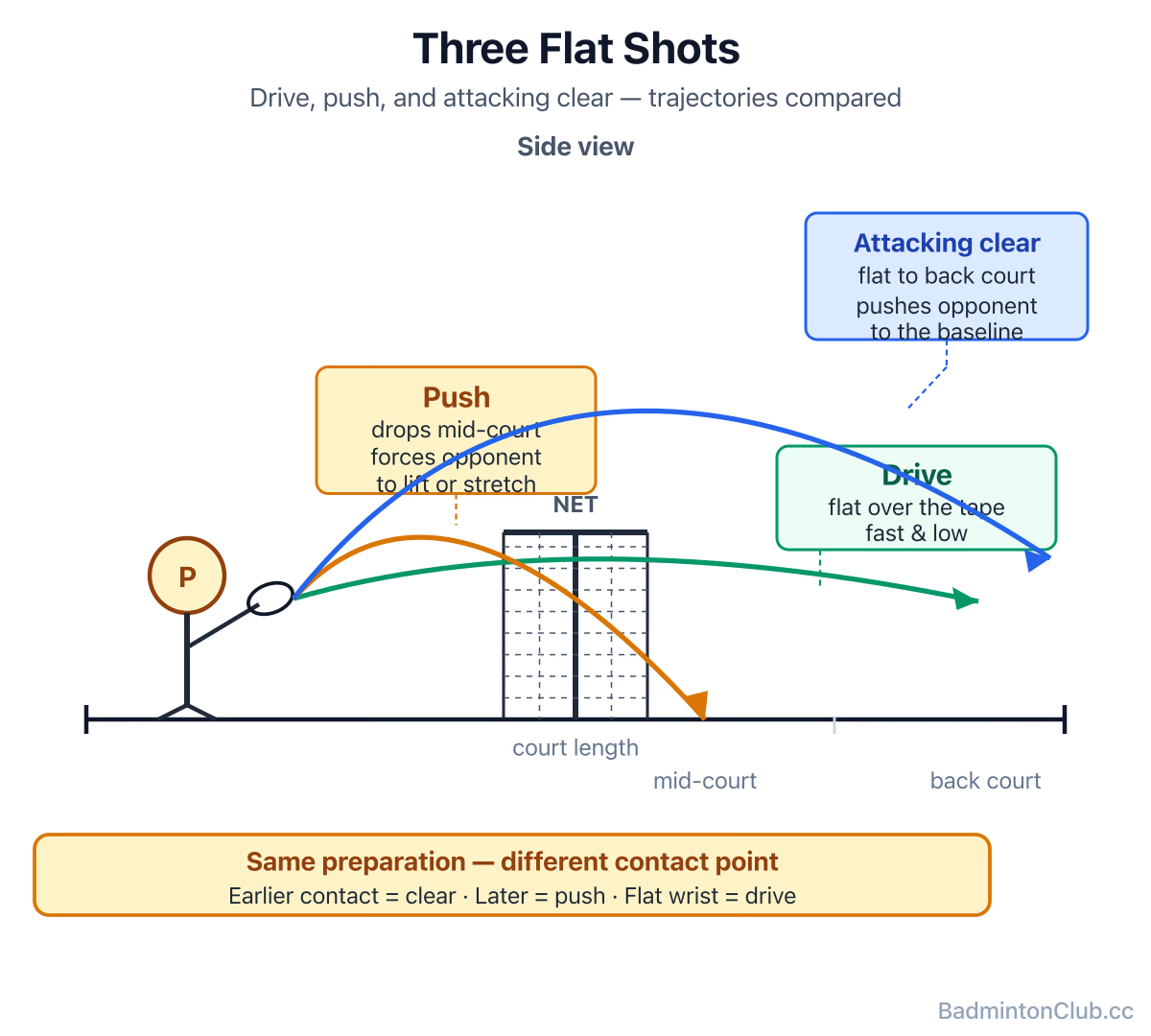
The drive: a flat-rally weapon
A drive is hit out in front, with a short pronated (forehand) or thumb-pushed (backhand) snap, sending the shuttle flat and fast just clearing the tape. The aim is to keep it rising-to-flat so the opponent has to take it low and lift — never let a drive sit up. Drives live in the mid-court duel of level doubles, where two players trade flat shots at the net tape until one forces a weak lift. Take the shuttle early and in front — good court footwork is what puts you in position to do that consistently; the moment you let it drop and hit it from beside or behind you, the drive becomes a defensive push and you've lost the initiative.
The push: placement over power
The push is the drive's quiet cousin — same flat trajectory, far less pace, used to place the shuttle into the open mid-court (the doubles "hole" between the front and back player) rather than blast it. A good push half-volleys a drive or a net shot and rolls it flat into the gap, forcing an awkward low pick-up. It's a percentage shot: low risk, keeps you attacking, and it sets up the next interception. Net push placement into the diagonal mid-court is one of the most reliable points-builders in doubles precisely because it's so low-risk.
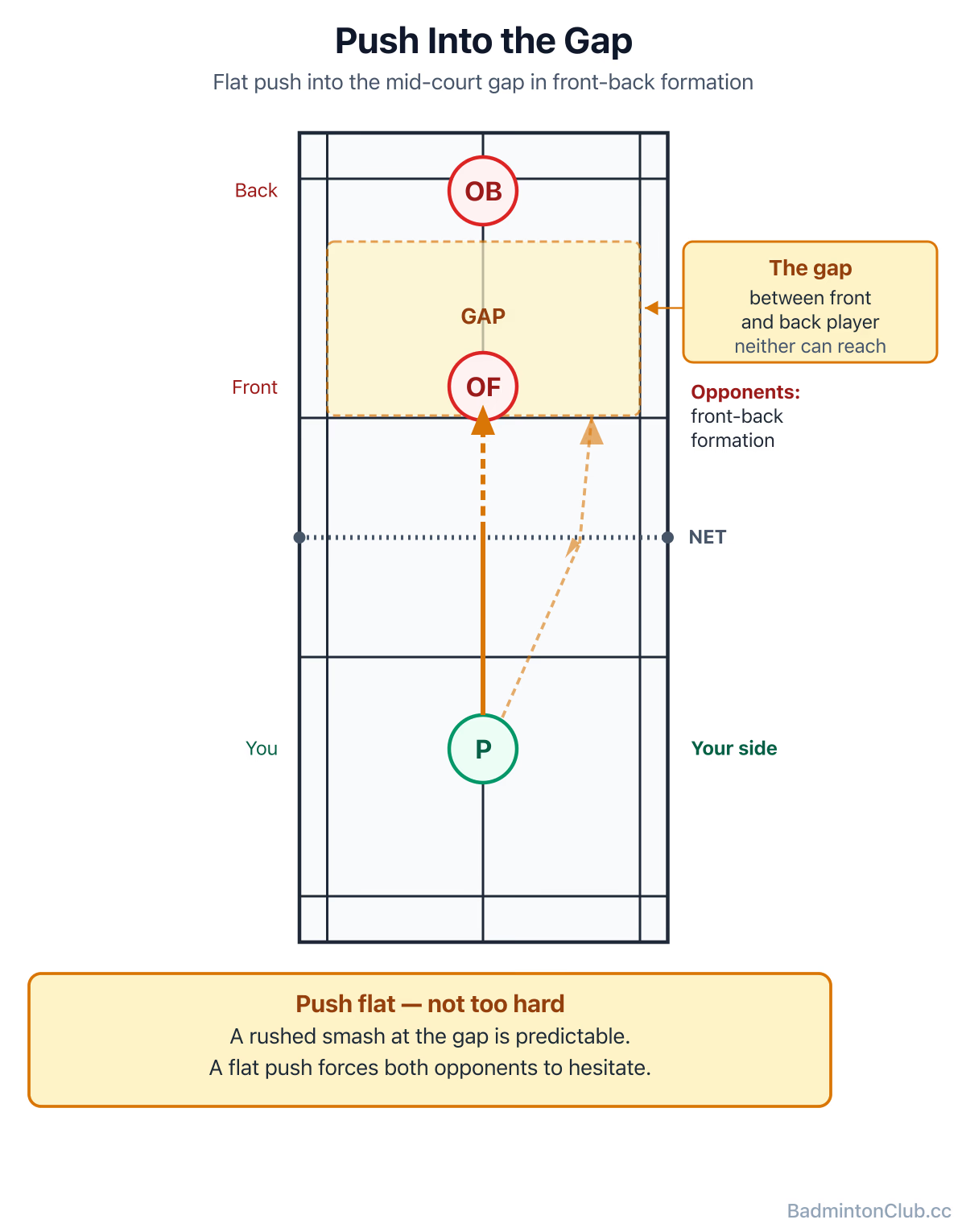
The attacking clear: a change of pace
Most clears are defensive — high and deep, to buy time. The attacking clear is the opposite: flat and fast, skimming just over the opponent's reach to the back corner. Its whole value is surprise and tempo — thrown in when your opponent has crept forward expecting a drop or net shot, it pins them deep and behind, and a late scramble there often produces a weak return. Overuse it and it gets intercepted for a smash, because a flat clear that's read is a gift — pairing it with deception and double-action shots keeps opponents genuinely uncertain which shot is coming. One or two a game, well-timed, is the dose.
What this looks like on a club night
The flat game is where club doubles is actually won, and almost nobody practises it. (If you run the sessions, BadmintonClub.cc can help you balance courts and keep the rotation moving so players get enough reps in the flat-game pairs.) Watch two improving pairs and the rallies that decide games are the flat mid-court scraps — whoever blinks first and lifts hands over the attack. The fix isn't a harder smash, it's a faster, earlier drive and the discipline to push instead of lift when you're under pressure. My standing advice to anyone stuck at the same level for a year: spend a month taking everything earlier and flatter, refuse to lift unless forced, and watch how many more rallies you stay on the attacking side of.
A "two-tempo" warm-up
A small habit that quietly pays off: open every warm-up at about 60% drive pace for a few minutes, then lift the tempo. Hands calibrate to the shuttle before the speed arrives, and the first hard exchange of the match feels normal instead of a shock. Players who jump straight into 100% flat drives in the warm-up often mishit the first real exchange of the match because their hands haven't dialled in. Ten quiet minutes of soft drives and pushes, followed by a step-up to faster drives and a few clears, saves more points than any flashy pre-match routine. The same logic works at the start of every set — slow it down for two points, then open up.
FAQ
- Q: What's the difference between a drive and a push in badminton? A drive is flat and fast over the net; a push is the same flat line with far less pace, used to place the shuttle softly into the mid-court gap.
- Q: How do you hit a good drive? Take it early and in front with a short forearm/thumb snap, keep it flat-to-rising just over the tape, and don't let it sit up for the opponent.
- Q: What is an attacking clear? A flat, fast clear to the back corner used to surprise and pin an opponent who has crept forward — a change-of-pace shot, not a staple.
- Q: When should I push instead of drive? When you're slightly under pressure or want a low-risk placement into the open mid-court rather than a flat-out exchange.
- Q: Why do I keep lifting in fast doubles? You're taking the shuttle too late; meet it earlier and flatter so you can drive or push instead of being forced to lift.
- Q: Is the attacking clear risky? Yes if overused — a flat clear that's read gets intercepted for a smash. Use one or two a game, well-timed.
Drives, pushes and the attacking clear are badminton's flat-game weapons — they take time away instead of hitting down. This guide covers the mechanics of each shot, when to use them in doubles, and the two-tempo warm-up habit that sharpens your fast-exchange hands.