Backhand Smash in Badminton: How to Hit It (and When You Actually Should)
6 June 2026 · Badminton Fans
The backhand smash is hit with a backhand (thumb-braced) grip, your back turned to the net, and almost all the power coming from a sharp forearm pronation-into-supination snap at the top of the reach — the elbow leads, then the forearm cracks the shuttle as the racket extends. It's one of the hardest shots in the game to hit with real pace, and most of the time a backhand clear or a quick reset is the higher-percentage choice. Learn it, but don't fall in love with it.
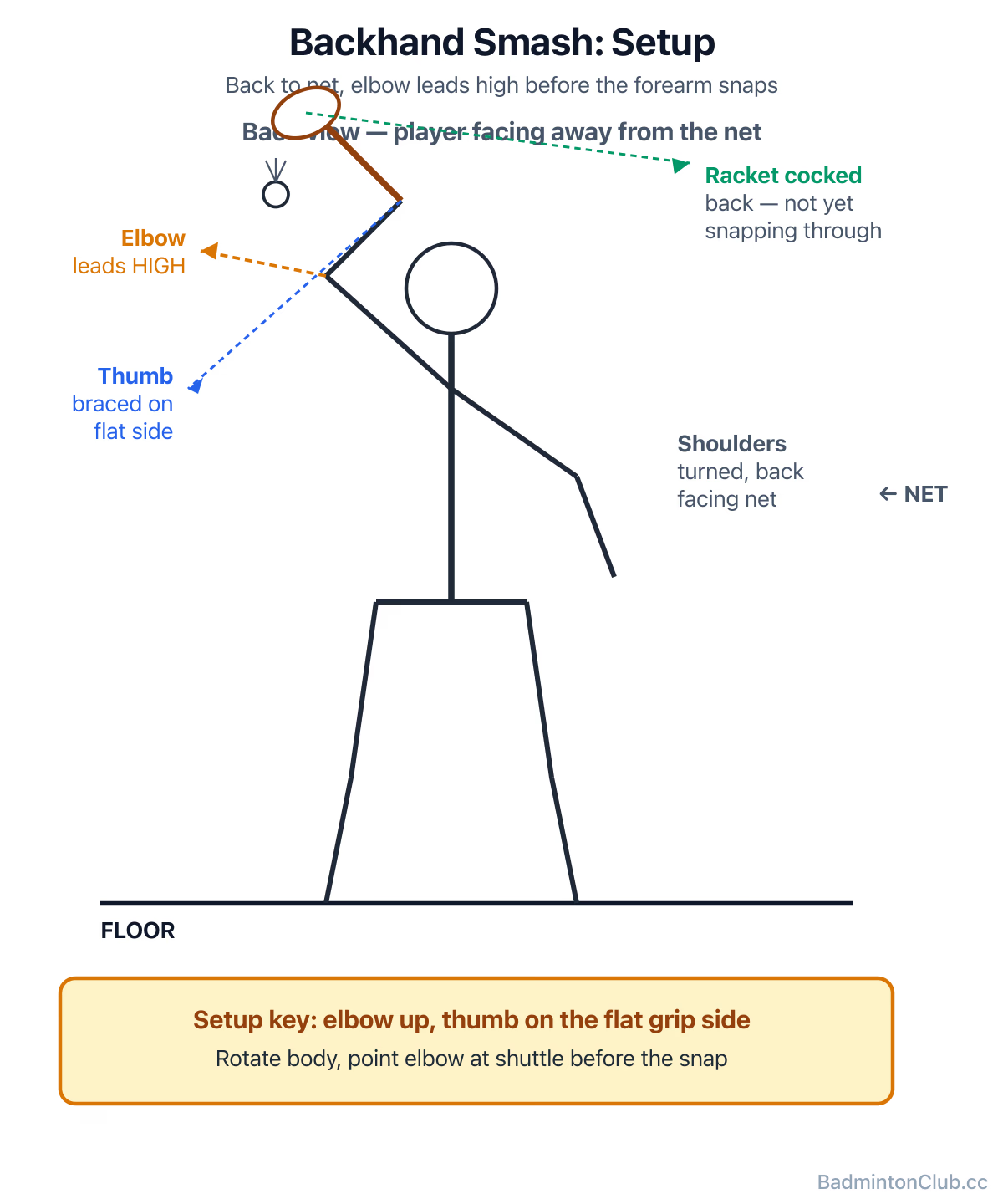
The mechanics
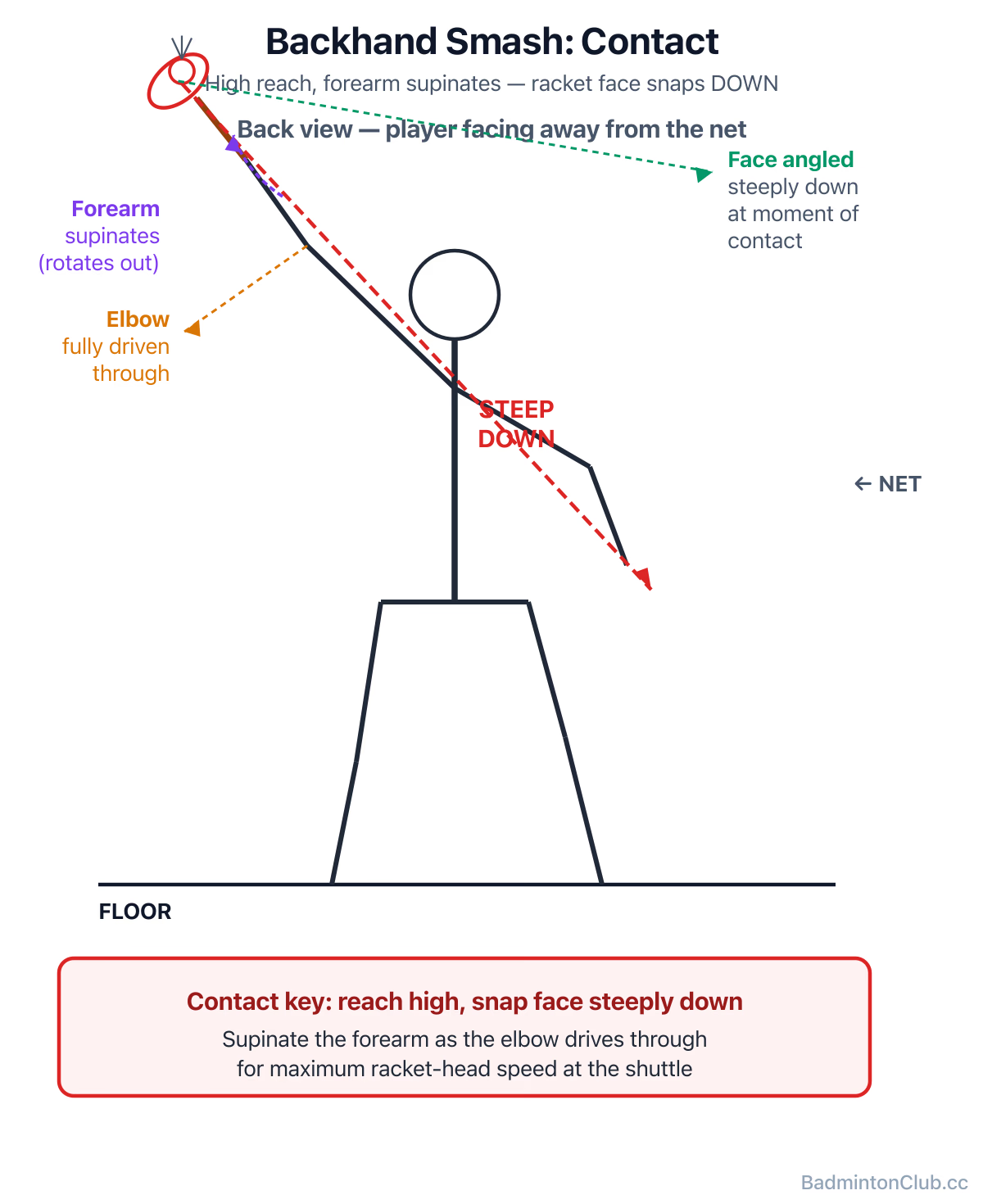
Switch to a backhand grip with the thumb braced flat along the wider bevel for leverage. Turn so your back faces the net and your racket elbow points up toward the shuttle. The power sequence is short and violent: the elbow extends, and at the very top the forearm supinates (rotates outward) to whip the racket face through — the mirror of the forehand's pronation. Contact is as high and as early as you can manage, slightly in front of the body. The single biggest fault is taking the shuttle too low and behind you; once it drops past your reach there's no leverage left and you'll only ever dink it back.
When to actually use it
Honestly? Rarely as a smash. The backhand rear-court is a defensive position — you've been pushed there and you're facing away from the net, so even a clean backhand smash leaves you slow to recover. The percentage play is usually a backhand clear to reset the rally or a backhand drop to buy time. Save the backhand smash for when the shuttle sits up short and high on your backhand rear corner and you can take it early — a genuine put-away — rather than forcing it from a deep, late position where it'll just sit up for the opponent.
Drill: grip-switch and snap
Two-part practice. First, shadow the grip change — forehand to thumb-braced backhand — until it's automatic under no pressure; fumbling the grip is what kills most backhand rear-court shots. Then have a feeder lift consistently to your backhand rear corner and hit 20 backhand clears to full length to groove the elbow-lead-then-snap motion. Only when those reach the back line comfortably do you try the steeper smash on the few that come short enough to attack. Power here is pure technique and timing — grinding the snap is far more productive than grinding in the gym.
The mistake that gives it away
Watch a club player attempt a backhand smash and you'll usually see the whole arm swing like a forehand thrown backwards — and the shuttle loops up gently, a free gift. The tell is a slow, big motion. The real shot is tiny and late: nothing, nothing, crack — that late release is the same wrist-snap deception that freezes opponents on every backhand shot, not just the smash. If you can hear the difference between Viktor Axelsen's backhand and yours, that's the sound of a relaxed forearm released at the last instant versus an arm trying to bully a shot that can't be bullied. Build the clear first; the smash is the same motion with a steeper face and better timing.
Why your shoulder hurts the next morning
A diagnostic that beats any mirror: if your upper back or the top of your non-racket shoulder is sore the day after a heavy backhand-smash session, you're almost certainly pulling with the shoulder and arm instead of snapping with the forearm. The shot is small and violent — the elbow leads, the forearm cracks, and the shoulder barely travels. If the arm feels worked in the warm-down, the chain has leaked at the top, and the snap is being done by muscles that shouldn't be doing it. Work the forearm snap, not the gym, and the morning-after ache tends to disappear within a few weeks — and your backhand smash goes up with it.
FAQ
- Q: How do you hit a backhand smash in badminton? Backhand thumb-braced grip, back to the net, elbow leading high, then a sharp forearm supination snap through a high, early contact point.
- Q: Why is the backhand smash so hard? You're facing away from the net with a short, leverage-poor motion, so all the power must come from a perfectly timed forearm snap — and you recover slowly afterward.
- Q: Backhand smash or backhand clear — which should I use? Usually the clear. The rear backhand is a defensive spot; clear to reset and only smash when the shuttle sits up short and high.
- Q: What grip is used for a backhand smash? A backhand grip with the thumb braced along the wider bevel for leverage.
- Q: Why does my backhand smash have no power? Most likely you're taking the shuttle too low and behind you and swinging with the whole arm — get the contact high and early and snap the forearm late.
- Q: Do I need a strong wrist for the backhand smash? It's more about timing and a relaxed-then-fast forearm than brute wrist strength; grooving the snap beats gym work.
The backhand smash is one of the hardest shots to hit with real pace — almost all the power comes from a sharp forearm supination snap at the top of the reach. This guide covers the mechanics, the grip, the most common faults (swinging with the whole arm, taking the shuttle too late), and the honest truth about when a backhand clear is the smarter choice.