Who Serves Next in Badminton Doubles? Service Order and Rotation Rules Explained
6 June 2026
In doubles, the side that wins a rally serves next; if the serving side wins, the same server serves again but swaps service courts with their partner, and the receivers stay put. There's no "second server" in the modern rally-scoring system — each side gets one serve at a time.
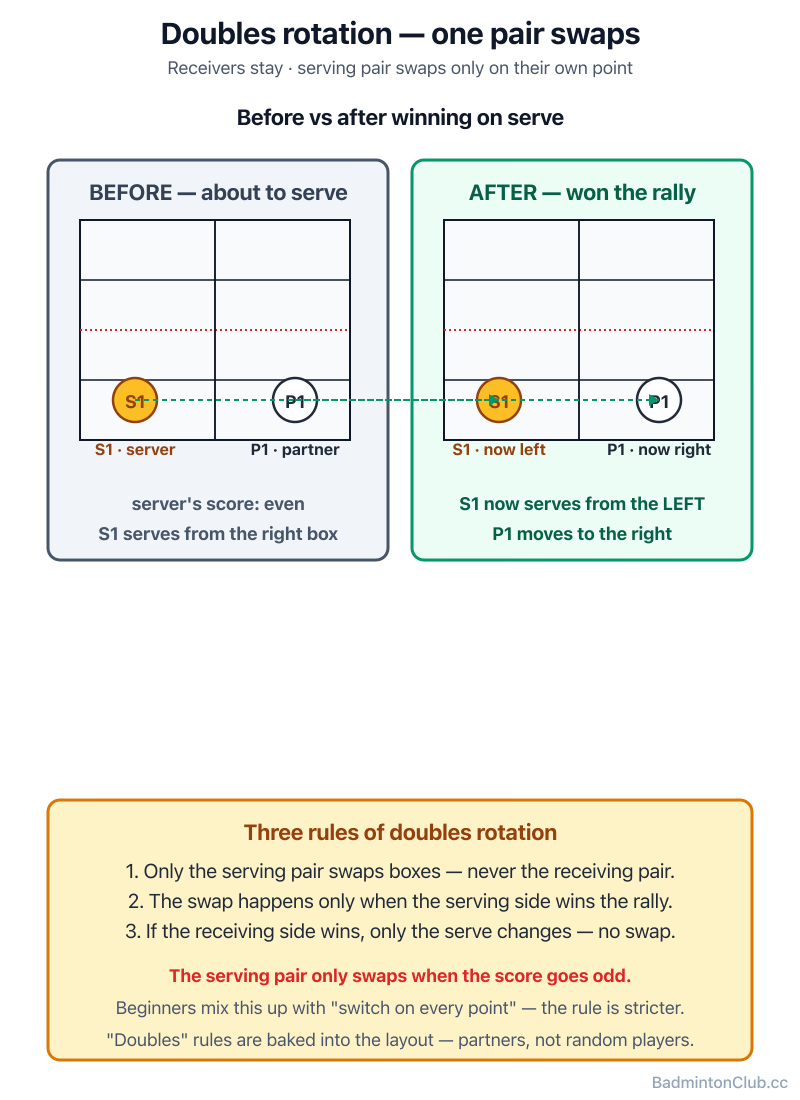
The doubles rule of thumb that settles every dispute
New doubles players tie themselves in knots over who serves and from where, almost always because they're half-remembering the old two-server system that no longer exists. Bin it and keep one line: your side only swaps boxes when you score on your own serve. Win the rally on serve and you and your partner switch sides, same person serving again. Lose any rally and nobody on your side moves a step — you simply become receivers exactly where you stand. The correct server when you win the serve back is just whoever's in the box that matches your team's score. That one sentence resolves about ninety percent of the confusion I see on a club night. For a broader look at how courts, scoring, and faults all fit together, the complete 2026 badminton rules guide covers every area in one place.
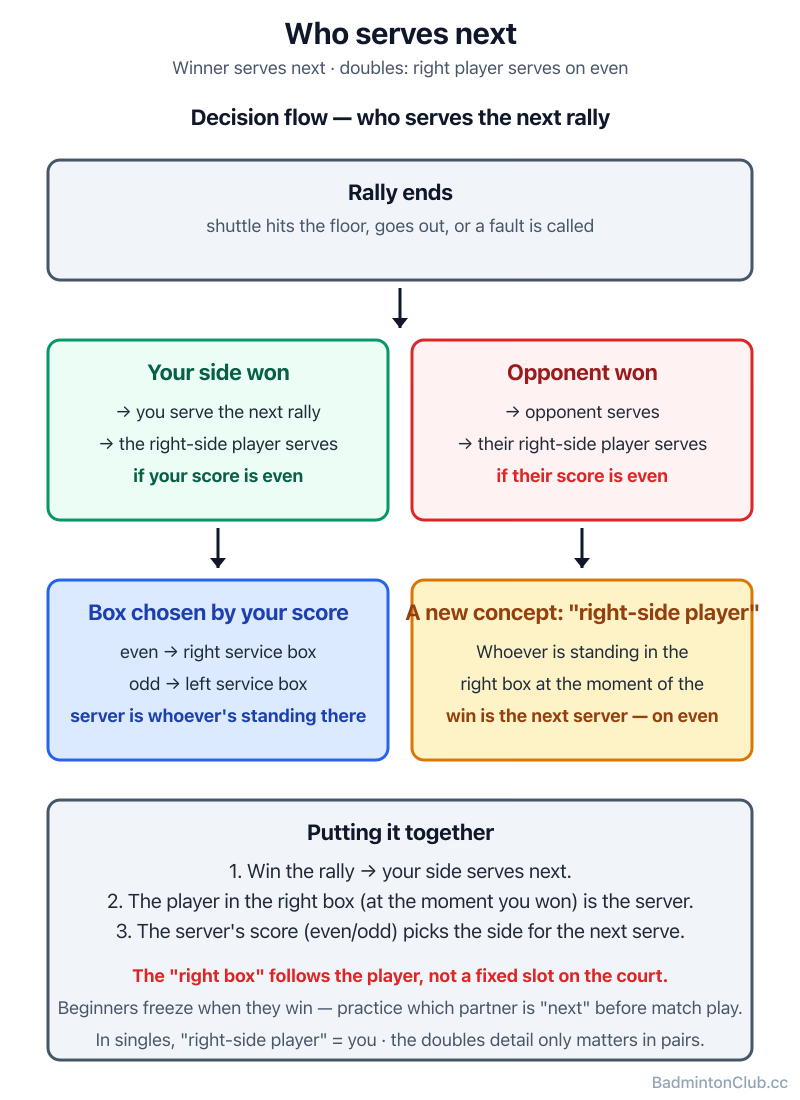
How the rotation works
- The winning side serves next. Win the rally → your side serves.
- If the serving side wins a point, only that pair swaps courts (the server moves from right to left or back), and the same player keeps serving from the new court.
- If the serving side loses, service passes to the opponents — and nobody on the receiving side switches; the correct server is whoever stands in the service court matching the new server's score (even → right, odd → left).
- Receivers don't rotate with each point — partners only change sides when their own side wins a point on serve.
The mental shortcut
Your side only swaps sides when you score on your own serve. Lose the rally and you stay exactly where you are; you just become receivers. This is why doubles positions look static compared with the old two-server system. It's also worth noting that every rally produces a point — if you're unsure how points accumulate, the badminton scoring system explained article breaks down how the 21-point rally format works.
Example
You serve from the right and win → you and your partner swap, you serve again from the left. Win again → swap back, serve from the right. Lose → opponents serve; you and your partner stay where you stood.
FAQ
- Q: Who serves next in doubles? Whichever side just won the rally.
- Q: Do both partners serve before the serve changes? No — the modern system has no second server; each side has one serve at a time.
- Q: When do doubles partners switch sides? Only when their side wins a point on its own serve.
- Q: Do the receivers swap when the serve changes? No — receivers stay; the correct server is set by the score's odd/even.
- Q: How do I know who should serve after winning the serve back? The player standing in the service court that matches the team's score (even → right, odd → left).
Understand who serves next in badminton doubles and how the rotation works under rally scoring. This guide covers the one rule that resolves most confusion — your side only swaps courts when you score on your own serve — and walks through the FAQ every club player asks.