Badminton Deuce & Setting Rule: Winning 20–20 (The 2-Point Lead and 30-Point Cap)
6 June 2026
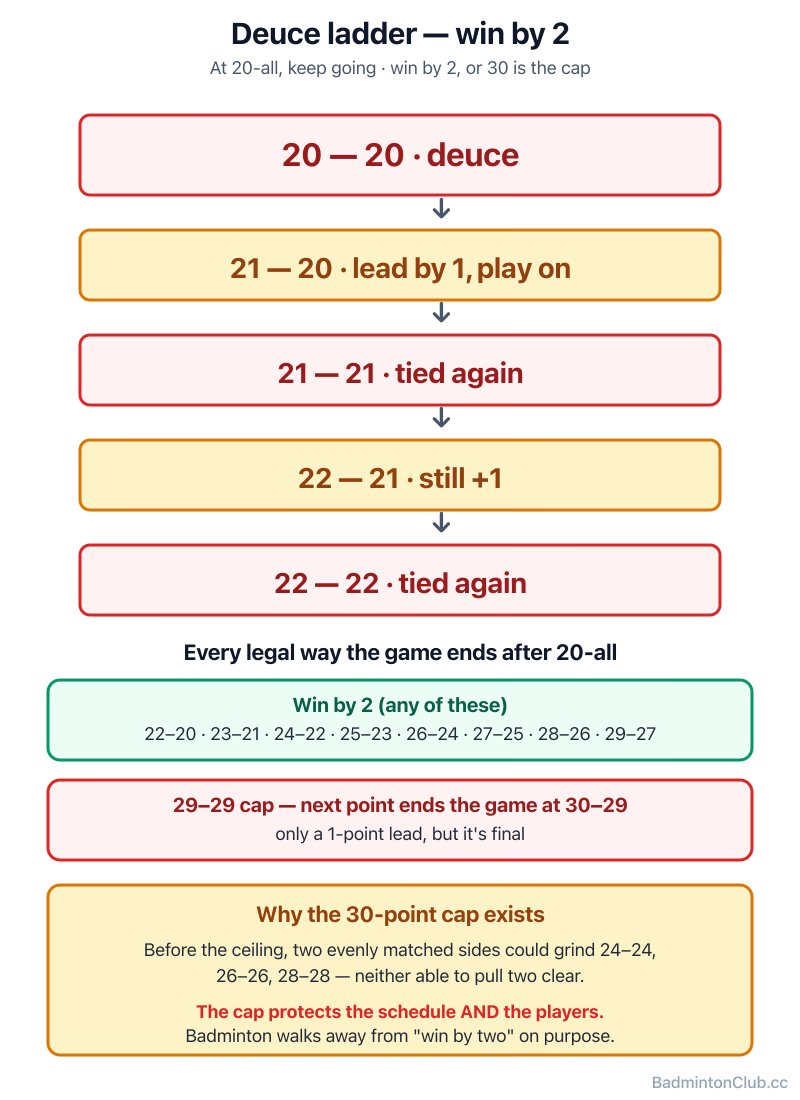
At 20–20 a badminton game goes to "deuce": you must then win by 2 clear points (22–20, 23–21, and so on), but the game is capped at 30 — so at 29–29 the very next point wins it 30–29. "Setting" is the older name for this win-by-two extension. Deuce is just one part of the full badminton scoring system — understanding rally scoring as a whole makes the deuce rule click immediately.
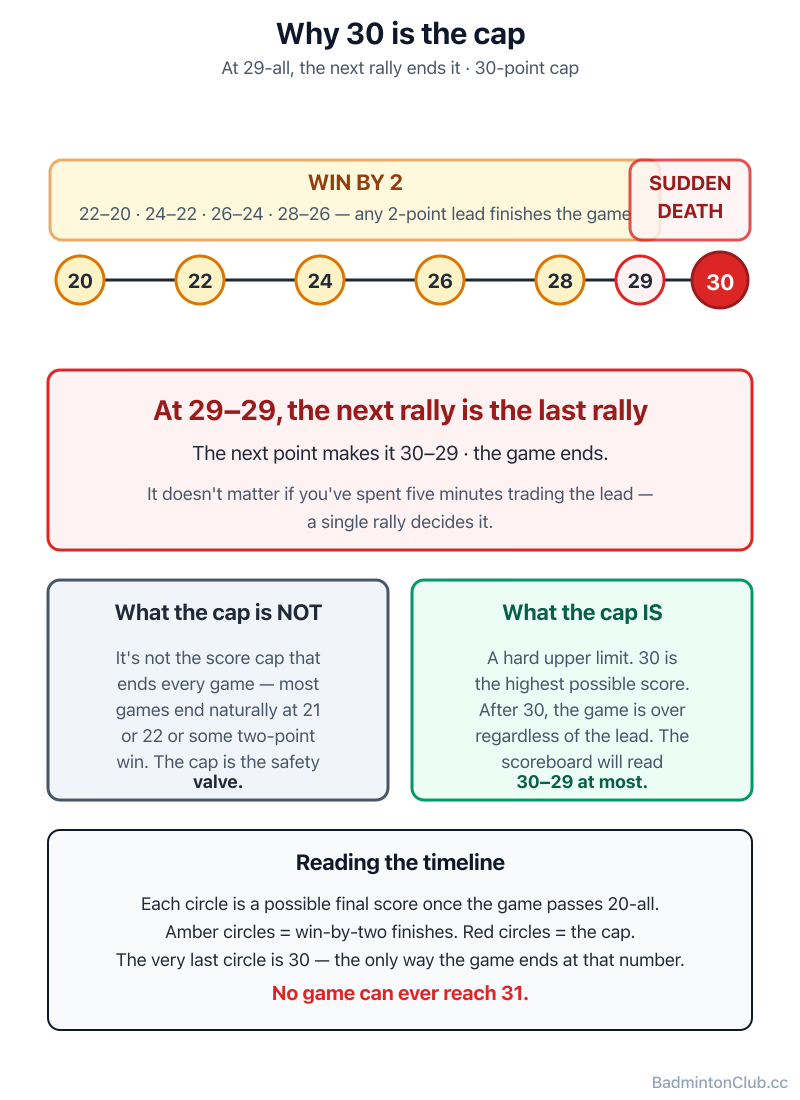
Why the game is capped at 30
Before the ceiling existed, a stubborn deuce could crawl on and on — two evenly matched sides trading 24–24, 26–26, nobody able to pull two clear while their legs turned to lead. The 30-point cap is there to protect the schedule and the players: reach 29–29 and the safety net drops, the very next rally ends it. It's the one moment badminton walks away from "win by two," and it does so on purpose — a deliberate swap of purity for a match that actually finishes on time. Good to know before you grind to 29-all expecting to keep going forever.
How deuce works
- Reach 20–20 → the game does not end at 21. Play continues until one side is 2 points ahead.
- Possible deuce finishes: 22–20, 23–21, 24–22 … up to 29–28.
- The cap: if it reaches 29–29, the next rally is sudden death — the winner scores point 30 and wins 30–29, even though it's only a 1-point margin.
What "setting" means
"Setting" is the traditional term for choosing to play extra points at a tie near the end of a game. Under the old 15-point system a side could "set" the game at 13-all or 14-all. In today's 21-point rally system the equivalent is automatic: from 20–20 the win-by-two extension is the setting, capped at 30. So if someone says "setting," they mean the deuce play-on.
Example
24–24: neither side can close it out. One side wins two rallies in a row → 26–24, game over. If instead they trade points all the way to 29–29, the next rally decides it at 30–29.
FAQ
- Q: What is deuce in badminton? When the score is tied at 20–20, you must then win by two points.
- Q: What does "setting" mean in badminton? The older word for the win-by-two extension at a late-game tie; in the 21-point system it's the deuce rule.
- Q: Can a badminton game go on forever? No — it's capped at 30; 29–29 is decided by a single next point. For the complete picture of how points, serves, and faults interact, see the complete badminton rules guide.
- Q: Is 21–20 a win? No — you need a 2-point lead, so play continues from 20–20.
- Q: What's the highest deuce score? 30–29 (the cap), or any 2-point finish up to 29–28.
At 20–20 in badminton, the game goes to deuce — you must win by 2 clear points, up to a hard cap of 30. Learn exactly how the deuce rule works, what "setting" means historically, and why 29–29 is decided by a single sudden-death point. Essential for players who want to know the end-game rules cold.